


Kyrgyzstan Bans Indian Animal Imports Amid Nipah Virus Concerns

Kyrgyzstan Bans Indian Animal Imports after reports of fresh Nipah virus cases in India, marking a significant step by the Central Asian nation to protect public and animal health. The decision reflects growing global caution around zoonotic diseases illnesses that can spread from animals to humans and shows how health developments in one country can quickly influence policies in another. Along with the import ban, Kyrgyzstan has also strengthened health checks for international travelers, especially at major airports, to reduce the risk of any potential outbreak within its borders.
Thank you for reading this post, don't forget to subscribe!This development has drawn attention from health authorities, trade experts, and the general public, as it highlights the close connection between disease prevention, international trade, and global cooperation.
Understanding the Import Ban
The Kyrgyz Ministry of Water Resources, Agriculture, and Food Processing Industry announced the ban on animals and animal products coming from India. The restriction is directly linked to concerns about the spread of the Nipah virus, a serious infectious disease known for causing severe illness in humans and animals.
By stopping these imports, Kyrgyzstan aims to minimize any chance of the virus entering the country through animal shipments or related products. Such preventive actions are common during disease outbreaks, especially when the disease has the potential to cross borders through trade and transportation.
Officials have emphasized that this is a precautionary measure. There is currently no evidence of Nipah virus cases inside Kyrgyzstan, but the government believes it is better to act early rather than wait for a possible emergency.
What Is the Nipah Virus?
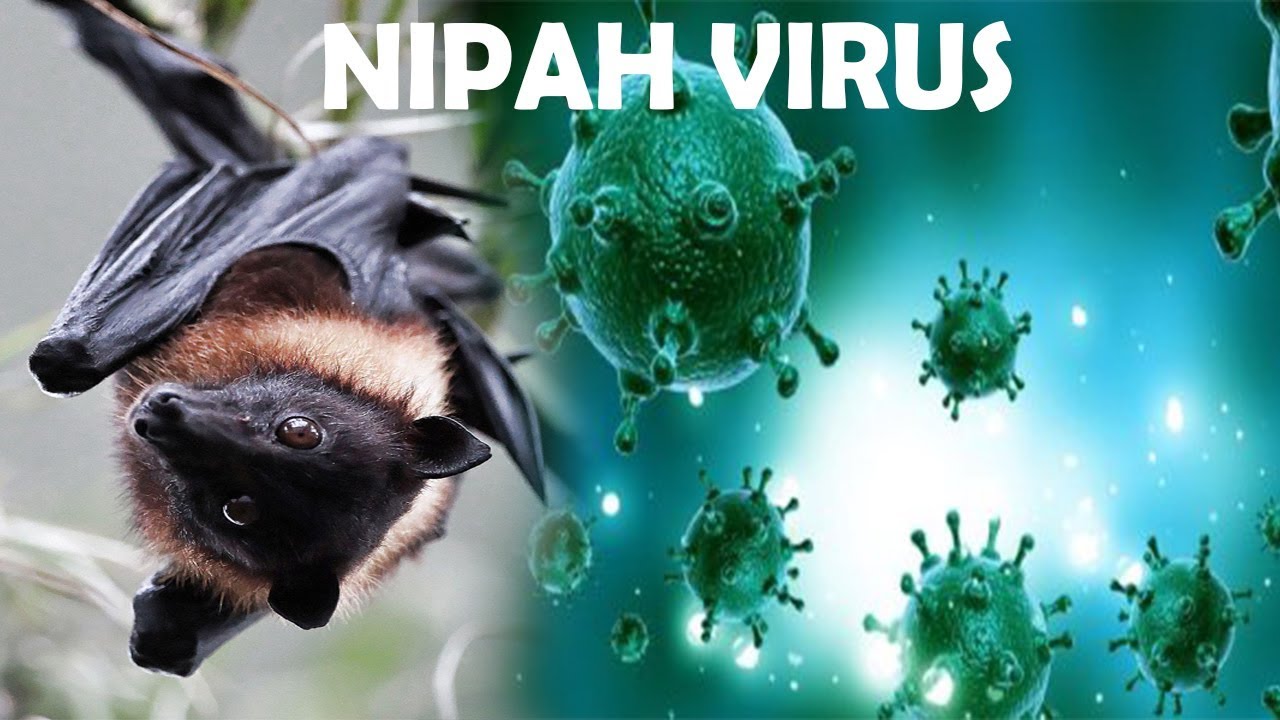
Nipah virus is a zoonotic virus, meaning it can spread from animals to humans. Fruit bats are considered natural carriers, and the virus can also infect animals such as pigs. Humans can contract Nipah through direct contact with infected animals, contaminated food, or from other infected people.
The illness can cause symptoms ranging from fever and headache to severe respiratory problems and inflammation of the brain. In some cases, Nipah infection can be fatal. Because of these serious health risks, even a small number of cases can trigger strong responses from governments.
India has experienced Nipah outbreaks in the past, and recent reports of new cases have once again raised alarm across the region.

Strengthened Airport Screening
In addition to the trade ban, Kyrgyzstan has introduced stricter health screening at its main international airports in Bishkek and Osh. All arriving passengers are now subject to body temperature checks using thermal monitoring systems.
These systems can quickly identify travelers who may have fever, one of the early signs of infection. Passengers showing symptoms may undergo further medical evaluation.
Authorities have stated that enhanced checks apply to all international arrivals, not just those coming from India. This broad approach reflects the understanding that viruses can spread through multiple routes and that early detection is crucial.
Why Kyrgyzstan Took This Step
The Kyrgyz government has explained that the ban is part of a wider strategy to protect public health and prevent cross-border transmission of dangerous diseases. Zoonotic infections like Nipah are especially concerning because they can move between animals and humans, making them harder to control.
Restricting animal imports from affected regions is a standard international practice during such situations. It reduces the risk of bringing in infected animals or contaminated products that could start an outbreak.
The decision also shows that Kyrgyzstan is closely monitoring global health developments and is willing to take firm action when necessary.
Impact on Trade and Businesses
India is a major exporter of various agricultural and animal products to many countries. While the volume of trade between India and Kyrgyzstan in this sector may not be very large, the ban still sends a strong signal.
Indian exporters who deal in animal-based products could face short-term challenges if other countries follow similar steps. At the same time, Kyrgyz importers may need to look for alternative suppliers.
Such situations highlight how health emergencies can disrupt supply chains and affect livelihoods, even in places far from where the outbreak occurs.
International Health Vigilance
Kyrgyzstan’s move reflects a broader global trend toward stronger disease surveillance and quicker preventive action. In recent years, countries have become more aware of how fast infections can spread across borders, especially with modern travel and trade.
Even when international organizations assess the overall risk as low, individual nations often choose to adopt their own safety measures based on local priorities and risk assessments.
This layered approach combining global guidance with national action forms the backbone of modern disease prevention.
Cooperation and Information Sharing
Another important aspect of this situation is the role of information sharing between countries and international bodies. Timely updates about outbreaks allow governments to make informed decisions.
Kyrgyzstan’s response shows that it is paying close attention to developments abroad and acting on credible information. Continued cooperation between India, Kyrgyzstan, and global health organizations will be essential for managing the situation effectively.
Looking Ahead: How Kyrgyzstan Bans Indian Animal Imports Shapes Future Health Measures
The ban on animal imports from India will likely remain in place until health authorities are confident that the risk of Nipah virus transmission has decreased. Much will depend on how the situation evolves in India and what further guidance is provided by international health experts.
For now, Kyrgyzstan’s actions underline the importance of prevention in public health. By acting early and decisively, the country aims to protect its population, maintain stability, and avoid the far greater costs of dealing with an outbreak after it has already begun.
This development serves as a reminder that in an interconnected world, health security is a shared responsibility, and vigilance in one country can help safeguard many others.