Molten Liquid Planet Discovery Surprises Scientists

Molten Liquid Planet Discovery is making headlines in the world of space science after researchers identified a completely new type of planet beyond our solar system. Using the powerful James Webb Space Telescope, scientists found planets that are not solid like Earth and not covered with water like ocean worlds. Instead, these planets exist in a hot, melted state, with surfaces made of flowing magma.
Thank you for reading this post, don't forget to subscribe!This discovery is important because it changes how scientists classify small planets. Until now, most planets were grouped as either rocky or water-rich. But this new finding introduces a third category planets that are made mostly of molten material.
Molten Liquid Planet Discovery Reveals a New Planet Type
The newly discovered group is being called “liquid planets.” These worlds are neither fully solid nor fully liquid like water planets. Instead, they are covered in thick layers of molten rock, giving them a soft, glowing surface.
The research, published in Nature Astronomy, explains that these planets stay in a melted state for long periods due to extreme heat. This makes them very different from anything seen in our solar system today.

Scientists believe that such planets may be more common than previously thought. Many planets once believed to be water worlds might actually belong to this molten category.
Molten Liquid Planet Discovery Highlights L 98-59 d
One of the most important examples of this new class is L 98-59 d. This planet is located about 35 light-years from Earth and is slightly larger and heavier than our planet.
L 98-59 d has extremely high surface temperatures, reaching nearly 1,900°C. At this heat level, rocks melt completely, forming a vast ocean of lava across the planet. Instead of oceans of water, this planet has oceans of magma that move and flow.
Scientists also found that the planet’s surface is not calm. Strong gravitational forces from nearby planets create huge waves in its lava oceans, making it a very active and dynamic world.
Molten Liquid Planet Discovery Shows Extreme Atmosphere
The atmosphere of L 98-59 d is just as extreme as its surface. It is filled with gases like hydrogen sulphide, which is known for its strong smell similar to rotten eggs. This thick atmosphere traps heat and prevents the planet from cooling down.
Because of this, the planet experiences what scientists call a runaway greenhouse effect. This means heat builds up continuously, keeping the planet hot enough to remain in a molten state all the time.
These harsh conditions make it nearly impossible for life as we know it to exist there. The environment is too hot, toxic and unstable to support living organisms.
Molten Liquid Planet Discovery Helps Understand Early Earth
Even though these planets are not suitable for life, they are very useful for scientific study. Experts believe that Earth itself may have looked similar billions of years ago, when it was still forming and covered in molten rock.
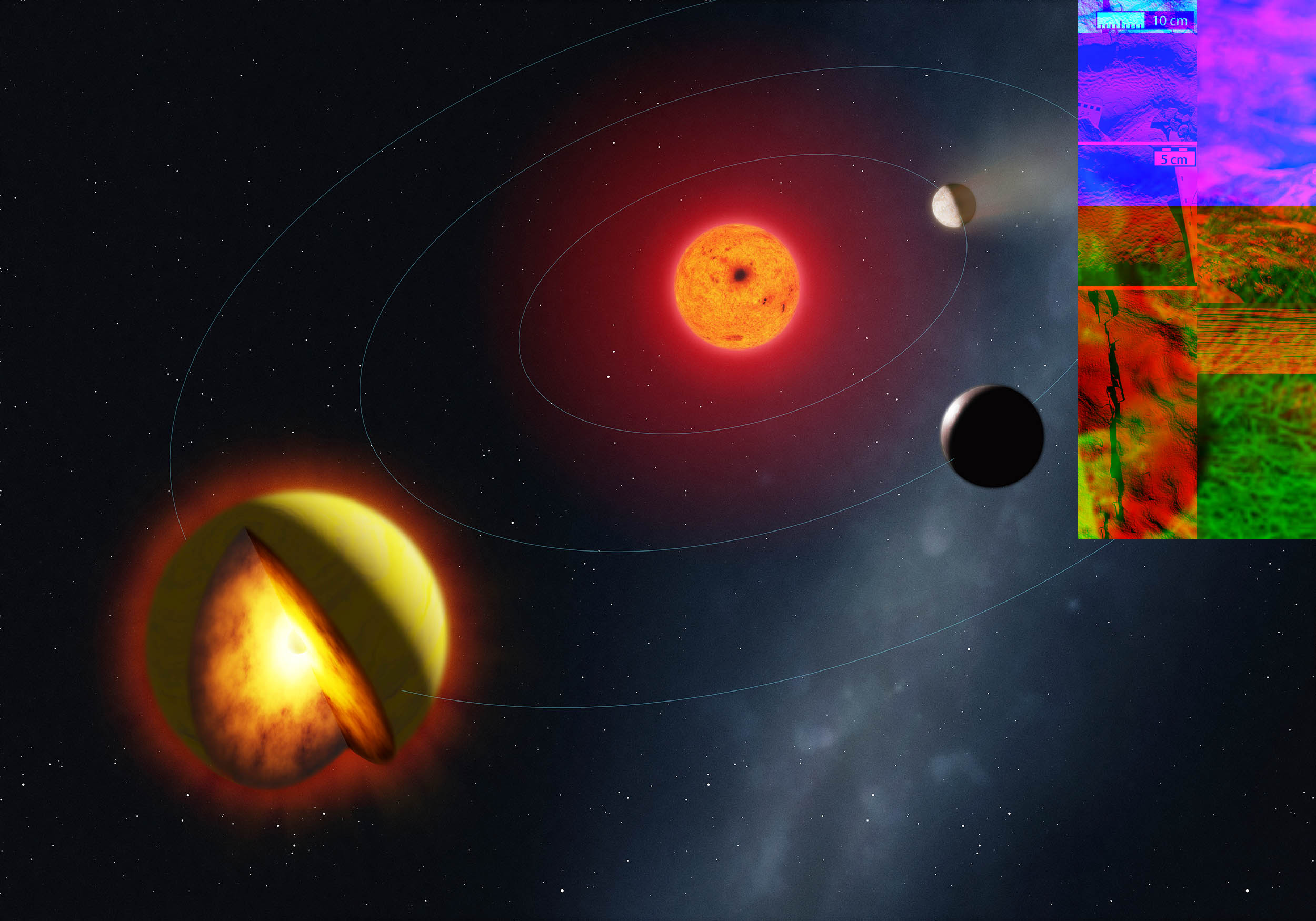
By studying planets like L 98-59 d, scientists can better understand how Earth cooled down and became suitable for life. These molten planets act like natural time machines, giving clues about the early stages of planetary formation.
Molten Liquid Planet Discovery Expands Space Knowledge
This discovery shows that the universe is far more diverse than previously imagined. Planets come in many forms, and scientists are still uncovering new types with advanced technology.
The use of powerful tools like the James Webb Space Telescope has made it possible to study distant worlds in greater detail. As research continues, more unusual planets may be discovered, changing our understanding of space even further.
The Molten Liquid Planet Discovery is a reminder that space is full of surprises, and each new finding brings us closer to understanding how planets form and evolve across the universe.