


Namdapha Butterfly Festival Arunachal: A Vibrant Celebration of Nature and Conservation

The Namdapha Butterfly Festival Arunachal is once again set to enchant nature lovers and conservationists alike, as the 8th edition of the vibrant festival unfolds from November 26 to 28 at the picturesque Namdapha National Park and Tiger Reserve in Miao, Arunachal Pradesh. This annual celebration of nature is being organised by the Department of Environment, Forest and Climate Change, in collaboration with local community groups who are deeply rooted in the region’s ecological and cultural landscape.
Thank you for reading this post, don't forget to subscribe!The festival has evolved into one of India’s most admired eco-tourism events, bringing together scientists, nature enthusiasts, photographers, and villagers to honour the stunning diversity of butterflies that call Namdapha home. The event not only celebrates these winged jewels of the forest but also seeks to deepen the understanding of conservation and sustainable tourism in one of the world’s richest biodiversity zones.
A Celebration of Biodiversity
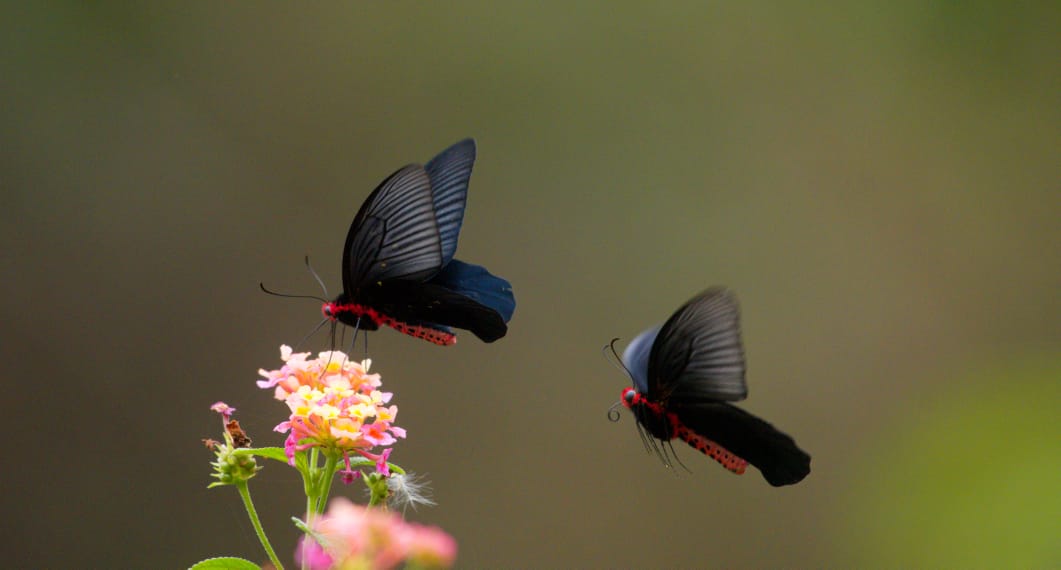
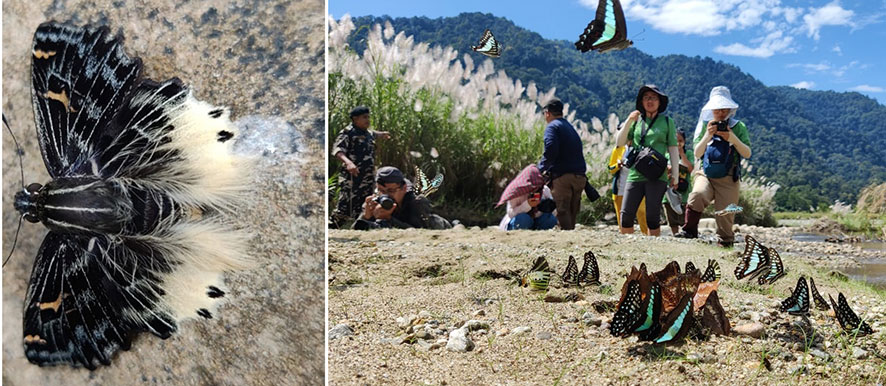
The Namdapha National Park, nestled in the Changlang district of Arunachal Pradesh, is a global biodiversity hotspot and a paradise for naturalists. With an elevation range from tropical forests to snow-clad peaks, Namdapha shelters an astonishing variety of wildlife. The park is home to over 500 species of butterflies, alongside rare mammals and flora found nowhere else on Earth. Some of the most breathtaking species fluttering through its forests include the Kaiser-i-Hind, the Blue Mormon, the Peacock Pansy, the Zig-zag Flat, and the Yellow Veined Lancer.
For scientists and conservationists, Namdapha serves as a living laboratory, revealing how ecosystems thrive when protected and respected. For travelers and photographers, it offers an unparalleled view of nature’s delicate artistry each butterfly wing a canvas of color, pattern, and life.
The Festival Experience
Set in Khachang village, the gateway to Namdapha National Park, the three-day festival will immerse visitors in the rhythms of nature and local culture. From dawn butterfly walks through misty forest trails to evening storytelling sessions by local elders, the Namdapha Butterfly Festival Arunachal blends ecological education with community celebration.
Visitors can expect a vibrant lineup of activities guided forest treks, photography contests, eco-awareness exhibitions, and interactive sessions with experts on species identification and conservation challenges. For many, the highlight will be the early morning “butterfly chase,” where enthusiasts, armed with cameras and notebooks, track rare and endemic species as they bask in the soft sunlight over dew-kissed leaves.
What makes this festival truly special is its inclusivity. Entry for local participants is free, an initiative designed to foster widespread community engagement. By drawing villagers, students, and youth into conservation dialogues, the festival ensures that environmental stewardship becomes a shared responsibility.
Local Collaboration and Sustainable Tourism
The 2025 edition stands out for its strong emphasis on community participation. Key local partners including Tikak Homestay Miao, the Khachang-Mattungkhim Youth Forum, and Namdapha Jungle Camp Miao are taking active roles in organizing the event. Their involvement underlines a growing recognition that conservation cannot succeed without the people who live closest to the forest.
Through workshops, eco-trails, and locally managed homestays, the festival is also promoting sustainable tourism that benefits local livelihoods while protecting natural resources. Tourists are encouraged to stay in eco-friendly accommodations, experience local cuisine, and learn traditional practices that have long helped maintain the region’s ecological balance.
This model of community-led conservation and tourism creates a win-win scenario strengthening rural economies while preserving the fragile ecosystems of the Eastern Himalayas.
Guardians of Nature
Behind the vibrant wings of butterflies lies a deeper story one of resilience, adaptation, and harmony. The Namdapha Butterfly Festival Arunachal embodies this spirit. It represents not just a gathering to admire beauty but also a movement to protect it.
Arunachal Pradesh, often referred to as the “Land of the Dawn-Lit Mountains,” holds within its forests an irreplaceable natural heritage. However, like many other biodiversity-rich regions, it faces threats from deforestation, climate change, and habitat fragmentation. The festival thus serves as a reminder of the urgent need to protect nature’s delicate balance.
By bringing together scientists, conservationists, tourists, and villagers, the festival fosters a network of eco-conscious citizens who advocate for environmental preservation. It bridges traditional ecological knowledge with modern conservation science, showing how both can coexist harmoniously for a sustainable future.
The Essence of Namdapha
Namdapha’s charm lies not only in its wildlife but also in its serene remoteness. The forest resonates with the calls of hornbills, the flutter of wings, and the whisper of rivers cutting through dense canopies. Every visitor leaves with a renewed sense of connection not just to nature, but to a deeper understanding of coexistence.
As the festival lights up the misty forests of Miao, it reaffirms a collective pledge: that conservation is not a task for a few but a shared duty of all. The Namdapha Butterfly Festival Arunachal beautifully captures this harmony between humans and the natural world a celebration of life in its most colorful, fragile, and inspiring form.
Conclusion
The 8th Namdapha Butterfly Festival Arunachal is more than a gathering of butterfly enthusiasts; it is a call to action, a tribute to nature, and a celebration of hope. It highlights how communities, when empowered and informed, can lead the way in protecting biodiversity. Through eco-tourism, education, and unity, the festival stands as a shining example of how the flutter of a butterfly’s wings in the forests of Arunachal can inspire a movement for global ecological balance.