


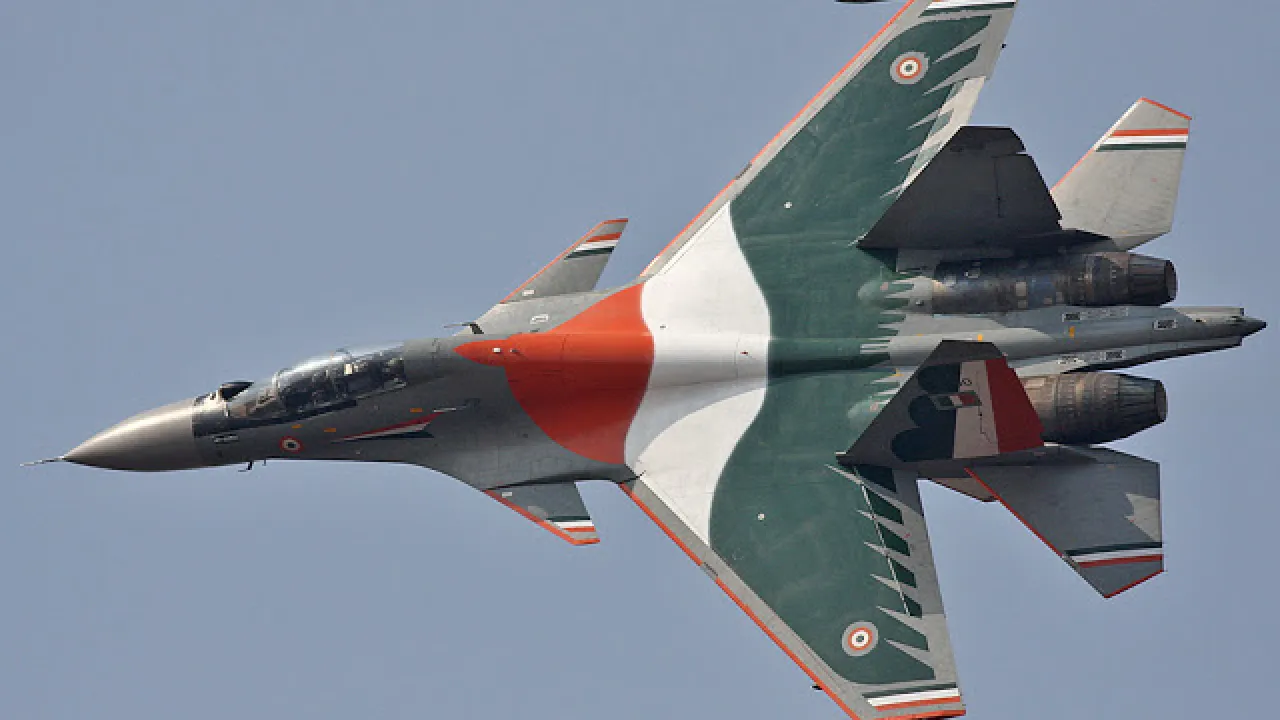
Su-30 MKI

Su-30 MKI fighter aircraft of the Indian Air Force may soon receive an important weapons upgrade with the integration of the Russian-origin RVV-BD long-range air-to-air missile. India has taken up a proposal to modify the aircraft so that it can operate the missile effectively. The proposed changes include upgrades to the fighter’s radar, avionics and weapons management software.
The move is part of India’s wider effort to improve the long-range combat capabilities of its fighter aircraft. The integration process would require technical modifications, testing and software validation before the missile can be used operationally.

India Plans Major Upgrade for Su-30 MKI
The Su-30 MKI is one of the most important fighter aircraft operated by the Indian Air Force. It is a twin-engine, heavyweight multirole fighter designed to perform different missions, including air-to-air combat, air-to-ground strikes and long-range operations.
India operates more than 260 Su-30 MKI aircraft, making the fighter a major part of the country’s air power. The aircraft is manufactured in India under licence by Hindustan Aeronautics Limited (HAL).
Because of the large size of the fleet, upgrades to the Su-30 MKI can have a significant impact on India’s overall fighter capability. The proposed RVV-BD integration would give selected aircraft the ability to carry and fire a long-range air-to-air missile.
What Is the RVV-BD Missile?
The RVV-BD is the export version of Russia’s R-37M air-to-air missile. It has been developed for long-range engagement of important aerial targets.
Unlike short-range missiles that are mainly used against nearby fighter aircraft, the RVV-BD is designed to attack targets from much greater distances. Its intended targets can include high-value aircraft such as airborne early warning and control aircraft, reconnaissance aircraft and other important support platforms.
The missile is associated with the Russian R-37M family and is reported to have a very high speed. Some technical references describe speeds of around Mach 6, while reported maximum ranges vary depending on the source and launch conditions.
Technical references have placed its maximum range at up to about 200 kilometres, while some Indian reports have mentioned an engagement range of up to 300 kilometres following integration. The actual effective range can depend on factors such as launch altitude, target movement and operational conditions.
Radar and Avionics Changes
Integrating a new long-range missile with an existing fighter is not simply a matter of attaching the weapon to the aircraft. The aircraft’s systems must be able to detect, track and engage targets and then guide the missile through the required stages of an operation.
For the Su-30 MKI, the proposed modification includes changes to its radar, avionics and weapons management software.
The radar is important because it helps the aircraft identify and track targets. Avionics systems process information from the aircraft’s sensors and other systems. The weapons management software connects the aircraft’s systems with the missile and helps the pilot select and use the weapon.
These systems must work together accurately before the missile can be cleared for operational use.
Defence Acquisition Council to Review Proposal
The proposal has been placed before India’s Defence Acquisition Council (DAC) for consideration. The council is the Ministry of Defence’s highest body for major capital procurement decisions.
The Defence Minister chairs the Defence Acquisition Council. It reviews major proposals involving the purchase, upgrade and modernisation of military equipment for India’s armed forces.
If the proposal receives the required approvals, the integration programme would move through several stages. These can include aircraft modifications, weapon integration, ground testing, flight trials and software validation.
The testing process is important because the missile and aircraft must operate safely and reliably under different flight conditions before the system can be introduced for operational use.
Strengthening India’s Long-Range Air Combat Capability
The proposed Su-30 MKI upgrade comes as India is focusing more attention on long-range air combat capabilities. Modern air warfare increasingly depends on the ability to detect and engage threats from a distance.
Long-range missiles can allow fighter aircraft to target important aerial platforms without needing to get close to them. This can be particularly important when dealing with aircraft that provide surveillance, early warning, command and control or intelligence support.
The RVV-BD integration could therefore add another long-range weapon option to India’s fighter fleet if the programme is successfully completed.
Indigenous Astra Missile Programme
Along with integrating foreign-origin weapons, India is also working on its own long-range air-to-air missile technology.
The Defence Research and Development Organisation (DRDO) is developing advanced versions of the indigenous Astra air-to-air missile. Some planned variants are expected to have ranges of more than 300 kilometres.
The Astra programme is part of India’s broader effort to reduce dependence on imported weapons and increase domestic defence production. Indigenous missile development also allows India to design weapons around the requirements of its own fighter aircraft and combat systems.
The development of Astra and the proposed RVV-BD integration represent two different approaches to strengthening India’s air-to-air missile capability—developing indigenous systems while also upgrading existing aircraft with advanced foreign-origin weapons.
Why the Su-30 MKI Remains Important
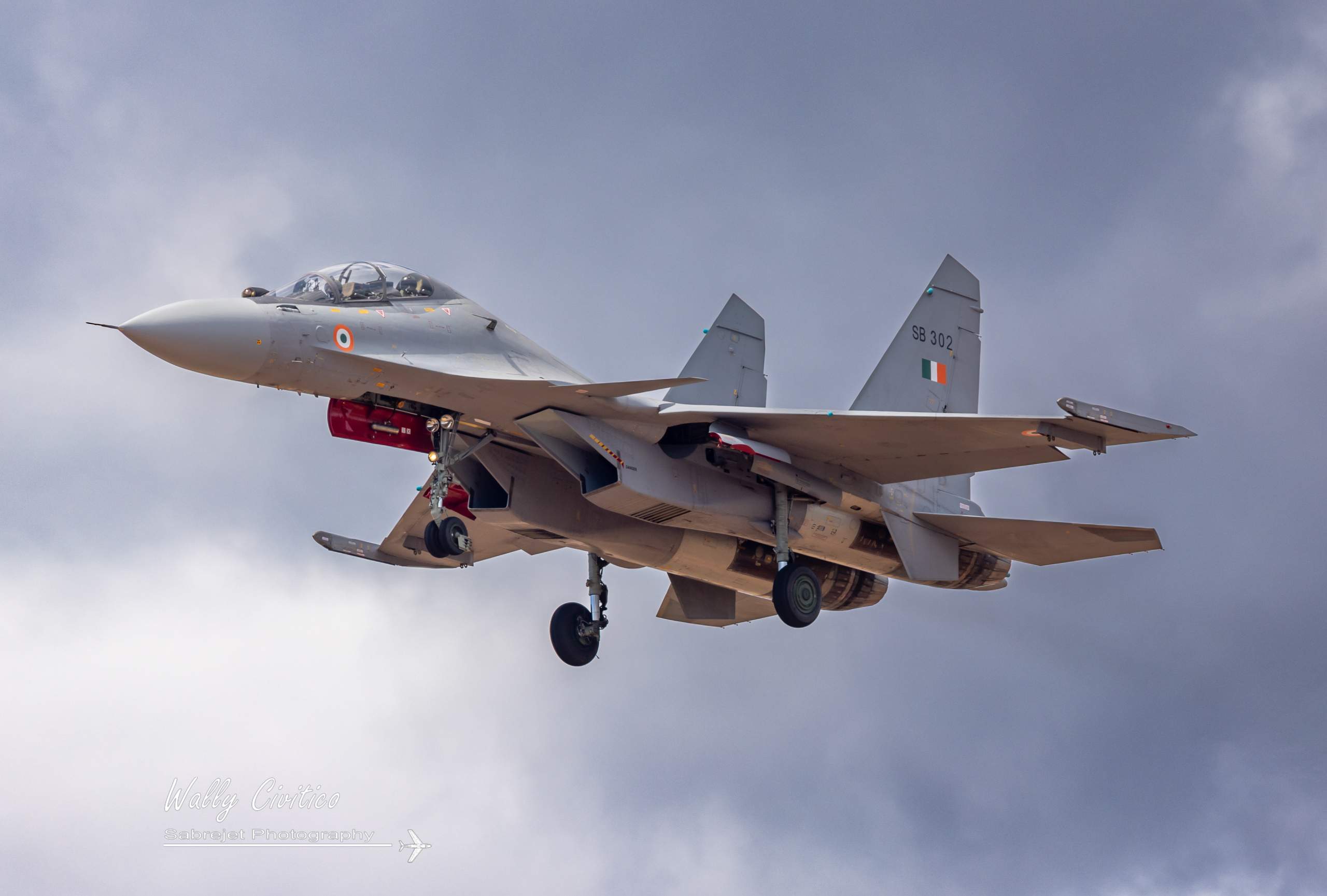
The large Su-30 MKI fleet gives India a strong platform for future weapons and sensor upgrades. Its size, range and multirole design make it suitable for carrying different types of weapons.
Over the years, India has continued to upgrade the aircraft’s avionics, radar, electronic warfare systems and weapons. The proposed RVV-BD integration would add another capability to this continuing modernisation programme.
For the Indian Air Force, improving the capabilities of an existing large fleet can also be an important part of modernisation while newer fighter aircraft and indigenous systems are being developed and inducted.
Next Steps in the Integration Process
The proposed RVV-BD programme still requires the necessary approvals and technical work before operational deployment. Weapon integration involves detailed engineering, software development and testing to ensure that the missile works properly with the aircraft’s radar and other systems.
Once modifications are completed, flight trials would be needed to check the performance of the complete weapon system. The results of these tests would help determine whether the system meets the required operational and safety standards.
The proposed upgrade therefore represents a significant technical project for the Su-30 MKI, combining aircraft modification, missile integration, radar capability and advanced weapons software.