


Taiwan Tests Indigenous Submarine: A Milestone in Maritime Defense

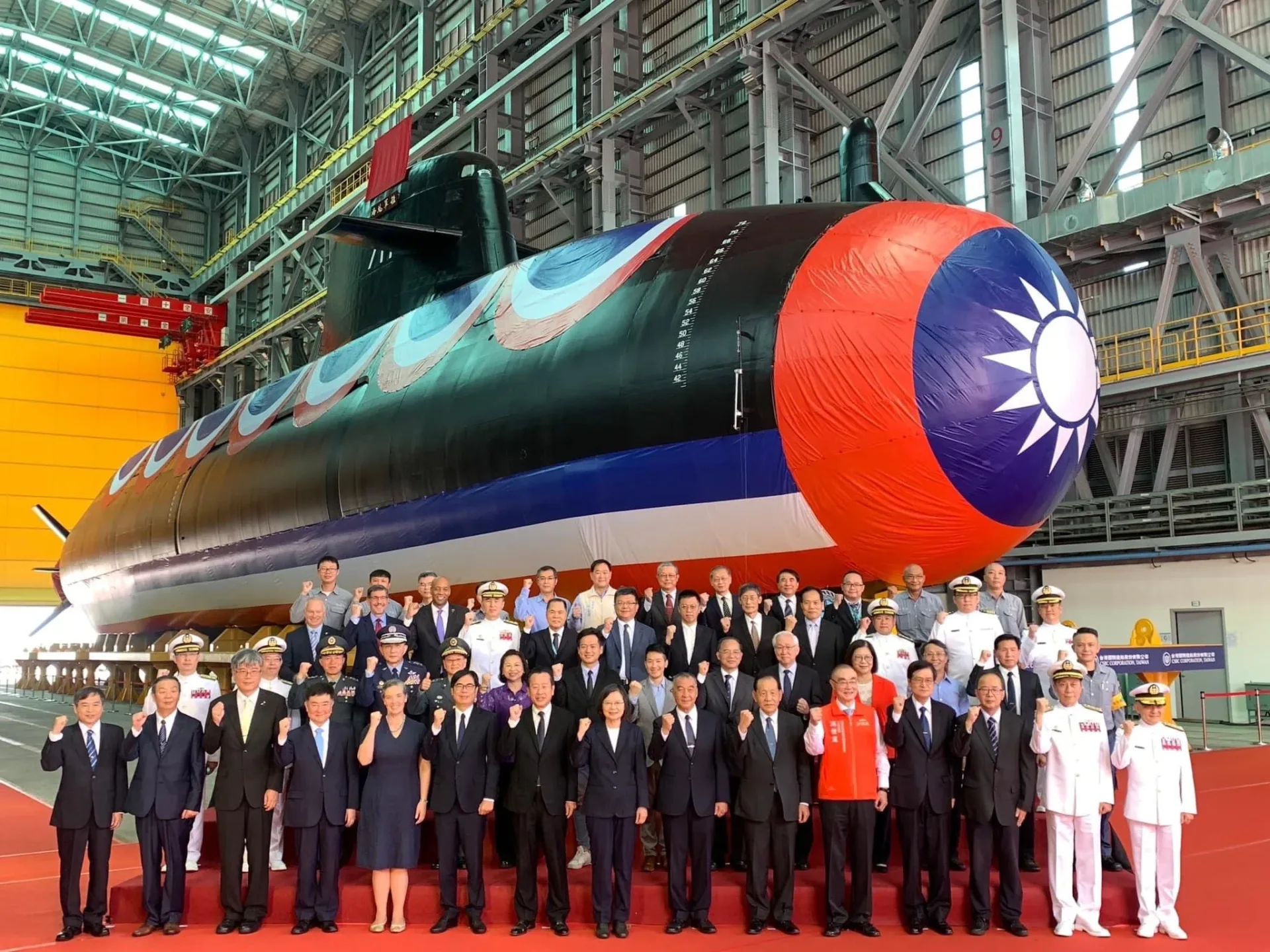
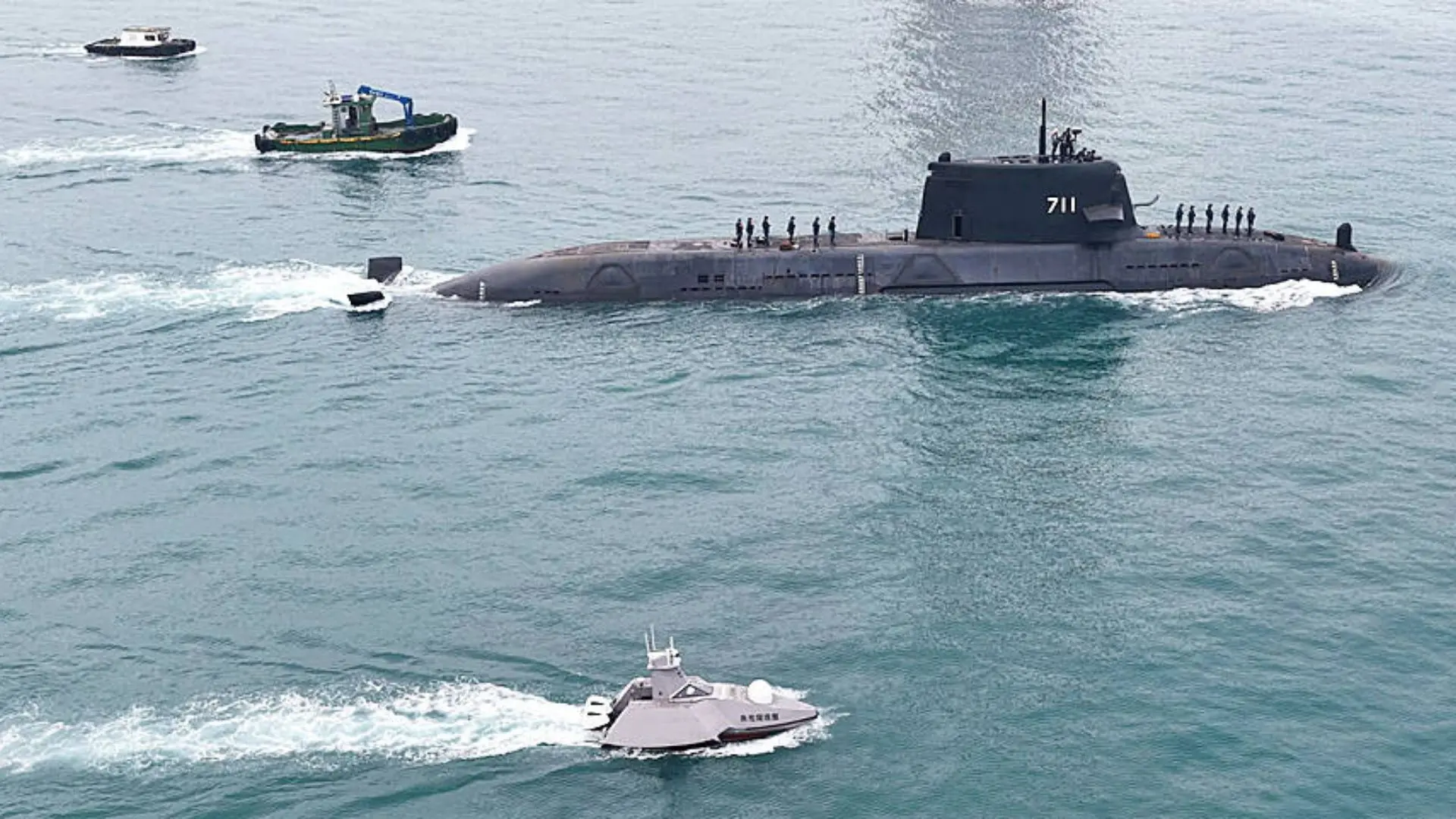
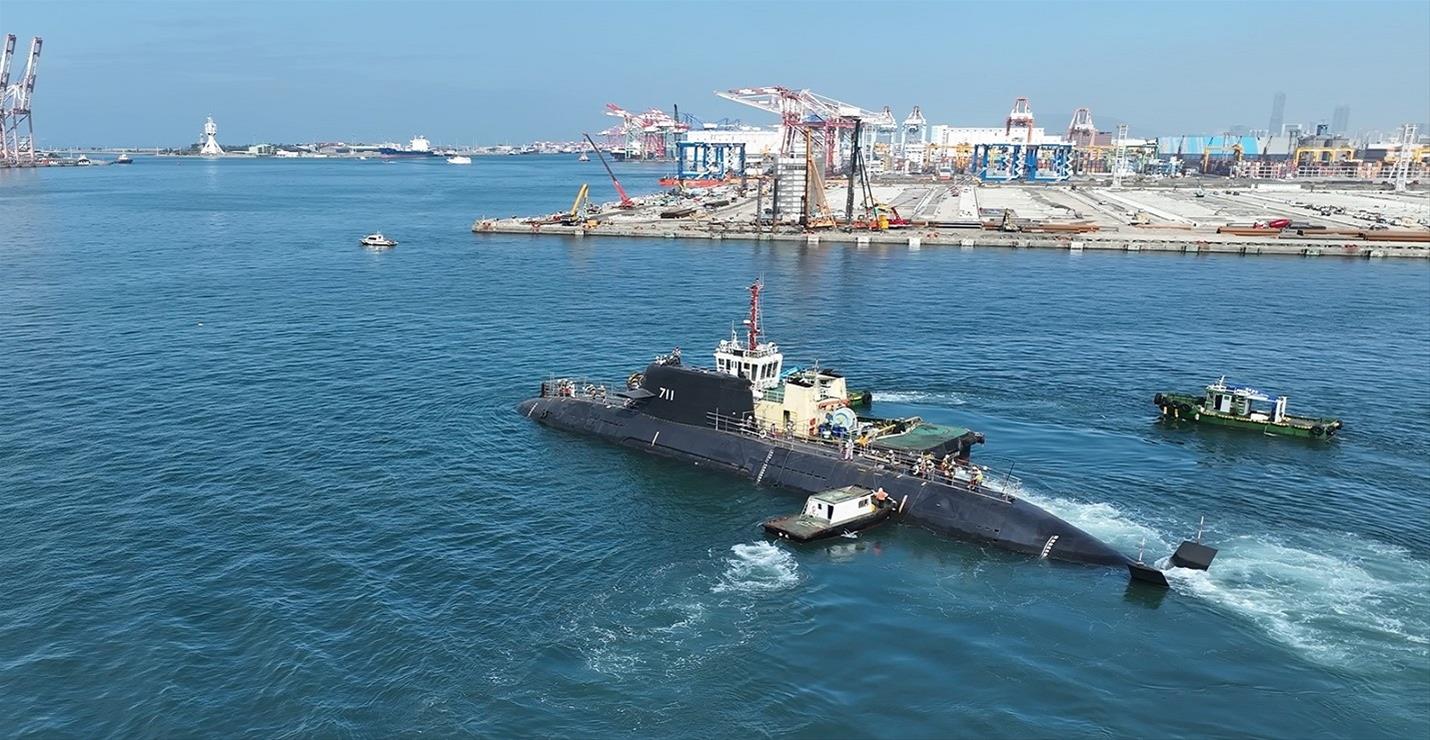
Taiwan Tests Indigenous Submarine with the successful completion of the first underwater sea trial of its domestically built vessel, marking a major step in strengthening the island’s maritime defence. The submarine, named “Narwhal”, carried out a shallow-water submerged navigation test off the southern port city of Kaohsiung. This achievement highlights Taiwan’s growing capability to develop advanced naval systems independently and strengthens its position amid increasing regional tensions.
Thank you for reading this post, don't forget to subscribe!A Milestone in the Indigenous Submarine Programme
The “Narwhal” is the first of eight submarines planned under Taiwan’s indigenous submarine programme. The initiative is aimed at enhancing Taiwan’s ability to protect vital sea lanes and maintain control over its surrounding waters in case of conflict. Built by CSBC Corporation, a state-owned shipbuilder, the submarine trial demonstrates the country’s growing technical expertise and ability to design and construct complex naval vessels independently.
Taiwan’s indigenous submarine programme is not only about increasing the number of submarines but also about strengthening strategic deterrence. These submarines are seen as a critical tool to balance regional power, particularly given the growing naval capabilities of China, which has intensified military activities near Taiwan.
International Cooperation and Strategic Importance
Although the submarines are domestically built, Taiwan has sought expertise and technology from foreign partners, including the United States and the United Kingdom. This cooperation has helped Taiwan overcome technical challenges and accelerate the development process. For Taiwan, which faces diplomatic isolation due to China’s influence, such international collaboration represents a significant achievement.
The strategic context is clear. China regards Taiwan as part of its territory and has been increasing military pressure with frequent naval exercises and patrols near the island. Submarines offer Taiwan a form of asymmetric warfare capability, allowing it to counterbalance China’s larger and more advanced navy. By using stealth, mobility, and underwater firepower, Taiwan can increase the costs of any potential aggression, making its waters more challenging to penetrate.
Capabilities and Equipment of the “Narwhal”
The “Narwhal” submarine is equipped with advanced systems to enhance its operational effectiveness. It features a combat management system supplied by a U.S. defence firm, ensuring precise navigation, communication, and weapon targeting. The submarine is armed with U.S.-made Mark 48 heavyweight torpedoes, giving it the ability to engage a wide range of targets under the sea.
The initial submarine trial represents just the first step. Later submarines in the series could be equipped with missile systems to provide additional deterrence capabilities. This phased development allows Taiwan to gradually improve its underwater fleet while managing costs and technical challenges. The estimated price for the first submarine is around T$49.36 billion, reflecting both the technological sophistication and strategic value of the vessel.
Delays and Challenges
Originally, the “Narwhal” was scheduled for delivery in 2024. However, the programme faced delays due to a combination of technical difficulties, international restrictions, and political pressure from Beijing. Despite these setbacks, Taiwan has managed to bring the first submarine to trial successfully, showcasing resilience and determination in pursuing its defence priorities.
These delays highlight the complexity of building modern submarines, which require highly specialized knowledge and materials. Taiwan’s success indicates that its shipbuilding sector is reaching a level of maturity capable of handling such demanding projects independently.
Defence Modernisation and Regional Implications
Taiwan aims to deploy at least two domestically built submarines by 2027, gradually expanding its underwater capabilities. The development of the indigenous submarine fleet comes as China continues a rapid military build-up, including aircraft carriers, stealth fighters, and missile systems. In response, Taiwan has emphasized mobile, survivable, and stealthy systems, including submarines, drones, and truck-mounted missiles.
The successful trial of the “Narwhal” sends a clear signal about Taiwan’s intent to strengthen its maritime defence and maintain security in the Indo-Pacific region. Submarines provide a strategic advantage because they are difficult to detect and can strike at sea or underwater targets, making them a key element of Taiwan’s defence posture.
Looking Ahead: Taiwan Tests Indigenous Submarine Programme
The indigenous submarine programme represents a combination of technological achievement, strategic planning, and international collaboration. Taiwan’s leadership continues to prioritise systems that enhance survivability and deterrence, acknowledging that submarines are a cost-effective way to offset numerical disadvantages.
As the “Narwhal” completes its sea trial, Taiwan prepares to continue the series of trials and gradually expand its fleet. Each submarine built and tested enhances the island’s defensive capabilities and strengthens its position in regional security dynamics. The indigenous programme is a tangible sign that Taiwan is committed to protecting its maritime boundaries and maintaining a credible deterrent against potential threats.
By demonstrating operational readiness and technological competence, Taiwan is showing the world that it can pursue self-reliant defence initiatives despite geopolitical pressures. The ongoing development of the submarine fleet underscores a strategic vision focused on maritime security, regional stability, and defence innovation.