Eid al-Adha: The Festival of Sacrifice and Sharing

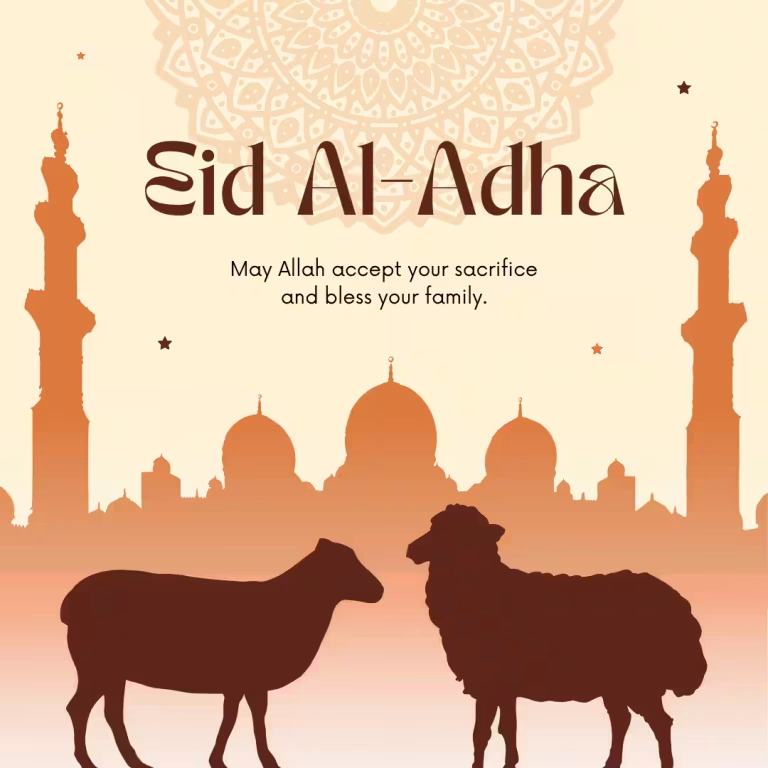
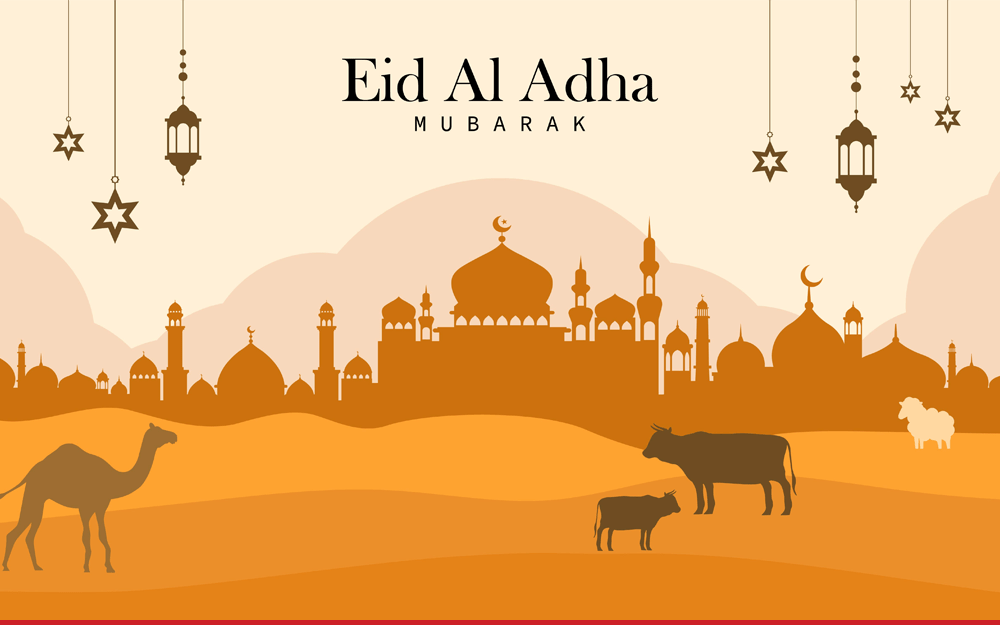
Eid al-Adha is one of the most important festivals celebrated by Muslims all over the world. It is also known as the Festival of Sacrifice. This special day teaches people about faith, obedience, kindness, and sharing with others. Eid al-Adha reminds us that true devotion to God comes from a pure heart and good actions, not just rituals.
Thank you for reading this post, don't forget to subscribe!What is Eid al-Adha?
Eid al-Adha is an Islamic festival celebrated every year by Muslims. It takes place in the last month of the Islamic calendar, called Dhul Hijjah. This month is very special because it is the time when Muslims perform the holy pilgrimage known as Hajj in Mecca, Saudi Arabia.
Eid al-Adha is celebrated on the 10th day of Dhul Hijjah and continues for three to four days. The exact date changes every year because the Islamic calendar is based on the moon.
The festival is called the Festival of Sacrifice because it remembers a great act of obedience shown by Prophet Ibrahim (Abraham).
The Story Behind Eid al-Adha
The story of Eid al-Adha comes from the life of Prophet Ibrahim, who is respected in Islam, Christianity, and Judaism.
According to Islamic belief, Prophet Ibrahim had a dream in which God asked him to sacrifice his beloved son, Ismail. This was a very difficult test. Prophet Ibrahim loved his son deeply, but he believed in God and trusted Him completely.
When Prophet Ibrahim told his son about the dream, Ismail agreed to obey God’s command. Both father and son showed strong faith and submission to God’s will.
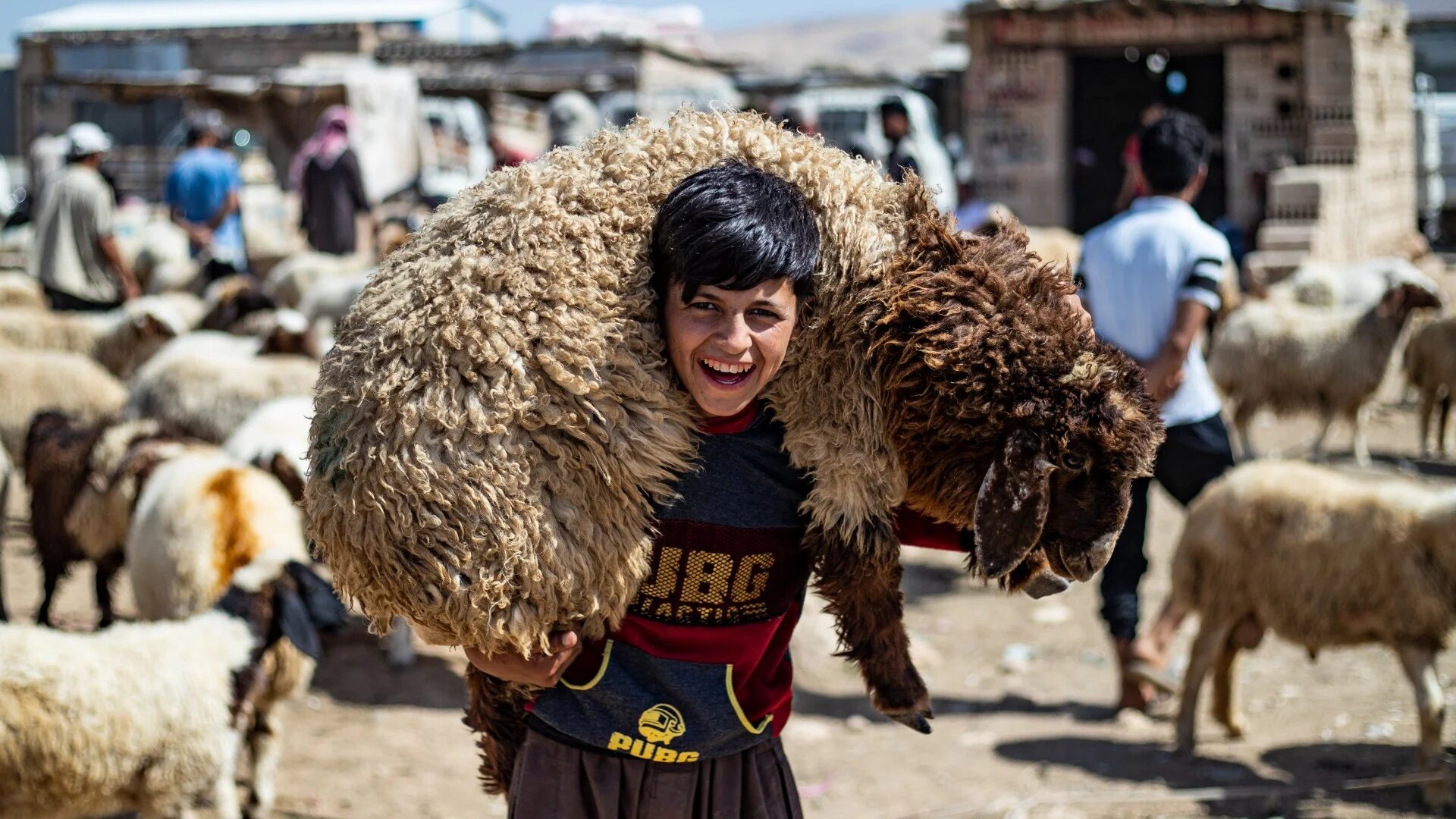
At the moment of sacrifice, God replaced Ismail with a ram. This showed that God did not want human sacrifice but wanted to test their faith and obedience.
Eid al-Adha is celebrated to remember this great lesson of faith, trust, and obedience to God.
Religious Importance of Eid al-Adha
Eid al-Adha has deep religious meaning in Islam. It teaches several important values:
- Complete trust in God
- Willingness to sacrifice personal desires
- Obedience to God’s commands
- Compassion and kindness toward others
The festival reminds Muslims that faith is not just about prayers but also about actions, character, and helping others.
Eid al-Adha is also closely connected to the Hajj pilgrimage. Millions of Muslims from different countries gather in Mecca during this time to perform Hajj. Even Muslims who do not go for Hajj celebrate Eid al-Adha in their own homes and communities.
Preparations for Eid al-Adha
Preparations for Eid al-Adha usually begin several days before the festival.
Cleaning and Decoration
People clean their homes and surroundings. New clothes are bought for family members, especially children. Homes are decorated simply to welcome the festive day.
Buying Animals
Families who can afford it buy animals such as goats, sheep, cows, or camels for sacrifice. These animals are treated well and kept healthy before Eid.
Spiritual Preparation
Many Muslims spend time in prayer, reading the Quran, and asking for forgiveness. They try to become better human beings by improving their behavior and helping others.
Eid al-Adha Morning: The Special Prayer
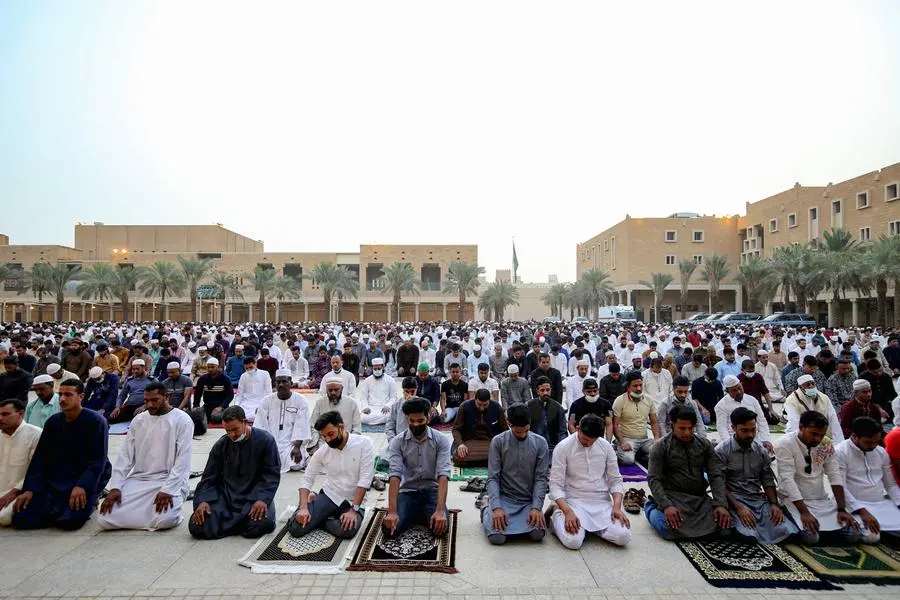
On the morning of Eid al-Adha, Muslims wake up early, take a bath, and wear clean or new clothes. They apply perfume and gather at mosques or open prayer grounds.
A special Eid prayer is performed in congregation. The prayer is followed by a sermon (speech) by the Imam, which explains the meaning of Eid and reminds people of their duties toward God and society.
After the prayer, people greet each other by saying “Eid Mubarak”, which means “Blessed Eid”.
The Ritual of Sacrifice (Qurbani)
One of the main practices of Eid al-Adha is Qurbani, which means sacrifice.
What is Qurbani?
Qurbani is the act of sacrificing an animal in the name of God. It is performed to remember Prophet Ibrahim’s obedience.
Rules of Qurbani
- Only certain animals like goats, sheep, cows, or camels can be sacrificed.
- The animal must be healthy and treated kindly.
- The sacrifice must be done humanely.
- It is performed after the Eid prayer and during the days of Eid.
Distribution of Meat
The meat from the sacrificed animal is divided into three parts:
- One part for the family
- One part for relatives and friends
- One part for the poor and needy
This sharing teaches equality, generosity, and care for those who are less fortunate.
Importance of Charity and Sharing
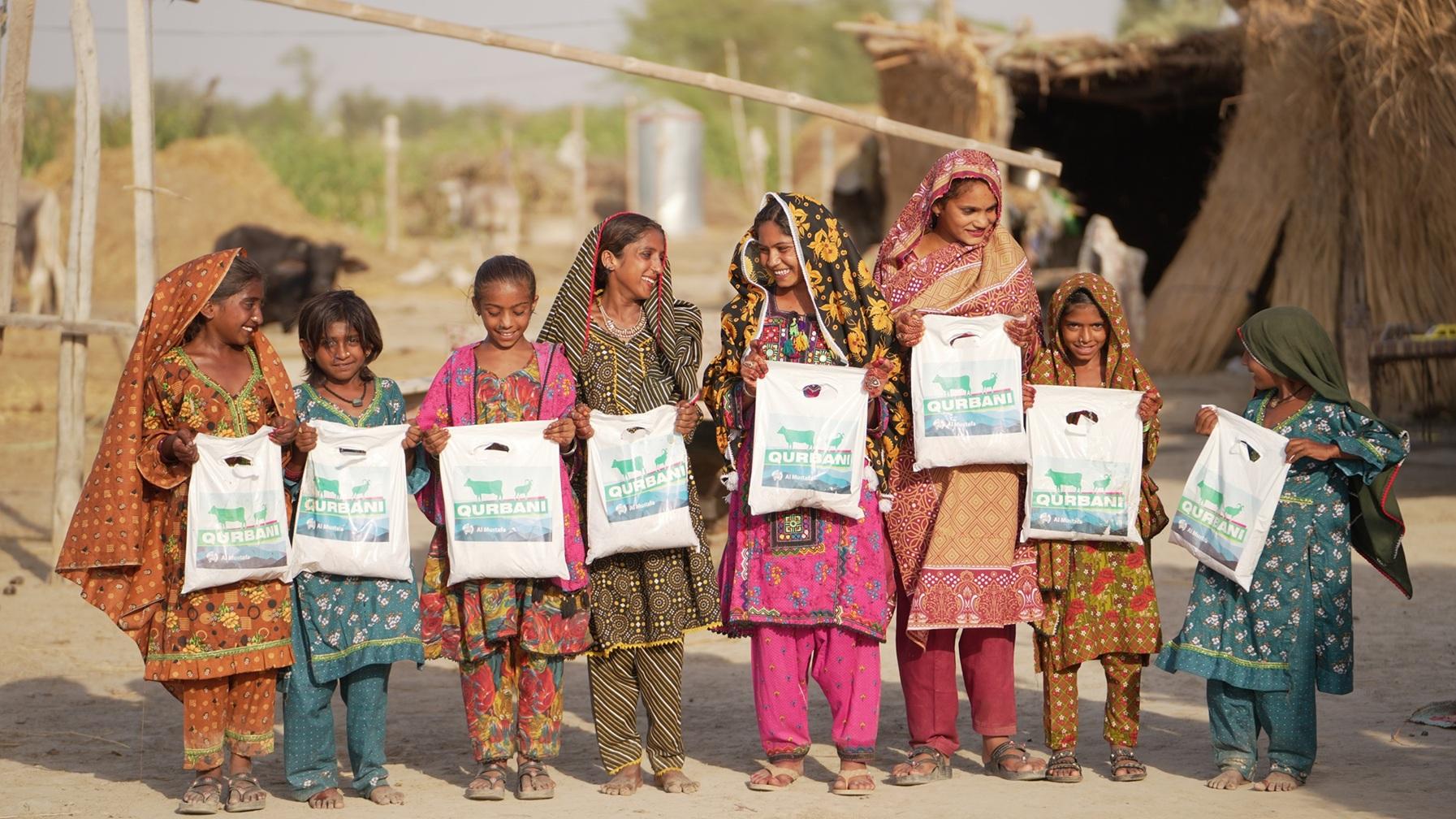
Eid al-Adha strongly teaches the value of helping others. Sharing food with the poor is a key part of the festival.
Many families make sure that no one in their neighborhood sleeps hungry during Eid. They donate food, clothes, and money to people in need.
This practice helps reduce inequality and brings people closer, creating a sense of unity and brotherhood.
Food and Festive Meals
Food plays an important role in Eid al-Adha celebrations.
Different regions prepare different dishes, but meat dishes are common because of Qurbani.
Some popular dishes include:
- Biryani
- Korma
- Kebabs
- Pulao
- Curry dishes
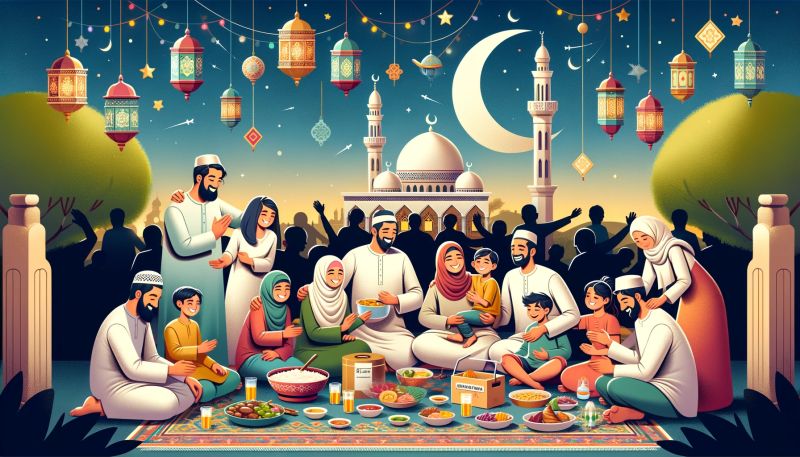
Sweets are also prepared and shared with guests. Families invite relatives, friends, and neighbors to enjoy meals together. This strengthens relationships and spreads happiness.
Eid al-Adha in India
In India, Eid al-Adha is celebrated with great respect and devotion.
Celebrations
Muslims across India attend Eid prayers at mosques and large open grounds. Cities and villages come alive with festive spirit.
Unity in Diversity
India is known for its diversity. On Eid al-Adha, people from different religions often greet their Muslim friends and neighbors. Many non-Muslims also share food and happiness, showing unity and harmony.
Government Recognition
Eid al-Adha is a public holiday in many parts of India. This allows people to celebrate peacefully with their families.
Eid al-Adha Around the World
Eid al-Adha is celebrated in many countries such as Saudi Arabia, Turkey, Indonesia, Pakistan, Bangladesh, Egypt, and many others.
Though traditions may vary, the core values remain the same everywhere:
- Faith in God
- Sacrifice
- Charity
- Community bonding
In some countries, large public feasts are organized, while in others, families celebrate quietly at home.
Social and Moral Lessons of Eid al-Adha
Eid al-Adha teaches many life lessons that are useful even outside religious life.
Sacrifice
True sacrifice means giving up selfish desires for a greater good.
Obedience and Discipline
The festival reminds people to follow the right path and obey moral values.
Kindness and Compassion
Helping the poor and sharing food teaches empathy and care for others.
Equality
Eid al-Adha reminds us that everyone is equal in the eyes of God, regardless of wealth or status.
Eid al-Adha and Modern Times
In today’s modern world, the message of Eid al-Adha is more important than ever.
With growing selfishness and inequality, the festival reminds people to:
- Care for the environment
- Treat animals kindly
- Support the poor
- Live a simple and honest life
Many people now donate money to charity organizations instead of performing sacrifice themselves, especially in cities where space is limited.
Environmental Awareness During Eid
In recent years, people have become more aware of cleanliness and environmental protection during Eid al-Adha.
Communities work together to:
- Maintain hygiene during sacrifice
- Dispose waste properly
- Avoid pollution
- Follow government guidelines
This shows that religious practices can go hand in hand with responsibility toward nature.
Importance of Family and Togetherness
Eid al-Adha is a time for family bonding.
Families come together to pray, cook, eat, and share happiness. Elders guide the younger generation about the meaning of Eid and its values.
Children learn lessons of sharing, respect, and gratitude during this festival.
Difference Between Eid al-Fitr and Eid al-Adha
Many people confuse Eid al-Adha with Eid al-Fitr. Both are important but different.
- Eid al-Fitr marks the end of Ramadan, the month of fasting.
- Eid al-Adha remembers the sacrifice of Prophet Ibrahim and is linked to Hajj.
Both festivals promote joy, charity, and community spirit.
Why Eid al-Adha Matters Today
Eid al-Adha is not just a religious event. It is a reminder of moral values that can make the world a better place.
It teaches people to:
- Be thankful for what they have
- Help those in need
- Stay humble
- Respect others
These lessons are important for students, adults, and leaders alike.
Conclusion
Eid al-Adha is a beautiful festival that carries deep meaning and powerful lessons. It is not only about sacrificing an animal but about sacrificing bad habits, selfishness, and hatred.
The festival teaches faith, obedience, generosity, and unity. It reminds us that true happiness comes from sharing, caring, and helping others.
In a world full of differences, Eid al-Adha spreads a message of peace, love, and humanity. By understanding and practicing its values, people can build a kinder and more caring society.
Eid al-Adha is truly a celebration of faith, sacrifice, and togetherness.
FAQs about Eid al-Adha
Q1. What is Eid al-Adha?
Eid al-Adha is an important Islamic festival known as the Festival of Sacrifice. It is celebrated by Muslims all over the world.
Q2. Why is Eid al-Adha celebrated?
It is celebrated to remember the faith and obedience of Prophet Ibrahim, who was ready to sacrifice his son to obey God.
Q3. When is Eid al-Adha celebrated?
Eid al-Adha is celebrated on the 10th day of Dhul Hijjah, the last month of the Islamic calendar. The date changes every year.
Q4. What does Qurbani mean?
Qurbani means sacrificing an animal in the name of God to remember Prophet Ibrahim’s sacrifice.
Q5. Which animals are sacrificed on Eid al-Adha?
Goats, sheep, cows, and camels are commonly sacrificed during Eid al-Adha.
Q6. How is the meat of Qurbani used?
The meat is divided into three parts: one for the family, one for relatives and friends, and one for the poor.
Q7. Is Eid al-Adha only about sacrifice?
No, it also teaches values like sharing, kindness, obedience, and helping needy people.
Q8. How do Muslims celebrate Eid al-Adha?
Muslims offer special Eid prayers, perform Qurbani, share food, help the poor, and spend time with family.
Q9. What is the difference between Eid al-Fitr and Eid al-Adha?
Eid al-Fitr marks the end of Ramadan, while Eid al-Adha is related to sacrifice and the Hajj pilgrimage.
Q10. Why is Eid al-Adha important today?
It reminds people to be kind, generous, and thankful, and to care for others in society.