International Day for the Eradication of Poverty: Ending Social and Institutional Maltreatment

The International Day for the Eradication of Poverty is a pivotal global observance dedicated to raising awareness about the scourge of poverty and mobilizing efforts to eliminate it in all its forms. Observed annually on October 17, this day serves as a reminder of the urgent need to address one of humanity’s most pressing challenges. As we approach October 17, 2025, the focus keyword “International Day for the Eradication of Poverty” underscores the importance of collective action, policy reform, and empathy in building a world where no one is left behind. In this comprehensive blog post, we’ll delve into the history, significance, themes, global statistics, causes, solutions, and ways to participate, aiming to provide a thorough understanding that inspires change. With poverty affecting millions worldwide, understanding this day is crucial for fostering dialogue and driving progress.
Thank you for reading this post, don't forget to subscribe!Introduction to the International Day for the Eradication of Poverty
Poverty is not just a lack of money; it’s a multifaceted issue that deprives individuals of basic human rights, dignity, and opportunities. The International Day for the Eradication of Poverty was established to highlight this reality and encourage global solidarity. Recognized by the United Nations, it emphasizes that poverty is a violation of human rights and calls for collaborative efforts to ensure these rights are upheld.
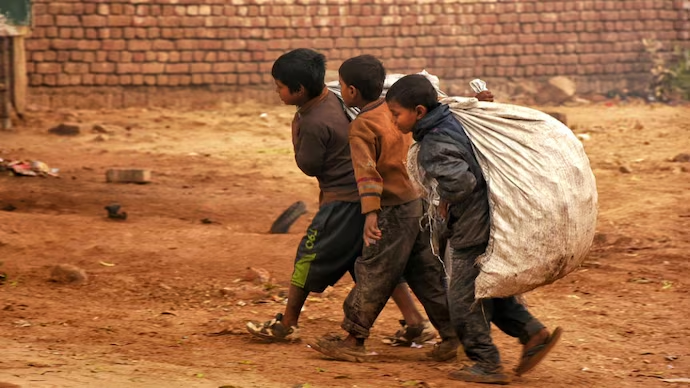
This observance promotes understanding and dialogue between those living in poverty and the broader society, acknowledging the struggles and resilience of affected communities. It’s a day to reflect on progress made, challenges remaining, and innovative strategies needed to achieve zero poverty. In 2025, as the world grapples with economic recoveries from pandemics, conflicts, and climate crises, this day gains even more relevance. The theme for 2025, “Ending Social and Institutional Maltreatment: Ensuring Respect and Effective Support for Families Living in Poverty,” spotlights the need to prioritize families and dismantle systemic barriers.
History of the International Day for the Eradication of Poverty
The roots of the International Day for the Eradication of Poverty trace back to October 17, 1987, when over 100,000 people gathered at the Trocadéro Plaza in Paris, France the site where the Universal Declaration of Human Rights was signed in 1948. This gathering honored victims of extreme poverty, violence, and hunger, proclaiming poverty as a human rights violation. Led by Father Joseph Wresinski, founder of the International Movement ATD Fourth World, participants unveiled a commemorative stone inscribed with: “Wherever men and women are condemned to live in extreme poverty, human rights are violated. To come together to ensure that these rights be respected is our solemn duty.”
This event sparked a global movement, leading to similar observances worldwide. Recognizing its significance, the United Nations General Assembly adopted Resolution 47/196 on December 22, 1992, officially designating October 17 as the International Day for the Eradication of Poverty, starting from 1993. The day aligns with the UN’s broader agenda, including the Millennium Development Goals (MDGs) and later the SDGs, emphasizing poverty reduction as a cornerstone of sustainable development.
Over the decades, the observance has evolved. In the 1990s and early 2000s, it focused on raising awareness amid globalization’s uneven benefits. Post-2008 financial crisis, themes shifted toward inclusive growth and social protection. The COVID-19 pandemic in 2020 amplified its urgency, as millions fell into poverty due to economic disruptions. Today, with climate change and geopolitical tensions exacerbating inequalities, the day serves as a platform for advocating resilient policies. Annual events at UN headquarters, including panel discussions and commemorations at the Paris stone’s replica in New York, keep the momentum alive.
This history illustrates how grassroots activism can influence international policy, transforming a single gathering into a worldwide call for justice.
Significance of the Day
The International Day for the Eradication of Poverty holds profound significance in the global fight against inequality. It underscores that poverty is not inevitable but a result of systemic failures, and eradicating it requires collective will. By promoting dialogue, the day empowers those in poverty to share their experiences, challenging stereotypes and fostering empathy.
On a practical level, it highlights progress toward SDG 1: No Poverty, which aims to end extreme poverty by 2030. It also addresses interconnected issues like hunger, health, education, and gender equality, as poverty exacerbates these. For governments, it’s a reminder to implement inclusive policies; for NGOs, a chance to showcase initiatives; and for individuals, an opportunity to reflect on privilege and contribute.
In 2025, amid rising costs of living and economic slowdowns, the day’s significance is heightened. It calls for urgent action against “social and institutional maltreatment,” where systems often stigmatize the poor rather than support them. Ultimately, observing this day reinforces the UN’s vision of a world where dignity is universal.
The 2025 Theme: Ending Social and Institutional Maltreatment
The 2025 theme, “Ending Social and Institutional Maltreatment: Ensuring Respect and Effective Support for Families Living in Poverty,” focuses on dismantling harmful systems that perpetuate poverty. It highlights how institutions such as welfare systems, legal frameworks, and social services often treat families in poverty with suspicion rather than compassion, leading to further marginalization.
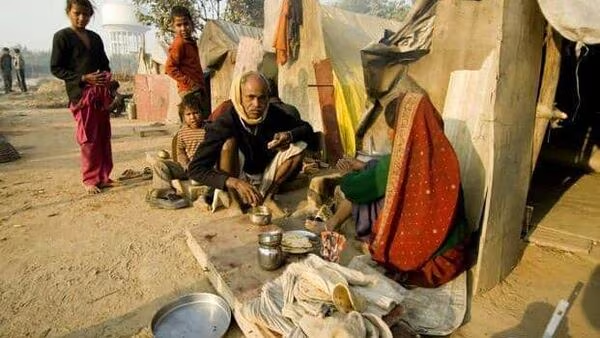
This theme urges three key shifts: from control to care (designing trust-based services), from exclusion to inclusion (involving affected families in decision-making), and from punishment to empowerment (replacing punitive measures with supportive ones). For instance, punitive welfare policies that require excessive documentation can deter families from seeking help, worsening their situation.
By prioritizing families the backbone of society the theme aligns with broader goals like child protection and gender equality. Events in 2025, such as UN panels and global campaigns, will emphasize building trust to allow families to thrive. This approach not only addresses immediate needs but fosters long-term resilience.
Past Themes Related to the Day
Each year, the International Day for the Eradication of Poverty adopts a theme that reflects evolving global priorities. These themes guide discussions and actions, often linking poverty to human rights, dignity, and sustainability. Below is a table listing themes from the past 15+ years, based on official records:
| Year | Theme |
|---|---|
| 2024 | Ending Social and Institutional Maltreatment: Acting together for just, peaceful and inclusive societies |
| 2023 | Decent Work and Social Protection: Putting Dignity in Practice for All |
| 2022 | Dignity for All in Practice: The commitments we make together for social justice, peace, and the planet |
| 2021 | Building Forward Together: Ending Persistent Poverty, Respecting all People and our Planet |
| 2020 | Acting together to achieve social and environmental justice for all |
| 2019 | Acting together to empower children, their families and communities to end poverty |
| 2018 | Coming together with those furthest behind to build an inclusive world of universal respect for human rights and dignity |
| 2017 | Answering the Call of October 17 to end poverty: A path toward peaceful & inclusive societies |
| 2016 | Moving from humiliation and exclusion to participation: Ending poverty in all its forms |
| 2015 | Building a sustainable future: Coming together to end poverty and discrimination |
| 2014 | Leave no one behind: think, decide and act together against extreme poverty |
| 2013 | Working together towards a world without discrimination: Building on the experience and knowledge of people in extreme poverty |
| 2012 | Ending the Violence of Extreme Poverty: Promoting Empowerment and Building Peace |
| 2011 | From Poverty to Sustainability: People at the Centre of Inclusive Development |
| 2010 | From Poverty to Decent Work: bridging the gap |
| 2009 | No theme |
| 2008 | Human Rights and Dignity of People Living in Poverty |
These themes show a progression from general awareness to specific focuses like dignity, inclusion, and environmental justice. They relate to the day by emphasizing collaboration and human-centered approaches, inspiring annual campaigns and policy advocacy.
Global Poverty Statistics in 2025
Despite decades of efforts, poverty remains widespread. According to the World Bank’s June 2025 update, global extreme poverty (living on less than $2.15 a day) is projected at 9.9% in 2025, affecting about 808 million people up from pre-pandemic estimates due to crises like COVID-19, conflicts, and inflation.
Using a $3 a day line, around 817 million were in extreme poverty in 2024, with similar projections for 2025. Sub-Saharan Africa bears the brunt, with over 430 million in extreme poverty. Countries like South Sudan (82.3%), Somalia (79%), and Madagascar (75%) have the highest rates.
Multidimensional poverty encompassing health, education, and living standards affects even more, with 1.1 billion people experiencing it globally. These stats highlight stagnation in progress, with the UN warning that without accelerated action, SDG 1 targets won’t be met by 2030.
Causes of Global Poverty
Poverty stems from a complex web of factors. Here are the top causes, drawn from expert analyses:
- Lack of Resources and Inequality: Unequal access to education, jobs, and assets perpetuates cycles of poverty. Economic systems often favor the wealthy, widening gaps.
- Conflict and War: Wars displace millions, destroy infrastructure, and disrupt economies, as seen in regions like Africa and the Middle East.
- Hunger and Malnutrition: Food insecurity stunts development, reducing productivity and health.
- Inadequate Healthcare: High costs and poor access lead to illness and debt.
- Climate Change and Natural Disasters: Extreme weather disproportionately affects the poor, ruining livelihoods.
- Poor Governance and Discrimination: Corruption, ethnic/gender biases, and weak institutions hinder progress.
- Lack of Education: Without skills, individuals can’t escape low-wage traps.
- High Debt and Economic Slowdowns: Global crises like pandemics exacerbate vulnerabilities.
- Exploitation and Domestic Violence: Social issues trap vulnerable groups.
- Unsafe Water and Sanitation: Leads to frequent illnesses, reducing earning potential.
- Unemployment and Low Wages: Even working poor struggle without fair pay.
Addressing these requires holistic interventions.
Solutions to Eradicate Poverty
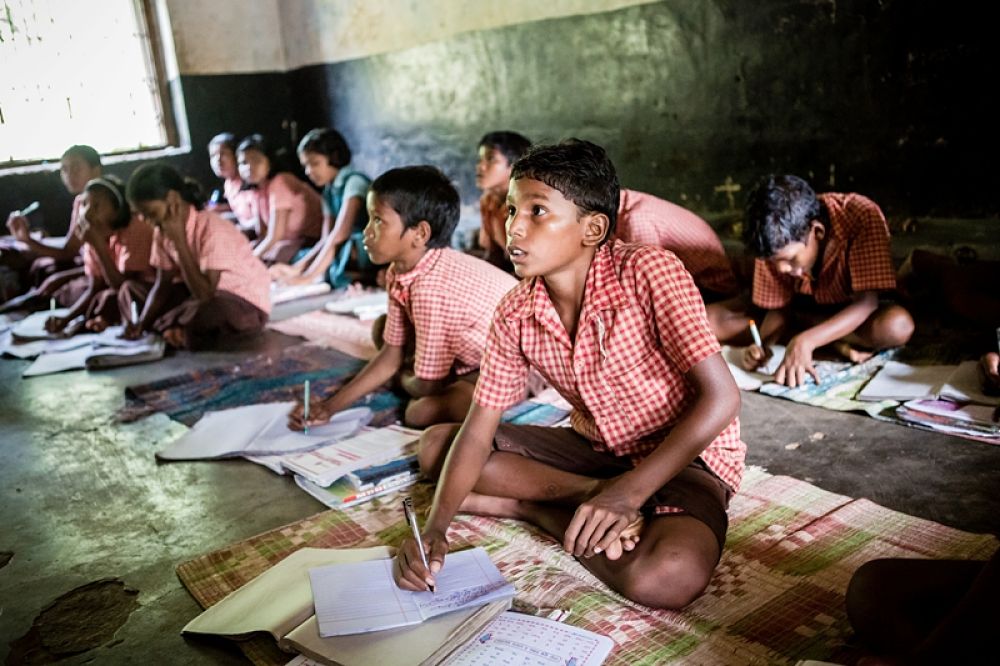
Eradicating poverty demands targeted strategies. Key solutions include:
- Expand Safety Nets: Universal basic income, child tax credits, and social protection programs provide immediate relief.
- Create Good Jobs: Raise minimum wages and promote decent work to meet family needs.
- Educate Children: Access to quality education breaks cycles.
- Provide Clean Water and Nutrition: Ensures health and productivity.
- Improve Healthcare: Affordable access prevents debt from illness.
- Empower Women and Girls: Gender equality boosts economies.
- Policy Reforms: Divest from exploitative policies; invest in the poor.
- Community Involvement: Donate, volunteer, and raise awareness.
These solutions, when implemented, can significantly reduce poverty.
The Role of UN Sustainable Development Goals in Poverty Eradication
The UN’s SDGs, adopted in 2015, place poverty eradication at the forefront with SDG 1: End poverty in all its forms everywhere. Targets include eradicating extreme poverty (below $2.15/day) by 2030, reducing overall poverty by half, and implementing social protection systems.
SDG 1 interconnects with others: SDG 2 (Zero Hunger), SDG 3 (Good Health), SDG 4 (Quality Education), and SDG 5 (Gender Equality). Progress requires multidimensional approaches, including resource mobilization and policy coherence. The UN supports this through initiatives like the Global Accelerator on Jobs and Social Protection, aiming for inclusive growth.
Challenges persist, but SDGs provide a roadmap, with the International Day amplifying calls for action.
How to Observe the International Day for the Eradication of Poverty
Observing the day can be impactful:
- Educate Yourself and Others: Read reports, watch documentaries, and share facts on social media.
- Participate in Events: Join UN webinars, local rallies, or ATD Fourth World activities.
- Donate and Volunteer: Support NGOs like World Vision or Concern Worldwide.
- Advocate for Policy Change: Petition for better wages and social protections.
- Amplify Voices: Listen to stories from those in poverty and promote dignity.
Small actions collective create change.
Conclusion: A World Without Poverty is Possible
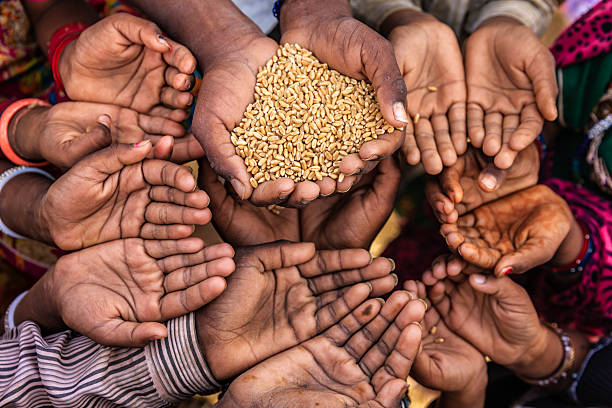
The International Day for the Eradication of Poverty reminds us that ending poverty is achievable through empathy, innovation, and commitment. With themes guiding our focus and SDGs charting the path, we must act now. As Father Wresinski said, uniting to respect rights is our duty. Let’s build a just world for all.
FAQs for the International Day for the Eradication of Poverty
- What is the International Day for the Eradication of Poverty?
It’s a UN-recognized day observed on October 17 to raise awareness about poverty as a human rights violation and promote actions to eliminate it globally. - When was the day established?
The United Nations General Assembly designated October 17 as the International Day for the Eradication of Poverty in 1992, with observances starting in 1993. - Why is October 17 significant?
It marks the 1987 gathering in Paris, where 100,000 people honored poverty victims and declared poverty a human rights issue, led by Father Joseph Wresinski. - What is the 2025 theme?
The 2025 theme is “Ending Social and Institutional Maltreatment: Ensuring Respect and Effective Support for Families Living in Poverty.” - How can I participate in this day?
You can educate others, join events, donate to NGOs, volunteer, advocate for policy changes, or amplify voices of those living in poverty. - What are the main causes of poverty?
Causes include inequality, conflict, hunger, lack of education, poor healthcare, climate change, unemployment, discrimination, and poor governance. - How does the UN contribute to poverty eradication?
Through SDG 1 (No Poverty), the UN promotes social protection, resource access, and policy reforms, supported by initiatives like the Global Accelerator. - What are the current poverty statistics?
In 2025, about 808 million people live on less than $2.15/day, with Sub-Saharan Africa having the highest rates, per World Bank projections. - How does poverty affect families?
Poverty limits access to education, healthcare, and opportunities, often leading to social exclusion and institutional barriers for families. - Why is the 2025 theme focused on families?
It emphasizes families as key to social stability, advocating for trust-based systems that empower rather than stigmatize those in poverty.