


Telangana Manuscript Digitisation Project

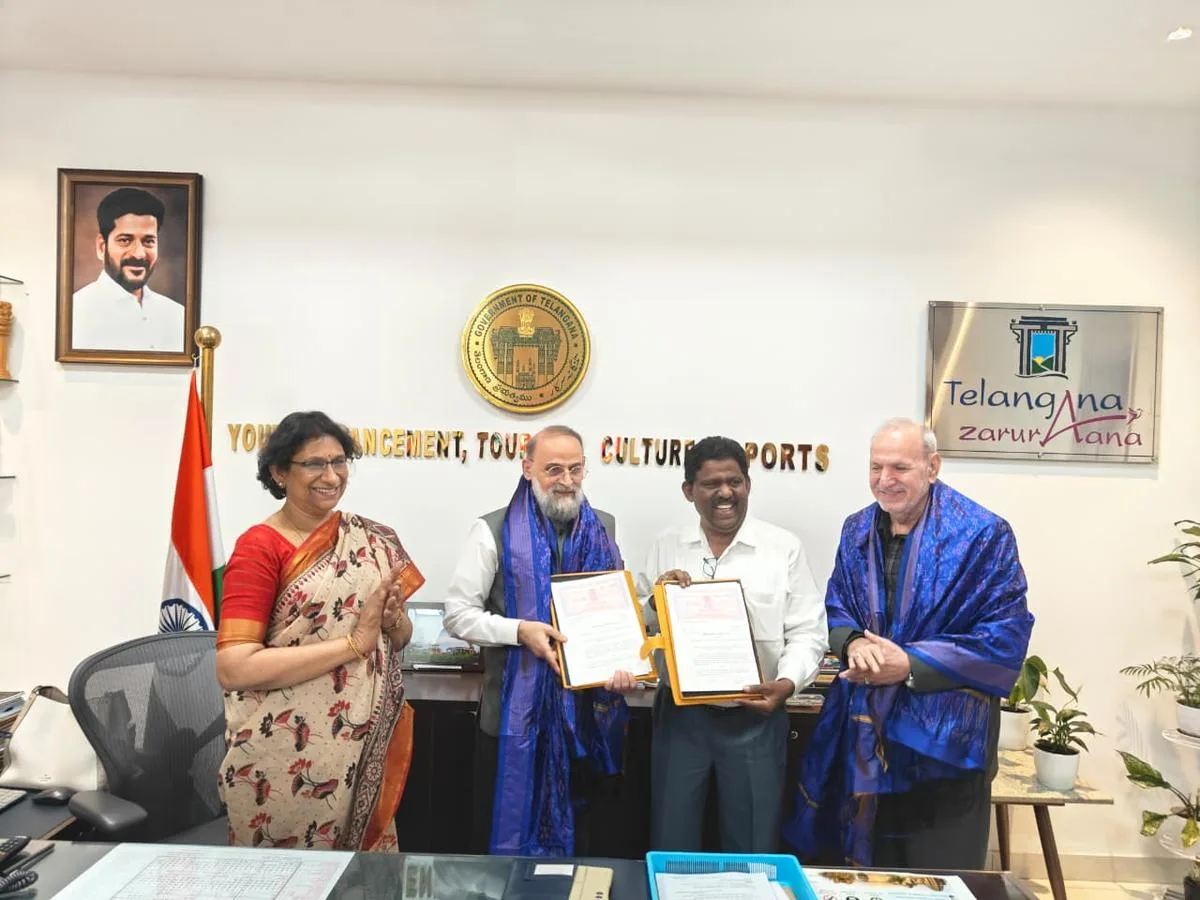
Telangana Manuscript Digitisation is a major cultural initiative launched in Telangana to preserve rare historical records and manuscripts. The state government has partnered with the Noor International Microfilm Centre, linked to the Iran Cultural House in New Delhi, to digitise valuable collections. This step aims to protect centuries-old documents and make them accessible in digital format.
Thank you for reading this post, don't forget to subscribe!The agreement was signed in June 2026 and covers a wide range of historical materials, including manuscripts, paintings, books, and archival records. This project reflects the growing use of technology to safeguard cultural heritage in modern times.
Partnership with Iran for Cultural Preservation
The collaboration involves support from the Government of Iran, which will fund the entire digitisation process. Experts from the Noor International Microfilm Centre will handle scanning, cataloguing, and restoration work.
This partnership highlights strong cultural ties between India and Iran. It also shows how countries can work together to preserve shared historical knowledge and artistic traditions.
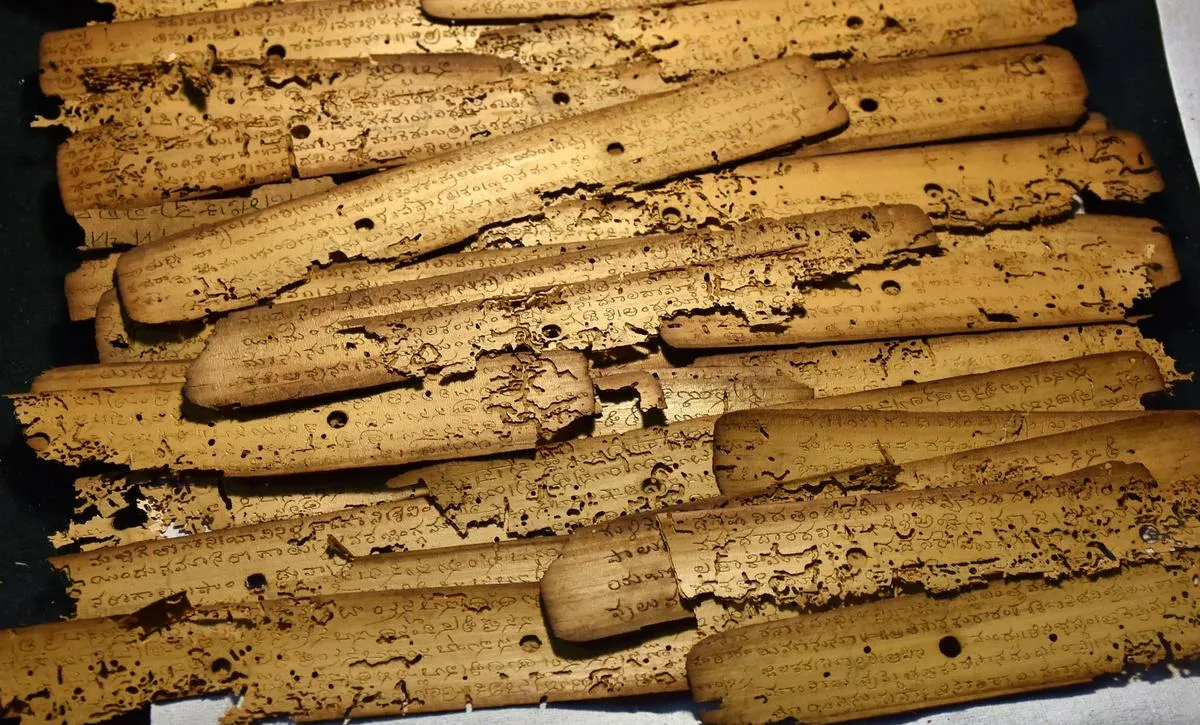
The digitisation work will include materials written in Persian, Urdu, Arabic, and other languages that are part of Telangana’s rich history.
Large Collection of Historical Records
The Telangana Manuscript Digitisation project covers a huge collection of items. These include hundreds of manuscripts, thousands of paintings, and a large number of books and archival records.
Many of these documents are extremely old and fragile. Without proper care, they can be damaged over time. Digitisation helps create safe digital copies that can be stored and accessed without harming the original materials.
This process also makes it easier for researchers, students, and the public to explore historical content online.
Role of Telangana State Archives
The Telangana State Archives and Research Institute plays a key role in this project. Located in Hyderabad, the institute holds millions of documents, many of which date back several centuries.
The archives include records from different historical periods such as the Bahmani, Qutb Shahi, Adil Shahi, and Mughal eras. These documents provide valuable insights into administration, culture, and daily life in the past.
A previous agreement signed in 2022 had already started work on preserving Urdu and Persian manuscripts. The new agreement expands this effort on a larger scale.
Use of Modern and Traditional Techniques
The digitisation process combines modern technology with traditional restoration methods. Experts will scan documents, create digital records, and organise them into searchable formats.
At the same time, special herbal techniques are being used to repair and preserve fragile materials. These methods help extend the life of manuscripts for many more years.
This mix of old and new techniques ensures that the materials are both preserved physically and made available digitally.
Rare and Unique Items in the Collection
The Telangana Manuscript Digitisation project includes several rare and unique items. Some manuscripts feature famous texts like the Ramayana and Bhagavata Mahapurana written in Persian.
There are also Quranic verses written on gold-coated paper and long royal scrolls used in historical administration. These items show the cultural diversity and artistic richness of the region.
Such rare collections are not only important for history but also for understanding cultural connections across regions and communities.
Link with National Initiatives
The project is also connected to the Gyan Bharatam Mission, a national effort to digitise millions of manuscripts across India.
This mission aims to create a large digital library of historical texts, making them accessible to people everywhere. Telangana’s efforts contribute to this larger goal of preserving India’s knowledge heritage.
Digital archives are becoming increasingly important in today’s world, where information can be shared globally in seconds.
Benefits of Digitisation in Modern Times
Digitising manuscripts has many advantages. It protects original documents from damage, reduces the need for physical handling, and allows easy access from anywhere.
Students, historians, and researchers can study these materials without travelling long distances. It also helps in promoting education, research, and cultural awareness.
In the digital age, such projects are essential for keeping history alive and relevant for future generations.

Growing Focus on Cultural Heritage
The Telangana Manuscript Digitisation project reflects a growing focus on preserving cultural heritage using technology. Governments and institutions are investing more in digital tools to protect historical assets.
This initiative also supports tourism and cultural studies by making rare collections more visible and accessible.
As more regions adopt similar projects, digital preservation is becoming a key part of cultural development.