


UNEA-7 Medium-Term Strategy Talks Open in Nairobi

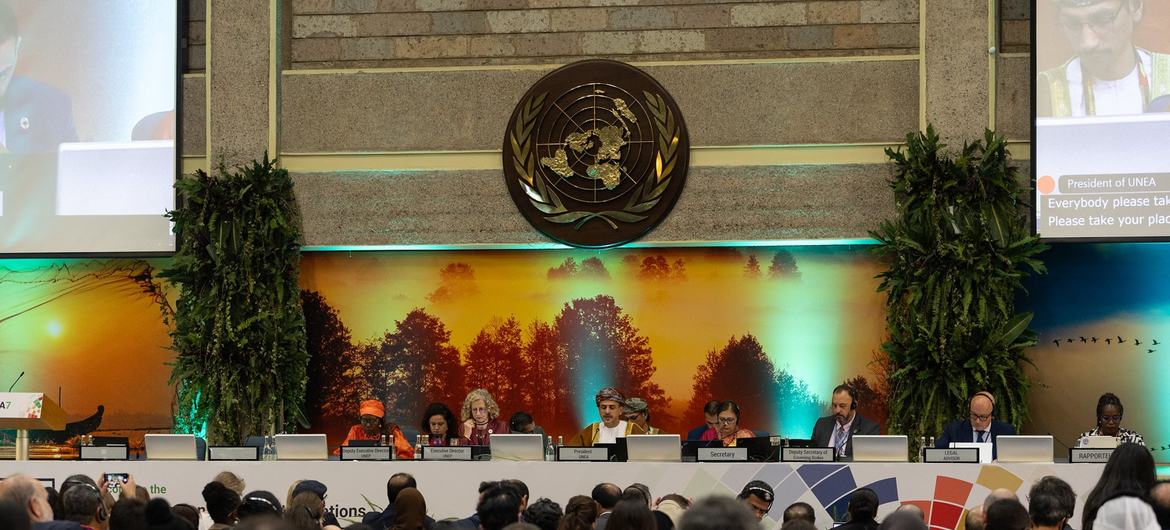
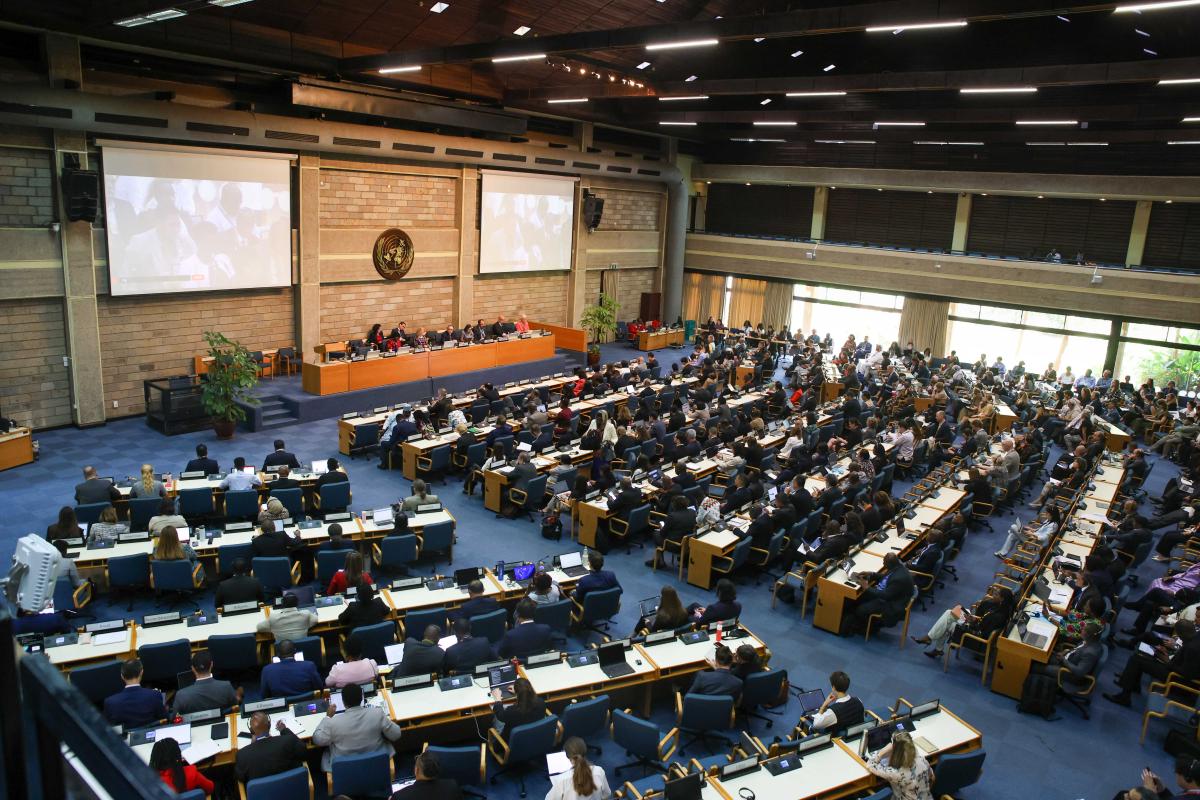
UNEA-7 Medium-Term Strategy discussions have taken center stage as the seventh session of the United Nations Environment Assembly opened in Nairobi amid sharp differences among member states. The high-level gathering, hosted at the headquarters of the UN Environment Programme, has begun under an atmosphere of uncertainty, with governments divided over the future direction of UNEP’s work between 2026 and 2030.
Thank you for reading this post, don't forget to subscribe!The Medium-Term Strategy is a key document that outlines how UNEP will approach major environmental challenges over the next five years. It influences priorities related to climate action, protection of nature, reduction of pollution and restoration of degraded land. Despite years of consultations, the strategy has become a point of disagreement, setting the tone for a tense assembly.
UNEA-7 Medium-Term Strategy at the Heart of Negotiations
At the opening of UNEA-7, diplomats and officials confirmed that talks around the Medium-Term Strategy remain unsettled. Some countries are demanding that the document be reopened for changes, arguing that certain terms and areas need clearer definition. Others believe the strategy should be approved as it stands, warning that further delays could weaken UNEP’s ability to act.
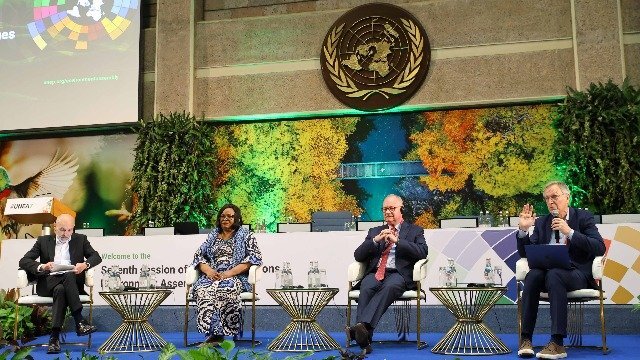
The discussions have been described as fluid, with positions shifting as negotiations continue behind closed doors. The disagreement is not only about wording but also about the scope of UNEP’s role. For many countries, the strategy represents UNEP’s operational foundation, shaping how the organisation responds to interconnected environmental problems across the globe.
UNEA-7 Medium-Term Strategy and UNEP’s Core Mandate
The Medium-Term Strategy defines how UNEP will guide global efforts on issues such as climate change, biodiversity loss, chemical pollution and land degradation. Supporters of the current draft say it reflects scientific urgency and global commitments already made under international agreements.
However, critics argue that some elements may overextend UNEP’s role or lack balance between environmental ambition and national priorities. These differences have slowed progress, raising concerns that UNEA-7 could struggle to deliver clear direction at a time when environmental challenges are intensifying worldwide.
UNEA-7 Medium-Term Strategy Talks Overshadowed by Funding Pressures
Financial constraints have added another layer of complexity to the discussions. UNEP enters the assembly facing serious budget pressure following reduced contributions from several major donors. Cuts from the United States and other countries have resulted in a noticeable drop in both UNEP’s regular budget and its Environment Fund.
These reductions have already affected staffing levels and programme implementation. With fewer resources available, UNEP has been forced to rely more heavily on voluntary and project-based funding, which can limit long-term planning. Many delegates fear that without stable financing, even an agreed strategy may be difficult to carry out effectively.
UNEA-7 Medium-Term Strategy Linked to Programme Uncertainty
The funding situation has influenced how countries view the strategy itself. Some member states argue that ambitious goals must be matched with realistic financial support. Others stress that scaling back ambition due to budget concerns would send the wrong message at a time when environmental risks are growing.
Officials have acknowledged that the gap between expectations and resources is becoming more visible. This tension is shaping negotiations not only on the strategy but also on proposed activities and partnerships for the coming years.
UNEA-7 Medium-Term Strategy Debates Affect Resolution Talks
Beyond the strategy, UNEA-7 is also dealing with a reduced number of active resolutions. Several proposed resolutions were withdrawn before the assembly due to limited backing from member states. Those that remain cover topics such as wildfire management and glacier protection, though their future remains uncertain.
Observers note that political divisions have made it harder to build consensus. Disagreements among countries risk slowing progress on pressing issues including plastic pollution, chemical safety and environmental crime. These topics are closely linked to the Medium-Term Strategy, as they depend on UNEP’s ability to coordinate global action.
UNEA-7 Medium-Term Strategy and Global Political Context
The assembly is taking place during a period of global strain marked by geopolitical tensions and tighter public spending. Many governments are balancing environmental commitments with domestic economic pressures, which has made multilateral cooperation more challenging.
Stakeholders have pointed out that environmental problems do not respect borders and require collective solutions. The debates at UNEA-7 reflect broader questions about how the international community shares responsibility and resources in addressing global environmental risks.
UNEA-7 Medium-Term Strategy Shapes UNEP’s Future Direction
The outcome of negotiations around the Medium-Term Strategy will influence UNEP’s work through the end of the decade. It will determine how the organisation prioritises actions, supports countries and responds to emerging environmental threats.
For developing nations, the strategy is closely tied to technical support, funding access and capacity building. For developed countries, it reflects expectations around accountability, transparency and effective use of resources. Balancing these perspectives has proven difficult, making the Nairobi talks especially significant.
UNEA-7 Medium-Term Strategy Under Global Scrutiny
Civil society groups, environmental experts and international observers are closely watching the proceedings. Many see UNEA-7 as a test of global willingness to strengthen environmental governance during a period of uncertainty.
As negotiations continue, the Medium-Term Strategy remains the central issue shaping discussions, alliances and disagreements. The decisions made during this assembly are expected to influence how environmental challenges are addressed on the global stage in the years ahead.