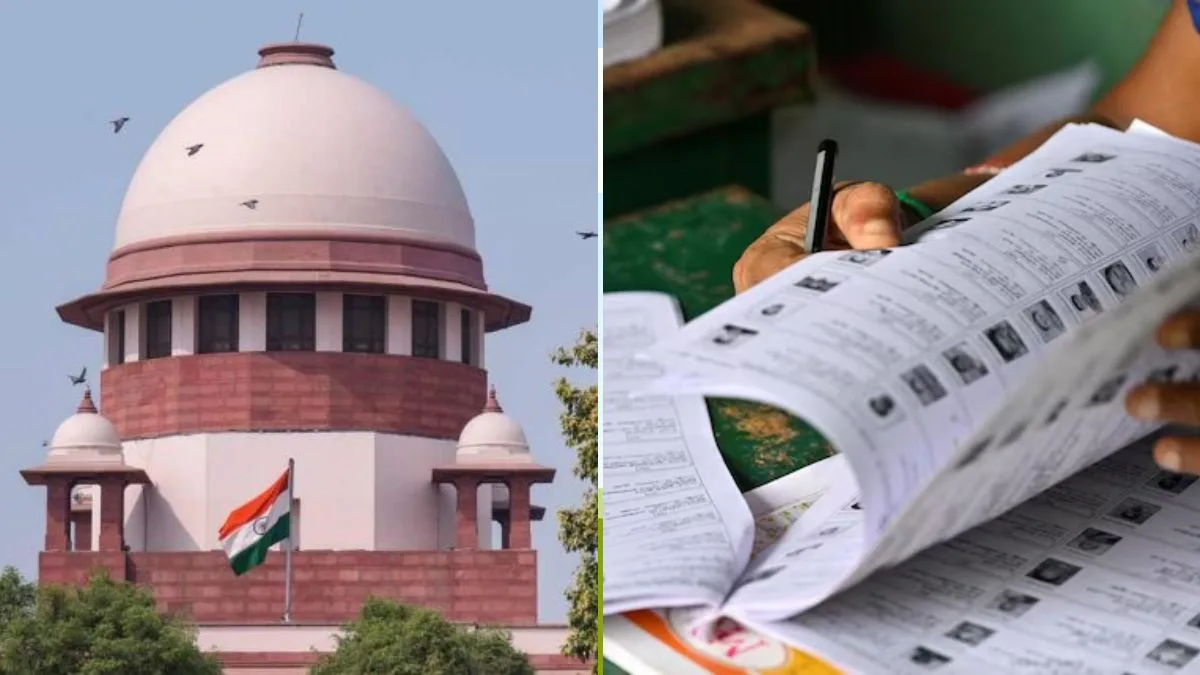
Voting Rights Bengal Dispute: Supreme Court Highlights Electoral Fairness

The Voting Rights Bengal Dispute has drawn national attention after the Supreme Court of India stressed that every person born in India has a constitutional right to remain on the voter list and participate in elections. The observation came on April 14, 2026, during hearings on the Special Intensive Revision (SIR) of voter rolls in West Bengal.
Thank you for reading this post, don't forget to subscribe!Voting as a Core Democratic Right
The Bench led by Surya Kant and Joymalya Bagchi said that voting is not just a legal right but also an important expression of democracy and patriotism. The Court noted that election-related concerns should not weaken basic democratic values.
However, the Court did not give a final ruling on whether people born in India to illegal migrants automatically qualify for voting rights. This question remains open for further legal examination.
Appeals Process Takes Priority
In the Voting Rights Bengal Dispute, the Court refused to allow individuals cleared by appellate tribunals to vote before final decisions. Instead, it asked them to follow proper legal procedures and approach tribunals for faster hearings if needed.
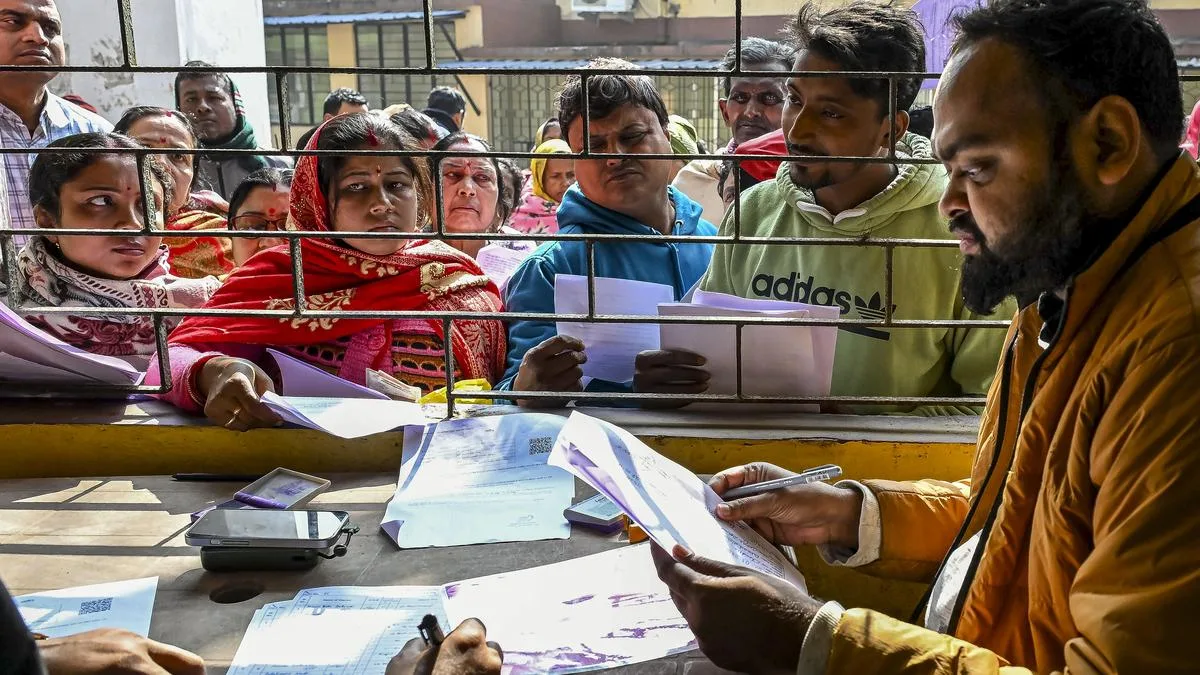
At present, 19 tribunals are handling the cases, with more than 34 lakh appeals filed. This highlights the large scale of the voter list revision process in the state.
Concerns Over Voter Deletions
Justice Bagchi raised concerns that large-scale deletions could impact election results. He pointed out that if voter deletions are much higher than victory margins, it may question the fairness of elections.
The Court also noted that earlier voter lists, such as those from 2002, were not meant to be deeply rechecked. But inconsistencies in identity details led to wider verification under the current process.
Focus on Fairness and Security
The Election Commission of India plays a key role under Article 324 of the Constitution of India, while voting rights are protected under Article 326 of the Constitution of India. The revision of electoral rolls is carried out under the Representation of the People Act, 1950.
The Court clarified that this issue is not a conflict between authorities but about protecting citizens’ voting rights. It also ordered continued security for officials involved in the process, supported by state police and central forces, to ensure smooth and fair proceedings.