Cancer Reprogrammes Immunity: Study Reveals How Tumours Turn Defenders into Allies

A new scientific study has revealed a powerful and surprising fact about how cancer grows inside the human body. Researchers have found that Cancer Reprogrammes Immunity, meaning cancer cells can change the behaviour of immune cells and use them to support tumour growth instead of fighting it. This discovery gives new insight into how cancer progresses and may open the door to better diagnosis and more personalised treatments in the future.
Thank you for reading this post, don't forget to subscribe!The study was led by researchers from the University of Geneva and the Ludwig Institute for Cancer Research. Their findings were published in the scientific journal Cancer Cell. The research focuses on how tumours interact with the immune system and how this interaction can sometimes help cancer spread.
How Cancer Changes the Immune System
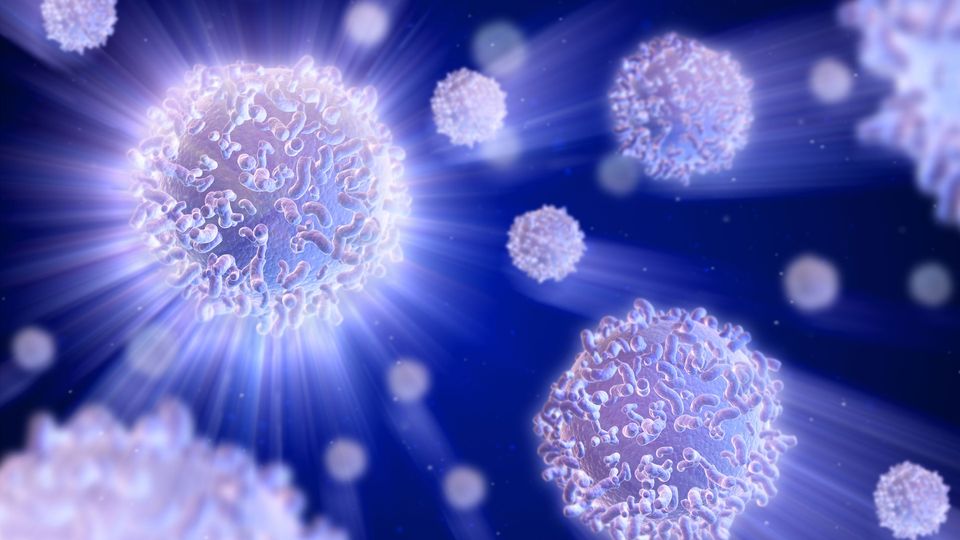
The immune system is designed to protect the body from infections, injuries, and harmful cells. It includes different types of white blood cells that work together to defend against disease. Among these cells are neutrophils, which are the most abundant white blood cells in humans.
Neutrophils are usually the first responders when the body faces infection or injury. They quickly move to the affected area and help destroy harmful bacteria or viruses. However, this new study shows that when neutrophils enter the environment around a tumour, their behaviour can change.
Researchers discovered that tumours can “reprogramme” neutrophils. Instead of attacking cancer cells, these altered neutrophils begin to support tumour growth. This transformation plays an important role in how some cancers grow aggressively.
Neutrophils Turn from Protectors to Promoters
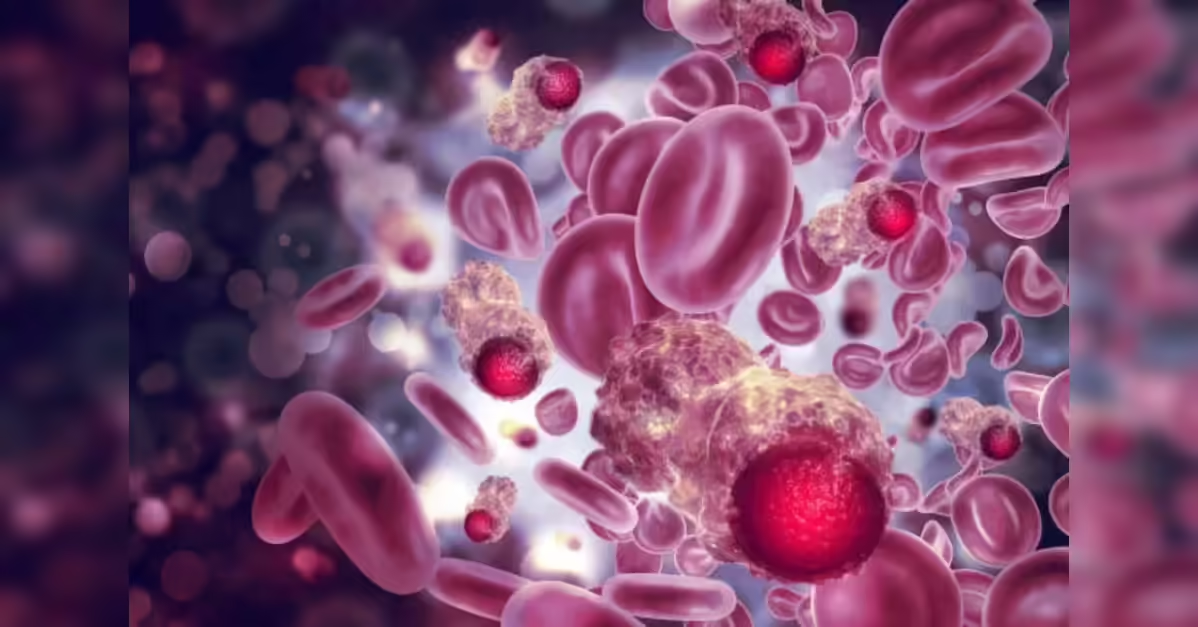
The study closely examined neutrophils inside tumour environments. Scientists observed that these cells undergo functional changes when exposed to signals from cancer cells. In simple terms, the tumour sends signals that confuse the neutrophils and change their natural role.
Instead of protecting the body, the reprogrammed neutrophils start producing substances that encourage tumour growth. This shift is a major reason why some cancers progress more quickly than others.
Lead researcher Mikaël Pittet explained that understanding these changes is very important. Not all tumours behave in the same way. Some grow slowly, while others spread rapidly. By studying how immune cells are altered, scientists can better understand these differences.
The Key Role of CCL3 in Tumour Growth
One of the most important findings of the study is the role of a molecule called CCL3. CCL3 belongs to a group of proteins known as chemokines. Chemokines control the movement and activity of immune cells in the body.
The researchers found that reprogrammed neutrophils produce high levels of CCL3 inside tumours. This molecule plays a major role in promoting cancer growth. It helps create an environment that allows tumours to develop and expand more easily.
Because of this, CCL3 may serve as a biomarker. A biomarker is a measurable substance in the body that can indicate disease progression. If doctors can measure CCL3 levels, they may be able to better predict how aggressive a tumour is and how it might behave over time.
This discovery strengthens the idea that Cancer Reprogrammes Immunity in very specific and measurable ways.
Genetic Control Stops Harmful Behaviour
In another important part of the study, researchers tested what would happen if they controlled the CCL3 gene inside neutrophils. Using advanced genetic methods, they selectively blocked the gene responsible for producing CCL3.
The results were encouraging. Neutrophils without the CCL3 gene still performed their normal immune functions. They continued circulating in the blood and were still able to reach tumour sites. However, they no longer showed tumour-promoting behaviour.
This means that blocking CCL3 did not damage the normal immune response. Instead, it prevented neutrophils from helping the tumour grow. This finding suggests that CCL3 could be a promising target for future cancer treatments.
If therapies can be developed to block or reduce CCL3, doctors may be able to slow down tumour growth without weakening the patient’s immune system.
Understanding the Tumour Microenvironment
The study also highlights the importance of the tumour microenvironment. This term refers to the area around a tumour, including immune cells, blood vessels, and other surrounding tissues.
Cancer does not grow alone. It interacts constantly with its environment. The tumour microenvironment plays a major role in shaping how cancer develops and spreads. When immune cells enter this environment, they can be influenced and reprogrammed.
By re-analysing data from multiple independent studies, researchers suggest that tumour progression may depend on a limited number of biological factors. If scientists can identify and measure these key variables, they may better predict how a cancer will behave in different patients.
Implications for Personalised Cancer Treatment
The discovery that Cancer Reprogrammes Immunity has important implications for future cancer care. If doctors can identify the immune changes happening inside a tumour, they may be able to design more personalised treatments.
For example, patients with high CCL3 levels may benefit from therapies that target this molecule. Others may need different approaches depending on their tumour’s specific immune profile.
Personalised medicine focuses on tailoring treatment based on an individual’s unique biological characteristics. This study moves cancer research one step closer to that goal.
Understanding how immune cells are altered also helps explain why some patients respond well to certain therapies while others do not. By studying immune reprogramming, researchers can develop better strategies to improve treatment outcomes.
A New Direction in Cancer Research
This research provides strong evidence that the immune system can be manipulated by cancer in complex ways. Neutrophils, once thought to only defend the body, can become supporters of tumour growth under certain conditions.
The identification of CCL3 as a key molecule offers a clear direction for future studies. It may serve as both a marker of disease progression and a target for new treatments.
As scientists continue to explore how Cancer Reprogrammes Immunity, the hope is to transform this knowledge into practical tools for doctors and patients. With better understanding comes better prediction, improved therapies, and more effective cancer management strategies in the years ahead.