RSS Kashmir-Kanyakumari March: Nationwide Flag Outreach Begins During Centenary Year

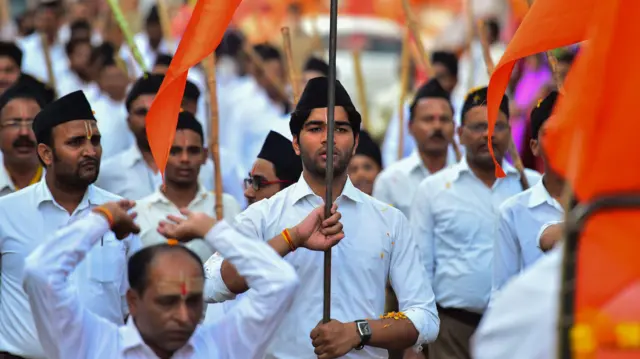
The RSS Kashmir-Kanyakumari March began on 6 February as the Rashtriya Swayamsevak Sangh (RSS) launched a nationwide flag outreach from Kashmir to Kanyakumari during its centenary year. This large-scale initiative is being presented as a symbolic journey to connect with citizens across India and directly share the organisation’s vision, history, and activities.
Thank you for reading this post, don't forget to subscribe!The march covers the entire length of India, from the northern region of Kashmir to the southern tip at Kanyakumari. Through this initiative, the RSS hopes to increase public interaction and address long-standing perceptions about its ideology and activities.
Purpose Behind the RSS Kashmir-Kanyakumari March
According to RSS leaders, the main goal of the march is to remove misunderstandings about the organisation. Over the years, the RSS has often been discussed in political and social debates. By organising this large-scale march, the group aims to present its views openly and directly to people in different states.
Volunteers, known as swayamsevaks, are expected to travel along the route and meet local communities. They will interact with citizens, hold small gatherings, and explain the organisation’s social service activities. The RSS says that the march is not only about visibility but also about listening to people’s concerns and building stronger connections at the grassroots level.
The route itself carries strong symbolism. Kashmir represents the northernmost region of the country, while Kanyakumari is the southernmost point of mainland India. By connecting these two locations, the RSS wants to send a message of national unity and cultural continuity.
Marking 100 Years of the RSS
The RSS was founded in 1925 in Nagpur by Dr. Keshav Baliram Hedgewar. This year marks 100 years since its formation. Over the decades, the organisation has expanded its presence across India through daily shakhas, educational activities, and social service programmes.
The centenary year is being observed with several events across the country. These include public meetings, cultural programmes, and discussions about the organisation’s history and contributions. The RSS Kashmir–Kanyakumari March is one of the major highlights of this milestone year.
Leaders of the organisation have described the centenary as a time for reflection as well as renewed commitment. They say it is an opportunity to look back at the journey of the past 100 years and also plan for the future.
Community Interaction and Outreach
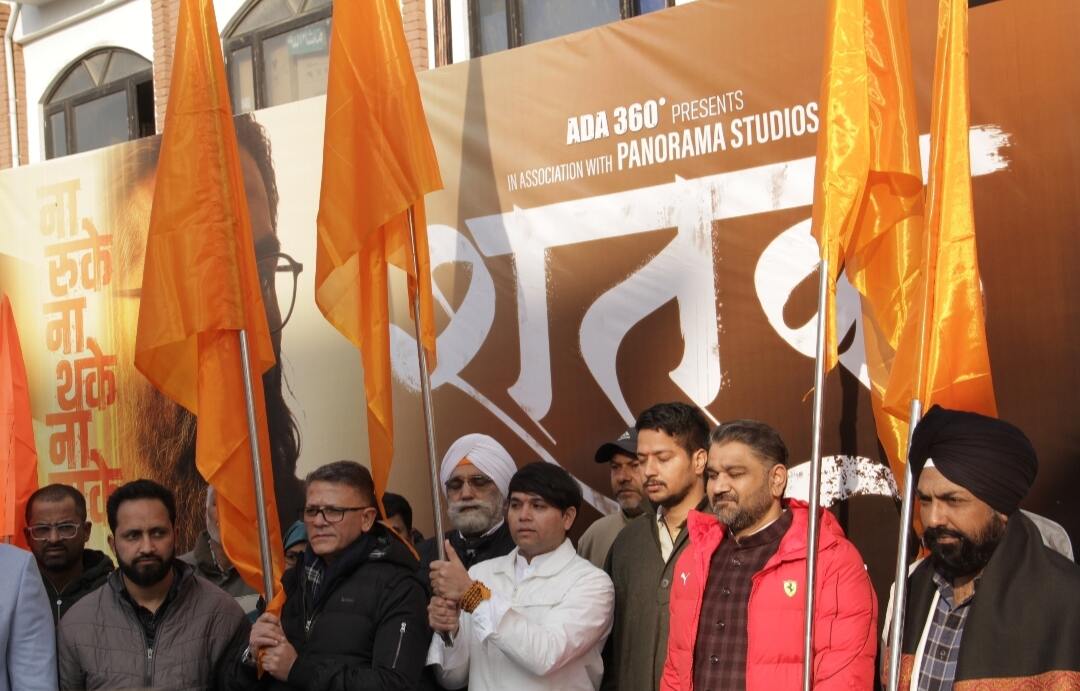
During the march, RSS volunteers are expected to visit towns and villages along the route. The organisation says it wants to focus on direct engagement rather than only formal speeches. Small gatherings and one-on-one conversations are being encouraged.
The RSS has often described itself as a cultural and social organisation that works for nation-building. Its volunteers are involved in activities such as disaster relief, educational initiatives, rural development projects, and health camps. Through the march, the organisation wants to highlight these efforts.
Supporters believe that such a large public initiative will help people understand the RSS better. They see it as a transparent way to communicate its ideas and respond to criticism.
Film “Shatak” and Historical Reflection
As part of the centenary celebrations, filmmaker Veer Kapoor has produced a film titled “Shatak.” The film is scheduled for release on 19 February. It focuses on stories connected to the 1947 Kashmir conflict.
The film pays tribute to RSS workers, local Kashmiri citizens, and Indian Army personnel who lost their lives during that period. It aims to present lesser-known personal stories and highlight themes of sacrifice and dedication to the nation.
The year 1947 was a significant moment in Indian history. After India’s independence and partition, Kashmir became a major conflict zone. The film “Shatak” seeks to revisit that period and connect it with the broader narrative of national service.
By combining the RSS Kashmir–Kanyakumari March with cultural projects like this film, the organisation appears to be presenting both a forward-looking and historical message during its centenary year.
Political and Social Reactions
The RSS holds an important place in India’s socio-political landscape. Its activities often draw attention from political parties, civil society groups, and observers.
Supporters of the organisation see the march as a positive step. They argue that public engagement and open interaction are healthy for democracy. According to them, the RSS is using the centenary year to strengthen bonds across regions and communities.
Critics, however, continue to examine the ideological message behind the march. Some have questioned whether the initiative is purely cultural or whether it also carries political meaning. The RSS maintains that it is a social and cultural body focused on national unity.
Despite differing views, the scale of the RSS Kashmir–Kanyakumari March has ensured that it remains in public discussion. The symbolic journey from north to south has attracted attention in many states.
A Journey Across the Nation
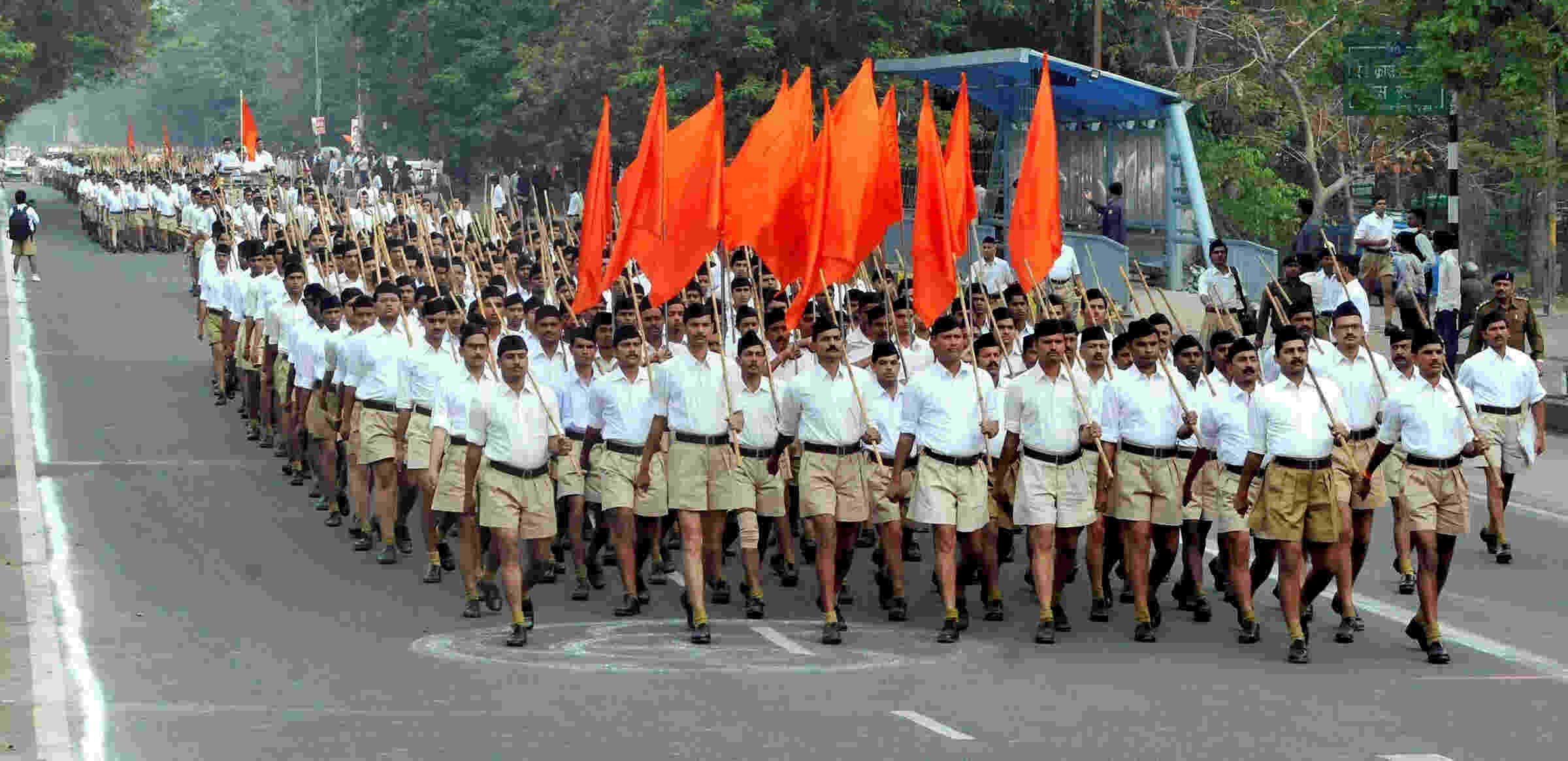
The march from Kashmir to Kanyakumari represents more than just physical distance. It reflects the idea of unity across diverse cultures, languages, and traditions. India is known for its vast diversity, and initiatives that connect distant regions often carry strong symbolic value.
For the RSS, this march is both a celebration of its 100-year history and a message about its vision for the future. By travelling across the country, meeting people, and organising events, the organisation is trying to strengthen its presence and public understanding.
As the centenary year continues, more programmes are expected to take place in different parts of India. The RSS Kashmir-Kanyakumari March stands out as one of the most visible and wide-reaching efforts during this historic milestone.