



RailTech Policy & e-RCT Digitisation Announced to Modernise Indian Railways

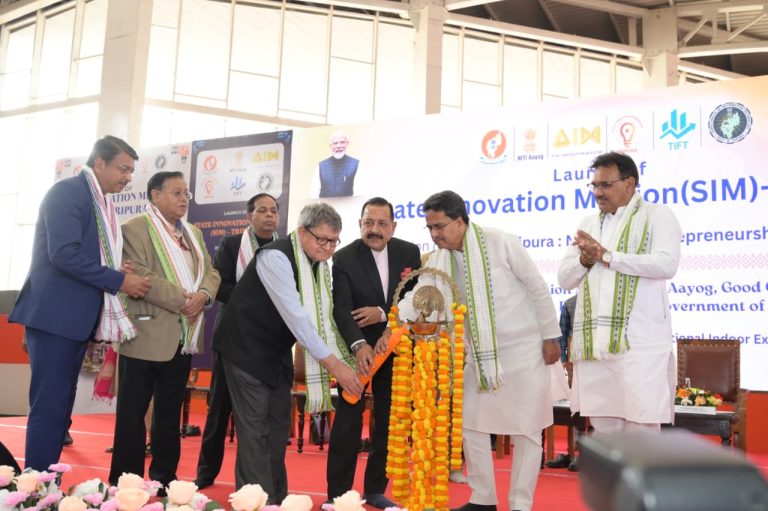
In a major push towards technology-driven governance, RailTech Policy & e-RCT Digitisation has been announced by Ashwini Vaishnaw, Union Minister for Railways, Information & Broadcasting, and Electronics & IT. The reforms are part of Indian Railways’ initiative “52 Reforms in 52 Weeks”, aimed at modernising railway operations and improving services for citizens across the country.
Thank you for reading this post, don't forget to subscribe!RailTech Policy to Boost Innovation in Railways
The RailTech Policy & e-RCT Digitisation initiative introduces a structured approach to bring advanced technologies into the railway system. The policy encourages participation from startups, innovators, research institutions and industry experts.
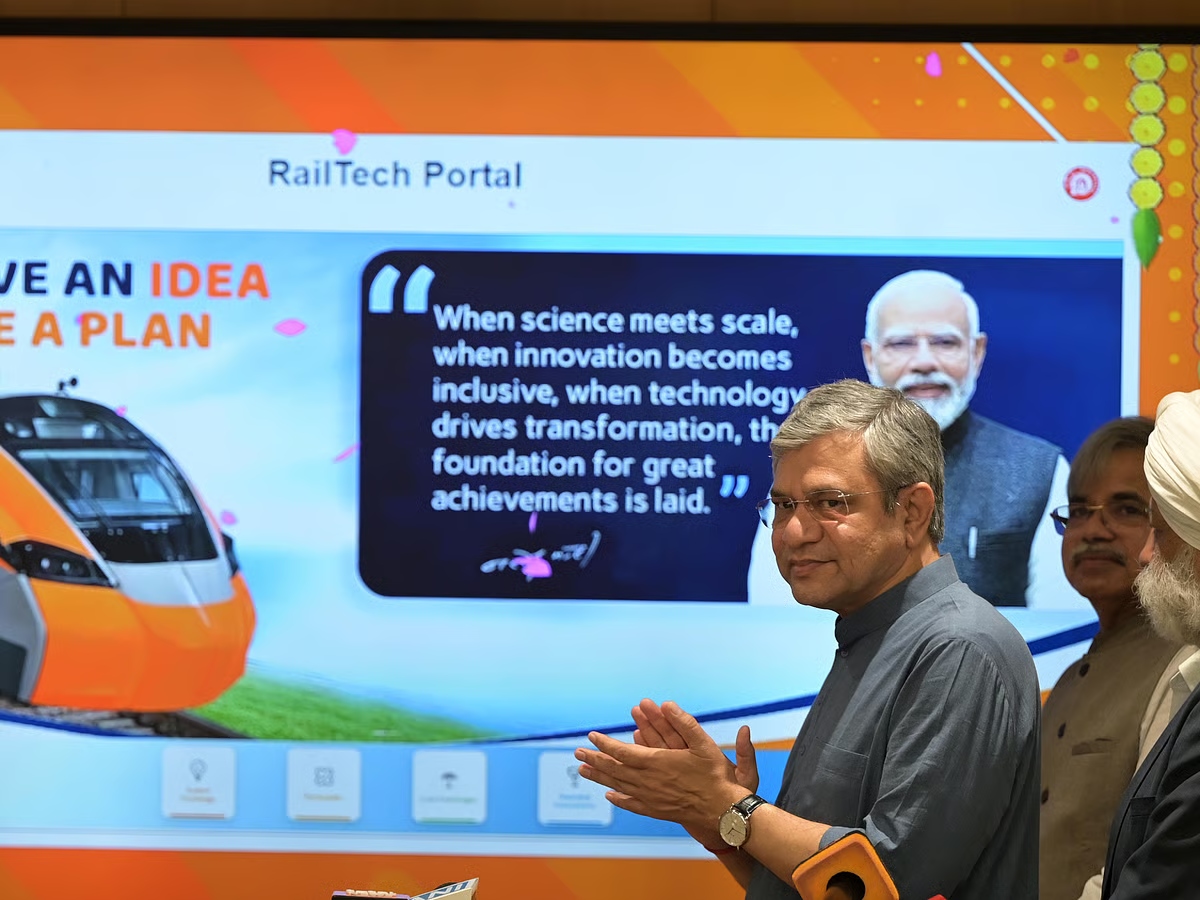
A dedicated RailTech Portal will allow innovators to submit their ideas through a simple, single-stage process. This platform will help identify solutions that can improve railway safety, efficiency and passenger services.
Financial support for innovation has also been increased. The maximum grant for prototype development and trials has been doubled, while scale-up grants have been increased more than three times. Once a technology proves successful, it may receive long-term orders for wider implementation across the railway network.
Key Technology Areas Under RailTech Policy
The new policy focuses on several emerging technologies that can improve railway operations and safety. Some of the key innovation areas include:
- AI-based elephant intrusion detection systems to prevent train accidents
- AI-enabled fire detection in train coaches
- Drone-based systems for detecting broken railway tracks
- Rail stress monitoring technology
- Sensor-based load calculation devices
- Solar panels installed on railway coaches
- AI-based monitoring for coach cleaning
- Fog obstruction detection systems
- Digital pension and dispute resolution systems
To support these innovations, railways may fund up to 50% of development costs for promising technological solutions. After successful trials, the projects can be adopted on a large scale.
The framework draws inspiration from initiatives like Innovations for Defence Excellence (iDEX), which promotes innovation in the defence sector.
e-RCT Digitisation for Faster Claim Processing
Another important reform under RailTech Policy & e-RCT Digitisation is the complete digitisation of the Railway Claims Tribunal.
The tribunal, established under the Railway Claims Tribunal Act, 1987, handles compensation claims related to railway accidents and disputes involving goods transportation.
With 23 benches across 21 cities, claim filing earlier required physical visits and sometimes caused confusion about jurisdiction.
The newly launched e-RCT system enables fully online services, allowing citizens to file claims 24×7 from anywhere in India. The system includes e-filing, a centralised Case Information System and a Document Management System for smooth digital operations.
Transparent and Accessible Justice System
The RailTech Policy & e-RCT Digitisation reform also introduces paperless functioning, hybrid hearings and digital recording of evidence. Citizens will be able to access case updates, orders and judgments online.
Automated workflows, digital notifications and secure record management are expected to reduce delays and improve transparency. The reform will also reduce travel costs for claimants and make the process more convenient.
If the system proves successful, similar digital transformation models could be implemented in other tribunals in the future.