


Celebrating International Literacy Day: Why Reading and Writing Matter for Everyone

Introduction to International Literacy Day
Every year on 8 September, the world comes together to mark International Literacy Day. This special day reminds us how important it is for everyone—children and adults—to be able to read, write, and understand information. Being literate is more than knowing letters; it’s about having the freedom to learn, think, and take part in the world around us.
Thank you for reading this post, don't forget to subscribe!What Is International Literacy Day?
International Literacy Day began in 1966, when UNESCO declared 8 September a day to highlight the importance of literacy around the world. Since then, people everywhere—schools, governments, communities—have taken part in celebrations and projects to help more people learn to read and write.
Why Does International Literacy Day Matter?
Let’s look at why this day—and literacy itself—is so powerful:
Personal Growth and Freedom
Learning to read opens a world of books, stories, knowledge, and imagination. Writing helps you express your thoughts, ideas, and dreams clearly.
Better Opportunities
When people can read and write, they can find better jobs, earn more money, and help their families have a better life.
Stronger Communities
When more people are literate, communities become healthier and safer. People make smarter choices about health, money, and the environment.
Fairness and Equality
Sadly, many adults can’t read or write. UNESCO estimates that in 2024, around 739 million youth and adults lacked basic literacy skills globally UNESCO. Nearly 754 million adults still couldn’t read or write, most of whom were women UNESCO UISUNESCO. This shows how important literacy is for fairness, especially for girls and women.
What Is the Theme of International Literacy Day 2025?
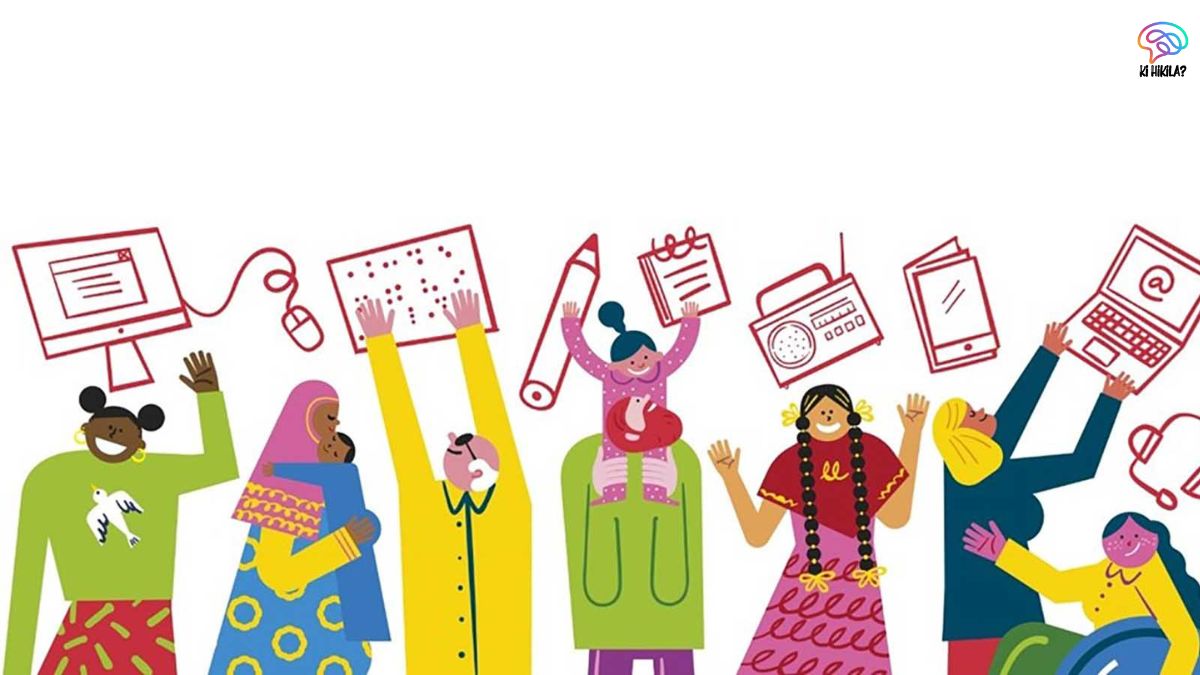
For 2025, International Literacy Day focuses on “Promoting literacy in the digital era.” This means teaching how to read and write in today’s world, where computers, phones, and the internet are everywhere UNESCO+1GCED Clearinghouse.
Digital literacy means not just reading texts on paper but also:
- Using screens safely and responsibly.
- Finding and understanding digital information.
- Thinking critically about what you see online.
Digital tools can help more people learn—but only if they know how to use them well.
Global Facts About Literacy Today
Here are some important numbers to understand where the world stands:
- The global literacy rate for people aged 15 and over is about 86.3% World Population
- Males have a literacy rate of around 90%, while females are at 82.7% World Population
- Despite progress, millions remain illiterate. Around 771 to 775 million adults worldwide cannot read or write Broken ChalkWorld Literacy Foundation.
- In India, the literacy rate in 2023–24 was around 80.9%—with men at 88% and women at 81% Wikipedia. Yet many children still struggle to read by age 10—about 73% in developing countries cannot understand a simple text The Times of India.
How Is International Literacy Day Celebrated?
People celebrate in many meaningful ways:
- Awareness Events: Schools, libraries, and communities talk about how literacy changes lives.
- Reading and Writing Activities: Storytelling, poster making, and writing competitions are held in classrooms.
- Digital Learning Programs: Workshops help people use reading apps, educational websites, or digital games.
- Policy Talks: Experts gather to plan actions that help everyone learn.
- Global Events: UNESCO hosts a big event at its headquarters in Paris on 8 September 2025 to celebrate and award literacy programs UNESCOGCED Clearinghouse.
Challenges to Improving Literacy
Even today, many obstacles make it hard for people to learn:
- Poverty keeps children out of school.
- Gender Inequality restricts education, especially for girls.
- Digital Divide means some people miss out on online learning tools.
- Learning Poverty: In many countries, children go to school but still leave without reading skills The Times of India.
- Conflict and Remote Areas: Wars and lack of school infrastructure also block learning.
How You Can Take Part on International Literacy Day
You can make a difference! Here are simple ways:
- Donate Books or School Supplies: Share with kids who need them.
- Volunteer to Teach: Even a little help goes a long way.
- Encourage Digital Skills: Show others how to use reading apps or educational websites.
- Speak Up for Girls’ Literacy: Support girls going to school and learning like everyone else.
- Celebrate Locally: Read together, host a reading club, or share your favorite stories at home.
International Literacy Day reminds us that literacy is a human right, not a privilege. Reading and writing give us knowledge, freedom, and the ability to participate in life. By focusing on “Promoting literacy in the digital era,” we can help everyone—children and adults—gain the skills they need to succeed in our fast-changing world.
FAQs on International Literacy Day
Q1. When is International Literacy Day celebrated?
A1. International Literacy Day is celebrated every year on 8th September.
Q2. Who started International Literacy Day?
A2. UNESCO (United Nations Educational, Scientific and Cultural Organization) started International Literacy Day in 1966.
Q3. What is the theme of International Literacy Day 2025?
A3. The theme of International Literacy Day 2025 is “Promoting literacy in the digital era.”
Q4. Why do we celebrate International Literacy Day?
A4. We celebrate International Literacy Day to remind the world that reading and writing are basic rights and to promote education for all.
Q5. What does literacy mean in International Literacy Day?
A5. Literacy means the ability to read, write, and understand information. In today’s world, it also includes digital skills.
Q6. How is International Literacy Day celebrated worldwide?
A6. International Literacy Day is celebrated with awareness campaigns, reading programs, workshops, digital literacy events, and book donations.
Q7. What are some challenges discussed on International Literacy Day?
A7. Challenges include poverty, gender inequality, lack of teachers, digital divide, and children not learning to read even after attending school.
Q8. How many people are still illiterate according to International Literacy Day reports?
A8. Around 771 to 775 million adults in the world are still illiterate, most of them being women.
Q9. How does International Literacy Day connect with the Sustainable Development Goals?
A9. International Literacy Day supports the United Nations’ Goal 4: Quality Education, which focuses on ensuring inclusive and lifelong learning for all.
Q10. What can individuals do on International Literacy Day?
A10. Individuals can celebrate International Literacy Day by donating books, volunteering to teach, encouraging girls’ education, and promoting digital literacy.