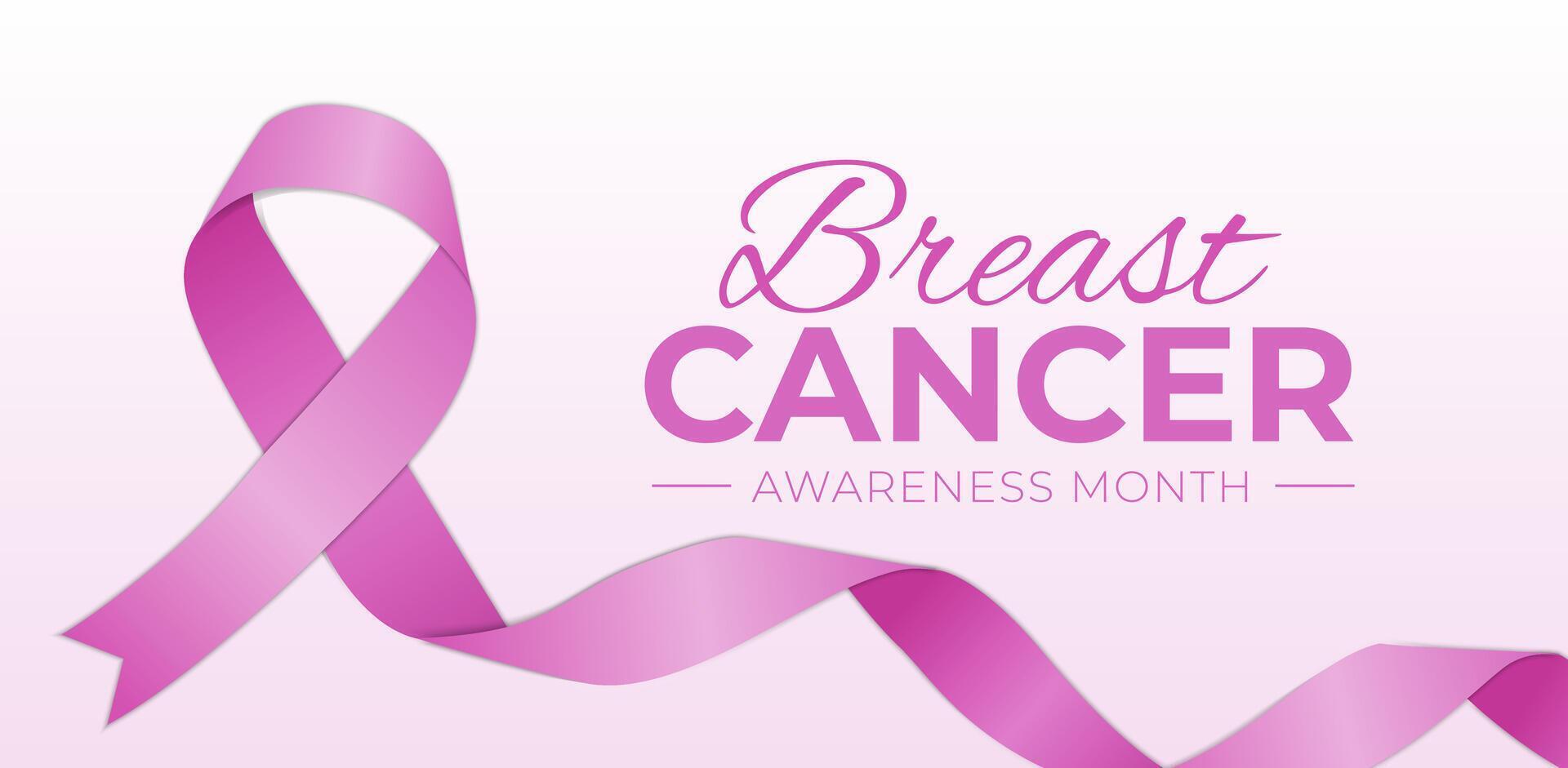

October is globally recognized as Breast Cancer Awareness Month, a time when the world turns pink to honor survivors, support those battling the disease, and spread awareness about early detection.
Breast cancer is not just a medical condition; it’s an emotional and physical journey that touches millions of lives across the globe. It can affect any woman, regardless of her background, though early screening and lifestyle changes can significantly reduce the risks.
Despite medical advances, breast cancer remains one of the most common cancers among women. The good news is that survival rates have greatly improved due to awareness campaigns, better screening, and improved treatments. This blog aims to explain everything you need to know about breast cancer, from its signs and causes to preventive measures and emotional care, all in one place.
What Exactly Is Breast Cancer?
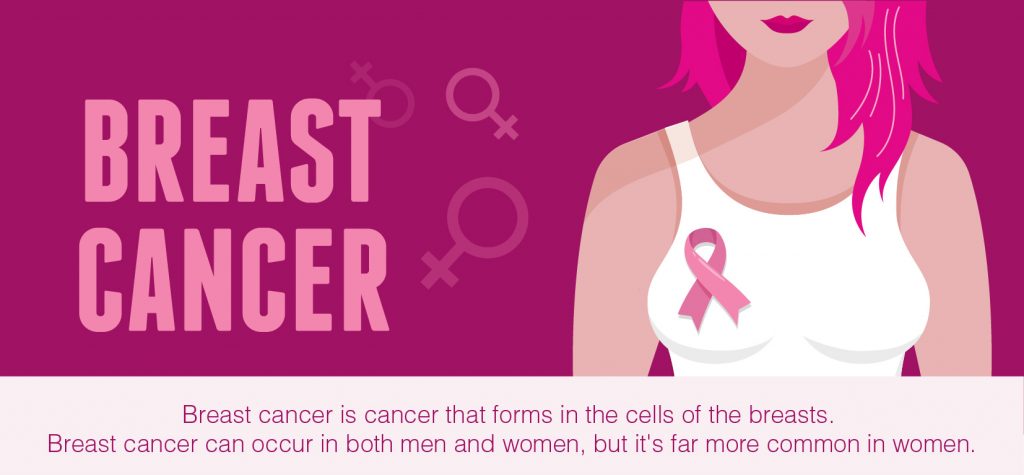
Breast cancer occurs when cells in the breast grow uncontrollably. These abnormal cells form a lump or mass that may invade surrounding tissues or spread (metastasize) to other parts of the body.
It usually starts in the ducts that carry milk to the nipple or in the lobules, which produce milk.
Main Types of Breast Cancer
- Ductal Carcinoma in Situ (DCIS):
A non-invasive form where abnormal cells are confined within the milk ducts and haven’t spread to nearby tissue. - Invasive Ductal Carcinoma (IDC):
The most common type of cancer starts in the milk ducts but invades surrounding breast tissue. - Lobular Carcinoma:
Begins in the lobules (milk-producing glands). It can spread to other areas of the breast or body if untreated. - Triple-Negative Breast Cancer:
Lacks estrogen, progesterone, and HER2 receptors, making it more aggressive and harder to treat. - HER2-Positive Breast Cancer:
Has excessive HER2 protein; targeted therapies can be very effective for this type. - Inflammatory Breast Cancer:
A rare but aggressive form that causes redness, swelling, and a warm feeling in the breast.
What Causes Breast Cancer?
Breast cancer develops due to genetic, hormonal, and environmental factors. While some causes are beyond our control, understanding them helps in prevention.
Common Causes and Risk Factors
- Genetics:
Mutations in the BRCA1 and BRCA2 genes greatly increase the risk. A family history of breast or ovarian cancer can also play a role. - Age and Gender:
Risk increases with age and is more common in women. - Hormonal Factors:
Early menstruation, late menopause, and hormone replacement therapy may increase exposure to estrogen, a hormone linked to some cancers. - Lifestyle Choices:
Poor diet, lack of exercise, smoking, and excessive alcohol consumption can all contribute. - Obesity:
Especially after menopause, being overweight increases estrogen levels, leading to a higher risk. - Radiation Exposure:
Previous radiation therapy to the chest can increase future risk.
Early Warning Signs You Should Never Ignore
Detecting breast cancer early can save lives. Awareness of symptoms helps in early diagnosis and timely treatment.
Common Symptoms Include:
- A new lump or thickening in the breast or underarm area.
- Change in breast shape, size, or contour.
- Dimpling, redness, or scaling on the skin.
- Nipple retraction or discharge (especially if bloody).
- Pain or swelling in any part of the breast.
- Persistent itchiness or rash near the nipple.
- A change that feels different from the surrounding breast tissue.
Tip: Many breast lumps are non-cancerous, but they should always be checked by a doctor to rule out any possibility.
The Importance of Screening and Early Detection
The earlier breast cancer is detected, the better the outcome. Screening tests can identify cancer before symptoms appear.
Recommended Screening Methods
- Mammogram:
X-ray imaging that can detect small tumors invisible to the naked eye. Recommended annually or biennially after age 40. - Breast Ultrasound:
Useful for examining dense breast tissue and differentiating between solid and fluid-filled lumps. - MRI (Magnetic Resonance Imaging):
Suggested for high-risk women or those with a strong family history. - Clinical Breast Exam (CBE):
Performed by healthcare professionals to check for any unusual changes. - Self-Breast Exam (SBE):
Helps women become familiar with their breasts’ normal appearance and feel, so they can easily detect changes.
How Is Breast Cancer Diagnosed?
When screening shows an abnormality, further tests confirm the diagnosis.
Diagnostic Tests
- Biopsy:
A small tissue sample is taken for microscopic analysis to confirm if cancer cells are present. - Receptor Tests:
Determines whether cancer cells have hormone receptors (ER, PR, or HER2), helping doctors choose the best treatment. - Staging Tests:
CT scans, bone scans, or PET scans identify whether cancer has spread beyond the breast.
Treatment Options for Breast Cancer
Breast cancer treatment depends on its type, stage, and the patient’s overall health. Most patients receive a combination of treatments.
1. Surgery
- Lumpectomy: Removes the tumor and some surrounding tissue.
- Mastectomy: Removes one or both breasts.
- Reconstructive Surgery: Rebuilds the breast’s shape after mastectomy.
2. Radiation Therapy
Uses high-energy rays to kill cancer cells left after surgery and reduce recurrence risk.
3. Chemotherapy
Drugs that destroy rapidly growing cells. It can be given before surgery (to shrink tumors) or after (to prevent recurrence).
4. Hormone Therapy
Used for hormone-receptor-positive cancers. It blocks estrogen or progesterone, slowing cancer growth.
5. Targeted Therapy
Drugs like trastuzumab (Herceptin) target specific molecules in HER2-positive cancers.
6. Immunotherapy
Boosts the immune system to recognize and fight cancer cells more effectively. Often used for triple-negative breast cancers.
Side Effects and Coping Mechanisms

Treatment can cause physical and emotional side effects. Awareness and support make the journey easier.
Common Side Effects
- Fatigue
- Hair loss
- Nausea
- Skin irritation from radiation
- Hormonal changes (menopause symptoms)
- Emotional stress and anxiety
Coping Tips
- Maintain a balanced diet rich in fruits, vegetables, and lean proteins.
- Stay active with light exercise or yoga.
- Join support groups or counseling sessions.
- Practice meditation or deep breathing for emotional balance.
- Seek help from family, friends, or therapists when needed.
The Role of Family and Emotional Support
Breast cancer doesn’t only affect the patient; it impacts the entire family. Support plays a key role in recovery.
- Emotional Understanding:
Listening and providing comfort help patients feel less isolated. - Practical Help:
Offering rides to appointments, meal prep, or help with daily tasks can make a big difference. - Encouragement:
Positive words and reassurance build hope and resilience during treatment. - Support Groups:
Connecting with others going through similar experiences reduces loneliness and fear.
Living a Healthy Lifestyle for Prevention
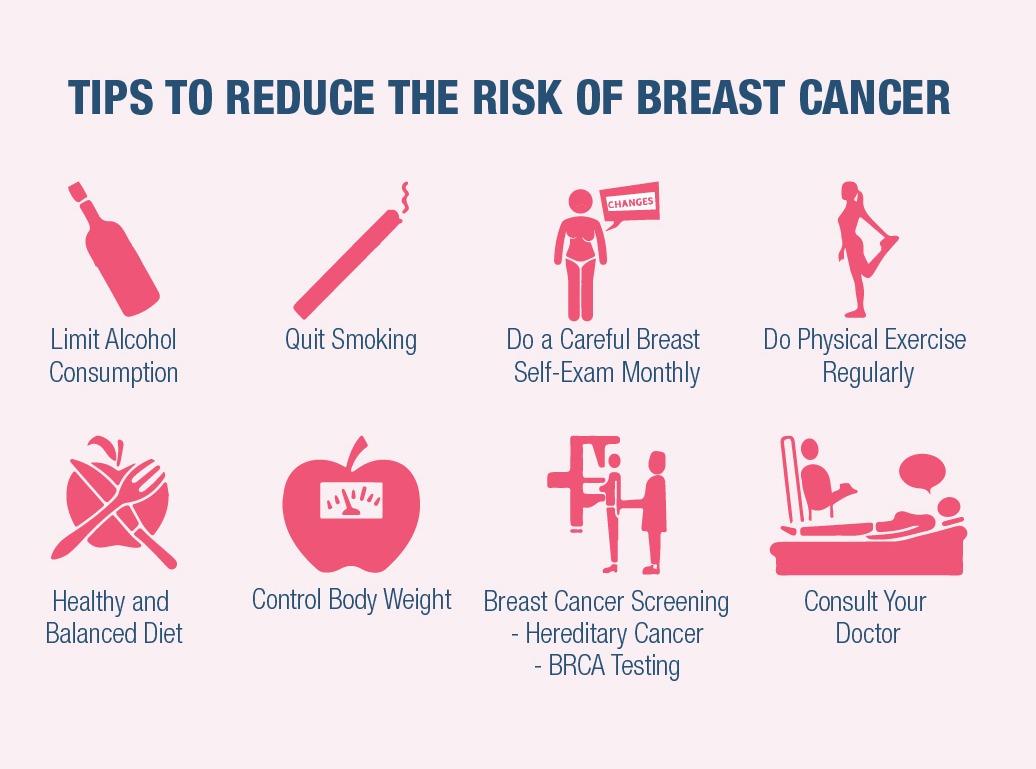
Prevention doesn’t guarantee complete protection, but it can significantly lower the risk of developing breast cancer.
Prevention Tips
- Eat Smart:
Choose whole foods, leafy greens, berries, and lean proteins. Reduce sugar and processed foods. - Exercise Regularly:
Even 30 minutes of brisk walking 5 times a week helps regulate hormones and body weight. - Limit Alcohol & Quit Smoking:
Both are proven risk factors for various cancers, including breast cancer. - Breastfeed if Possible:
Studies show that breastfeeding may slightly lower the risk. - Avoid Prolonged Hormone Therapy:
Discuss alternatives with your doctor if you need long-term hormone replacement. - Regular Screening:
Follow age-appropriate screening schedules and self-examination practices.
Breast Cancer in India: Current Scenario
- Breast cancer has become the most common cancer among Indian women.
- Many cases are detected at later stages, mainly due to a lack of awareness and social stigma.
- Urban areas have better access to diagnosis and treatment than rural ones.
- NGOs and government programs are now organizing free screening camps and awareness drives to encourage early detection.
Encouraging open conversations about breast health is vital for saving lives.
Rising Hope: Survivors, Research, and Progress
The field of oncology is evolving. Early diagnosis, precision medicine, and awareness have drastically improved survival rates.
- Survivors today live long, fulfilling lives.
- Research continues on better, less invasive therapies and genetic testing.
- Advocacy and community support are stronger than ever, empowering women to prioritize their health.
Conclusion: Together We Can Defeat Breast Cancer
Breast cancer is not just a disease; it’s a journey of courage, hope, and resilience. While science continues to evolve, awareness and early detection remain our most powerful weapons.
Every woman deserves to live without fear, and every community can play a part by spreading awareness, supporting those in treatment, and encouraging preventive health practices.
This month and beyond, let’s remind ourselves that awareness is action. A simple conversation, a shared post, or a regular check-up can truly save a life.
Together, through education, compassion, and support, we can move closer to a world where breast cancer is not a threat but a battle we know how to win.