

Delhi Heritage Scheme 2026

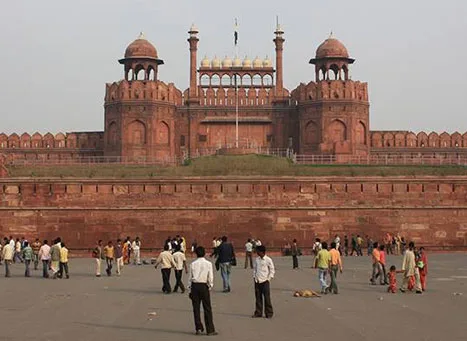
Delhi Heritage Scheme 2026 brings a new approach to preserving historical sites in Delhi. The government has approved two major schemes aimed at protecting and maintaining 75 important monuments across the city.
Thank you for reading this post, don't forget to subscribe!These initiatives are designed to improve the condition of heritage sites while also involving the community and private organisations.
A New Way to Protect Heritage
The schemes apply to monuments protected under the Delhi government’s laws and not managed by the Archaeological Survey of India.
This means the focus is on locally managed heritage structures that often need more attention and resources.
By introducing new policies, the government aims to ensure that these monuments are preserved for future generations.
Monument Adoption Scheme Explained
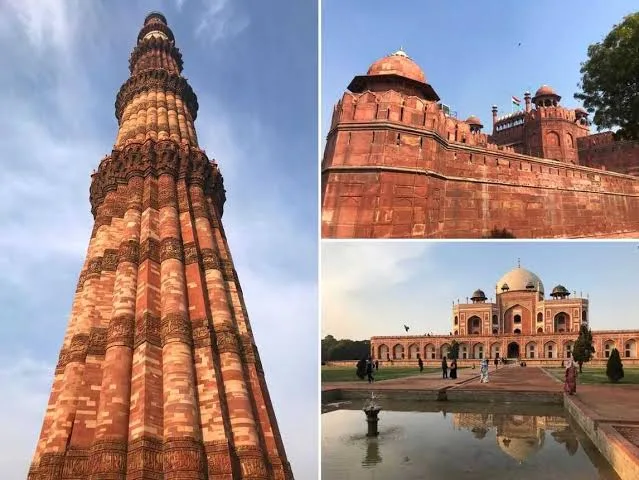
One of the key parts of the Delhi Heritage Scheme 2026 is the Monument Adoption Scheme.
Under this model, organisations, institutions, and even individuals can adopt monuments for a period of five years.
These adopters, called “Monument Mitras,” will take care of basic facilities such as cleanliness, lighting, and security.
This public-private partnership approach helps reduce the burden on the government while improving visitor experience.
Financial Support for Restoration
The second part of the scheme focuses on financial support for conservation work.
Through the Grant-in-Aid programme, selected institutions can receive funding of up to ₹2 crore for restoration and development projects.
This support will be used for technical repairs, structural improvements, and overall maintenance of heritage buildings.
Such funding ensures that monuments receive the care they need without delays.
Important Heritage Sites Included
Several well-known heritage locations are part of this initiative.
These include the haveli of Mirza Ghalib, Bhuli Bhatiyari ka mahal, Mutiny Memorial, and the Dara Shikoh library building.
These sites reflect the rich cultural and historical background of Delhi.
Improving these monuments can also boost tourism and public interest in history.
Saving Costs Through Adoption Model
The adoption model is expected to reduce maintenance costs for the government.
Estimates suggest that around ₹4.5 lakh per monument can be saved each year through this system.
This allows the government to use resources more efficiently while still maintaining high standards of care.
Rules for Revenue Use
An important rule under the scheme is that any revenue generated from activities at these monuments must be used only for their upkeep.
Private organisations involved in the adoption cannot keep profits from these sites.
This ensures that all funds are directed toward preserving and improving the monuments.
Role of Public-Private Partnerships
Public-private partnerships are becoming more common in areas like infrastructure, tourism, and heritage management.
The Delhi Heritage Scheme 2026 uses this model to bring in expertise, funding, and innovation from outside the government.
This approach can lead to better management and faster improvements.
Growing Interest in Heritage Conservation
There is a growing awareness about the importance of preserving cultural heritage.
People are becoming more interested in history, architecture, and local culture.
Schemes like this encourage community involvement and create a sense of responsibility toward heritage sites.
Connecting Heritage with Modern Needs
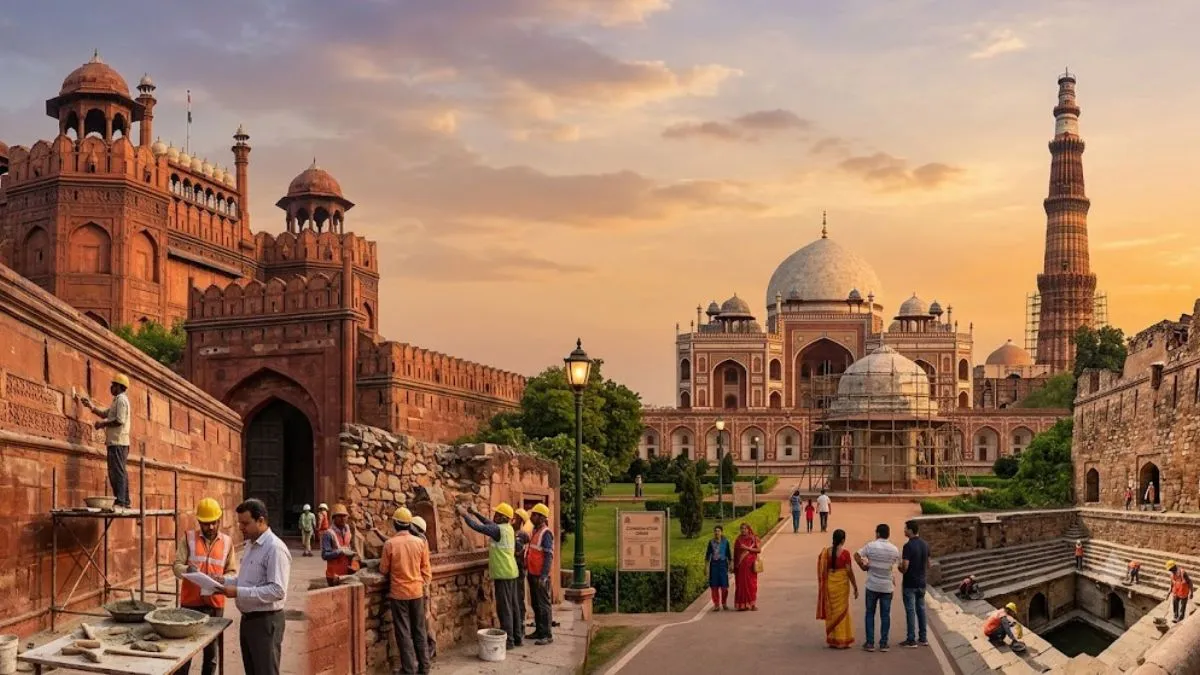
The Delhi Heritage Scheme 2026 shows how historical preservation can be combined with modern management practices.
By improving facilities and maintaining monuments, the scheme makes these places more accessible and enjoyable for visitors.
It also supports tourism and helps keep the cultural identity of the city alive.