


Spain World Cup 2026: Spain Beats Argentina

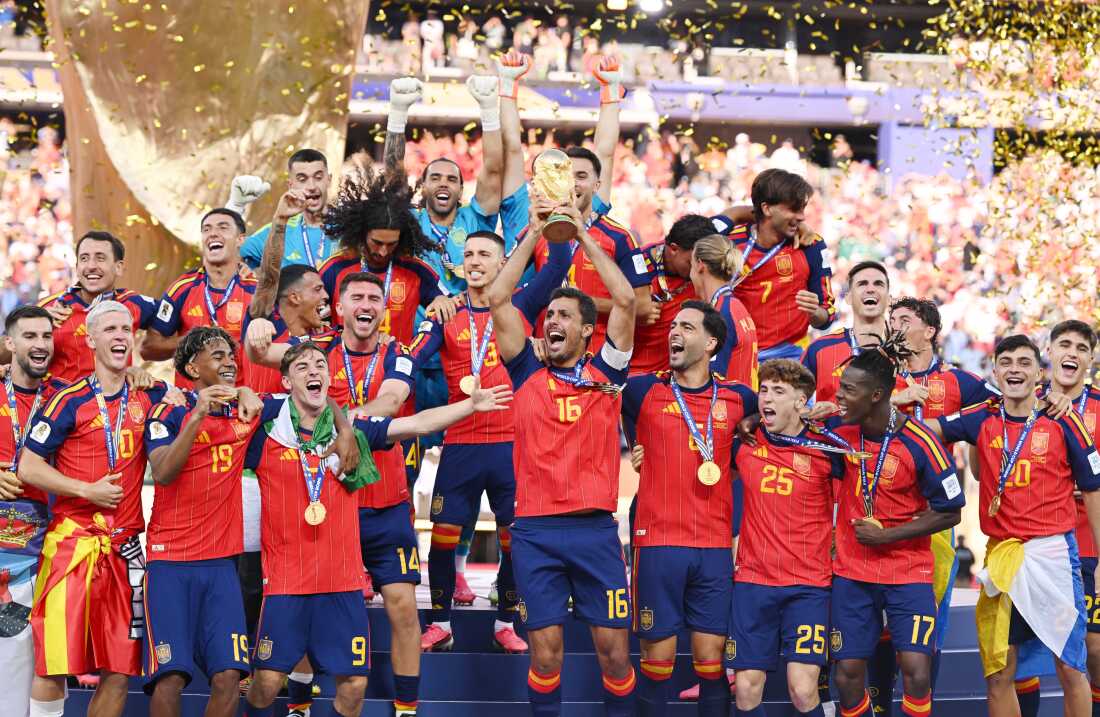
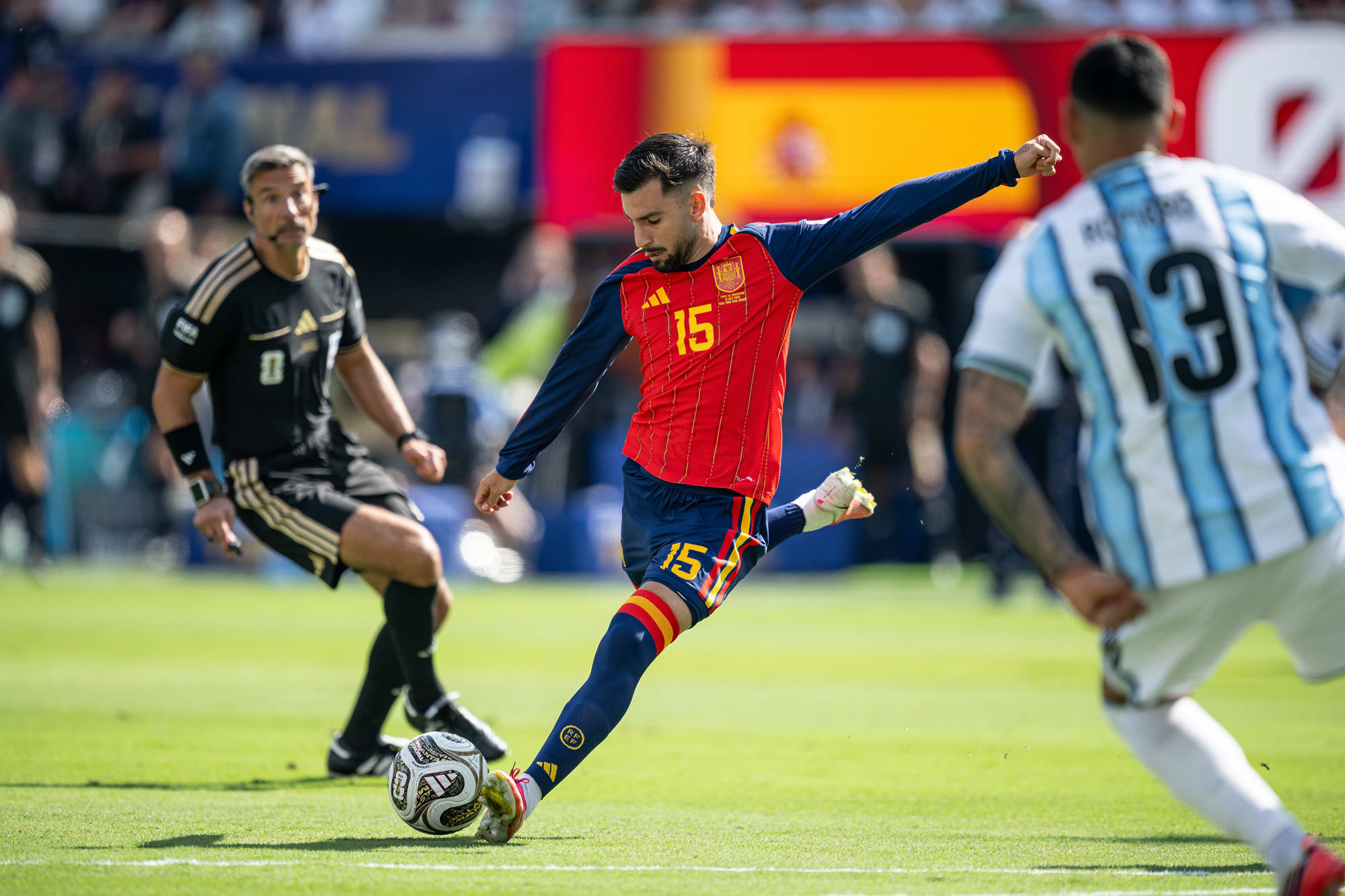
Spain World Cup 2026 became one of the biggest football stories of the year after Spain defeated Argentina 1-0 in the FIFA World Cup 2026 final on 19 July 2026. The match was played at MetLife Stadium in East Rutherford, New Jersey, near New York, and remained goalless throughout normal time. Fans witnessed a tense battle before Ferran Torres finally scored the winning goal in the 106th minute of extra time. The victory gave Spain its second FIFA World Cup trophy, adding another historic achievement to the country’s football legacy.
A Historic Night for Spain
Spain entered the final with confidence after an impressive tournament run. The team displayed excellent passing, disciplined defending, and strong teamwork throughout the competition. Argentina, the defending champions, also performed brilliantly and reached another World Cup final after defeating several strong opponents.

The final turned into a close contest with both teams creating chances but failing to score during the first 90 minutes. The game moved into extra time, where Spain continued to attack with patience. In the 106th minute, Ferran Torres found the back of the net with a calm finish that proved to be the only goal of the match.
The winning goal sparked celebrations among Spanish players and supporters, while Argentina fought hard until the final whistle but could not find an equaliser.
Ferran Torres Delivers the Winning Goal
Ferran Torres became the hero of the final after scoring the decisive goal during extra time. Throughout the tournament, he played an important role in Spain’s attack with his pace, movement, and finishing ability.
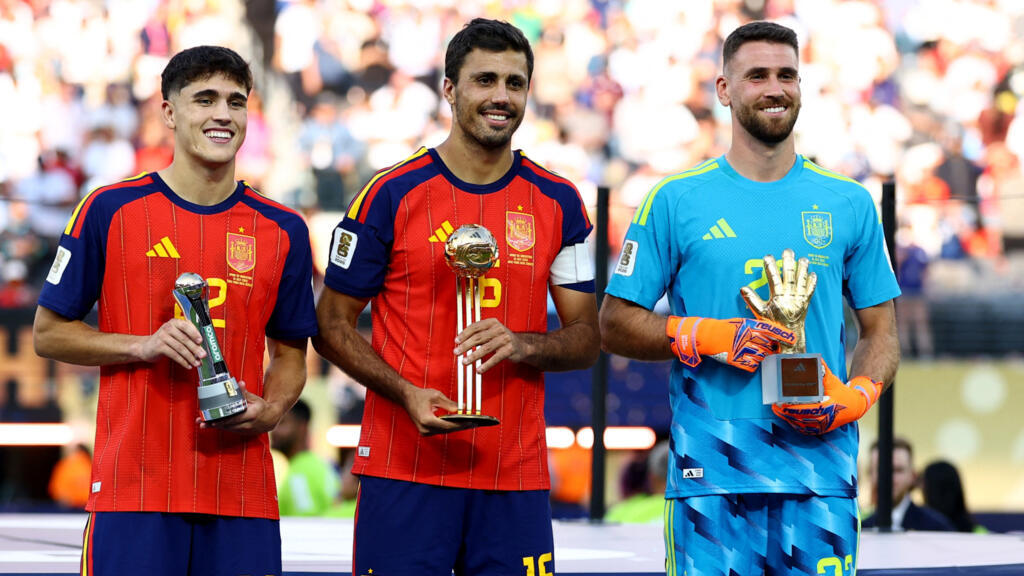
His goal in the final will be remembered as one of the most important moments in Spanish football history. Torres also received the Man of the Match award for his outstanding performance, recognizing his impact on the biggest stage in world football.
Argentina Faces a Tough Challenge
Argentina’s hopes became even more difficult after midfielder Enzo Fernández received a second yellow card during second-half stoppage time. The red card meant Argentina had to play the entire extra time with only ten players.
Despite being one player short, Argentina defended bravely and continued searching for an equalising goal. Goalkeeper Emiliano Martínez delivered an outstanding performance by making 12 saves, keeping his team in the match for as long as possible. Although Argentina lost the final, Martínez earned praise for one of the best goalkeeping displays in World Cup history.
Spain Wins Its Second World Cup
The victory marked Spain’s second FIFA World Cup title, with the country’s first championship coming in 2010 in South Africa. That earlier triumph featured legendary players who helped Spain dominate international football during that era.
Winning the 2026 tournament shows that Spain has successfully built another talented generation of footballers capable of competing at the highest level. The team combined experienced players with exciting young talent, creating a balanced squad that performed consistently throughout the competition.
One of the most remarkable achievements from this victory is that Spain became the first country to hold both the men’s and women’s FIFA World Cup titles at the same time, highlighting the strength of football across the nation.
FIFA World Cup 2026 Introduces a New Era
The 2026 FIFA World Cup was historic for several reasons. It became the first edition featuring 48 teams, expanding from the previous format of 32 teams that had been used since 1998.
The larger tournament allowed more nations to participate, creating fresh rivalries and giving fans the opportunity to watch teams making their World Cup debut. The expanded format also increased the number of matches, making the tournament one of the biggest sporting events ever organised.
Throughout the competition, supporters enjoyed exciting matches, dramatic comebacks, and several surprise results that kept football fans around the world entertained.
Rodri Named the Tournament’s Best Player
Spain midfielder Rodri received the Golden Ball, awarded to the best player of the FIFA World Cup 2026. His calm leadership, accurate passing, defensive strength, and ability to control the midfield made him one of the tournament’s standout performers.
Rodri consistently influenced games from the group stage to the final, helping Spain dominate possession and maintain control in crucial moments. His performances played a major role in Spain’s successful campaign.
Record-Breaking Tournament
The FIFA World Cup 2026 also set a new scoring record. A total of 308 goals were scored during the tournament, making it the highest-scoring FIFA World Cup in history.
The expanded 48-team format contributed to the increased number of matches and goals. Fans enjoyed attacking football, thrilling finishes, and memorable performances from players representing countries across every continent.
Several young stars also announced themselves on the global stage, showing that international football continues to develop with new talent emerging from around the world.
About the FIFA World Cup Final
The FIFA World Cup final is the last match of the tournament and decides the world champion. If both teams are level after 90 minutes, the match goes into 30 minutes of extra time. If the score is still tied, the winner is decided through a penalty shootout.
This format has produced many unforgettable moments over the years, and the 2026 final added another dramatic chapter with Ferran Torres’ extra-time winner.
The FIFA World Cup itself is organised by the Fédération Internationale de Football Association (FIFA), the global governing body of football. FIFA was founded in 1904 and has grown into one of the world’s most influential sports organisations, overseeing international competitions for both men’s and women’s football.
A Final That Football Fans Will Remember
The FIFA World Cup 2026 final delivered everything football supporters hoped for—strong defending, world-class goalkeeping, high-pressure moments, and a dramatic extra-time winner. Spain’s disciplined performance, Ferran Torres’ decisive goal, Rodri’s outstanding tournament, and Argentina’s determined fight despite playing with ten men created a memorable championship match.
Spain’s victory adds another golden chapter to its football history and highlights the country’s continued success on the international stage. With a new generation of talented players leading the way, the Spanish national team has once again reached the top of world football after an unforgettable tournament.