Irul Tribe Masi Magam Festival Celebrated in Nilgiri Hills

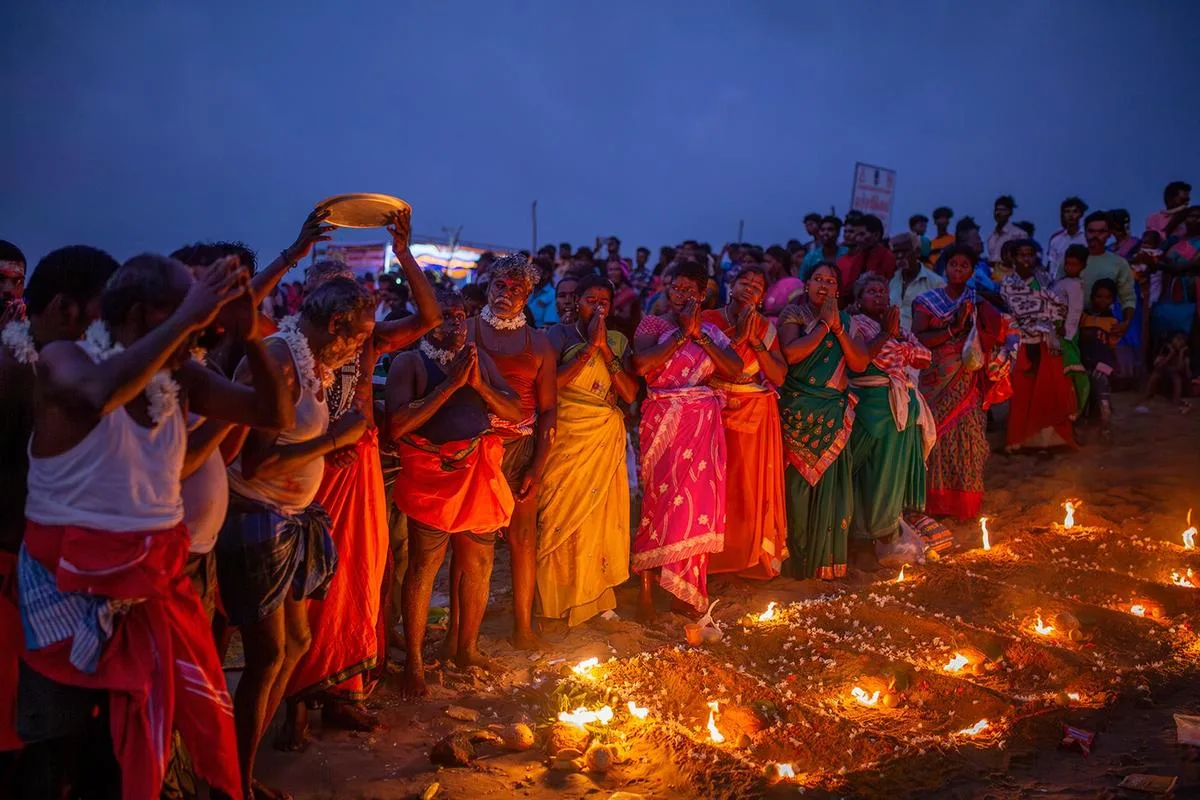
The Irul Tribe recently celebrated Masi Magam, an important festival in the Tamil calendar. This day holds deep spiritual meaning for the community and reflects their strong connection with nature, traditions, and ancestral beliefs.
Thank you for reading this post, don't forget to subscribe!Where the Irul Tribe Lives
The Irul tribe mainly lives in the Nilgiri Hills across Tamil Nadu and Kerala. They are recognised as a Particularly Vulnerable Tribal Group (PVTG) in Tamil Nadu. The community is also known by names like Irulas, Erlar, and Shikari in different regions.
Irul Tribe Masi Magam Culture & Beliefs
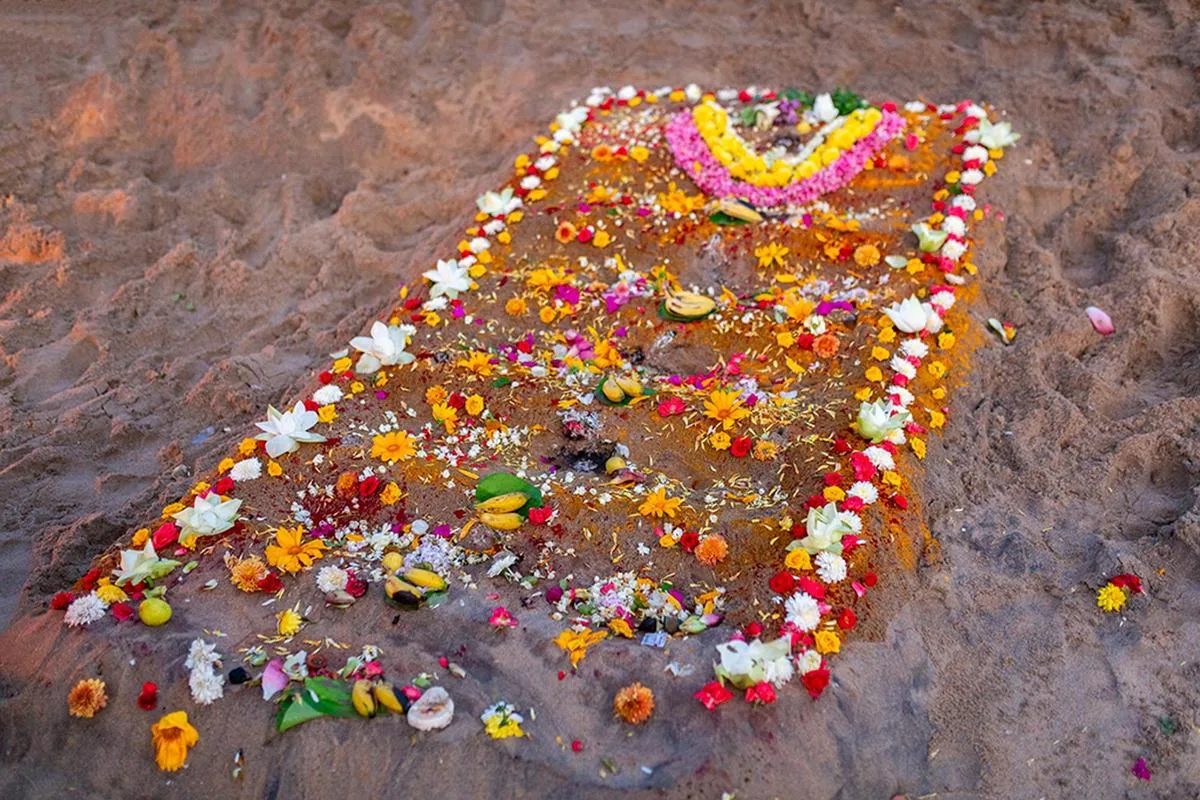
The Irula people speak a language related to Tamil and Kannada. Their beliefs are closely tied to nature. They follow a pantheistic tradition, meaning they see spirits in natural elements like trees, animals, and rivers.
Their main deity is Kanniamma, a goddess linked with the cobra. This shows their respect for snakes and the natural world.
Irul Tribe Masi Magam Life
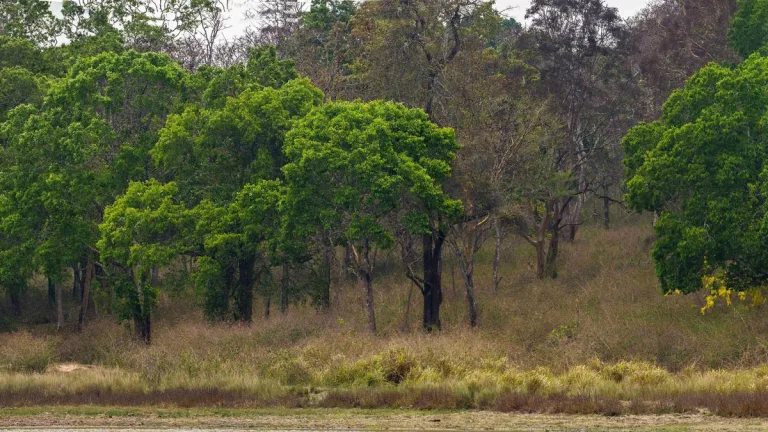
Irula settlements, called mottas, are small groups of houses built on hill slopes. These villages are usually surrounded by forests and plantations.
The tribe is well known for snake catching and handling dangerous reptiles. They also practise traditional healing methods using natural herbs and knowledge passed down through generations.
Economic Life and Traditional Knowledge
The Irul tribe depends on forest resources for their livelihood. They collect honey, firewood, and other natural products. Some also rear livestock.
Their knowledge of snakes is highly respected. They can track and identify snakes using signs like smell, footprints, and droppings. This skill plays an important role in wildlife conservation and biodiversity protection.
Cultural Importance of Masi Magam
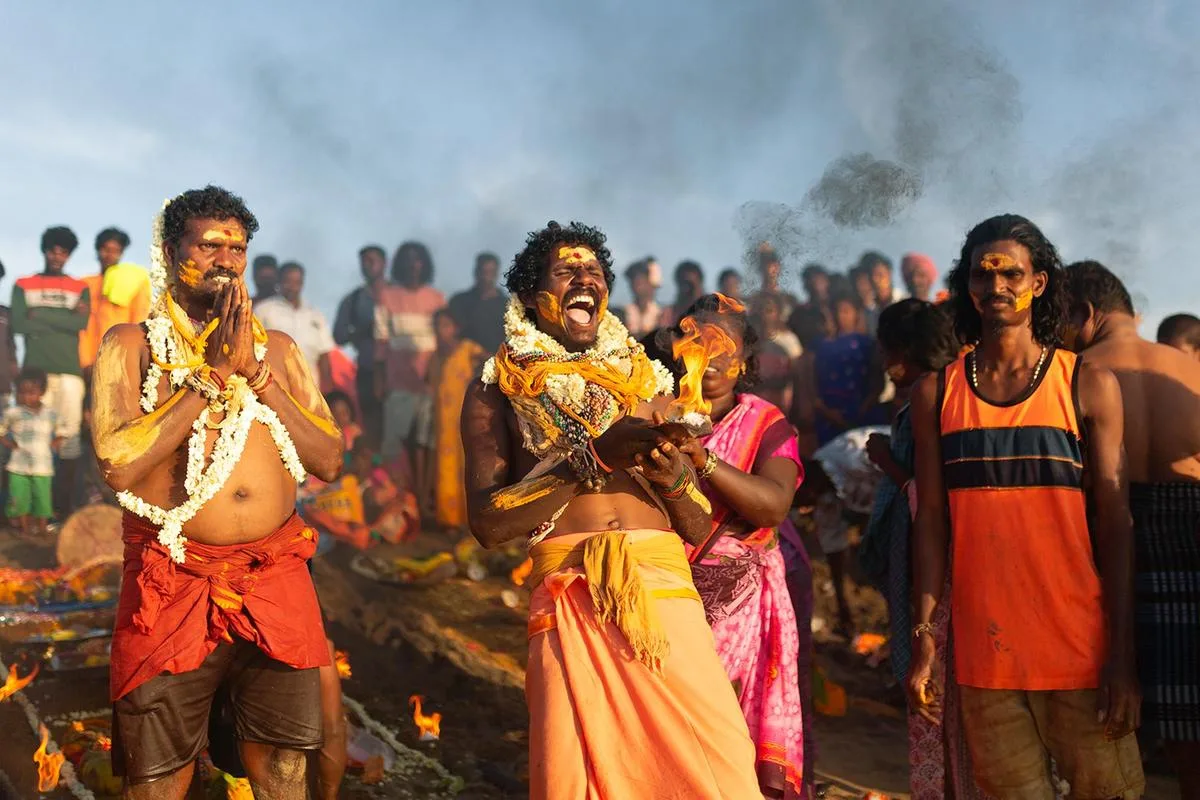
The Masi Magam is not just a celebration but a symbol of identity for the Irul tribe. It brings the community together to honour their traditions, nature, and spiritual beliefs.