
MGNREGS Shift from Insurance to Control: Redefining Rural Employment in India

The MGNREGS Shift from Insurance to Control marks a major turning point in India’s rural employment policy. For nearly two decades, the Mahatma Gandhi National Rural Employment Guarantee Scheme (MGNREGS) acted as a safety net, offering rural households a legal claim to work whenever they needed it. With the introduction of the Viksit Bharat Guarantee for Rozgar and Ajeevika Mission (Gramin) Act, 2025, this rights-based system is being replaced by a more controlled, planned approach that emphasizes asset creation, village development, and state-led management, redefining how rural employment support functions across the country.
Thank you for reading this post, don't forget to subscribe!The Original Role of MGNREGS in the MGNREGS Shift from Insurance to Control
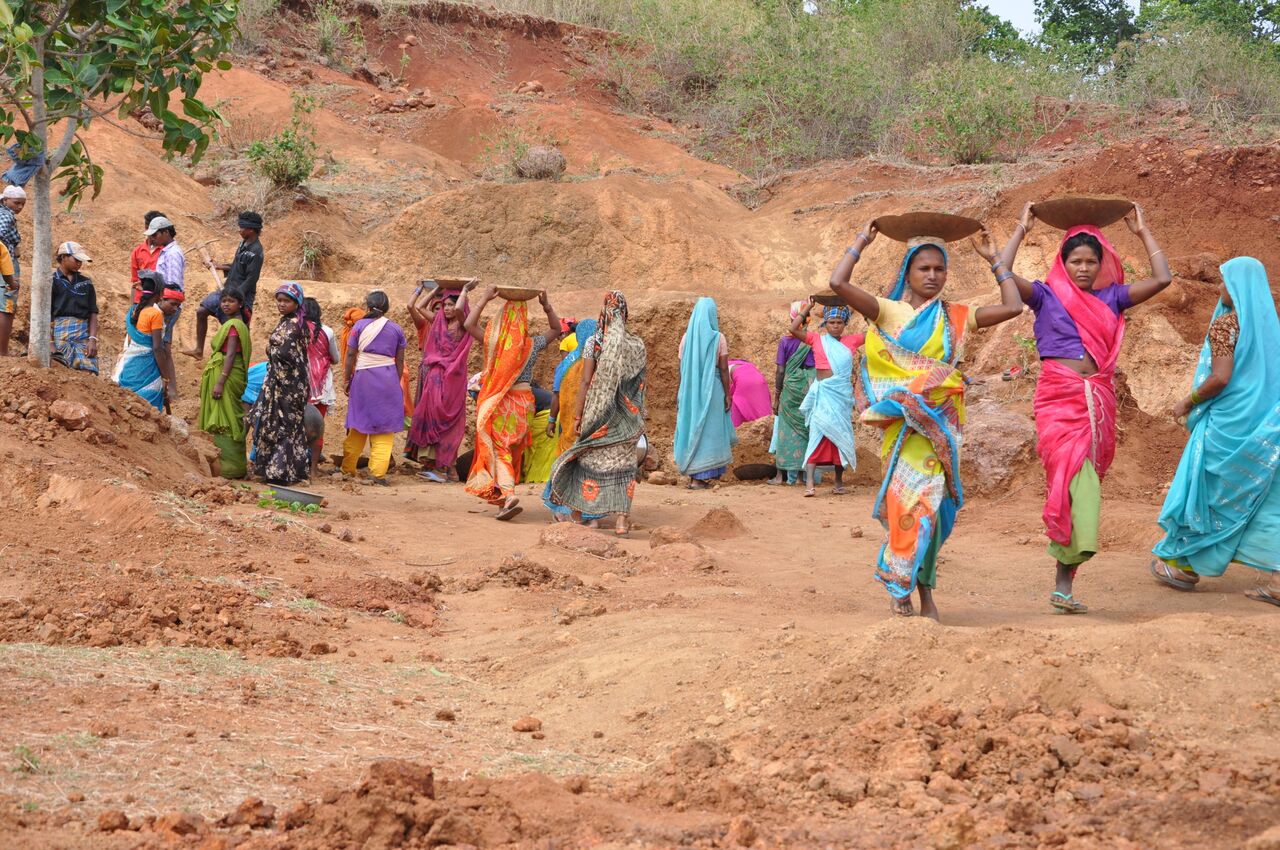
Launched in 2005, MGNREGS was built on a simple but powerful idea: rural households could demand work from the state whenever they needed it. The scheme guaranteed up to 100 days of manual labor per household each year, providing a legal claim on the government for employment.
The strength of MGNREGS lay not in the exact number of days offered, but in its ability to act as an automatic shock absorber. During droughts, floods, or slow economic periods, rural workers could turn to MGNREGS to earn wages and support their families. In the financial year 2024–25, the program generated about 2.9 billion person-days of work, with women making up more than 58% of the beneficiaries. While most households did not receive the full 100 days, the scheme’s flexibility ensured labor was absorbed whenever other income sources failed.
Introducing VB-G RAM G: Modernization and Asset Creation
The new VB-G RAM G Act replaces the previous rights-based framework with a system that emphasizes planning, asset creation, and village-level development. It increases the annual entitlement to 125 days per household and prioritizes projects like water conservation, climate resilience, and infrastructure that benefit the village in the long term.
The government presents this as a modern, development-oriented approach, focusing on durable improvements rather than only providing immediate wage support. In theory, this shift aims to make rural employment more productive and aligned with local development goals.
From Shock Absorber to Planned Investment
One of the most noticeable changes in the VB-G RAM G framework is the focus on clustered works and technical projects. By targeting water conservation, infrastructure, and climate-resilient development, the program hopes to stabilize rural incomes over the long term.
However, this shift brings trade-offs. MGNREGS’ original strength was elasticity the ability to respond immediately to rising household demand during crises. Long-term projects, on the other hand, require planning, technical expertise, and longer completion timelines. This planned approach risks reducing the scheme’s responsiveness, making it less effective as insurance against sudden economic or environmental shocks.
Fiscal Changes and Risk Transfer in the MGNREGS Shift from Insurance to Control
A deeper transformation under the new law involves financing. Under MGNREGS, central government funding automatically scaled with demand, ensuring that rural households could rely on employment when needed. The VB-G RAM G Act introduces state-wise allocations, meaning that if demand exceeds these limits, states are responsible for covering the difference.
This change shifts fiscal risk from the central government to states, many of which are fiscally constrained. During times of economic or environmental distress, poorer states may ration work, delay approvals, or tighten eligibility criteria. What was once a flexible, demand-driven program could become a capped, less responsive system.
Seasonal Pauses and Reduced Flexibility
The Act also allows for a seasonal 60-day pause in employment, based on the assumption that labor demand declines during sowing and harvest periods. While this might streamline planning, it ignores the reality that rural labor markets are highly segmented. Even during peak farming periods, many households especially land-poor families and women workers depend on MGNREGS as a fallback income source when other work is unavailable.
Calendar-based suspensions risk narrowing the circumstances under which rural households can access guaranteed employment, reducing the program’s effectiveness during overlapping shocks such as droughts, floods, or health crises.
A New Vision of the State under the MGNREGS Shift from Insurance to Control
The transition from MGNREGS to VB-G RAM G is not just administrative; it reflects a new philosophy of governance. The revised scheme assumes a capable, foresighted state that can anticipate rural distress, allocate resources efficiently, and manage long-term development projects.
While this approach may work in normal times, it relies heavily on predictability and planning. In an era of frequent climate shocks and economic uncertainties, resilience often depends on rapid, adaptive responses rather than pre-determined allocations. Programs that prioritize control over flexibility may perform well on paper but fall short when households face real-time crises.
The Test Ahead: Assessing the MGNREGS Shift from Insurance to Control
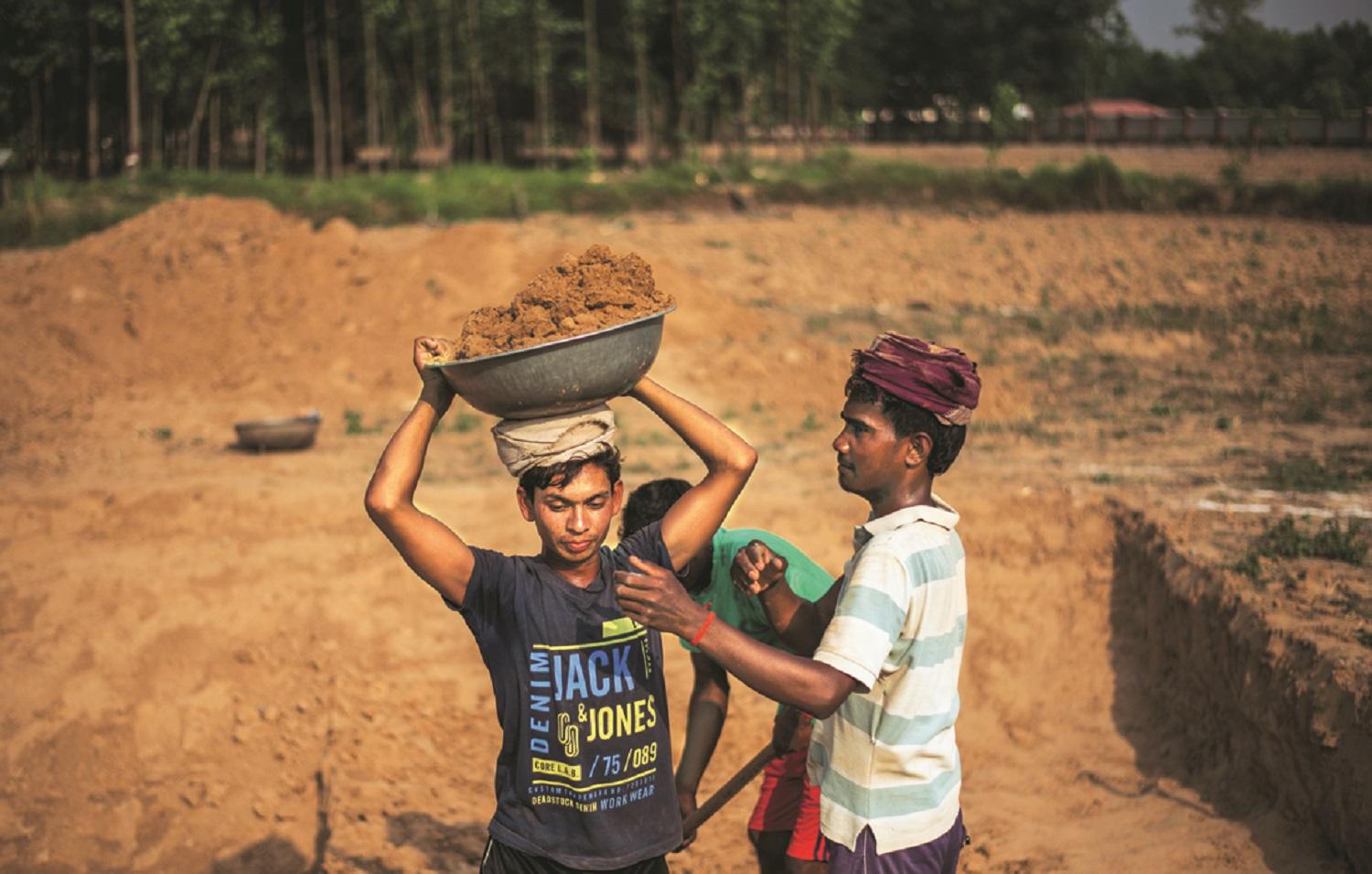
The key question is whether India’s rural employment system will continue to function as an automatic stabilizer during times of distress or become a more efficient but less adaptive program. VB-G RAM G promises more days of work and better assets, but its real challenge will be maintaining the responsiveness that made MGNREGS a lifeline for the poorest rural households.
The shift represents a broader debate in social policy: balancing efficiency, planning, and asset creation with flexibility, adaptability, and immediate risk coverage. How this balance is struck will determine the future of rural livelihoods and the resilience of India’s villages in the face of growing economic and environmental uncertainty.