Taxila Restoration Warning Raises Global Heritage Concerns

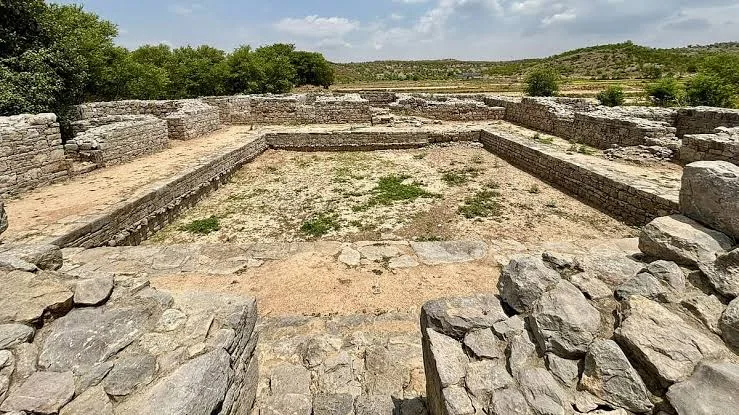
Taxila Restoration Warning has drawn international attention after the UNESCO raised concerns over recent repair work in Pakistan. The warning came after reports of reconstruction activities at important historical locations within the Taxila complex. These include the ancient sites of Mohra Moradu and Sirkap, both known for their deep historical and cultural value.
Thank you for reading this post, don't forget to subscribe!The issue has sparked discussions about how heritage sites should be preserved in a modern world.
Importance of Taxila as a Heritage Site
Taxila is one of the most important archaeological locations in South Asia. It represents a rich mix of cultures and civilizations that existed thousands of years ago. The site was added to the World Heritage list in 1980 due to its historical importance and unique architecture.
Taxila reflects the influence of the ancient Gandhara civilisation, which connected South Asia with Central Asia and beyond.
Historical Value of Mohra Moradu and Sirkap
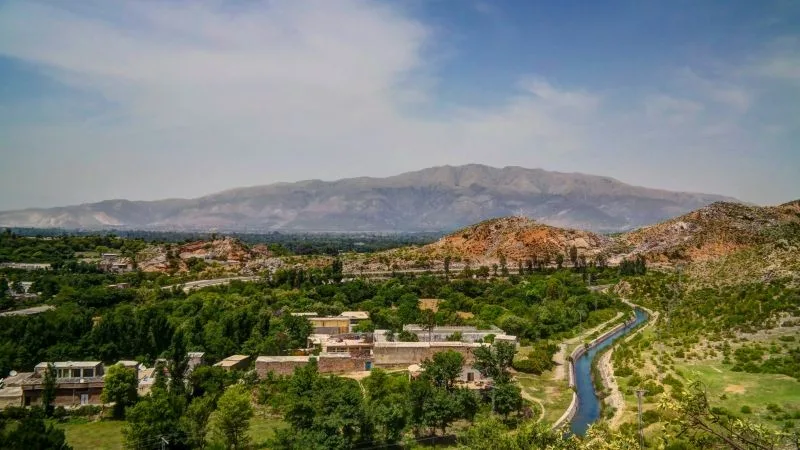
The sites of Mohra Moradu and Sirkap are key parts of the Taxila complex.
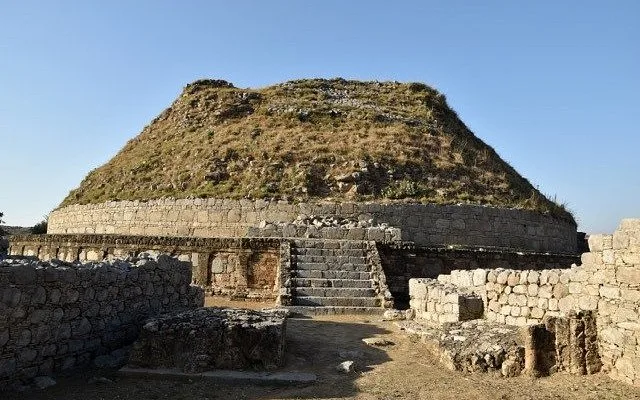
Mohra Moradu is known for its Buddhist monastery remains, including stupas and meditation areas.
Sirkap, on the other hand, is an ancient city with a well-planned layout influenced by Greek and Central Asian styles.
These sites provide valuable insight into ancient life, architecture, and religious practices.
What Triggered the Warning
The UNESCO raised concerns after noticing changes in the original structure of these sites. Reports suggested that modern materials like cement were used in restoration work.
Such materials can alter the authenticity of ancient structures.
UNESCO has asked Pakistan to review and possibly reverse these changes.
Conservation Rules and Concerns
Heritage conservation follows strict global standards.
Experts recommend minimal intervention to preserve the original form of historical structures.
Using modern construction methods can damage the cultural value of these sites.
Maintaining original materials and design is important to keep history intact.
Request for Documentation
The UNESCO has asked for detailed reports on the restoration work.
This includes photographs and technical documents showing the condition of the sites before and after repairs.
Such documentation helps experts understand the impact of changes made.
Joint Inspection and Review
A joint visit was conducted involving UNESCO officials and Pakistani authorities.
The inspection focused on understanding the extent of restoration work.
Discussions were held about improving conservation practices in the future.
Pakistan’s Role in Heritage Protection
Pakistan is home to several important heritage sites.
These sites attract historians, researchers, and tourists from around the world.
Protecting them is important not only for cultural reasons but also for tourism and education.
Balancing Development and Preservation
Modern development often creates challenges for heritage conservation.
There is a need to balance restoration work with historical accuracy.
While repairs are necessary, they should not change the original character of the site.
Growing Global Attention
The Taxila Restoration Warning has gained attention worldwide.
Heritage experts and organizations are closely watching the situation.
It highlights the importance of following international guidelines.
Cultural Identity and Heritage Value
Historical sites like Taxila are part of a nation’s identity.
They tell stories of past civilizations and traditions.
Preserving them helps future generations understand their roots.
Role of Technology in Conservation
Modern technology can help in better conservation practices.
Digital mapping, 3D scanning, and advanced materials can support restoration.
However, these tools must be used carefully to maintain authenticity.
Tourism and Economic Impact
Heritage sites play a big role in tourism.
Visitors from different countries come to explore ancient locations like Taxila.
Any damage to these sites can affect tourism and local economies.
Public Awareness and Responsibility
Public awareness is important for protecting heritage sites.
People should understand the value of preserving history.
Local communities can play a key role in safeguarding these places.
Future of Taxila Conservation
The Taxila Restoration Warning has opened discussions about better heritage management. Authorities are expected to review current practices and adopt improved methods that follow global standards. This situation may also encourage stronger cooperation between international organizations and local agencies to ensure that historical sites remain protected and respected.
Learning from Global Examples
Many countries have successfully preserved their heritage sites by following strict conservation rules. These examples show that careful planning and expert guidance can protect even the oldest structures. By learning from such global practices, better strategies can be applied to protect sites like Taxila.
Need for Stronger Policies
There is a growing need for stronger policies to protect historical sites. Clear rules and regular monitoring can prevent improper restoration work. Governments and heritage bodies must work together to create systems that ensure long-term preservation of cultural landmarks.