


Petroleum Sector in India: Schemes, Policies and Recent Developments

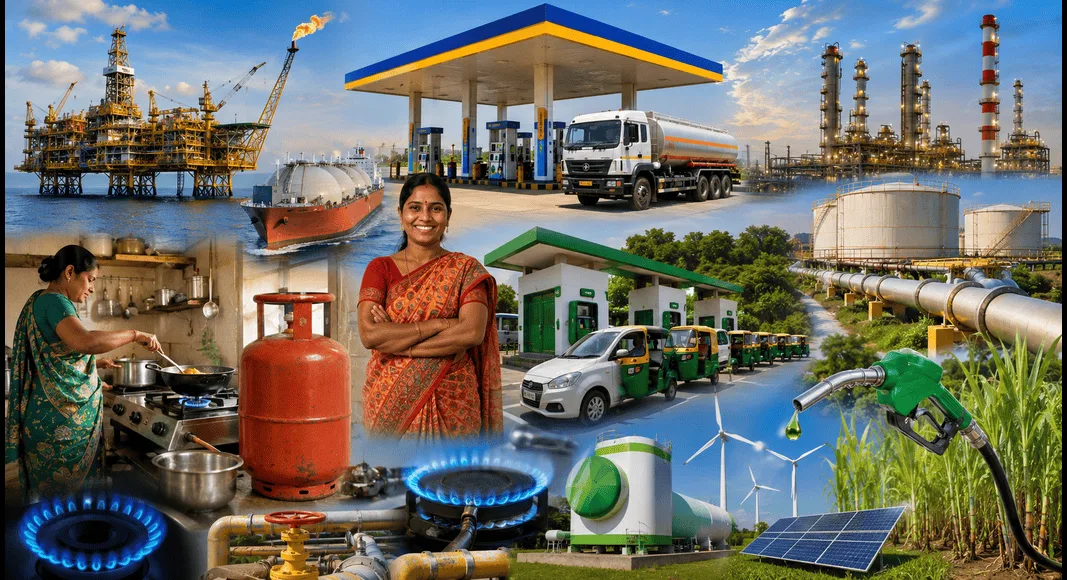
Energy is one of the most important requirements for the development of any country. Every home, industry, vehicle, and business depends on a reliable supply of fuel and energy. In India, the Ministry of Petroleum and Natural Gas (MoPNG) plays a major role in ensuring that petroleum products, natural gas, and clean cooking fuel reach millions of people across the country.
Thank you for reading this post, don't forget to subscribe!The ministry is responsible for the exploration, production, refining, transportation, marketing, import, export, and conservation of petroleum products. It also works to improve India’s energy security by reducing dependence on imported fuels and promoting cleaner and more sustainable energy sources.
The year 2019 marked several important developments in India’s petroleum sector. Since then, many new policies, infrastructure projects, and clean energy initiatives have further transformed the sector up to 2025.
What is the Ministry of Petroleum and Natural Gas?
The Ministry of Petroleum and Natural Gas (MoPNG) is responsible for managing India’s oil and gas resources. Its major objectives are:
- Increasing domestic production of crude oil and natural gas.
- Providing affordable cooking fuel to every household.
- Expanding natural gas infrastructure.
- Promoting cleaner fuels.
- Improving energy efficiency.
- Ensuring energy security.
- Encouraging investment in the petroleum sector.
The ministry works with several Public Sector Undertakings (PSUs) such as ONGC, Indian Oil Corporation (IOC), Bharat Petroleum (BPCL), Hindustan Petroleum (HPCL), GAIL, Oil India Limited (OIL), and others.
Pradhan Mantri Ujjwala Yojana (PMUY)
One of the biggest achievements of the ministry has been the Pradhan Mantri Ujjwala Yojana (PMUY), launched in May 2016.
The objective of this scheme is to provide free LPG connections to women belonging to poor households. Earlier, many rural families depended on firewood, coal, crop residue, and cow dung for cooking. These traditional fuels produced harmful smoke that caused serious health problems, especially for women and children.
Initially, the government aimed to provide 5 crore LPG connections. Later, the target was increased to 8 crore connections, which was achieved ahead of schedule in September 2019.
Benefits of PMUY
- Cleaner kitchens
- Better health for women and children
- Reduced indoor air pollution
- Less time spent collecting firewood
- Protection of forests
- Improved quality of life in rural areas
Progress after 2019
Between 2021 and 2025, the government launched Ujjwala 2.0, providing additional LPG connections to eligible families. Special support was also provided to migrant workers by simplifying documentation requirements.
The government also continued providing LPG subsidies for eligible beneficiaries during periods of high international fuel prices.
PAHAL Scheme (Direct Benefit Transfer for LPG)
The PAHAL scheme is one of the world’s largest Direct Benefit Transfer (DBT) programmes.
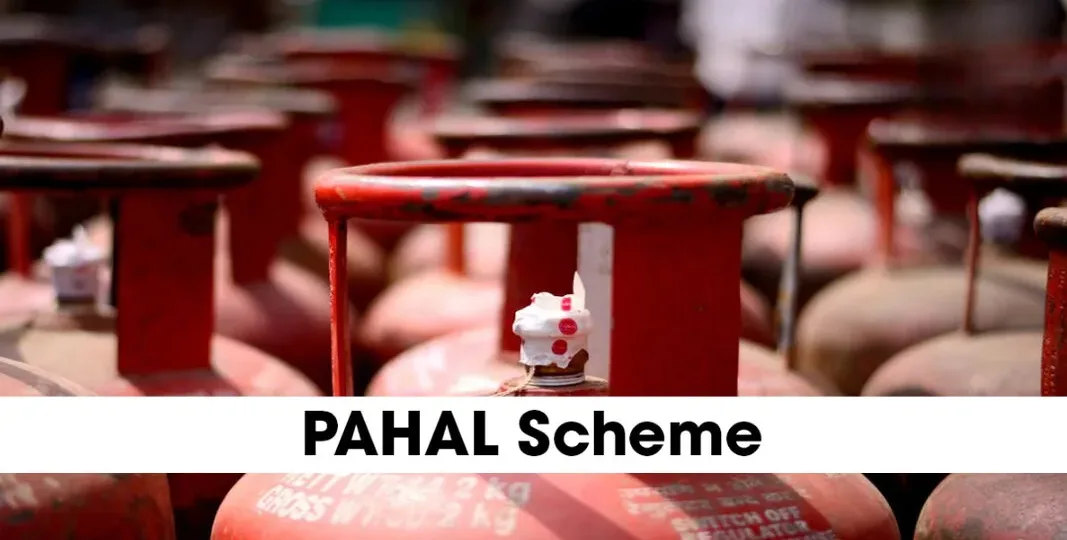
Instead of selling LPG cylinders at subsidized prices, consumers purchase cylinders at market rates while the subsidy amount is directly transferred to their bank accounts.
Objectives of PAHAL
- Prevent fake LPG connections
- Reduce subsidy leakages
- Eliminate duplicate connections
- Ensure subsidies reach genuine beneficiaries
The scheme has saved thousands of crores of rupees by identifying inactive and duplicate LPG connections.
Hydrocarbon Exploration and Licensing Policy (HELP)
India depends heavily on imported crude oil. To reduce imports, the government introduced the Hydrocarbon Exploration and Licensing Policy (HELP).
HELP replaced the older Production Sharing Contract (PSC) system with a Revenue Sharing Contract (RSC) model.
Key features of HELP
- Single license for oil and gas exploration
- Freedom to market and price natural gas in many cases
- Simplified licensing process
- Reduced royalty for offshore blocks
- Easier business environment
This policy encourages both Indian and foreign companies to invest in oil and gas exploration.
Open Acreage Licensing Policy (OALP)
The Open Acreage Licensing Policy gives companies the freedom to choose exploration blocks throughout the year instead of waiting for government bidding rounds.
Under OALP:
- Companies can identify potential areas.
- They submit an Expression of Interest.
- The government conducts bidding every six months.
This has made exploration faster and more investor-friendly.
Petroleum Exploration Licenses (PELs)
The government granted Petroleum Exploration Licenses for many onshore and offshore blocks.
These licenses allow companies to explore oil and natural gas reserves legally after receiving government approval.
Reforms in Oil and Gas Exploration
The government introduced several reforms to increase domestic production.
Major reforms include:
- Greater focus on increasing production instead of maximizing government revenue.
- Faster exploration timelines.
- Easier commercialization of discoveries.
- Marketing freedom for natural gas.
- Fiscal incentives for investors.
These reforms aim to reduce India’s dependence on imported crude oil.
National Seismic Programme
Before drilling for oil or natural gas, scientists study underground rock formations using seismic surveys.
The National Seismic Programme (NSP), launched in 2016, helps identify new hydrocarbon reserves across India.
The programme mainly focuses on:
- Unexplored sedimentary basins
- Regions with limited geological data
- Better mapping of underground resources
ONGC and Oil India Limited are responsible for carrying out these surveys.
National Data Repository (NDR)
Exploration activities generate huge amounts of geological and seismic data.
The National Data Repository stores this valuable information digitally.
Benefits include:
- Easier access for investors
- Better research opportunities
- Improved exploration planning
- Faster decision-making
India’s Refining Capacity
India has developed one of the world’s largest refining industries.
By 2019:
- 23 refineries were operating.
- Most refineries belonged to the public sector.
- India became self-sufficient in refining petroleum products.
- The country also exported refined petroleum products to many nations.
Since then, refinery modernization projects have continued to improve fuel quality and production capacity.
Bharat Stage (BS) Fuel Standards
Vehicle emissions are a major source of air pollution.
To reduce pollution, India introduced Bharat Stage emission standards.
After implementing BS-IV fuel nationwide, India directly shifted to BS-VI fuel standards from April 2020.
Benefits of BS-VI fuel
- Cleaner air
- Lower emissions
- Better engine efficiency
- Reduced harmful pollutants
- Improved public health
This was one of India’s biggest environmental reforms in the transport sector.
Ethanol Blended Petrol Programme
The Ethanol Blended Petrol (EBP) Programme promotes mixing ethanol with petrol.
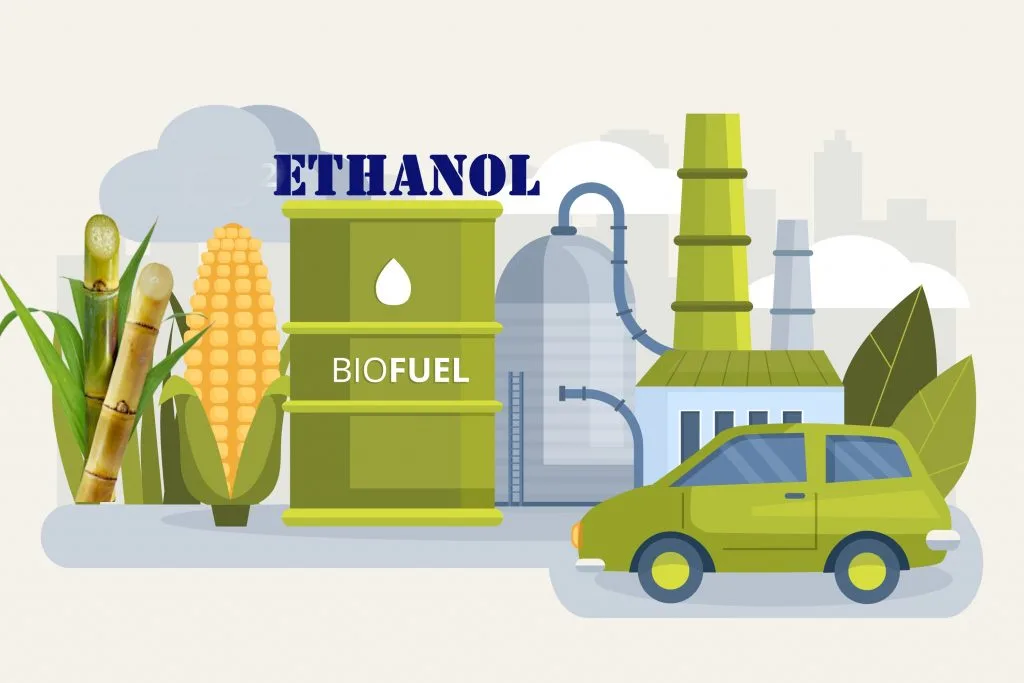
Ethanol is produced from sugarcane, maize, damaged food grains, and agricultural products.
Objectives
- Reduce crude oil imports
- Support farmers
- Lower carbon emissions
- Increase use of renewable fuels
Developments up to 2025
India significantly increased ethanol blending in petrol and achieved major milestones ahead of schedule. The government also advanced plans toward higher blending targets, helping reduce fuel imports and providing additional income opportunities for farmers.
National Biofuel Policy
The National Biofuel Policy encourages production of various eco-friendly fuels.
It classifies biofuels into:
First Generation (1G)
- Bioethanol
- Biodiesel
Second Generation (2G)
- Ethanol from agricultural waste
- Bio-CNG
- Other advanced biofuels
The policy also allows surplus food grains to be used for ethanol production under approved conditions.
SATAT Initiative
SATAT stands for Sustainable Alternative Towards Affordable Transportation.
This initiative promotes production of Compressed Bio Gas (CBG) from:
- Crop residue
- Animal waste
- Municipal waste
- Organic waste
Advantages
- Cleaner fuel
- Better waste management
- Extra income for farmers
- Reduced pollution
- Lower greenhouse gas emissions
Hundreds of CBG plants have been approved across the country to strengthen India’s green energy transition.
Second Generation (2G) Ethanol Plants
The government has promoted 2G ethanol plants that use crop residue such as paddy straw instead of food crops.
This helps:
- Reduce stubble burning
- Control air pollution
- Produce renewable fuel
- Generate rural employment
Projects at Panipat, Numaligarh, Bhatinda, Gorakhpur, and other locations have supported India’s biofuel expansion.
Pradhan Mantri JI-VAN Yojana
The Pradhan Mantri JI-VAN Yojana provides financial assistance for setting up advanced bio-ethanol plants.
It encourages industries to convert agricultural waste into useful fuel, supporting both farmers and environmental protection.
National Gas Grid
Natural gas is considered a cleaner fuel than coal and petroleum products.
To expand gas availability across India, the government is developing the National Gas Grid.
Its objectives are:
- Connect gas-producing regions with demand centres.
- Ensure equal gas availability across states.
- Promote cleaner industrial fuel.
- Support gas-based industries.
Major pipeline projects
Some important pipeline projects include:
- Urja Ganga Pipeline
- Barauni-Guwahati Pipeline
- North East Gas Grid
- Kochi-Koottanad-Bengaluru-Mangaluru Pipeline
These projects improve energy access, especially in eastern and northeastern India.
City Gas Distribution (CGD)
The City Gas Distribution network supplies:
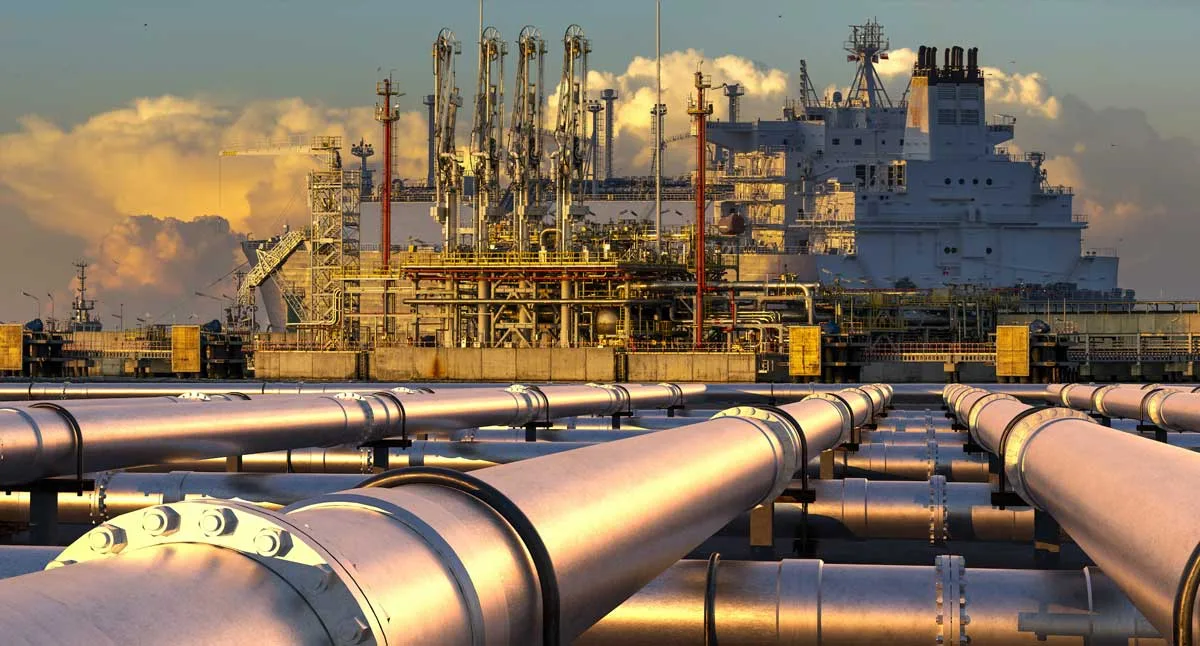
- Piped Natural Gas (PNG) for homes.
- Compressed Natural Gas (CNG) for vehicles.
Benefits include:
- Cleaner cooking fuel
- Lower pollution
- Affordable transportation fuel
- Reduced dependence on LPG cylinders in urban areas
By 2025, the CGD network had expanded to cover many more cities and geographical areas across India.
International Cooperation
India has strengthened cooperation with many countries in the petroleum sector.
Some major developments include:
- PETROTECH conference to promote investment.
- India-Nepal cross-border petroleum pipeline.
- Hydrocarbon cooperation with Russia.
- Energy partnerships with countries in the Middle East, the United States, Australia, and other major producers.
These partnerships improve India’s energy security and diversify fuel sources.
Major Developments from 2020 to 2025
Several important achievements were made after 2019.
Expansion of PM Ujjwala Scheme
Millions of additional LPG connections were provided under Ujjwala 2.0.
Higher Ethanol Blending
India rapidly increased ethanol blending, reducing crude oil imports and supporting sugarcane farmers.
Expansion of Natural Gas Infrastructure
Thousands of kilometres of new gas pipelines and City Gas Distribution networks were developed.
Green Hydrogen Mission
The National Green Hydrogen Mission, launched in 2023, aims to make India a global producer and exporter of green hydrogen, supporting cleaner industries and reducing fossil fuel dependence.
Biofuel Growth
Greater investment was made in bio-CNG, compressed biogas plants, and advanced biofuel technologies.
Cleaner Transport
BS-VI fuel standards became fully operational across the country, helping reduce vehicle emissions.
Challenges Before the Petroleum Sector
Despite significant progress, several challenges remain.
- Heavy dependence on imported crude oil.
- Fluctuating international oil prices.
- Need for faster expansion of renewable energy.
- Balancing energy demand with environmental protection.
- Reducing carbon emissions.
- Ensuring affordable fuel prices for consumers.
Addressing these issues will be essential for India’s long-term energy security.
Conclusion
The Ministry of Petroleum and Natural Gas has played an important role in improving India’s energy sector through schemes like Pradhan Mantri Ujjwala Yojana, PAHAL, HELP, the National Gas Grid, ethanol blending, SATAT, and various biofuel initiatives.
From ensuring clean cooking fuel for poor families to promoting cleaner transportation and expanding natural gas infrastructure, the ministry has taken several steps toward building a stronger and more sustainable energy system.
Between 2020 and 2025, India further strengthened its focus on clean energy, ethanol blending, biofuels, gas infrastructure, and green hydrogen. These efforts not only improve energy security but also support environmental protection, economic growth, and better living standards for millions of people.
As India continues its journey toward becoming a developed nation, the petroleum sector will remain one of the key pillars supporting industrial growth, transportation, agriculture, and everyday life while gradually moving towards cleaner and more sustainable sources of energy.
FAQs
1. What is the Petroleum Sector?
The petroleum sector includes the exploration, production, refining, transportation, and marketing of crude oil, natural gas, and petroleum products in India.
2. What is the role of the Ministry of Petroleum and Natural Gas?
The ministry manages India’s oil and natural gas resources, promotes energy security, develops fuel infrastructure, and implements important energy-related schemes.
3. What is Pradhan Mantri Ujjwala Yojana (PMUY)?
PMUY is a government scheme that provides free LPG connections to poor households, especially women, to encourage clean cooking and reduce indoor air pollution.
4. What is the PAHAL Scheme?
PAHAL is the Direct Benefit Transfer (DBT) scheme that transfers LPG subsidies directly into consumers’ bank accounts, reducing fake and duplicate LPG connections.
5. What is the Hydrocarbon Exploration and Licensing Policy (HELP)?
HELP is a policy that simplifies oil and gas exploration by offering a single license, revenue-sharing contracts, and greater pricing and marketing freedom.
6. What is the National Gas Grid?
The National Gas Grid is a network of natural gas pipelines that connects gas-producing regions with consumers across India to promote a gas-based economy.
7. Why is ethanol blending important?
Ethanol blending helps reduce crude oil imports, lowers air pollution, supports farmers, and promotes the use of renewable fuels.
8. What is the SATAT Initiative?
SATAT promotes the production of Compressed Bio Gas (CBG) from agricultural waste, cattle dung, and municipal waste to provide clean fuel and better waste management.
9. What are BS-VI fuel standards?
BS-VI (Bharat Stage VI) fuel standards reduce harmful vehicle emissions and improve air quality by using cleaner fuel and advanced engine technologies.
10. What are the major achievements in the petroleum sector after 2019?
Major achievements include Ujjwala 2.0, higher ethanol blending, expansion of the City Gas Distribution network, development of the National Gas Grid, biofuel projects, and the launch of the National Green Hydrogen Mission.