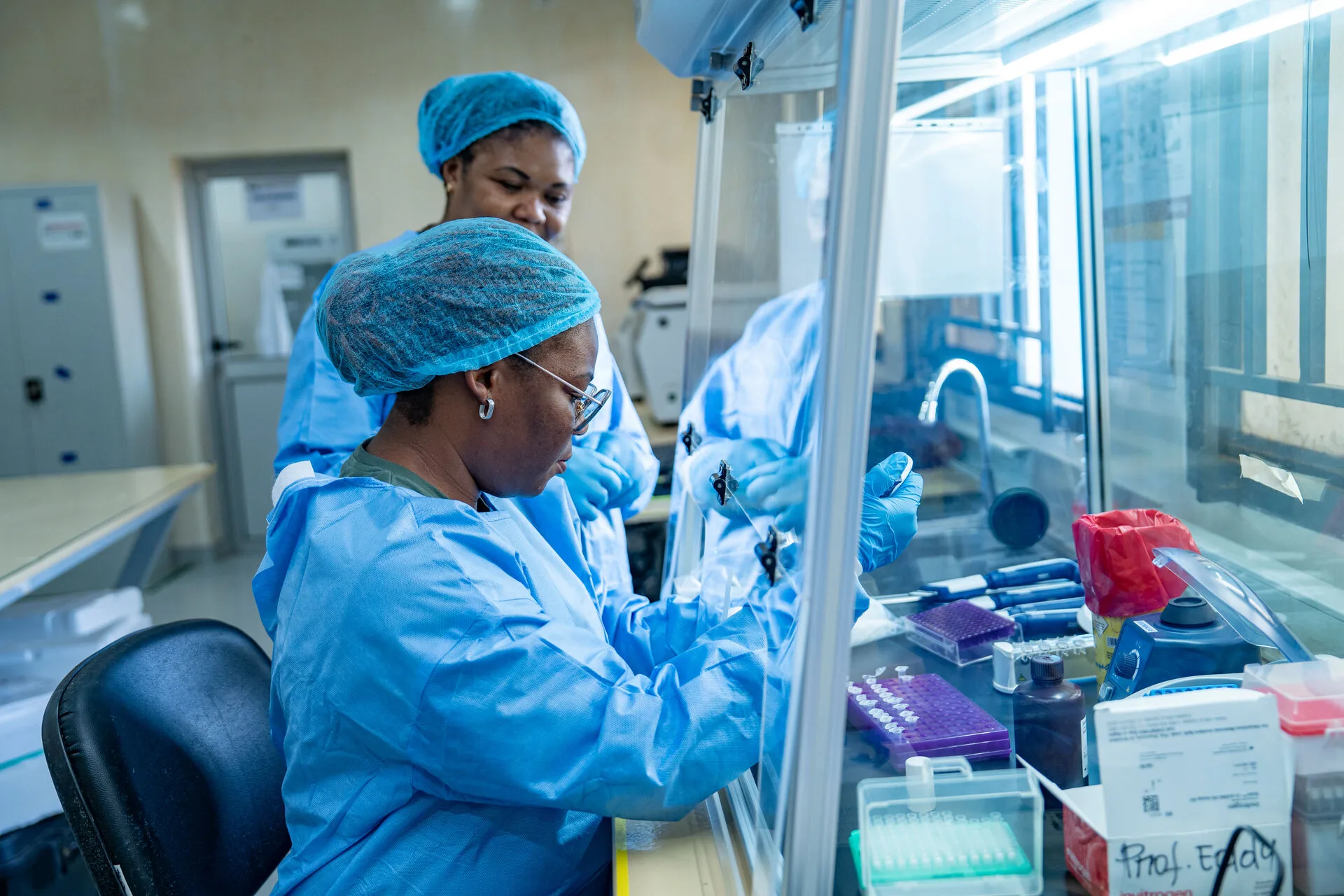
Ebola Bundibugyo Test

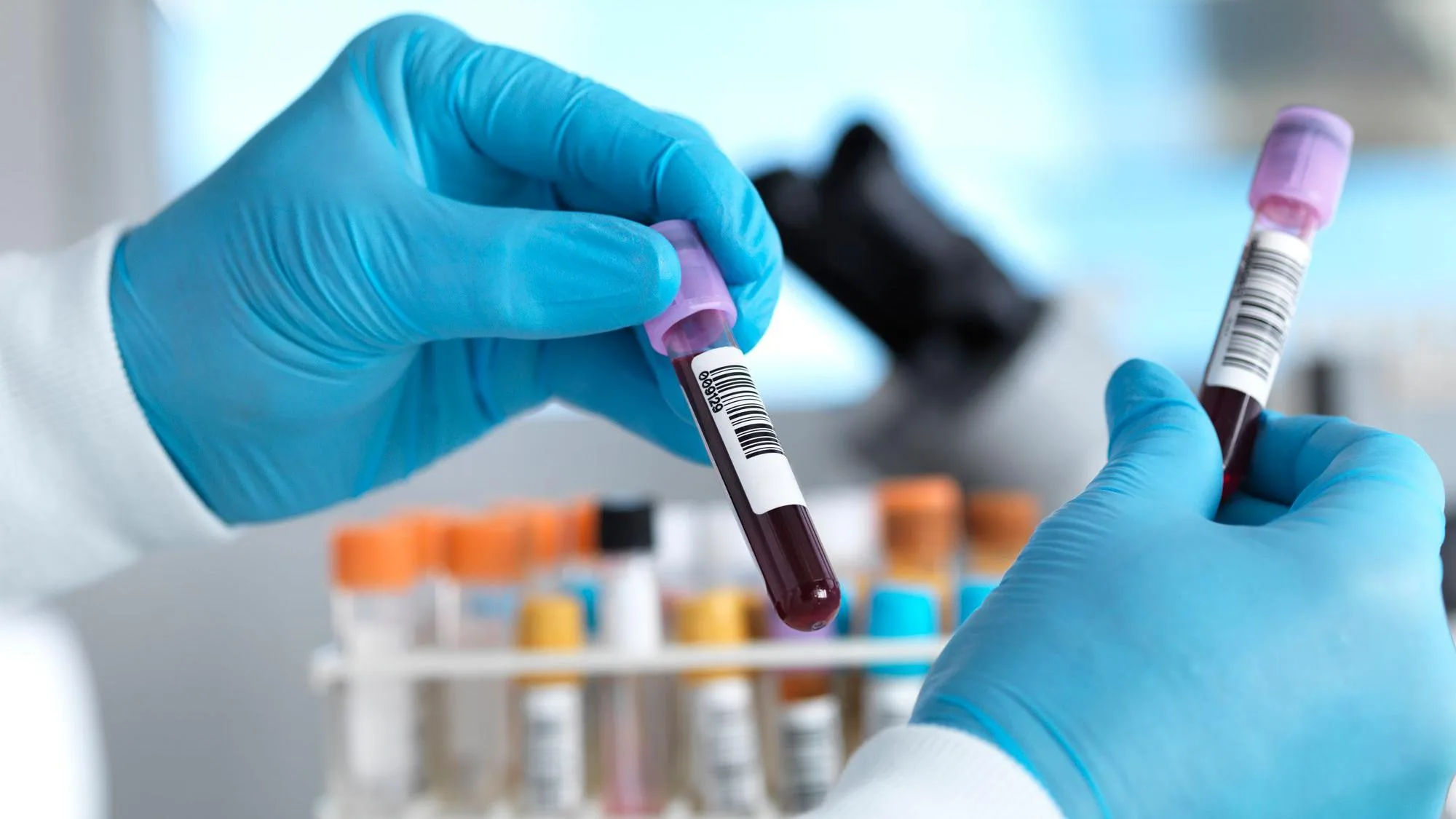
Ebola Bundibugyo Test has become a major development in global health after the World Health Organization approved its emergency use. This new diagnostic tool helps detect the Bundibugyo strain of the Ebola virus, which has caused a serious outbreak in parts of Africa. The test is designed to identify the virus quickly using blood samples, making it easier for health workers to confirm infections in real time.
Thank you for reading this post, don't forget to subscribe!This step is important as early detection plays a key role in controlling the spread of deadly diseases.
Understanding Bundibugyo Virus
The Bundibugyo virus is a type of Ebola virus that causes severe illness in humans.
It was first discovered in Uganda in 2007.
Unlike other Ebola strains, this variant has different characteristics, which makes detection and treatment more challenging.

Why This Test Matters
The Ebola Bundibugyo Test fills a major gap in existing healthcare tools.
Earlier diagnostic systems mainly focused on another strain known as Zaire Ebola.
Because of this, Bundibugyo cases were harder to confirm quickly.
Now, this new test provides a more accurate and targeted approach.
How the Test Works
The test uses molecular technology to detect the virus’s genetic material.
This means it can identify infection even in early stages.
It works by analyzing RNA in blood samples.
Such advanced methods help doctors take faster action.
Emergency Use Approval
The World Health Organization added this test to its emergency use list.
This process allows new medical tools to be used during urgent health situations.
It ensures that safety and effectiveness are reviewed quickly.
Current Outbreak Situation
The outbreak linked to the Bundibugyo virus has affected many people.
The Democratic Republic of the Congo has reported a large number of cases.
The situation has raised global concern due to the spread and impact of the disease.
Rising Need for Better Testing
Testing capacity has increased significantly in affected regions.
More laboratories are now equipped to handle large numbers of samples.
This helps in tracking the disease and preventing further spread.
Public Health Emergency
The outbreak has been declared a serious global health concern.
This status helps countries and organizations respond more quickly.
It also increases international support and coordination.
Technology in Disease Control
The Ebola Bundibugyo Test shows how technology is improving healthcare.
Modern diagnostic tools are helping doctors identify diseases faster.
This leads to better treatment and containment.
Global Health Efforts
Countries and health organizations are working together to control the outbreak.
Efforts include testing, treatment, and awareness campaigns.
International cooperation is key in handling such situations.
Surveillance and Monitoring
Health authorities are closely monitoring the situation.
Regular updates help track progress and identify new cases.
This information is important for planning responses.
Related Health Concerns
Apart from Ebola, other diseases are also being watched.
For example, Marburg virus cases have been reported in some areas.
This shows the need for strong healthcare systems.
Importance of Quick Response
Quick action can save lives during outbreaks.
The Ebola Bundibugyo Test allows faster diagnosis.
This helps reduce delays in treatment and isolation.
Strengthening Healthcare Systems
The Ebola Bundibugyo Test also highlights the need to improve healthcare systems in vulnerable regions. Better infrastructure, trained staff, and access to modern tools can make a big difference in handling outbreaks. As global health challenges continue to grow, investments in medical technology and preparedness are becoming more important than ever.
Community Awareness and Local Action
Local communities play a very important role in controlling the spread of Ebola. Awareness about symptoms, hygiene, and early reporting can help reduce infections. Health teams are working closely with local leaders to share simple and clear information so people can protect themselves and their families.
Importance of International Support
Global support has become essential in managing outbreaks like this. Countries, NGOs, and health agencies are providing medical supplies, funding, and trained professionals. This combined effort helps improve testing, treatment, and monitoring in affected regions, making the response more effective.
Future Preparedness and Research
The Ebola Bundibugyo Test also opens the door for more research and innovation. Scientists are now focusing on developing better vaccines and treatments for different Ebola strains. With improved research and preparedness, the world can respond faster and more efficiently to future outbreaks.