Important Judgements of Independent India: Landmark Supreme Court Cases

Important Judgements of Independent India have played a major role in shaping the country’s democracy, laws, and citizens’ rights. Since the Constitution of India came into force in 1950, the Supreme Court of India has acted as the guardian of the Constitution. It protects fundamental rights and ensures that the government works within constitutional limits.
Thank you for reading this post, don't forget to subscribe!Over the years, many Supreme Court decisions have changed Indian society. These judgments are not only important legal decisions but also milestones that strengthened democracy, equality, freedom, and justice. Below are some of the most important judgments of independent India.
Kesavananda Bharati v. State of Kerala (1973)
Main Theme: Basic Structure Doctrine of the Constitution
The Kesavananda Bharati case is one of the most important judgments in Indian history. Before this case, Parliament had wide powers to amend the Constitution, including Fundamental Rights.
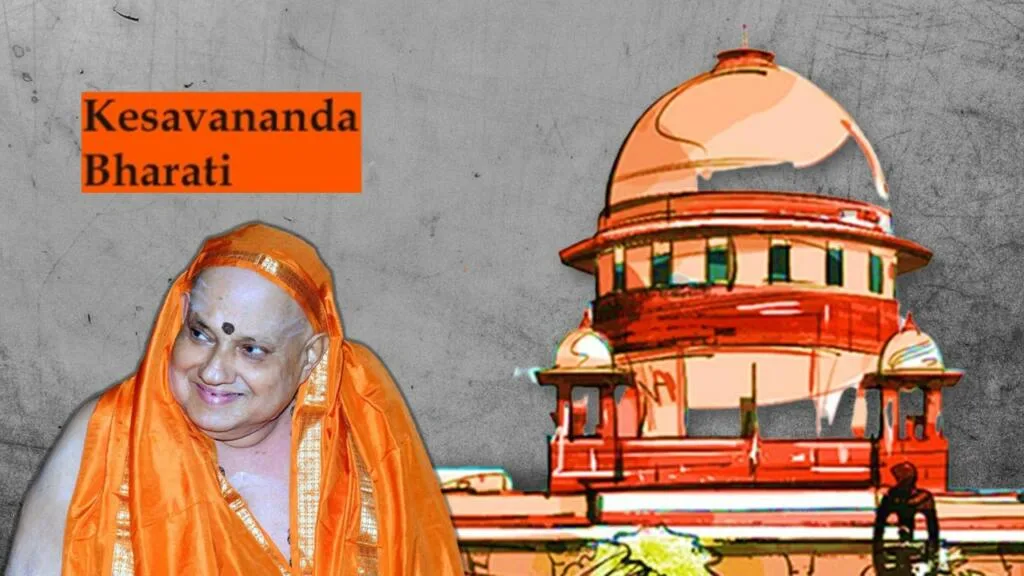
The main question before the Supreme Court was whether Parliament could change any part of the Constitution without limits.
The Supreme Court gave a historic judgment. It said that Parliament can amend the Constitution, but it cannot destroy its basic structure.
This became known as the Basic Structure Doctrine.
Some important parts of the basic structure include:
- Democracy
- Rule of law
- Judicial review
- Separation of powers
- Federal structure
- Fundamental rights
This judgment protected the Constitution from misuse by any government. It also gave the Supreme Court the power to stop unconstitutional amendments.
Evolution of Basic Structure
Earlier cases gave Parliament more power:
- Shankari Prasad Case (1951): Parliament could amend Fundamental Rights.
- Sajjan Singh Case (1965): Similar decision supporting Parliament.
- Golaknath Case (1967): Supreme Court said Parliament cannot amend Fundamental Rights.
After the Golaknath case, the government passed the 24th, 25th, 26th, and 29th Constitutional Amendments. These amendments were challenged in the Kesavananda case, leading to this landmark judgment.
Maneka Gandhi v. Union of India (1978)
Main Theme: Expanded Right to Life under Article 21
This judgment changed the meaning of Article 21, which says:
“No person shall be deprived of his life or personal liberty except according to procedure established by law.”
Earlier, if a law was passed properly, courts usually accepted it even if it seemed unfair.
The Maneka Gandhi judgment changed this approach.
The Supreme Court ruled that any law affecting life or liberty must be:
- Fair
- Just
- Reasonable
This meant the government could not take away a person’s liberty using unfair laws.
Because of this judgment, Article 21 became much broader. Today, many rights come under Article 21, such as:
- Right to dignity
- Right to privacy
- Right to clean environment
- Right to education
- Right to legal aid
This case made the Supreme Court a stronger protector of personal freedom.
Mohammed Ahmed Khan v. Shah Bano Begum (1985)
Main Theme: Rights of Divorced Muslim Women
The Shah Bano case became one of the most debated judgments in India.
Shah Bano, a divorced Muslim woman, asked for maintenance from her husband after divorce. The main issue was whether a Muslim woman could claim maintenance under criminal law.
The Supreme Court ruled in favor of Shah Bano and said she had the right to receive maintenance.
This judgment was important because:
- It supported women’s rights
- It raised questions about personal laws
- It started debate on Uniform Civil Code (UCC)
The decision became a milestone in the fight for justice and equality for Muslim women in India.
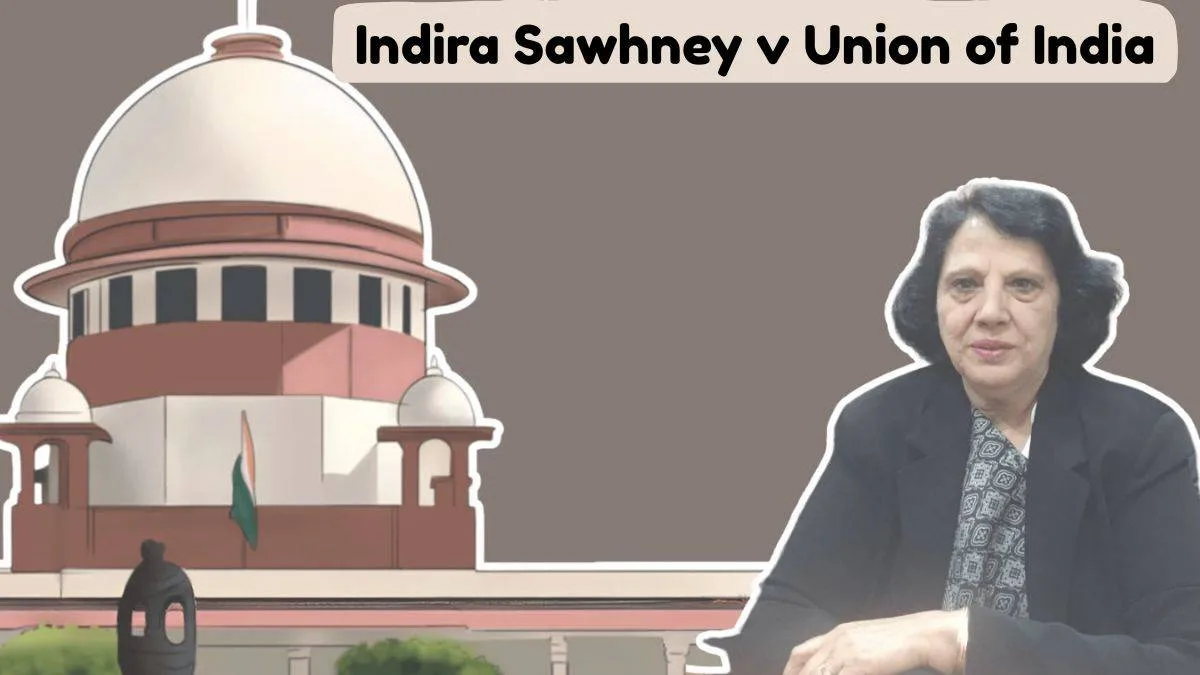
Indra Sawhney v. Union of India (1992)
Main Theme: Reservation Policy and Creamy Layer
This case is also known as the Mandal Commission case.
The issue was about reservation for Other Backward Classes (OBCs) in government jobs.
The Supreme Court upheld reservation for OBCs but added important rules.
Major Points of Judgment
- Reservation for OBCs is valid
- Advanced sections among OBCs must be excluded
- This advanced section is called Creamy Layer
- Total reservation should generally not exceed 50%
The Court also said reservation should apply in initial appointments, not promotions.
This judgment became the foundation of India’s reservation system.
Vishaka v. State of Rajasthan (1997)
Main Theme: Protection from Sexual Harassment at Workplace
The Vishaka case changed workplace safety for women in India.
At that time, India had no law against sexual harassment at workplaces.
The Supreme Court stepped in and created the Vishaka Guidelines to protect women.
The Court defined sexual harassment as unwelcome behavior such as:
- Physical contact or advances
- Demand for sexual favors
- Sexually colored remarks
- Showing pornography
- Unwanted verbal or non-verbal sexual behavior
Vishaka Guidelines
The Court ordered employers to:
- Prevent sexual harassment
- Create complaint systems
- Form complaint committees
- Ensure confidentiality
- Support victims
The complaint committee had to:
- Be headed by a woman
- Have at least 50% women members
These guidelines remained in force until India passed the Sexual Harassment of Women at Workplace Act, 2013.
This judgment greatly improved workplace safety for women.
Aruna Shanbaug v. Union of India (2011)
Main Theme: Passive Euthanasia
The Aruna Shanbaug case started national debate on euthanasia.
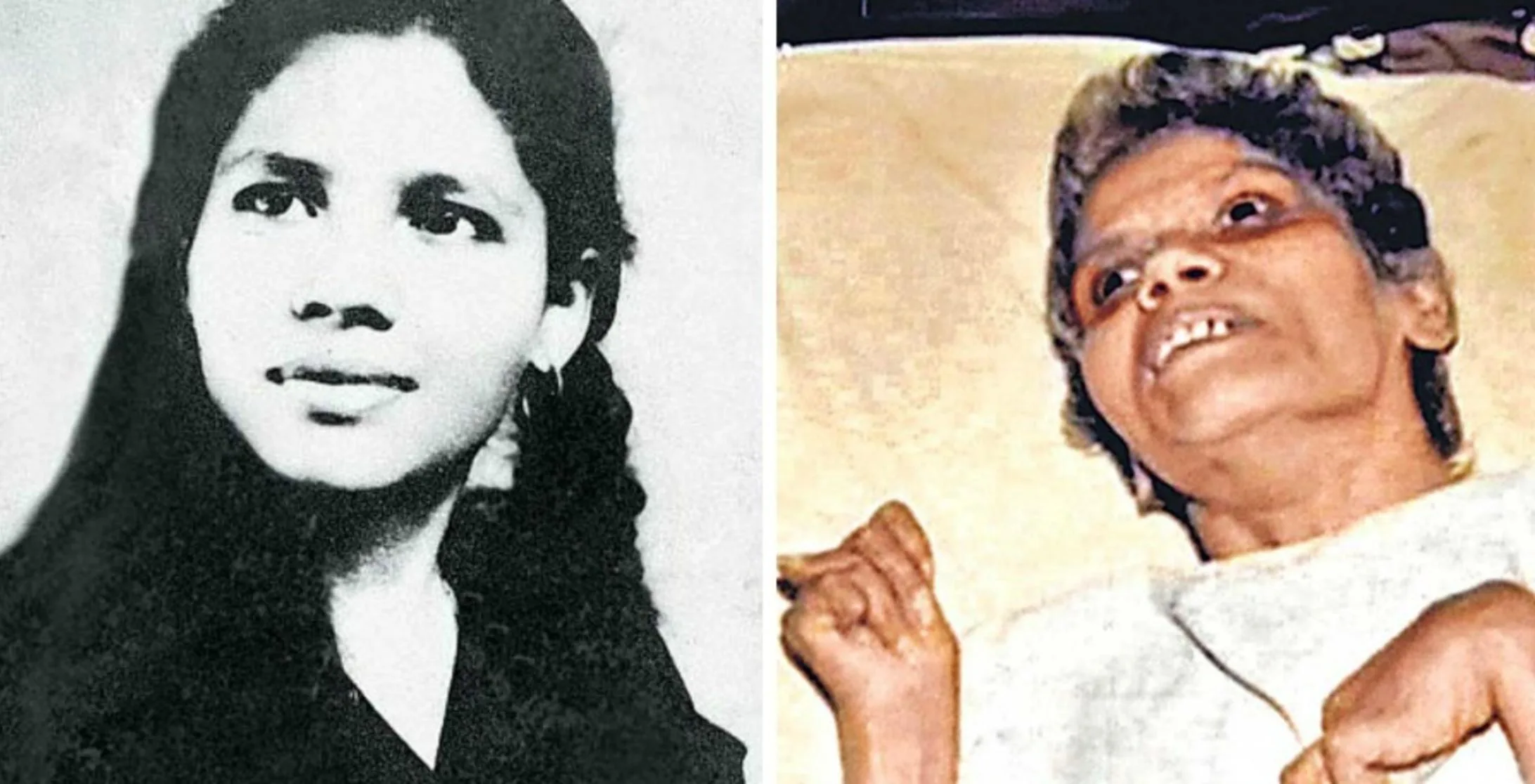
Aruna Shanbaug was in a vegetative state for many years after a brutal attack. A petition was filed asking permission to withdraw life support.
The Supreme Court recognized passive euthanasia in 2011.
What is Passive Euthanasia?
Passive euthanasia means stopping medical treatment or life-support systems of a terminally ill patient to allow natural death.
The Court allowed passive euthanasia under strict conditions.
Later, in 2018, the Supreme Court also recognized the concept of a living will.
Living Will
A living will allows a person to state in advance that life support can be withdrawn if they become permanently unconscious with no chance of recovery.
This judgment brought dignity and patient choice into end-of-life care discussions.
Lily Thomas v. Union of India (2013)
Main Theme: Immediate Disqualification of Convicted Lawmakers
This case focused on Section 8(4) of the Representation of the People Act, 1951.
Earlier, MPs and MLAs could continue in office for three months after conviction while filing appeals.
The Supreme Court struck down this rule.
The Court said:
- Convicted lawmakers will be immediately disqualified
- They cannot remain MPs or MLAs after conviction
This judgment strengthened political accountability and reduced protection for convicted politicians.
It was an important step toward cleaner politics in India.
Justice K.S. Puttaswamy v. Union of India (2017)
Main Theme: Right to Privacy is a Fundamental Right
The Puttaswamy judgment is one of the most important modern constitutional decisions.
A nine-judge bench of the Supreme Court unanimously ruled that Right to Privacy is a Fundamental Right under Article 21.
The Court said privacy is essential for:
- Human dignity
- Liberty
- Personal freedom
- Individual identity
This judgment affected many modern issues such as:
- Digital privacy
- Data protection
- Aadhaar
- Surveillance
Proportionality Test
The Court said the government can limit privacy only if three conditions are met:
- There must be a valid law
- The law must serve a legitimate state purpose
- The action must be necessary and proportionate
This means privacy cannot be violated without strong legal justification.
The judgment became a major foundation for digital rights in India.
Navtej Singh Johar v. Union of India (2018)
Main Theme: Decriminalisation of Homosexuality
The Navtej Singh Johar case changed the lives of millions of Indians.
Section 377 of the Indian Penal Code (IPC) criminalized certain consensual relationships between adults.
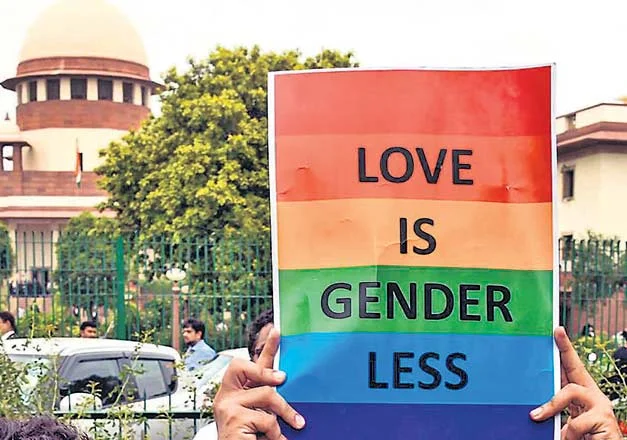
The petition challenged this law as unconstitutional.
The Supreme Court struck down the part of Section 377 that criminalized consensual same-sex relationships between adults.
The Court held that this law violated:
- Article 14 (Equality)
- Article 15 (Non-discrimination)
- Article 19 (Freedom of expression)
- Article 21 (Life and liberty)
The Court said sexual orientation is a natural part of identity.
This judgment promoted:
- Equality
- Human dignity
- Freedom
- Inclusion
It became a historic victory for LGBTQ+ rights in India.
Why These Judgements Matter
These important judgments of independent India shaped the country’s legal system and social progress. They show how the Supreme Court has protected citizens from unfair laws and misuse of power.
These landmark cases helped strengthen:
- Democracy
- Equality
- Freedom
- Privacy
- Women’s rights
- Social justice
From protecting the Constitution in Kesavananda Bharati to recognizing privacy in Puttaswamy, these judgments continue to influence Indian society.
The Supreme Court remains one of the strongest pillars of Indian democracy, ensuring that justice, liberty, equality, and dignity remain protected for every citizen.
FAQs
1. What are the important judgements of independent India?
Important judgements of independent India are landmark Supreme Court decisions that changed laws, protected constitutional rights, and strengthened democracy. Some major cases include Kesavananda Bharati, Maneka Gandhi, Vishaka, and Puttaswamy.
2. Why is the Kesavananda Bharati case important?
The Kesavananda Bharati case is important because it introduced the Basic Structure Doctrine. It stated that Parliament can amend the Constitution but cannot change its basic structure.
3. What was the impact of the Maneka Gandhi judgment?
The Maneka Gandhi judgment expanded the meaning of Article 21 and said that laws affecting life and liberty must be fair, just, and reasonable.
4. What is the Vishaka judgment?
The Vishaka judgment created guidelines to prevent sexual harassment at workplaces and helped protect women employees in India.
5. Why is the Puttaswamy case famous?
The Puttaswamy case is famous because the Supreme Court declared Right to Privacy as a Fundamental Right under Article 21.
6. What did the Navtej Singh Johar judgment do?
The Navtej Singh Johar judgment decriminalized consensual same-sex relationships between adults by striking down parts of Section 377 of IPC.
7. What is the Basic Structure Doctrine?
The Basic Structure Doctrine means certain core features of the Indian Constitution, such as democracy and judicial review, cannot be changed by Parliament.
8. Which judgement strengthened women’s rights in India?
Several judgments strengthened women’s rights, including Shah Bano, Vishaka, and other gender justice related cases.
9. Why are Supreme Court judgments important in India?
Supreme Court judgments are important because they interpret the Constitution, protect citizens’ rights, and ensure justice.
10. Which is the most famous Supreme Court case in India?
The Kesavananda Bharati case (1973) is often considered the most famous because it protected the basic structure of the Constitution.