


WII Society Meeting Focuses on Wildlife Conservation

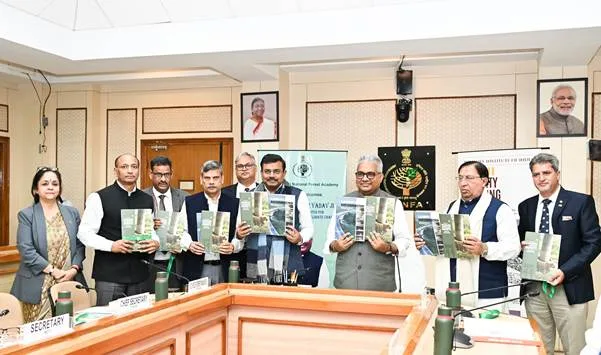
WII Society Meeting brought attention to key issues in wildlife conservation as the 28th meeting of the Wildlife Institute of India Society was held in Coimbatore. The meeting was led by Bhupender Yadav, who plays an important role in shaping environmental policies in the country. The gathering focused on improving research, training, and management strategies related to wildlife conservation in India.
Thank you for reading this post, don't forget to subscribe!Role of the Wildlife Institute of India
The WII Society Meeting also highlighted the role of the Wildlife Institute of India as a leading organisation in the field of conservation. Based in Dehradun, the institute works on wildlife research, training, and advisory services. It supports government policies and helps develop strategies for protecting biodiversity. Its work is important for maintaining ecological balance. Through research and field studies, the institute contributes valuable insights into wildlife management.
New Term and Structure of the Society
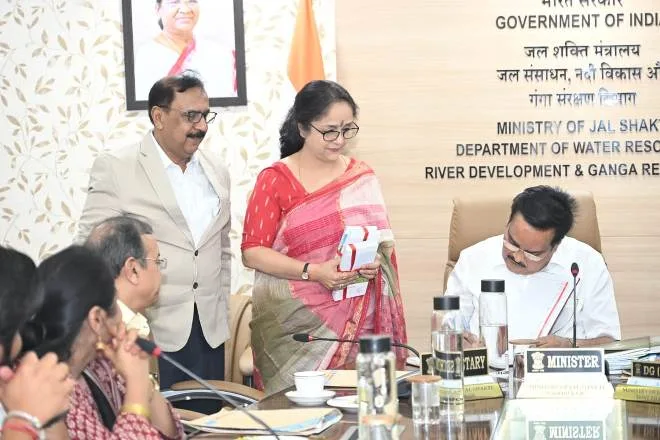
The WII Society Meeting marked the beginning of a new phase after the reconstitution of the Society. Members have been appointed for a three-year term. The group includes both nominated members and officials who hold positions by default. This structure helps bring together different perspectives and expertise. Such a setup supports better decision-making and planning.
Focus on National Vision and Goals
During the WII Society Meeting, discussions were aligned with the broader national vision for development and sustainability. The institute aims to support long-term goals related to environment and conservation. This includes improving wildlife protection while balancing human needs. The focus is on creating sustainable solutions that benefit both nature and communities. These efforts are part of a larger approach to environmental planning.
Addressing Human-Wildlife Conflict
One of the key topics in the WII Society Meeting was human-wildlife conflict. This issue has become more common due to habitat loss and changes in land use. Animals often come into contact with human settlements, leading to challenges for both sides. Managing this conflict requires careful planning and innovative solutions. The institute is working on strategies to reduce such incidents and promote peaceful coexistence.
Use of Technology in Conservation
The WII Society Meeting also emphasised the role of technology in wildlife management. Tools like remote sensing, tracking systems, and data analysis are being used to monitor animal movements and habitats. Technology helps in making better decisions and improving conservation outcomes. It also allows researchers to collect accurate and timely data. This approach reflects how modern methods are shaping traditional conservation practices.
Capacity Building and Training
Another important aspect discussed in the WII Society Meeting was capacity building. Training programmes are essential for forest officials, researchers, and conservation workers. These programmes cover topics like field ecology, wildlife laws, and protected area management. They help build skills needed for effective conservation. Investing in training ensures that people involved in wildlife protection are well-prepared.
Participation and Contributions
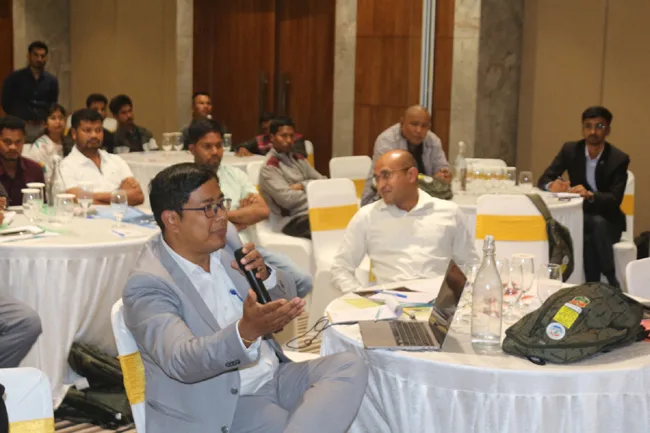
The WII Society Meeting included participation from various experts and officials. Dr. G.S. Bhardwaj presented an overview of the institute’s work and achievements. Other participants also shared their views and suggestions. Such discussions help improve strategies and bring new ideas into action. Collaboration between different stakeholders is important for success in conservation efforts.
Future Scientific Roadmap
The WII Society Meeting approved a plan for future research and activities. The focus will be on biodiversity conservation, wildlife research, and technical support for management. These goals aim to strengthen the institute’s role in addressing environmental challenges. Research will continue to play a key role in guiding policies and actions. This roadmap sets the direction for the next few years.
WII Society Meeting in Today’s Context
The WII Society Meeting reflects the growing importance of environmental conservation in today’s world. With increasing pressure on natural resources, protecting wildlife has become more important than ever. Efforts like these help create awareness and encourage action at different levels. They also show how institutions are working towards sustainable development. By combining research, technology, and policy support, the institute continues to contribute to India’s conservation journey.