



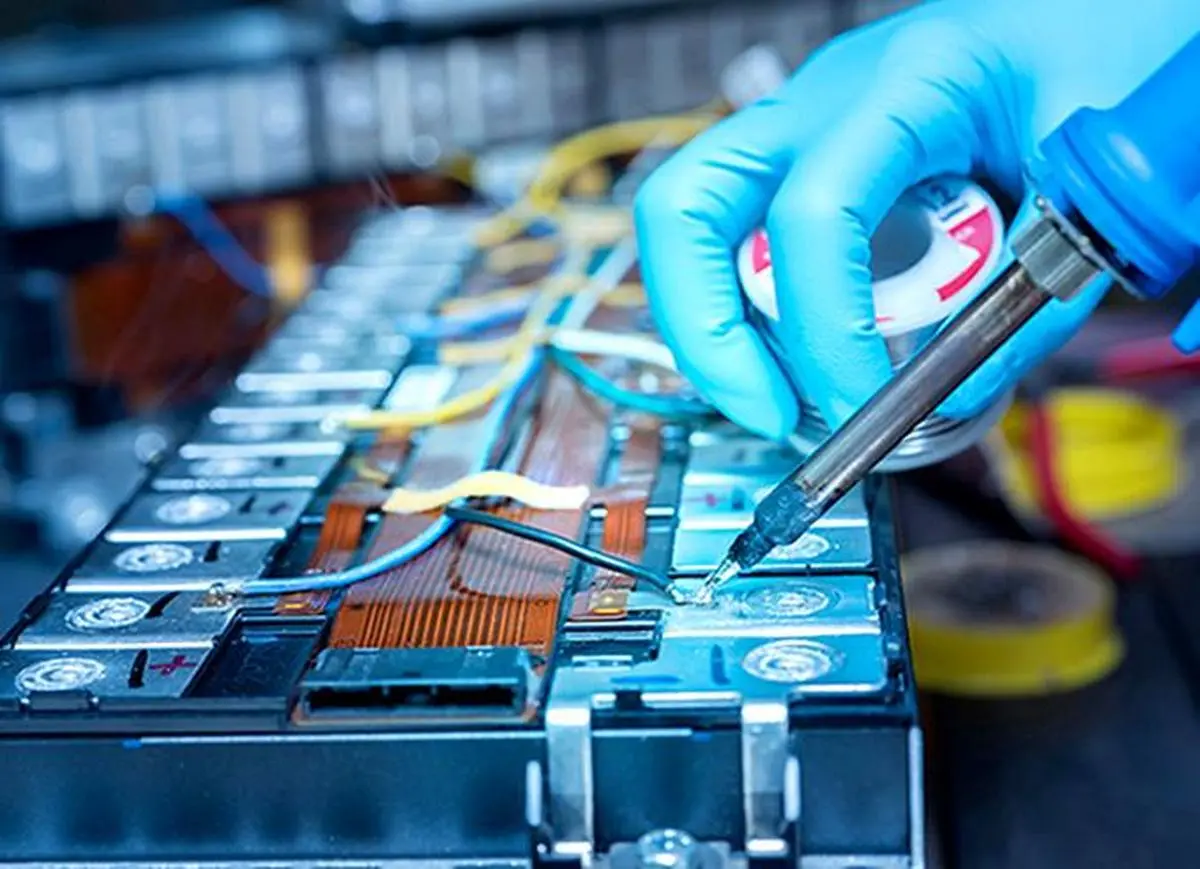
Customs Duty Waiver Boosts Electronics Manufacturing

Customs Duty Waiver has become an important step by the Government of India to strengthen the country’s electronics manufacturing sector. On 9 July 2026, the government announced that it has removed the Basic Customs Duty (BCD) on several imported goods used to manufacture display assemblies, lithium-ion cells, wireless charging modules, and other electronic components. This exemption will remain in effect until 31 March 2029.
Thank you for reading this post, don't forget to subscribe!The decision is expected to reduce manufacturing costs, improve local production, and help India become a stronger global electronics manufacturing hub. It also supports the government’s long-term plans to increase domestic production under the Make in India and Production Linked Incentive (PLI) programmes.
What Is the Customs Duty Waiver?
Basic Customs Duty is a tax charged on goods imported into India under the Customs Act, 1962. Companies importing raw materials or components generally have to pay this duty before using them in manufacturing.
Under the latest decision, the government has removed this duty on selected goods that are used for making important electronic products. This means manufacturers can import these components at a lower cost, making production more affordable.
The exemption has been introduced through three separate notifications issued by the Ministry of Finance and will remain valid until 31 March 2029.
Which Components Are Covered?
The customs duty exemption covers several important components used in modern electronics manufacturing. These include:
- Parts used in display module assemblies
- Lithium-ion battery cells
- Inductor coil modules
- NFC coils for wireless charging
- NdFeB (Neodymium-Iron-Boron) magnets
- Selected machinery and equipment used in electronics manufacturing
- Components used in lithium-ion battery production
These parts are essential for manufacturing many devices that people use every day.
Products That Will Benefit
The exempted components are used in a wide range of electronic products, including:
- Smartphones
- Laptops
- Tablets
- Smart televisions
- Smartwatches and wearable devices
- Electric vehicle batteries
- Medical equipment
- Automotive electronic systems
- Industrial electronic devices
Since these products depend on imported components, reducing import duty can lower production costs and improve manufacturing efficiency.
Support for India’s Electronics Industry
India’s electronics industry has grown rapidly over the last few years. Global companies have expanded manufacturing in India, while domestic companies have increased production of smartphones, laptops, and electronic accessories.
The latest customs duty waiver supports this growth by making imported manufacturing inputs more affordable. Lower production costs can encourage companies to invest more in Indian factories and increase production capacity.
Many Electronics Manufacturing Services (EMS) companies and battery manufacturers are expected to benefit from this policy.
Connection with the PLI Scheme
The customs duty exemption is closely linked with the government’s Production Linked Incentive (PLI) Scheme.
The PLI Scheme provides financial incentives to companies that manufacture electronic products in India. It aims to increase production, attract investment, create jobs, and reduce dependence on imports.
By removing customs duty on important manufacturing inputs, the government is making the PLI Scheme even more effective. Companies can now manufacture products at lower costs while receiving production-based incentives.
Impact on Lithium-Ion Battery Manufacturing
Lithium-ion batteries have become one of the fastest-growing sectors in India because they are used in:
- Smartphones
- Laptops
- Electric vehicles (EVs)
- Solar energy storage systems
- Portable electronic devices
India is working to build a stronger domestic battery manufacturing ecosystem to reduce imports and support clean energy.
The customs duty waiver on battery manufacturing inputs is expected to help companies increase local production and support the country’s electric mobility goals.
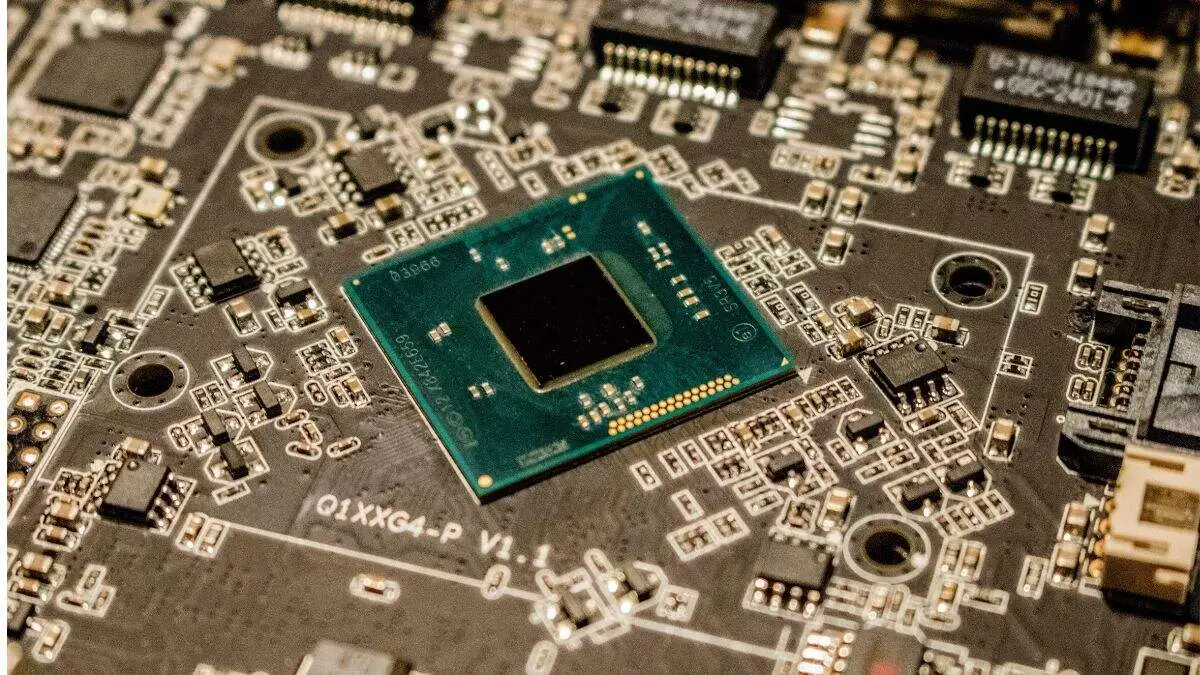
Wireless Charging Components Included
Another important feature of the announcement is the exemption on components used in wireless charging modules.
These include:
- NFC coils
- NdFeB magnets
- Other supporting electronic parts
Wireless charging technology is becoming common in premium smartphones, smartwatches, earbuds, and other consumer electronics. Lower import costs may encourage more manufacturers to produce these products in India.
Why NdFeB Magnets Matter
NdFeB magnets, also known as Neodymium-Iron-Boron magnets, are among the strongest permanent magnets available.
They are widely used in:
- Smartphones
- Speakers
- Electric motors
- Wireless charging systems
- Medical devices
- Electric vehicles
- Industrial equipment
These magnets help electronic devices become smaller, lighter, and more energy-efficient.
Benefits for Consumers
Although the exemption is mainly aimed at manufacturers, consumers may also benefit over time.
Possible advantages include:
- Lower manufacturing costs
- Faster production
- Increased availability of electronic products
- Better supply of smartphones and laptops
- Improved battery manufacturing within India
- Stronger domestic electronics ecosystem
While retail prices depend on several market factors, reduced production costs can help manufacturers remain competitive.
Growing Electronics Manufacturing in India
India has become one of the world’s largest smartphone manufacturing countries. Several global brands now manufacture devices within the country.
In recent years, India has also expanded production of:
- Semiconductor-related components
- Consumer electronics
- Electric vehicle batteries
- Telecom equipment
- Wearable technology
Government policies such as the PLI Scheme, Make in India initiative, and customs duty reforms continue to encourage new investments.
Recent Developments in the Electronics Sector
The customs duty waiver comes at a time when India is focusing on strengthening its technology and manufacturing sector.
Some recent developments include:
- Expansion of semiconductor manufacturing projects.
- Growth in electronics exports to global markets.
- Increased investment in battery manufacturing for electric vehicles.
- New production facilities announced by several global electronics companies.
- Continued support through Make in India and Digital India initiatives.
These developments are helping India become an important destination for electronics manufacturing and technology investment.
Future Outlook
The customs duty exemption will remain effective until 31 March 2029, giving manufacturers long-term policy stability.
With lower import costs for essential components, companies can plan future investments, expand production facilities, and improve manufacturing efficiency. Combined with government support for electronics, batteries, and semiconductor manufacturing, this policy is expected to contribute to the continued growth of India’s technology sector.