Rafale Deal Approved: India Clears ₹3.6 Lakh Crore Defence Push to Strengthen Military Power

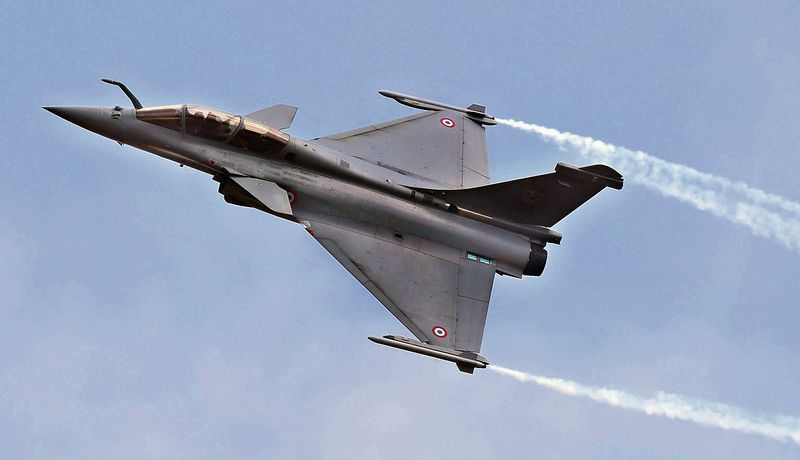
Rafale Deal Approved has emerged as a major headline after India cleared one of its biggest defence procurement plans in recent years. The government has given approval to projects worth around ₹3.6 lakh crore, showing a clear intent to strengthen national security at a time of rising regional challenges. The decision was taken by the Defence Acquisition Council (DAC), which is the highest decision-making body for capital defence purchases.
Thank you for reading this post, don't forget to subscribe!The clearance covers a wide range of military needs, from fighter jets and missiles to surveillance platforms and naval systems. At the heart of the announcement is the approval to move ahead with the acquisition of 114 Rafale fighter jets under the Multi Role Fighter Aircraft programme.
114 Rafale Jets to Strengthen Air Power
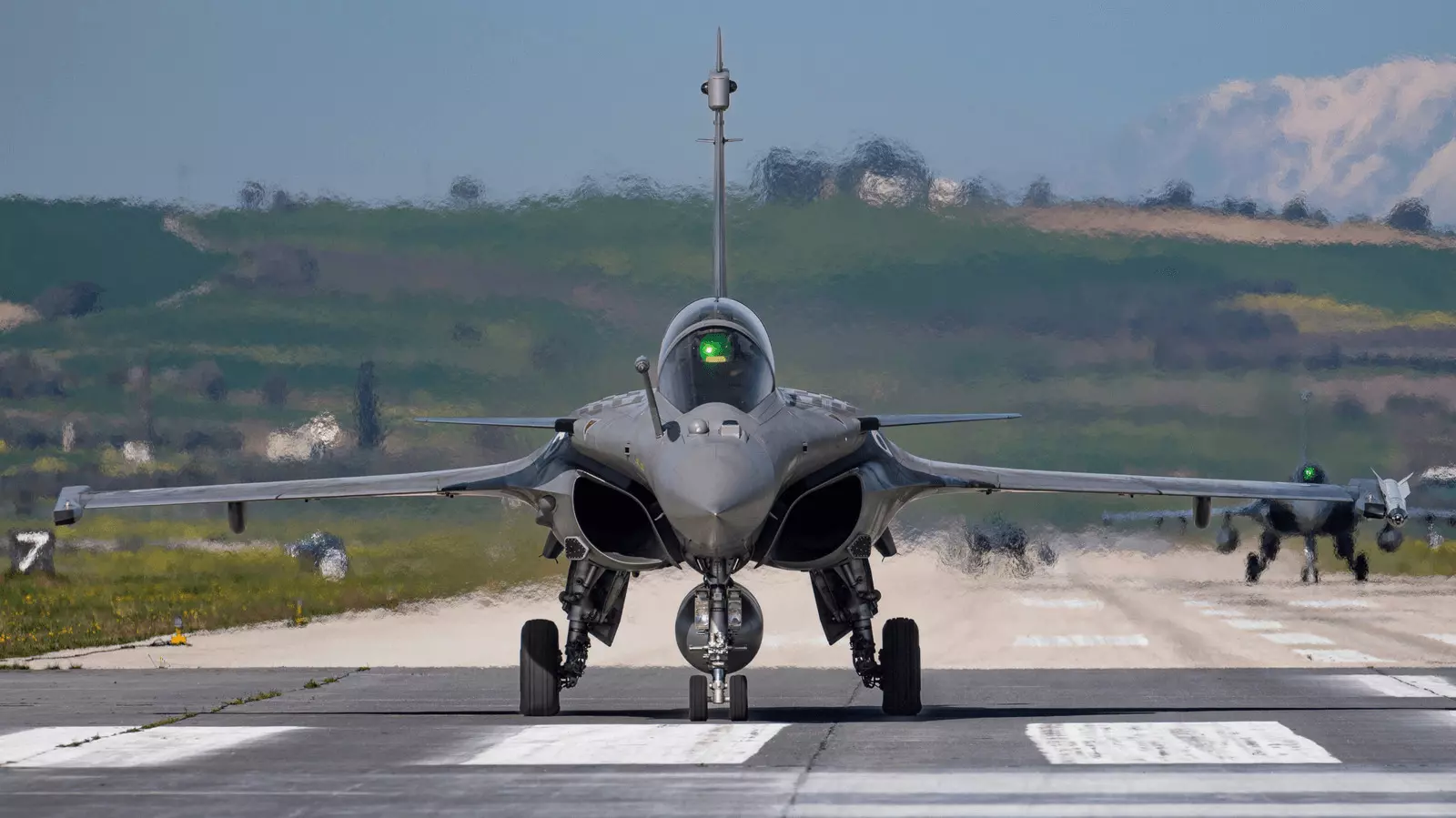
The Rafale Deal Approved decision includes Acceptance of Necessity for 114 Rafale fighter aircraft. This step allows the programme to move forward into technical and commercial discussions. A key highlight is that most of these aircraft are expected to be built in India, supporting the Make in India initiative and helping the domestic aerospace industry grow.
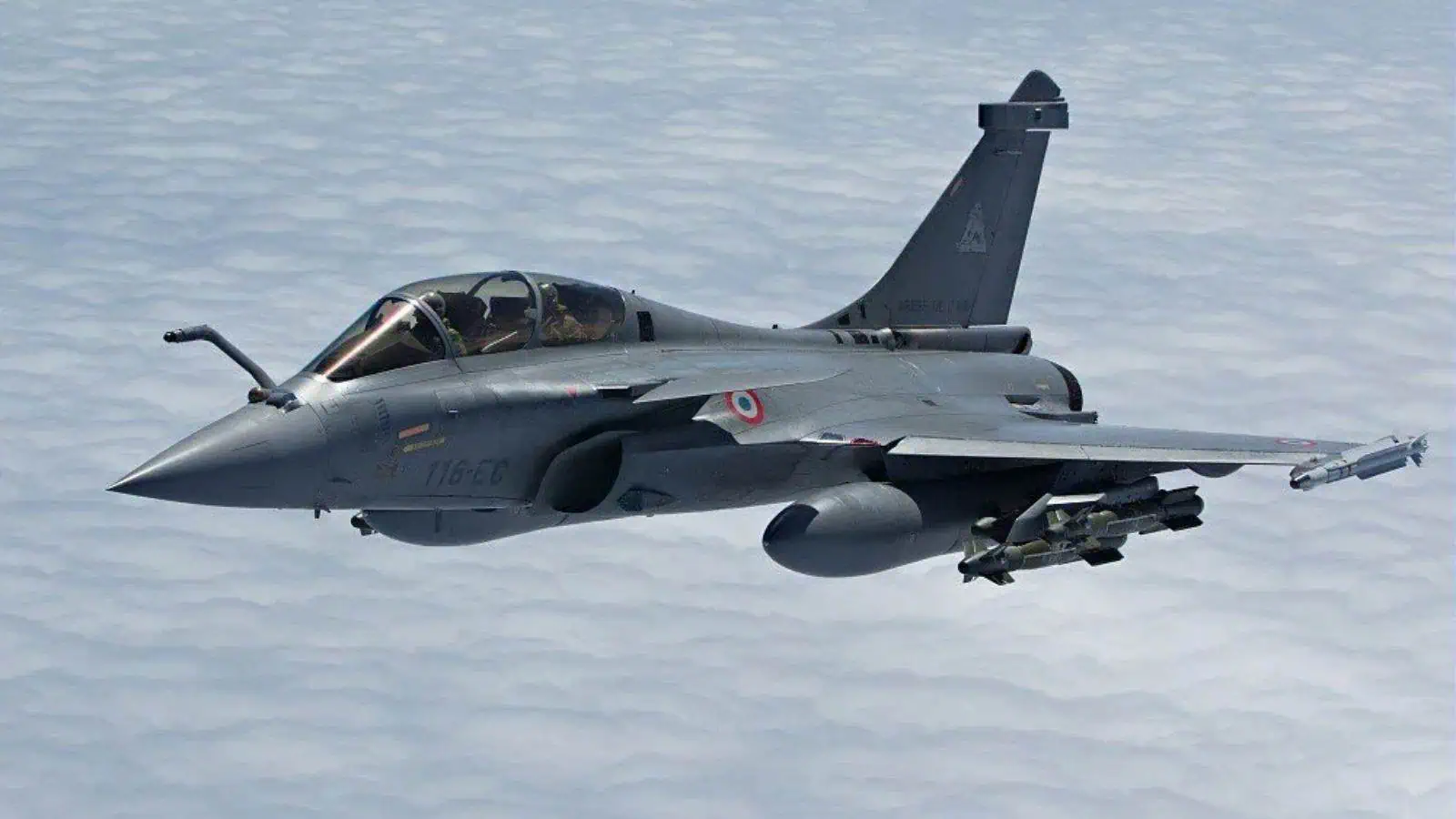
For the Indian Air Force, this induction is crucial. The IAF is currently operating with fewer squadrons than required, while facing security pressures on both western and northern borders. Rafale jets are known for their advanced sensors, long-range strike ability, and multi-role performance. Their addition will improve air dominance, precision attack capability, and overall readiness of the air force.
The decision also sends a strong message about India’s long-term commitment to modernising its combat aircraft fleet.
Advanced Missiles and New Surveillance Systems
Along with the fighter jets, the Rafale Deal Approved package includes advanced combat missiles. These weapons will give India stronger stand-off attack capability, allowing targets to be hit accurately from long distances. This improves both pilot safety and mission success.
Another important approval is for the Air-Ship Based High Altitude Pseudo Satellite system, also known as AS-HAPS. These platforms operate high in the stratosphere and can stay in the air for long periods. They will support intelligence, surveillance and reconnaissance missions, along with electronic intelligence, secure communication and remote sensing. This capability will greatly expand India’s ability to monitor large areas without relying only on satellites.
Army Modernisation Gets a Boost
The Rafale Deal Approved decision also covers key requirements of the Indian Army. Approval has been granted for the procurement of Vibhav anti-tank mines, which are designed to stop or slow down enemy armoured movement. These mines will be part of an integrated system to protect vulnerable areas during conflict.
In addition, the Army will upgrade and overhaul several existing platforms, including Armoured Recovery Vehicles, T-72 tanks, and BMP-II Infantry Combat Vehicles. These upgrades are meant to extend the service life of existing equipment while keeping them effective on the modern battlefield. Instead of replacing everything at once, India is focusing on improving what it already has, which is both practical and cost-effective.
Navy and Coast Guard Capabilities Enhanced
India’s maritime forces are also set to benefit from this major clearance. The Indian Navy has received approval for a 4 MW Marine Gas Turbine-based Electric Power Generator. This project falls under the Make-I category of the Defence Acquisition Procedure, encouraging indigenous design and development while reducing dependence on foreign suppliers.
The Navy will also acquire additional P-8I Long-Range Maritime Reconnaissance Aircraft. These aircraft play a vital role in anti-submarine warfare, maritime surveillance, and long-range strike missions. With increasing activity in the Indian Ocean region, stronger maritime awareness is seen as essential.
The Indian Coast Guard will enhance its surveillance capabilities through the procurement of Electro-Optical and Infra-Red systems for Dornier aircraft. These systems will improve coastal monitoring, search and rescue operations, and overall maritime domain awareness.
Strategic Importance of the Rafale Deal Approved Decision
The Rafale Deal Approved announcement reflects a broader shift in India’s defence planning. Instead of focusing on a single service, the government has taken a balanced approach by strengthening the Air Force, Army, Navy, and Coast Guard together. This integrated focus improves joint operations and ensures better coordination during any crisis.
The meeting of the DAC was chaired by Defence Minister Rajnath Singh, highlighting the political importance attached to the decision. By combining modern technology, domestic manufacturing, and long-term capability building, India aims to create a more self-reliant and resilient defence structure.
What This Means for India’s Security Outlook
With Rafale Deal Approved and several other systems cleared, India is positioning itself to handle both current and future security challenges. The emphasis on indigenous production will help develop local industries, create skilled jobs, and reduce long-term costs. At the same time, the acquisition of proven platforms like Rafale and P-8I ensures that the armed forces get reliable and battle-tested technology.
This large-scale approval is not just about buying weapons. It reflects a strategic vision to protect national interests, maintain regional stability, and ensure that India’s armed forces are prepared for a rapidly changing security environment.