World Rabies Day: Awareness, Prevention, and Global Action Against a Deadly Disease

World Rabies Day is observed every year on 28 September to raise awareness about one of the deadliest yet preventable diseases in the world—rabies. Initiated in 2007 by the Global Alliance for Rabies Control (GARC) in collaboration with the World Health Organization (WHO) and the World Organisation for Animal Health (WOAH, formerly OIE), this international day is now marked in more than 150 countries.
Thank you for reading this post, don't forget to subscribe!The event is a critical platform for governments, health professionals, veterinarians, and communities to work together in eliminating rabies, which still kills an estimated 59,000 people every year, most of them in Asia and Africa.
This year, 28 September 2025, marks the 19th World Rabies Day, with the theme:
“Act now: You, Me, Community.”
What is Rabies?
Rabies is a viral zoonotic disease (transmitted from animals to humans) that is caused by the rabies virus, a member of the Lyssavirus genus. Once clinical symptoms appear, rabies is almost always fatal. The virus primarily spreads through the bite or scratch of an infected animal, most commonly dogs, though bats, cats, foxes, and other mammals can also transmit it.
Globally, rabies kills over 59,000 people every year, with the majority of cases occurring in Asia and Africa. Over 40% of those affected are children under 15 years of age. Despite being preventable, rabies remains a neglected tropical disease (NTD) due to lack of resources, awareness, and accessibility to vaccines in many countries.
The Origin and History of World Rabies Day
World Rabies Day was first launched in 2007 by the Global Alliance for Rabies Control (GARC) in collaboration with organizations such as the World Health Organization (WHO), the World Organisation for Animal Health (WOAH), the Food and Agriculture Organization (FAO), and the Centers for Disease Control and Prevention (CDC).

The date, September 28th, commemorates Louis Pasteur’s groundbreaking contribution to medicine and humanity. Pasteur developed the first effective rabies vaccine in 1885, saving countless lives and laying the foundation for modern immunization.
Since then, World Rabies Day has grown into a global movement, with governments, NGOs, healthcare professionals, veterinarians, and local communities participating in awareness campaigns, vaccination drives, educational programs, and policy initiatives.
The Theme of World Rabies Day
Every year, World Rabies Day is observed with a specific theme to highlight different aspects of rabies prevention and control. These themes focus on issues like vaccination, community involvement, education, and achieving the “Zero by 30” target.
Some past themes include:
- 2019: Rabies: Vaccinate to Eliminate
- 2020: End Rabies: Collaborate, Educate, Vaccinate
- 2021: Rabies: Facts, Not Fear
- 2022: One Health, Zero Deaths
- 2023: All for 1, One Health for All
- 2024: Breaking Rabies Boundaries
- 2025: Act Now: You, Me Community
These themes emphasize the One Health approach, which recognizes that the health of people, animals, and the environment are interconnected.
Why World Rabies Day Matters
The importance of World Rabies Day lies in its ability to draw global attention to an often overlooked but deadly disease. Here are some reasons why it matters:
- Raising Awareness – Many people in high-risk regions are unaware of rabies symptoms, prevention, and treatment. World Rabies Day educates communities.
- Promoting Vaccination – Dog vaccination campaigns are critical for breaking the transmission cycle.
- Highlighting Inequalities – Rabies deaths are highest in poor, rural communities with limited access to healthcare.
- Encouraging Collaboration – Governments, NGOs, and communities must work together for rabies elimination.
- Saving Lives – Awareness and vaccination campaigns prevent countless deaths in humans and animals.
Rabies: Causes and Transmission
Rabies is caused by the rabies virus, which attacks the central nervous system, leading to brain inflammation and death once symptoms appear.
Modes of Transmission:
- Animal Bites – The most common route of transmission, especially from dogs.
- Animal Scratches – Infected saliva entering a wound can transmit the virus.
- Mucosal Exposure – Rarely, the virus can enter through the eyes, mouth, or nose if in contact with infected saliva.
- Bat Bites – In certain regions, bat-related rabies is a serious concern.
Key Fact: Rabies is not transmitted through intact skin or casual contact such as petting an animal.
Symptoms of Rabies
Rabies symptoms vary, but once they begin, the disease is almost always fatal. Symptoms usually appear within 1 to 3 months after exposure but may range from a few days to several years depending on the bite location and virus load.
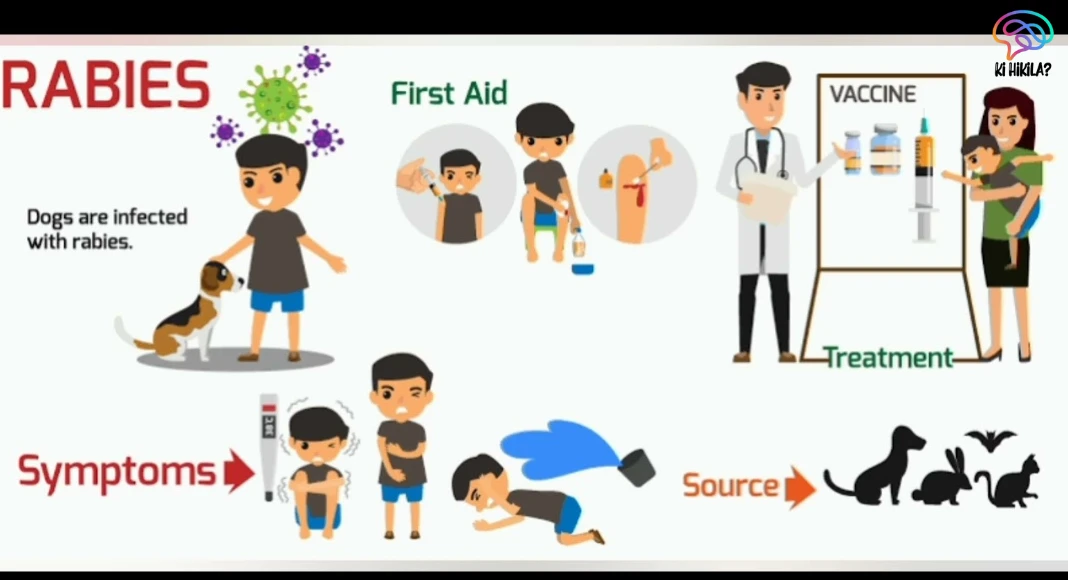
Early Symptoms:
- Fever
- Headache
- General weakness
- Pain, tingling, or itching at the bite site
Advanced Symptoms:
- Anxiety, confusion, agitation
- Hallucinations and insomnia
- Hydrophobia (fear of water due to throat muscle spasms)
- Aerophobia (fear of air drafts)
- Paralysis and coma
- Death due to respiratory failure
Diagnosis and Treatment of Rabies
Diagnosis
Diagnosing rabies in humans during the early stage is difficult because initial symptoms resemble other illnesses. Laboratory tests such as RT-PCR, antibody tests, and tissue samples may help, but definitive diagnosis often occurs postmortem.
Treatment
There is currently no cure for rabies once symptoms appear. However, post-exposure prophylaxis (PEP) can prevent the virus from progressing if administered promptly after exposure.
Post-Exposure Prophylaxis includes:
- Wound Cleaning – Immediate washing of the bite with soap and running water for at least 15 minutes.
- Rabies Vaccine – Administered in multiple doses over several weeks.
- Rabies Immunoglobulin (RIG) – Given for severe bites to provide instant antibodies.
Rabies Prevention
Prevention is the most effective way to combat rabies. Strategies include:
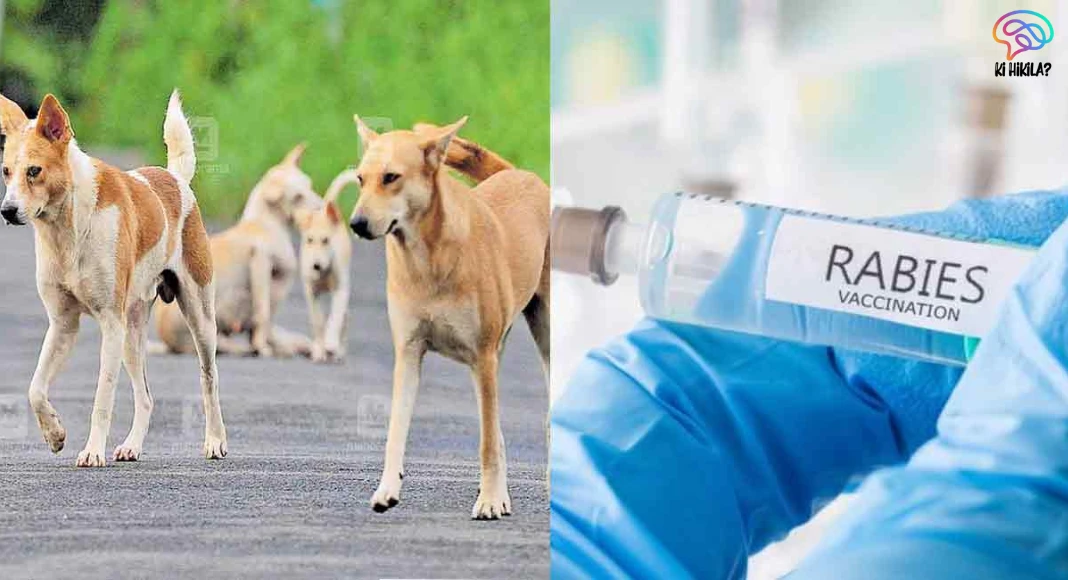
- Vaccination of Dogs and Cats – Mass dog vaccination is the cornerstone of rabies elimination.
- Human Vaccination – Pre-exposure vaccination for people at high risk (veterinarians, travelers, researchers).
- Education – Communities must understand the importance of avoiding stray animals and seeking immediate medical care after bites.
- Population Control of Stray Dogs – Humane dog population management prevents uncontrolled breeding and transmission.
- One Health Approach – Coordination between animal health, human health, and environmental sectors.
Global Burden of Rabies
- Asia and Africa account for 95% of rabies deaths.
- India alone reports 36% of global rabies deaths, making it one of the most affected countries.
- The economic burden of rabies exceeds $8.6 billion annually, including healthcare costs, lost income, and livestock losses.
Rabies disproportionately affects poor, rural communities, where people often rely on traditional healers instead of seeking medical treatment.
World Health Initiatives Against Rabies
Several organizations have joined hands to eliminate rabies worldwide:
- Zero by 30 Strategy – A global initiative by WHO, FAO, WOAH, and GARC to achieve zero human deaths from dog-mediated rabies by 2030.
- Mass Dog Vaccination Campaigns – Targeting at least 70% vaccination coverage in dog populations.
- Educational Programs – Spreading awareness in schools and rural communities.
- Improved Vaccine Access – Efforts to make human and animal vaccines affordable and widely available.
Role of India in Rabies Control
India carries one of the highest burdens of rabies globally. According to government data, rabies kills around 20,000 people annually in India, mostly children.
Steps taken by India:
- National Rabies Control Programme (NRCP) – Launched to provide free vaccines, awareness campaigns, and surveillance.
- Animal Birth Control (ABC) Rules – Implemented for humane stray dog population management.
- Partnerships with NGOs – Collaboration with organizations like Mission Rabies for vaccination drives.
Challenges remain, especially in rural areas with limited access to healthcare and vaccines.
Community Participation in Rabies Prevention
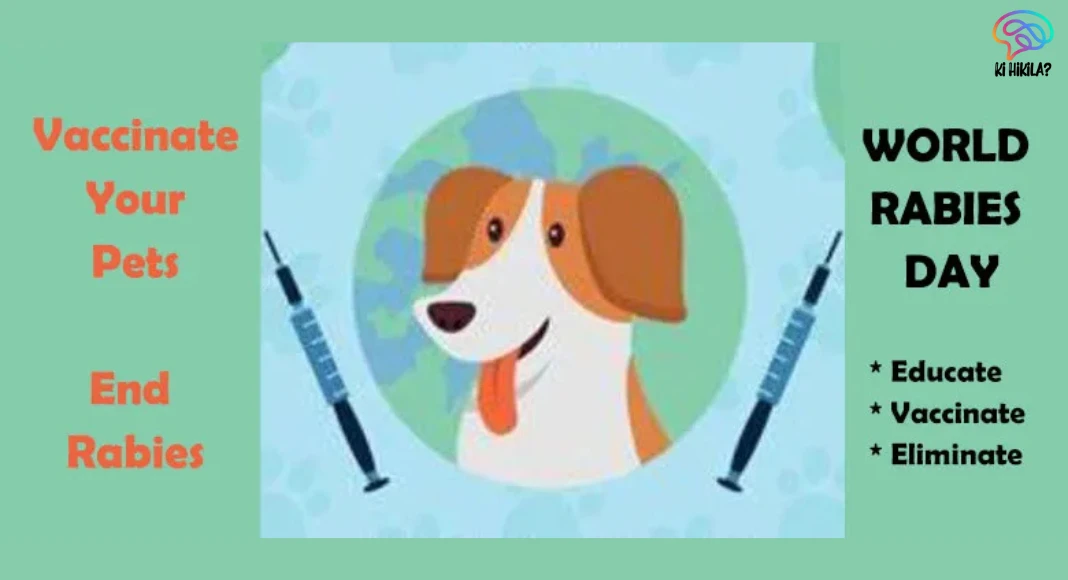
World Rabies Day highlights the importance of community involvement. Villages, towns, and cities can actively contribute by:
- Organizing dog vaccination drives.
- Conducting awareness programs in schools.
- Encouraging people to report dog bites immediately.
- Supporting animal welfare initiatives.
Myths and Facts About Rabies
- Myth: Rabies only affects dogs.
Fact: Rabies can affect any mammal, including humans, cats, foxes, and bats. - Myth: Rabies is curable with traditional medicine.
Fact: Rabies is fatal once symptoms appear; only vaccines and PEP can prevent it. - Myth: Rabies is rare and not a big problem.
Fact: Rabies kills nearly 60,000 people annually, making it a major health concern. - Myth: Vaccination of pets is unnecessary.
Fact: Vaccination of pets is essential to prevent rabies transmission.
The Future: A Rabies-Free World
With strong political will, community engagement, and global collaboration, a rabies-free world by 2030 is achievable. The focus must remain on dog vaccination, human PEP accessibility, and awareness.
World Rabies Day serves as a powerful platform to remind us that rabies is not just a health issue but also a matter of equity and social justice. Eliminating rabies would save lives, reduce suffering, and improve public health systems globally.
Conclusion
World Rabies Day is more than just an observance—it is a call to action. Rabies remains one of the deadliest yet most preventable diseases in the world. With 59,000 lives lost each year, the fight against rabies requires you, me, and our communities to step forward.
The theme of World Rabies Day 2025, “Act now: You, Me, Community”, perfectly captures the urgency and collective spirit needed to eliminate rabies. By vaccinating pets, educating others, and strengthening healthcare systems, we can move closer to the global goal of zero human deaths from rabies by 2030.
FAQs about World Rabies Day
1. When is World Rabies Day observed?
World Rabies Day is observed every year on 28 September, marking the anniversary of Louis Pasteur’s death.
2. What is the theme of World Rabies Day 2025?
The theme is “Act now: You, Me, Community”, highlighting shared responsibility in rabies prevention.
3. Why is World Rabies Day important?
It spreads awareness, promotes dog vaccination, and encourages governments and communities to work towards eliminating rabies.
4. Is rabies curable in humans?
Once symptoms appear, rabies is almost always fatal. However, timely post-exposure prophylaxis (PEP) after a bite can prevent the disease.
5. What are the symptoms of rabies in humans?
Early symptoms include fever and discomfort. Later, hydrophobia, confusion, aggression, and paralysis may develop.
6. How can rabies be prevented?
Through vaccination of pets, prompt treatment of bites, and community awareness programs.
7. What is “Zero by 30”?
It is the global goal to achieve zero human deaths from dog-mediated rabies by 2030.
8. Which regions are most affected by rabies?
Asia and Africa, particularly India, account for the majority of human rabies deaths.
9. How can individuals contribute on World Rabies Day?
By vaccinating pets, supporting awareness campaigns, educating others, and reporting animal bites promptly.
10. Who organizes World Rabies Day?
It was initiated by GARC with support from WHO, WOAH, and FAO, and is now observed globally.