


Chandubi Lake: Geography, Origin & Assam GK

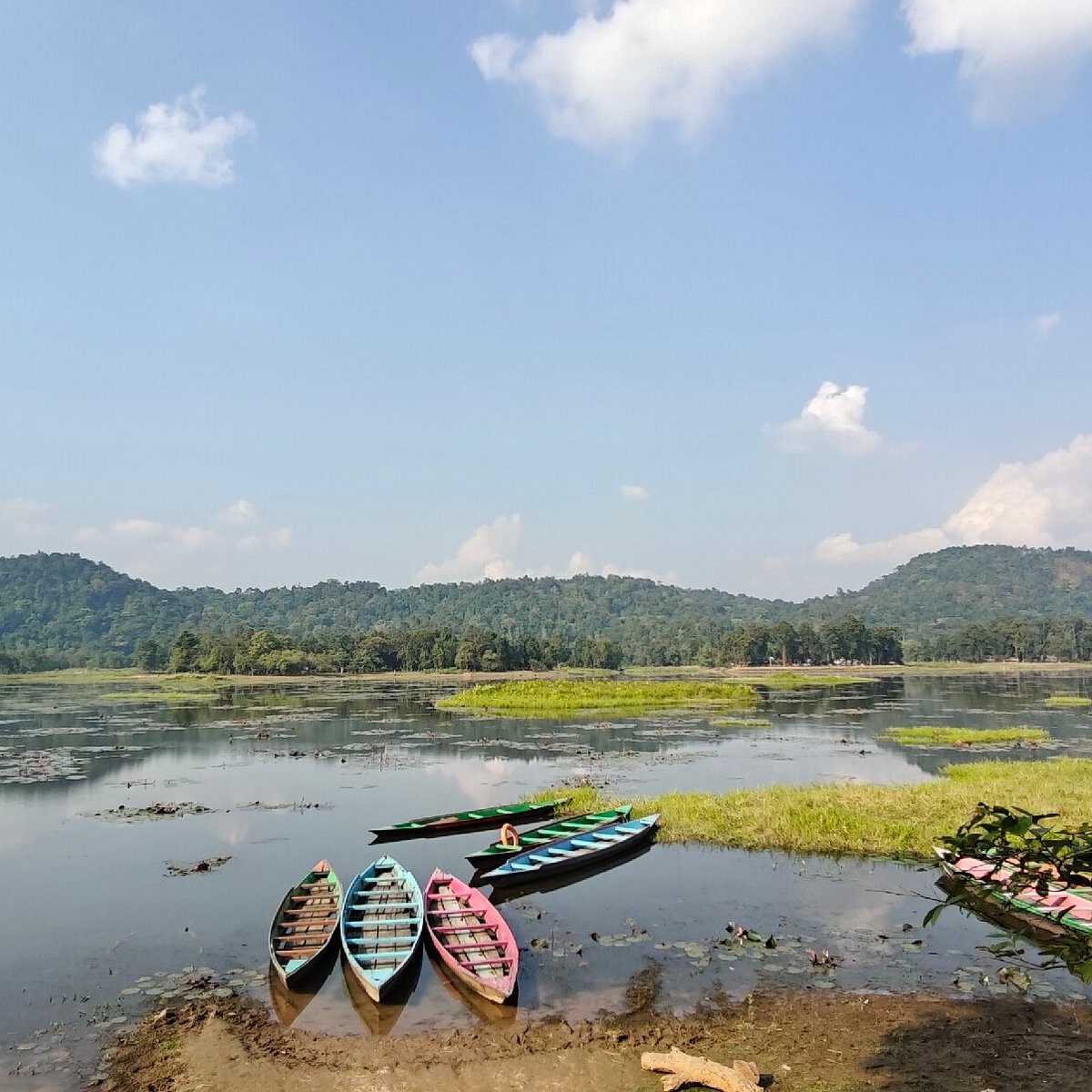
Chandubi Lake is an important natural lake and wetland of Assam, located in the Kamrup district near the Assam–Meghalaya border. It is situated at the foothills of the Khasi and Garo Hills and is surrounded by forests, hills, villages and agricultural land. The lake is important from the geographical, environmental and ecological points of view.
For competitive examinations such as APSC, ADRE, Assam Police, TET and other state-level examinations, Chandubi Lake is an important place to remember because questions can be asked about its location, origin, geographical setting, ecosystem, surrounding forests and environmental importance.

Chandubi Lake: Location in Assam
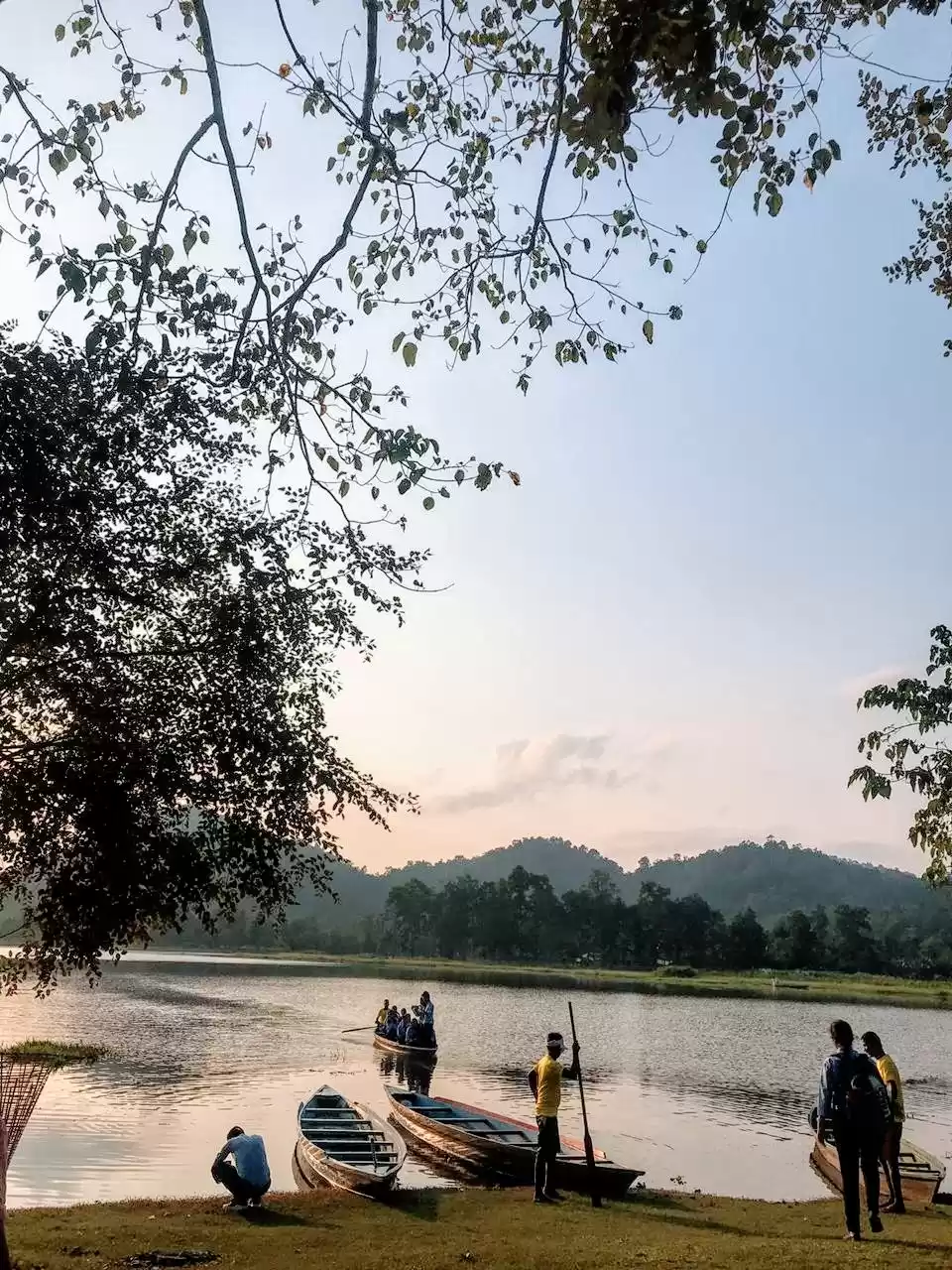
Chandubi Lake is located in the Rani area of Kamrup district, Assam, close to the Meghalaya border. The lake lies in a landscape where the plains of Assam gradually meet the hill regions of Meghalaya.
The geographical position of Chandubi makes it different from many other wetlands of Assam. It is surrounded by low hills, forests, agricultural fields and rural settlements.
The region around Chandubi has a mixture of:
- Wetlands and water bodies
- Subtropical vegetation
- Paddy fields
- Forest areas
- Small streams
- Hills and hillocks
- Tea gardens
- Rural settlements
This combination gives Chandubi a distinctive geographical character.
Origin of Chandubi Lake
One of the most important facts about Chandubi Lake is its connection with the 1897 Assam earthquake.
The lake is generally described as having been formed as a result of the great earthquake of 12 June 1897. The earthquake caused major changes in the landscape of Assam and surrounding areas.
According to commonly recorded accounts, the earthquake caused the land in the Chandubi area to sink or change its physical structure, resulting in the formation of the lake.
Therefore, Chandubi is often described as an earthquake-created natural lake.
Important Exam Fact
Chandubi Lake → Associated with the 1897 Assam earthquake.
This is one of the most important one-line facts for Assam GK.
Chandubi Lake and the 1897 Earthquake
The 1897 Assam earthquake was one of the strongest earthquakes recorded in the Indian subcontinent. It had a major impact on Assam and neighbouring areas.
The earthquake caused:
- Ground deformation
- Cracks in the land
- Changes in river courses
- Landslides
- Damage to settlements and infrastructure
- Changes in local water bodies
Chandubi Lake is an important geographical example of how major tectonic activity can change the landscape.
This makes Chandubi useful for understanding the connection between earthquakes and landform development.
Geographical Setting of Chandubi Lake
Chandubi lies in a transitional geographical zone. The area connects the relatively flat Brahmaputra valley landscape with the hill systems of Meghalaya.
The surrounding landscape contains both plains and hills. This creates a diverse natural environment.
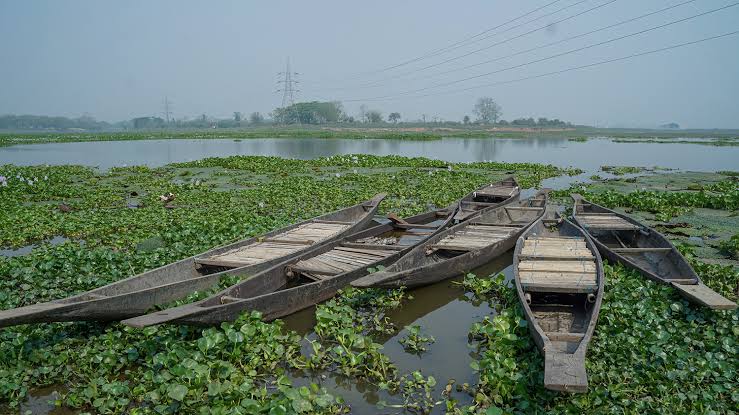
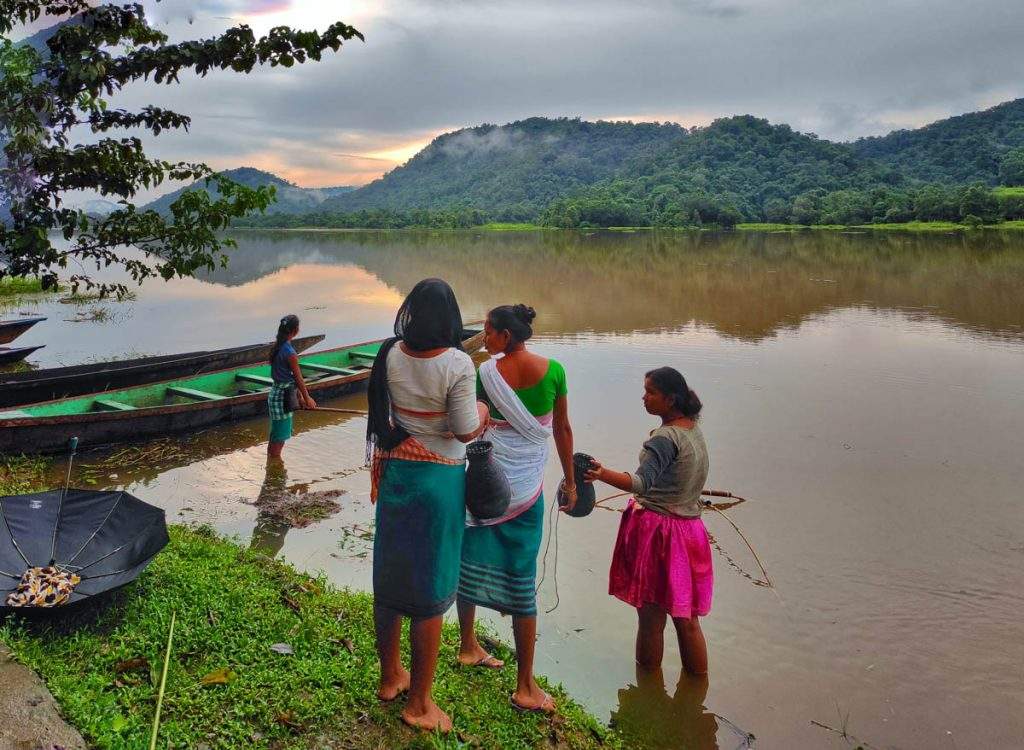
The lake is surrounded by green vegetation and agricultural land. Paddy fields are common in the surrounding countryside. Small streams and seasonal water channels also form part of the local drainage system.
The presence of hills around the lake also influences the local climate and vegetation.
Chandubi Lake and Assam’s Wetland Ecosystem
Wetlands are extremely important ecosystems. They contain water for at least part of the year and support a variety of plants, animals, fish, insects and birds.
Chandubi Lake forms part of the wetland environment of western Assam.
Wetlands perform several important ecological functions:
- They provide habitat for aquatic organisms.
- They support fish and other water-dependent species.
- They provide feeding and resting areas for birds.
- They help maintain local water systems.
- They can store excess water during heavy rainfall.
- They support surrounding vegetation.
- They contribute to biodiversity conservation.
Therefore, Chandubi should not be viewed only as a water body. It is part of a wider lake–forest–hill–agricultural ecosystem.
Biodiversity Around Chandubi Lake
The forests and wetlands around Chandubi support a variety of living organisms.
The region has vegetation typical of the humid subtropical environment of Assam and the adjoining Meghalaya hills.
The surrounding natural areas can provide habitat for:
- Birds
- Fish
- Amphibians
- Reptiles
- Insects
- Small mammals
- Aquatic plants
- Forest vegetation
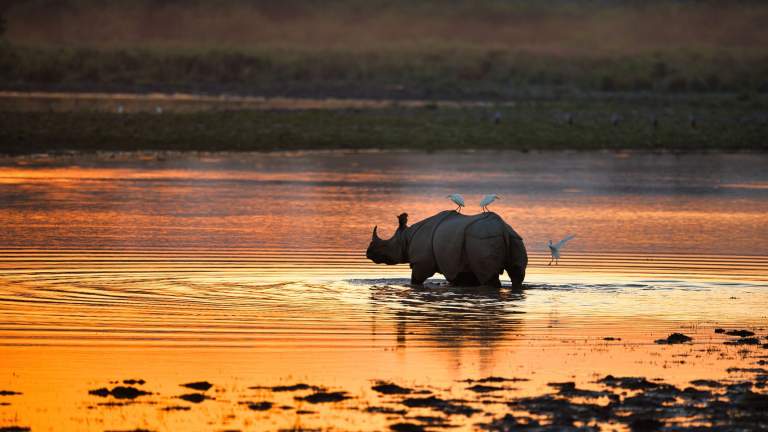
The area is also known for the presence of wild elephants in the broader Rani–Chandubi landscape.
The occurrence of elephants shows the importance of maintaining connections between forests and other natural habitats.
Chandubi Lake and Rani Region
Chandubi is closely associated with the Rani region of western Assam.
Rani is located to the southwest of Guwahati and forms part of an important forested landscape. Moving from the urban area towards Chandubi, the landscape changes from a densely populated urban environment to agricultural fields, forests, tea gardens and hills.
The Rani–Chandubi region therefore provides an example of the transition between:
Urban landscape → Rural landscape → Agricultural land → Forest → Hill environment
This geographical transition is useful for understanding the physical geography of the Guwahati region and its surroundings.
Forests Around Chandubi
The area surrounding Chandubi contains substantial vegetation and forest patches.
Forests are important because they:
- Protect soil from erosion
- Provide habitat for wildlife
- Maintain biodiversity
- Help regulate the local climate
- Support the water cycle
- Store carbon
- Provide natural resources to local communities
However, forest ecosystems around populated areas can face pressure from human activities. Habitat fragmentation, land-use change, pollution and unplanned development can affect biodiversity.
Conservation of the Chandubi landscape therefore requires protection of both the lake and its surrounding natural habitats.
Chandubi Lake and Tea Gardens
Tea gardens are also found in the broader landscape around Chandubi.
Assam is one of the world’s major tea-producing regions, and tea cultivation is an important part of the state’s economy and agricultural geography.
The presence of tea gardens near Chandubi demonstrates the diversity of land use in western Assam, where wetlands, forests, agricultural fields and plantations can exist within the same broader landscape.
For Assam geography, this is an example of the interaction between natural environment and human land use.
Environmental Importance of Chandubi Lake
Chandubi has environmental importance because it combines several ecosystems within a relatively connected landscape.
The lake itself provides aquatic habitat, while the surrounding forests provide terrestrial habitat. Agricultural areas and villages form the human-dominated part of the landscape.
Such ecological connections are important because wildlife does not always remain within a single type of habitat.
The conservation of Chandubi should therefore include:
- Protection of the lake
- Protection of surrounding forests
- Prevention of water pollution
- Conservation of wildlife habitats
- Sustainable use of natural resources
- Protection of biodiversity
- Control of unplanned land-use change
Threats to Chandubi Lake
Like many wetlands and natural ecosystems, Chandubi can face environmental pressure.
Important potential threats include:
1. Pollution
Wastewater, plastic and other pollutants can affect water quality and aquatic life.
2. Encroachment
Conversion of wetland and forest areas into other land uses can reduce natural habitats.
3. Deforestation
Loss of forest cover can increase soil erosion and reduce wildlife habitat.
4. Unplanned Development
Construction and infrastructure development without proper environmental planning can disturb natural ecosystems.
5. Human Pressure
Increasing human activity around natural areas can disturb wildlife and affect ecological balance.
Conservation planning must therefore consider the entire landscape instead of focusing only on the lake.
Why Chandubi Lake Is Important for Assam Geography
Chandubi is a useful example for understanding several geographical concepts together.
It helps students understand:
- Earthquake-related landform changes
- Natural lake formation
- Wetland ecosystems
- Assam’s physical geography
- The Assam-Meghalaya geographical transition
- Forest ecosystems
- Wildlife habitats
- Human–environment interaction
- Environmental conservation
Thus, Chandubi is not merely a local geographical feature. It represents the connection between geology, geography, biodiversity and human activities.
Conclusion
Chandubi Lake is an important geographical and ecological feature of Assam. Located in the Kamrup district near the Meghalaya border, it is especially significant because its formation is associated with the 1897 Assam earthquake. The lake is surrounded by forests, hills, agricultural fields and other natural habitats.
Chandubi Lake: Important Facts for Competitive Exams
Remember these important points:
- Name: Chandubi Lake
- State: Assam
- District: Kamrup
- Region: Rani area of western Assam
- Near: Assam–Meghalaya border
- Geographical setting: Foothills of the Khasi and Garo hill region
- Type: Natural lake/wetland
- Formation associated with: 1897 Assam earthquake
- Important ecosystem: Wetland and surrounding forest ecosystem
- Nearby landscape: Paddy fields, forests, tea gardens and hills
- Wildlife significance: The wider region is associated with wild elephant habitat
- Importance: Geography, ecology, biodiversity and environmental conservation
FAQs on Chandubi Lake
1. Where is Chandubi Lake located?
Chandubi Lake is located in Kamrup district of Assam, near the Assam–Meghalaya border, in the Rani region.
2. How was Chandubi Lake formed?
Chandubi Lake is believed to have been formed due to major geological changes caused by the 1897 Assam earthquake.
3. Which earthquake is associated with the formation of Chandubi Lake?
The formation of Chandubi Lake is associated with the Great Assam Earthquake of 1897.
4. Why is Chandubi Lake important geographically?
Chandubi Lake is important because it is an example of how earthquake activity can cause major changes in the landscape and create natural water bodies.
5. What type of ecosystem is found around Chandubi Lake?
The Chandubi area contains a combination of wetland, forest, hill, agricultural and rural ecosystems, supporting diverse plants and wildlife.