


Deepor Beel: A Vital Wetland Ecosystem of Assam

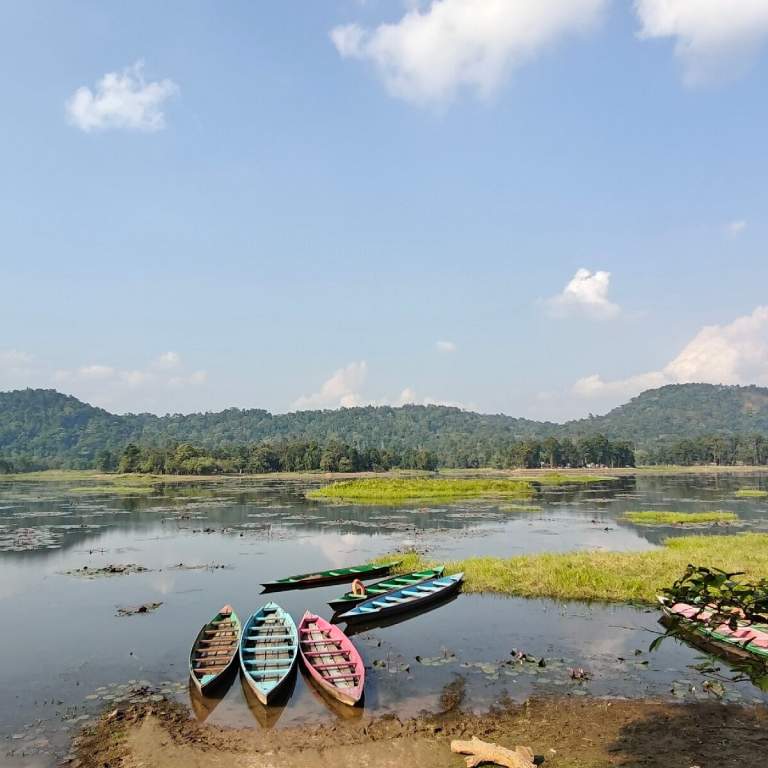
Deepor Beel is one of the most important wetlands in Assam and a valuable part of the natural environment around Guwahati. Also known as Dipor Bil, this large freshwater wetland is famous for its rich biodiversity, migratory birds, aquatic plants, fish, and surrounding forests. It is located on the southwestern edge of Guwahati in the Kamrup Metropolitan district of Assam. Deepor Beel is not only important for wildlife but also supports the livelihood of many local communities.
The word “Beel” or “Bil” is commonly used in Assam to describe a large wetland or lake. Deepor Beel is believed to be a former channel of the mighty Brahmaputra River. Over time, changes in the river system created this unique freshwater ecosystem. Today, it is considered one of the most important riverine wetlands in the Brahmaputra Valley.

Location and Accessibility of Deepor Beel
Deepor Beel is situated around 13 km southwest of Guwahati city. The wetland is surrounded by important roads and natural landscapes. National Highway routes and other roads pass close to the area, while the Rani and Garbhanga Reserve Forests lie nearby.
The wetland is also located relatively close to Lokpriya Gopinath Bordoloi International Airport. A railway line also passes near the beel. Its location near a rapidly growing city makes Deepor Beel easily accessible, but at the same time, urban development has created several environmental challenges for the wetland.
Deepor Beel lies in a beautiful broad valley surrounded by hills and forests. The Rani and Garbhanga hills provide an important natural backdrop to the wetland. The surrounding forests and hills are also important for wildlife movement, especially for elephants and other animals.
Historical and Conservation Importance
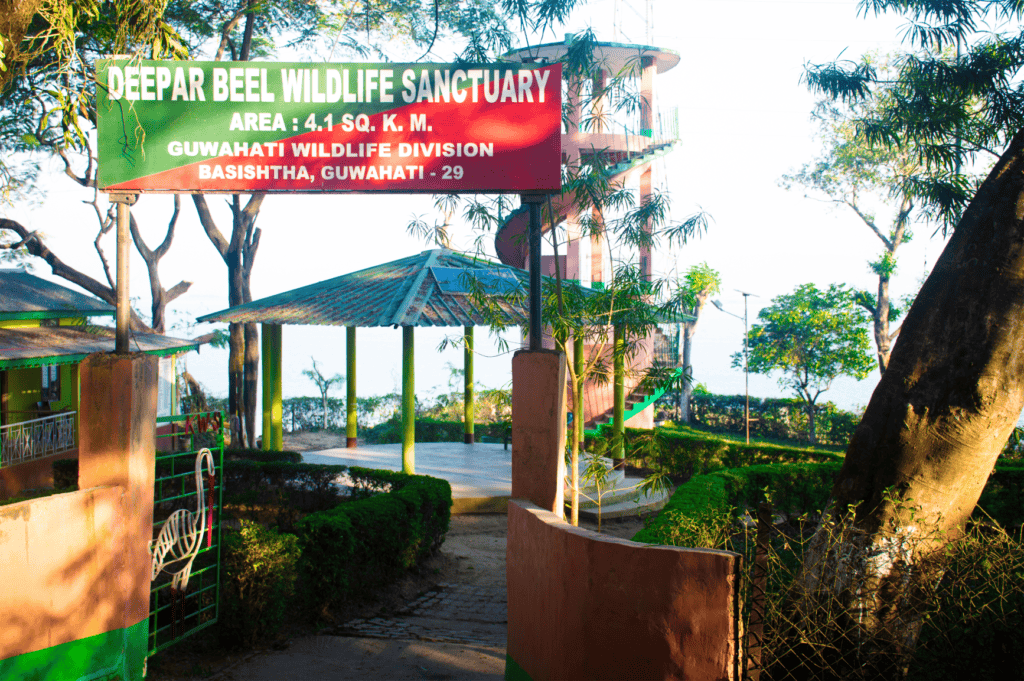
Deepor Beel has received recognition because of its outstanding ecological importance. In 1989, the Assam Government declared approximately 4.1 square kilometres of the area as a wildlife sanctuary.
A major milestone came in November 2002 when Deepor Beel was recognised as a Ramsar Site. Ramsar Sites are wetlands of international importance that are recognised for their ecological value. Deepor Beel holds a special position among Assam’s important wetlands because of its rich biodiversity and role in maintaining the environmental balance of the region.
The wetland has also been recognised as an Important Bird Area because of the large number of resident and migratory birds found here. Every year, especially during winter, the wetland becomes an important resting and feeding place for birds.
Hydrology and Importance for Guwahati
Deepor Beel plays a major role in the water system of Guwahati. The wetland receives water from rivers such as the Basistha and Kalmani, along with local monsoon runoff. It is connected to the Brahmaputra River through the Khonajan channel.
One of the most important functions of Deepor Beel is that it acts as a natural stormwater reservoir for Guwahati. During the monsoon season, large amounts of rainwater enter the wetland. By storing this water, the beel helps reduce the pressure of flooding and waterlogging in nearby areas.
The water level of Deepor Beel changes with the seasons. During the monsoon, the wetland expands and stores a large amount of water. During the dry season, the water level becomes lower, and some surrounding areas are used for agriculture.
This natural ability to store excess rainwater makes Deepor Beel extremely important for the environmental safety of Guwahati. If the wetland continues to shrink, the city may face greater problems related to flooding and waterlogging.
Climate and Seasonal Changes
Deepor Beel experiences a tropical monsoon climate. The region receives heavy rainfall during the monsoon months, mainly from May to September. The climate becomes humid during this period, and the water spread of the wetland increases.
During winter, the weather becomes cooler and drier. The water level of the beel decreases, exposing some areas around the wetland. These areas are sometimes used for rice cultivation and other agricultural activities.
The seasonal changes also affect the plants and animals living in Deepor Beel. Many migratory birds arrive during winter, while aquatic plants grow extensively during the warmer and wetter months.
Flora of Deepor Beel
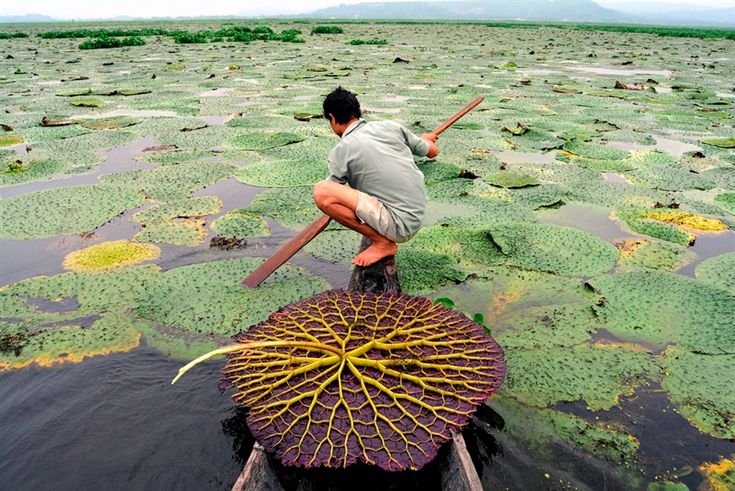
Deepor Beel supports a rich variety of aquatic and semi-aquatic plants. The vegetation found in the wetland provides food and shelter to fish, birds, insects, and other animals.
Some important aquatic plants found in and around the wetland include water lilies, giant water lily, water lettuce, duckweed, tape grass, hydrilla, water bindweed, and other submerged and floating plants.
One of the interesting plants associated with the wetland is Euryale ferox, commonly known as the giant water lily. Its seeds and other aquatic resources have economic importance for local communities.
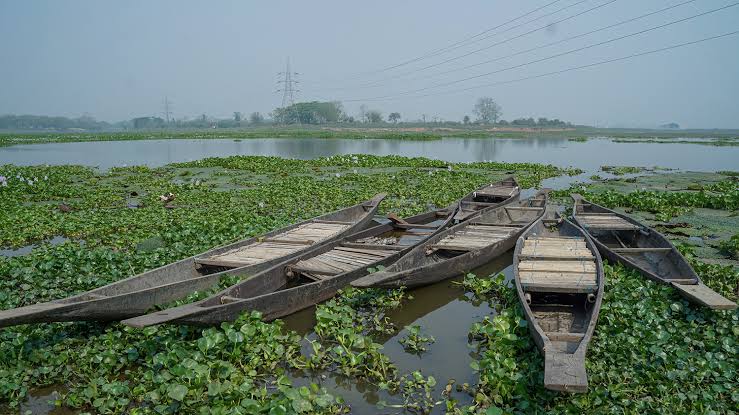
Water hyacinth is also commonly found in Deepor Beel. Although it is a familiar aquatic plant, excessive growth of water hyacinth can become a serious problem. Large mats of this invasive plant can cover the water surface and reduce open-water areas.
The surrounding forests also contain important tree species such as teak, banyan, sal, and silk cotton trees. These forests are closely connected with the larger ecosystem of Deepor Beel.
Deepor Beel as a Bird Paradise
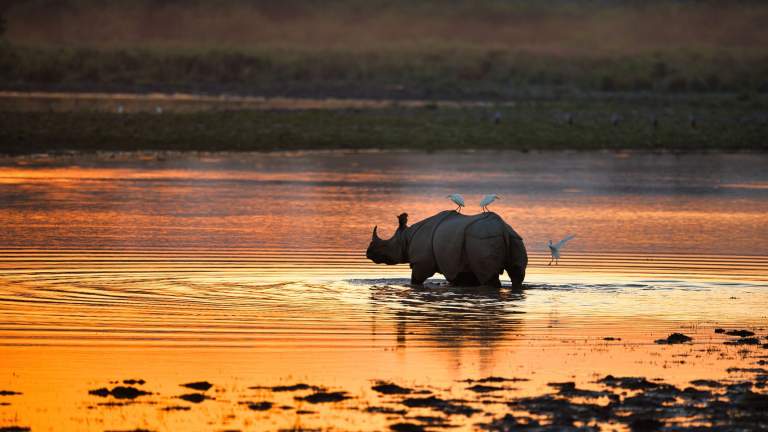
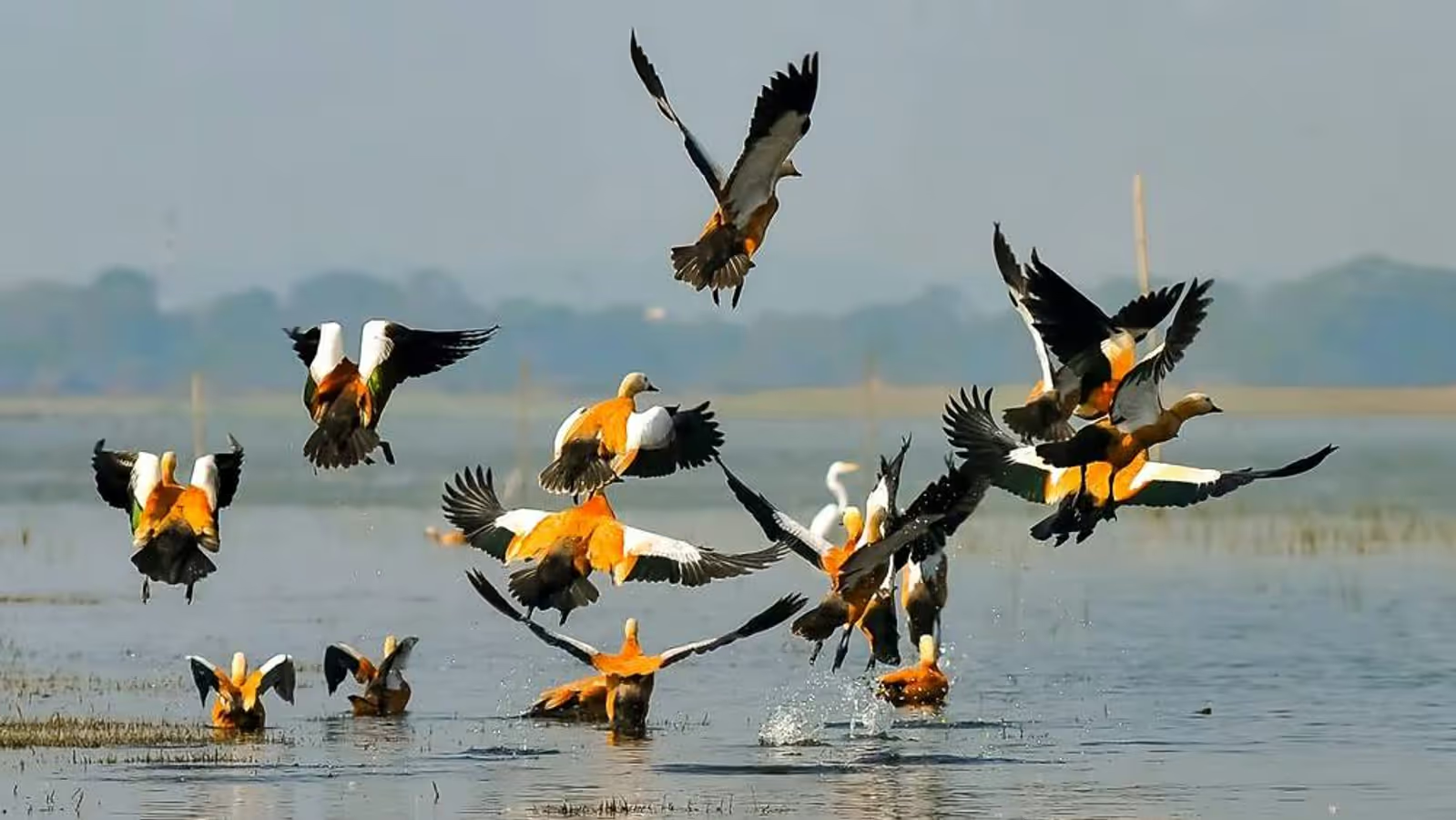
One of the biggest attractions of Deepor Beel is its remarkable bird diversity. The wetland supports around 219 bird species, including many migratory birds. During winter, thousands of birds can gather in and around the wetland.
Some of the important birds associated with Deepor Beel include:
- Spot-billed Pelican
- Lesser Adjutant Stork
- Greater Adjutant Stork
- Baer’s Pochard
- Pallas’s Sea Eagle
- White-eyed Pochard
- Greylag Goose
- Gadwall
- Great Cormorant
- Little Cormorant
Deepor Beel is an important stopover and wintering ground for migratory birds. The large open-water areas, marshes, aquatic plants, and fish provide an ideal environment for different bird species.
The presence of threatened and rare birds makes the conservation of Deepor Beel even more important. Birdwatchers, researchers, photographers, and nature lovers are attracted to the area because of its rich avian diversity.
Fish and Other Aquatic Animals
Deepor Beel is also rich in aquatic life. More than 50 commercially important fish species belonging to different families have been recorded in the wetland. Fishing is an important source of income and food for local communities living around the beel.
The wetland also supports:
- Around 20 species of amphibians
- Around 12 species of lizards
- Around 18 species of snakes
- Several species of turtles and tortoises
The variety of aquatic animals shows the ecological richness of Deepor Beel. Fish and other aquatic species also form an important part of the food chain and support birds, reptiles, and mammals.
Wildlife Around Deepor Beel
The forests surrounding Deepor Beel are home to several land animals. Wild Asian elephants are among the most important animals connected with this landscape. Elephants move through forested areas near the Rani and Garbhanga Reserve Forests.
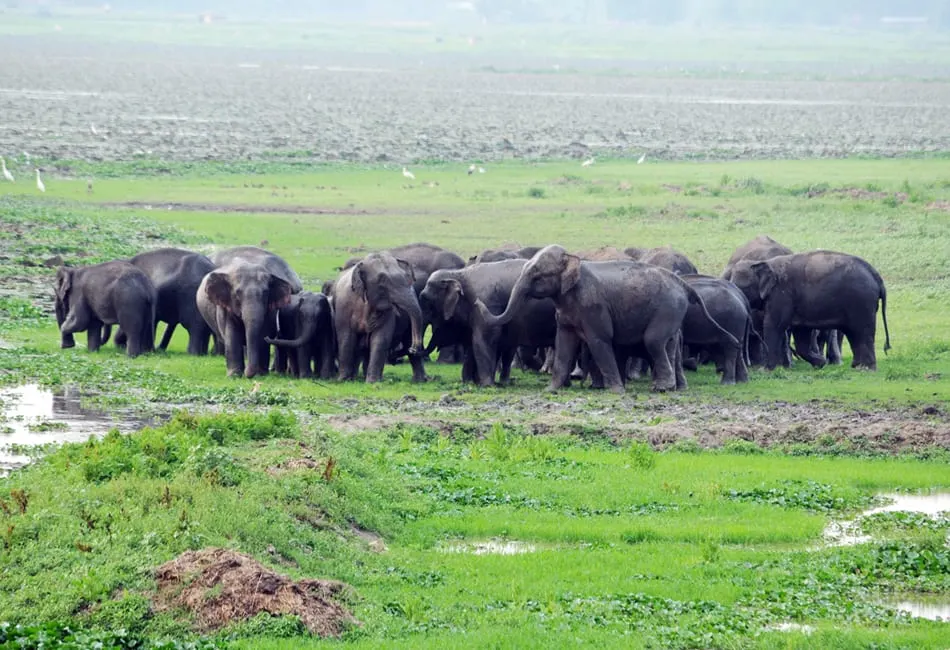
Other animals found in the wider region include leopards, jungle cats, barking deer, Chinese porcupines, and sambar.
The connection between the wetland and nearby forests is extremely important. Wetlands, forests, hills, and rivers together create a larger ecosystem that supports many forms of life.
Importance for Local Communities
Deepor Beel is not only important for wildlife. It also supports the lives of many people living in nearby villages. Around 1,200 families depend directly or indirectly on the wetland for their livelihood.
Local communities depend on Deepor Beel for:
- Freshwater fish
- Income from fishing
- Cattle fodder
- Aquatic plants and seeds
- Agricultural activities
- Transportation through waterways in some areas
For many families, fish from the wetland is an important source of food and income. This shows that protecting Deepor Beel is not only about saving birds and animals. It is also about protecting the livelihoods of local people.
Major Threats to Deepor Beel
Despite its great importance, Deepor Beel faces several serious environmental threats. Over the years, the wetland has experienced pressure from urban expansion and human activities.
Some major challenges include:
1. Pollution
Urban wastewater, industrial waste, and pollution from nearby settlements affect the quality of water in the wetland.

2. Garbage Dumping
The Boragaon garbage dumping area near Deepor Beel has been a major environmental concern. Waste can pollute the soil and water and harm wildlife.
3. Encroachment
Unplanned construction and land encroachment have reduced the natural area of the wetland.
4. Water Hyacinth
The rapid growth of water hyacinth can block open-water areas and affect aquatic life.
5. Loss of Natural Water Channels
Deepor Beel depends on its connections with rivers and drainage channels. When these natural channels are blocked or altered, the wetland’s water system is affected.
6. Railway and Road Development
Major infrastructure near the wetland can disturb wildlife and affect the natural landscape.
7. Illegal Hunting and Excessive Fishing
Unregulated fishing and hunting can damage the biodiversity of the wetland.
8. Climate Change
Changing rainfall patterns, floods, and rising environmental pressure may create additional challenges for the future of the wetland.
Conservation and Restoration Efforts
Several organisations and government departments are working to protect Deepor Beel. The Assam Forest Department and Fisheries Department play important roles in managing the area.
Conservation efforts focus on:
- Removing excessive weeds
- Protecting bird habitats
- Preventing encroachment
- Controlling pollution
- Improving water quality
- Protecting natural drainage channels
- Supporting sustainable fishing practices
- Encouraging community participation
- Promoting responsible ecotourism
Environmental organisations such as Aaranyak and research institutions like Guwahati University have also contributed to research and conservation activities.
Public participation is one of the most important parts of wetland conservation. Local communities have traditional knowledge about the wetland and depend on its resources. Their involvement can help create better and more sustainable conservation solutions.
Best Time to Visit Deepor Beel
Deepor Beel can be visited throughout the year, but winter is generally considered the best time for nature and bird lovers. During the winter months, many migratory birds visit the wetland, making it an excellent time for birdwatching.
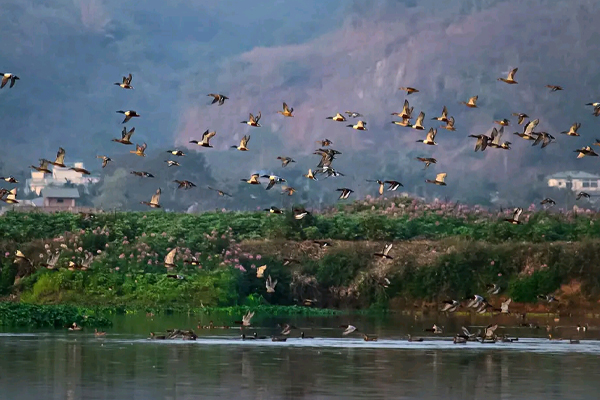
Visitors should respect the natural environment and avoid disturbing birds and animals. Responsible tourism can help people understand the importance of wetlands while supporting conservation efforts.
Conclusion
Deepor Beel is one of Assam’s most valuable natural treasures. As an important freshwater wetland near Guwahati, it supports a rich variety of birds, fish, plants, reptiles, amphibians, and mammals. It also plays a major role in controlling stormwater and reducing environmental pressure on the city.
The wetland provides food and livelihood opportunities to thousands of people living nearby. At the same time, it faces serious threats from pollution, garbage dumping, encroachment, invasive plants, urbanisation, and changes in its natural water system.
Protecting Deepor Beel is essential for Assam’s biodiversity, environment, and future generations. Government agencies, environmental organisations, researchers, local communities, and ordinary citizens must work together to conserve this unique wetland. With proper planning, pollution control, community participation, and responsible development, Deepor Beel can continue to remain a beautiful and life-supporting ecosystem for generations to come.
FAQs About Deepor Beel
1. Where is Deepor Beel located?
Deepor Beel is located on the southwestern edge of Guwahati in the Kamrup Metropolitan district of Assam.
2. What is Deepor Beel famous for?
Deepor Beel is famous for its rich biodiversity, migratory birds, aquatic plants, fish species, and its importance as a Ramsar wetland.
3. Is Deepor Beel a Ramsar Site?
Yes, Deepor Beel was designated as a Ramsar Site in November 2002 because of its ecological and biological importance.
4. Why is Deepor Beel important for Guwahati?
Deepor Beel acts as a natural stormwater reservoir and helps reduce flooding and waterlogging in parts of Guwahati.
5. Which rivers supply water to Deepor Beel?
The Basistha and Kalmani rivers, along with local monsoon runoff, are important sources of water for Deepor Beel.
6. How many bird species are found in Deepor Beel?
Deepor Beel supports around 219 bird species, including many migratory and threatened birds.
7. What are the major threats to Deepor Beel?
Major threats include pollution, garbage dumping, encroachment, water hyacinth, urbanisation, illegal hunting, and excessive fishing.
8. When is the best time to visit Deepor Beel?
Winter is considered the best time to visit Deepor Beel because many migratory birds can be seen during this season.