


Why Assam is Called the Tea Capital of India?

Assam Tea Capital of India is a popular topic in General Knowledge, Geography, and competitive exams. Assam is famous all over the world for producing high-quality tea. The state has thousands of tea gardens spread across its fertile plains, making it the largest tea-producing state in India. The rich soil, heavy rainfall, warm climate, and the mighty Brahmaputra River create perfect conditions for growing tea.
What is the Tea Capital of India?
Assam is called the Tea Capital of India because it produces the highest amount of tea in the country. Assam contributes more than 50% of India’s total tea production, making it the largest tea-producing state.

Assam tea is famous for its:
- Strong flavor
- Rich aroma
- Bright color
- Refreshing taste
People from many countries enjoy Assam tea every day.
History of Tea in Assam
The history of tea in Assam began in the early 19th century.
- In 1823, Robert Bruce discovered wild tea plants growing in Assam.
- The British realized that Assam’s climate was perfect for tea cultivation.
- The first commercial tea garden was started in 1837.
- By the late 1800s, Assam had become one of the world’s largest tea-producing regions.
Today, Assam tea is exported to many countries including the United Kingdom, Russia, Germany, the United States, and Japan.
Why is Assam Called the Tea Capital of India?
There are several reasons why Assam has earned this title.
1. Largest Tea Producer
Assam produces more than half of India’s tea every year. Millions of kilograms of tea are harvested from its gardens.
2. Ideal Climate
Tea plants need:
- Heavy rainfall
- Warm temperatures
- Humid weather
- Fertile soil
Assam has all these natural conditions.
3. Fertile Brahmaputra Valley
The fertile plains of the Brahmaputra River provide nutrient-rich soil that helps tea plants grow quickly and produce quality leaves.
4. Thousands of Tea Gardens
Assam has over 800 large tea estates along with many small tea growers. These tea gardens cover vast areas across the state.
5. World-Famous Assam Tea
Assam tea is recognized globally for its bold taste and rich color. It is widely used in breakfast teas around the world.
Major Tea-Producing Districts of Assam
Some of the leading tea-producing districts are:
- Dibrugarh
- Tinsukia
- Sivasagar
- Charaideo
- Jorhat
- Golaghat
- Sonitpur
- Biswanath
These districts have hundreds of tea estates and factories.
Famous Tea Gardens in Assam
Some well-known tea gardens include:
- Halmari Tea Estate
- Mangalam Tea Estate
- Doom Dooma Tea Estates
- Moran Tea Estates
- Nahorhabi Tea Estate
Many of these estates have been producing tea for more than 100 years.
How is Assam Tea Made?
The journey of Assam tea from the tea garden to your cup involves several important steps. Each step helps develop the tea’s rich color, strong flavor, and unique aroma.
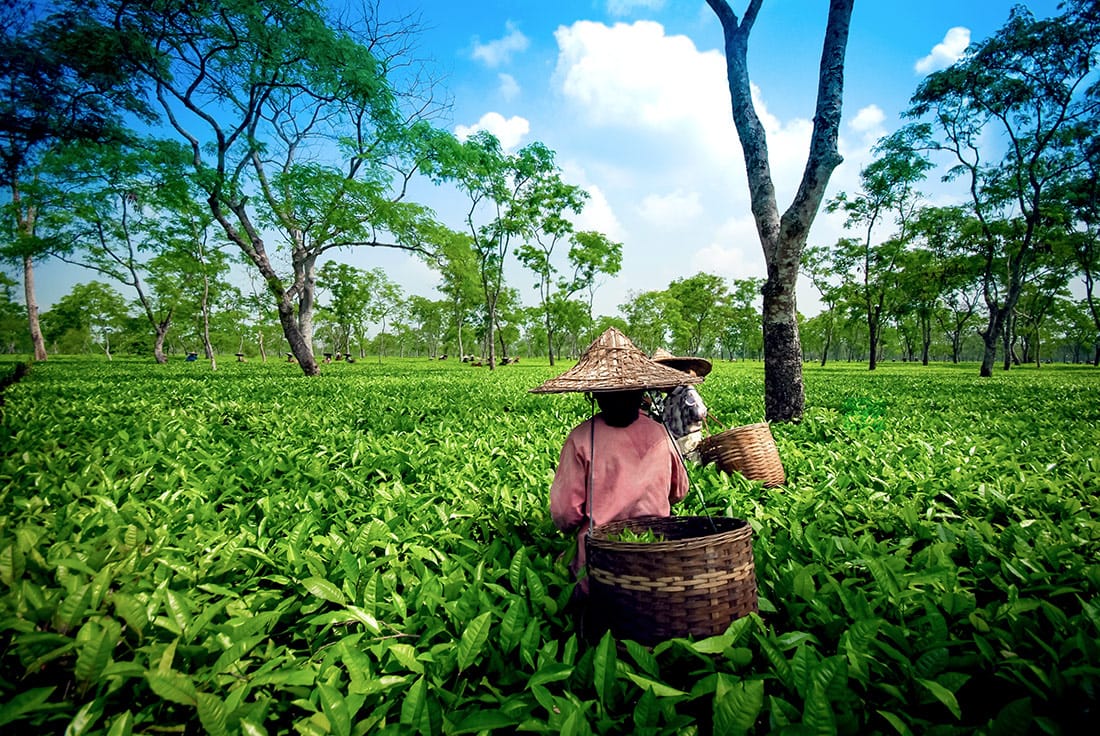
1. Plucking Fresh Tea Leaves
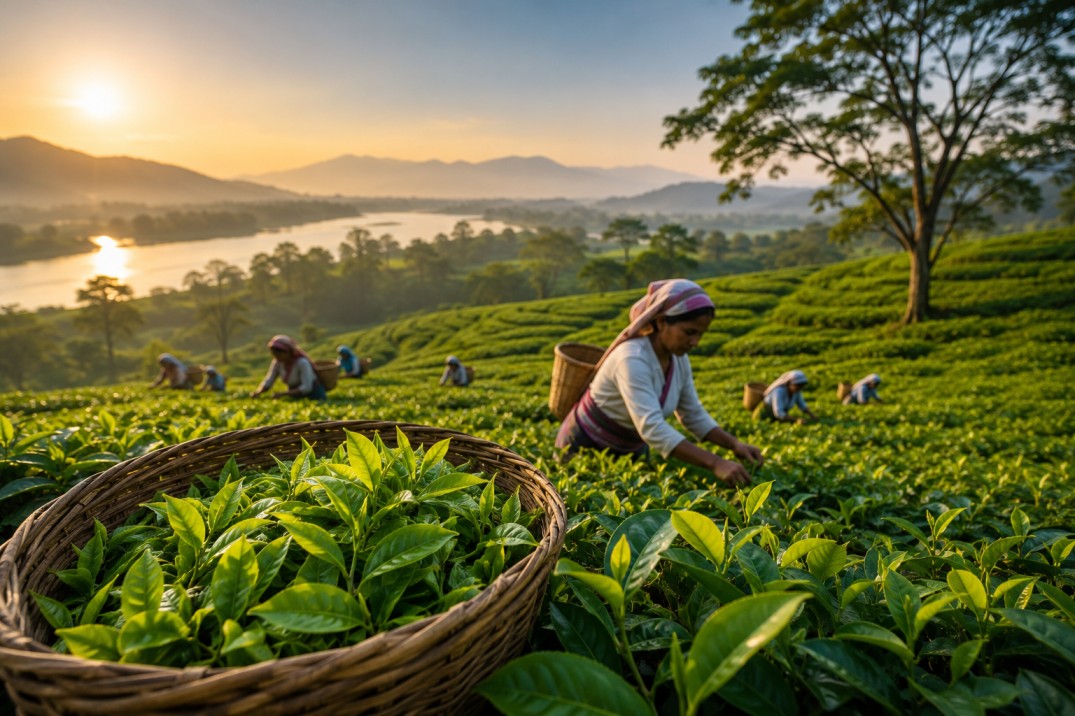
Tea workers carefully hand-pick the young and tender leaves from the tea plant. Usually, only the top two leaves and a bud are plucked because they produce the best-quality tea.
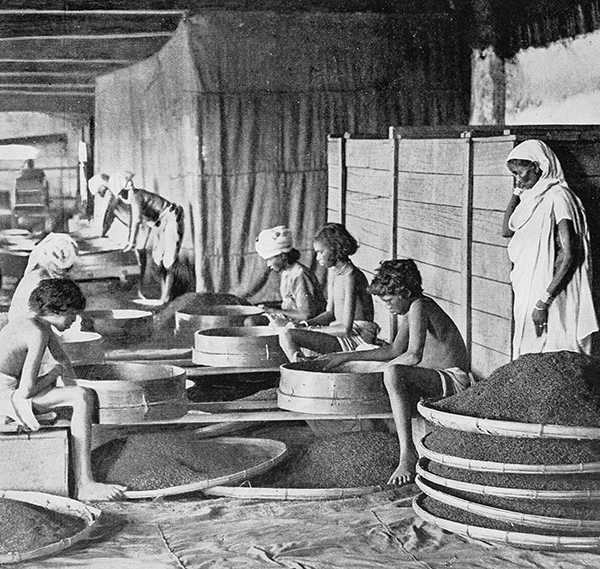
2. Withering the Leaves
The fresh leaves are spread out on large trays or long racks to reduce their moisture. This process, called withering, makes the leaves soft and flexible, preparing them for the next stage.
3. Rolling the Leaves
The withered leaves are rolled using special machines. Rolling gently twists and crushes the leaves, breaking their cells and releasing natural juices and enzymes. This helps create the tea’s rich taste and aroma.
4. Oxidation (Fermentation)
The rolled leaves are kept in a cool and humid room for oxidation, often called fermentation in the tea industry. During this stage, the leaves react with oxygen, changing from green to a copper-brown color. This process gives Assam tea its deep colour, bold flavour, and rich aroma.
5. Drying the Leaves
After oxidation, the leaves are dried using hot air in large dryers. Drying removes the remaining moisture and stops the oxidation process, helping preserve the tea’s flavour and extending its shelf life.
6. Sorting and Packaging
Finally, the dried tea leaves are sorted according to their size and quality. They are then packed into boxes, packets, or tea bags for sale in India and for export to countries around the world.
From Garden to Cup
Once packaged, Assam tea reaches markets across India and many other countries. Its strong, malty flavour and bright colour make it one of the most popular black teas in the world, enjoyed by millions of people every day.
Importance of Tea Industry in Assam
The tea industry plays a major role in Assam’s economy.
Employment
Tea gardens provide jobs to over one million people directly and indirectly, making the industry one of the largest employers in the state.
Economy
Tea exports earn valuable foreign exchange for India and support the livelihoods of thousands of families.
Tourism
Many tourists visit Assam to explore its beautiful tea gardens, tea museums, and tea factories.
Cultural Importance
Tea has become an important part of Assam’s identity and culture.
Interesting Facts About Assam Tea
- Assam is the largest tea-producing state in India.
- Assam tea belongs mainly to the Camellia sinensis var. assamica variety.
- Assam tea is mainly grown in the Brahmaputra Valley.
- Monabarie Tea Estate in the Biswanath district is the largest tea garden in Assam and is also considered one of the largest tea estates in Asia, covering around 1,158 hectares (about 2,860 acres).
- Tea from Assam is exported to more than 90 countries.
- Assam tea is famous for its malty and strong flavor.
- The tea industry in Assam is over 180 years old.
- Tea is one of the biggest contributors to Assam’s economy.
Challenges Faced by Assam Tea Industry
Although Assam is a global tea producer, it faces several challenges.
- Climate change affects tea production.
- Floods sometimes damage tea gardens.
- Rising production costs reduce profits.
- Pest attacks can affect tea quality.
- Global market competition is increasing.
Despite these challenges, Assam continues to remain India’s leading tea-producing state.
Why Assam Tea is Famous Worldwide
Assam tea is popular because it has:
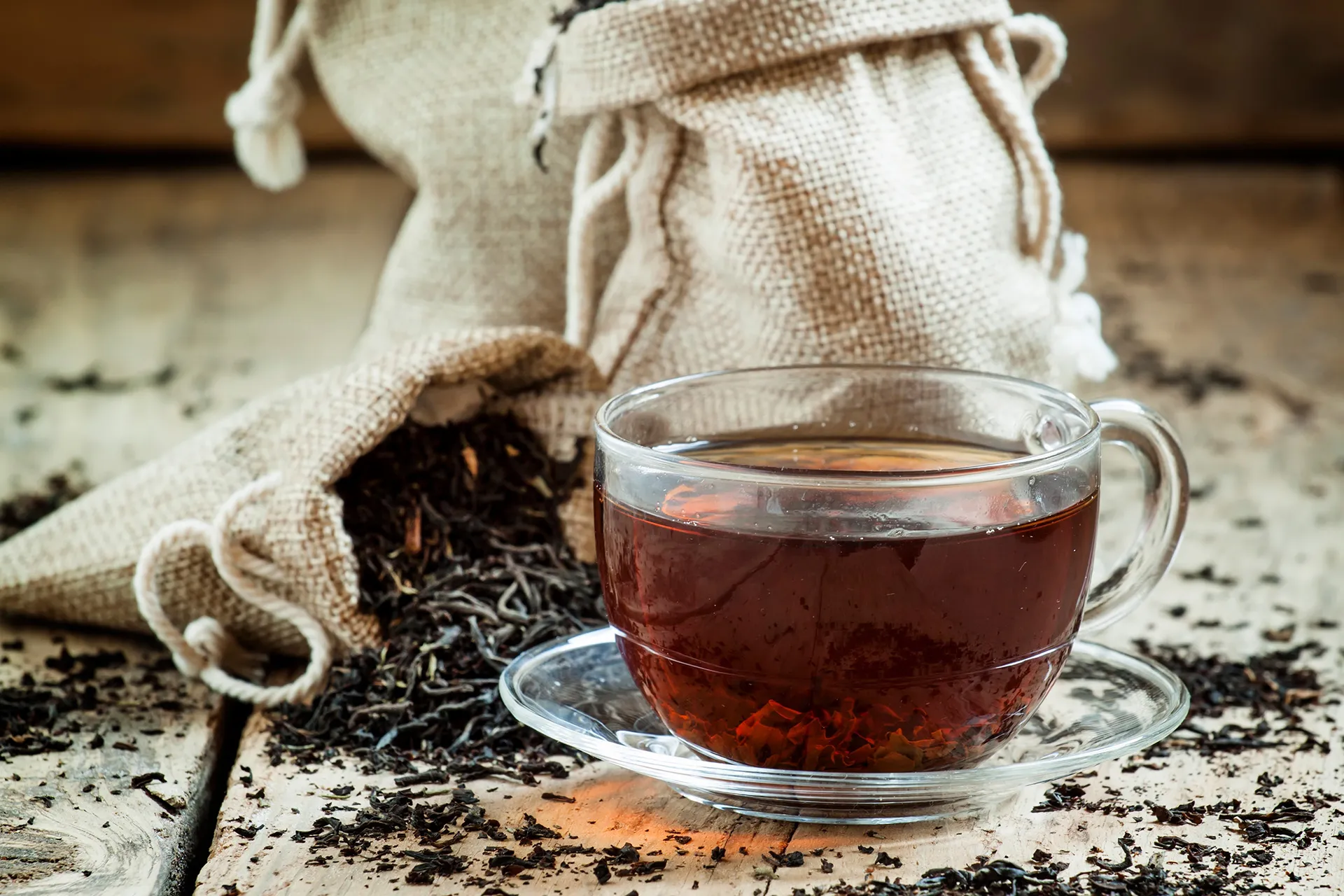
- Strong and bold taste
- Rich golden color
- Natural sweetness
- High-quality tea leaves
- Excellent aroma
These qualities make it one of the most preferred black teas in the world.
Conclusion
Assam Tea Capital of India is not just a title it reflects the state’s rich history, favorable climate, hardworking tea workers, and world-famous tea industry. With its fertile Brahmaputra Valley, vast tea estates, and centuries-old tea culture, Assam continues to lead India’s tea production. The tea industry supports millions of people and plays an important role in the state’s economy and India’s exports.
Whether you are preparing for APSC, UPSC, SSC, Railways, Banking exams, or simply want to learn about Assam, understanding why Assam is called the Tea Capital of India is an important part of General Knowledge.
FAQs
1. Why is Assam called the Tea Capital of India?
Assam is called the Tea Capital of India because it produces more than 50% of India’s total tea and is famous worldwide for its high-quality tea.
2. Which state is known as the Tea Capital of India?
Assam is known as the Tea Capital of India due to its large tea production and world-famous Assam tea.
3. When was tea first discovered in Assam?
Wild tea plants were discovered in Assam in 1823 by Scottish explorer Robert Bruce.
4. Which river valley is famous for tea cultivation in Assam?
The Brahmaputra Valley is the main tea-growing region in Assam because of its fertile soil and suitable climate.
5. Which is the largest tea garden in Assam?
Monabarie Tea Estate, located in the Biswanath district, is the largest tea garden in Assam and one of the largest tea estates in Asia.
6. What type of tea is Assam famous for?
Assam is mainly famous for its strong black tea, which has a rich, malty flavor and a bright color.
7. Why is Assam suitable for tea cultivation?
Assam has heavy rainfall, warm temperatures, high humidity, and fertile alluvial soil, which provide ideal conditions for growing tea.
8. Which districts are famous for tea production in Assam?
Some major tea-producing districts are Dibrugarh, Tinsukia, Jorhat, Sivasagar, Charaideo, Golaghat, Sonitpur, and Biswanath.
9. How does the tea industry help Assam’s economy?
The tea industry provides employment to over one million people, supports exports, and is one of the largest contributors to Assam’s economy.
10. Which countries import Assam tea?
Assam tea is exported to many countries, including the United Kingdom, Russia, Germany, the United States, Japan, the United Arab Emirates, and Iran, making it one of India’s most popular export products.