


Kaziranga National Park: History, Wildlife, Geography and Important GK Facts

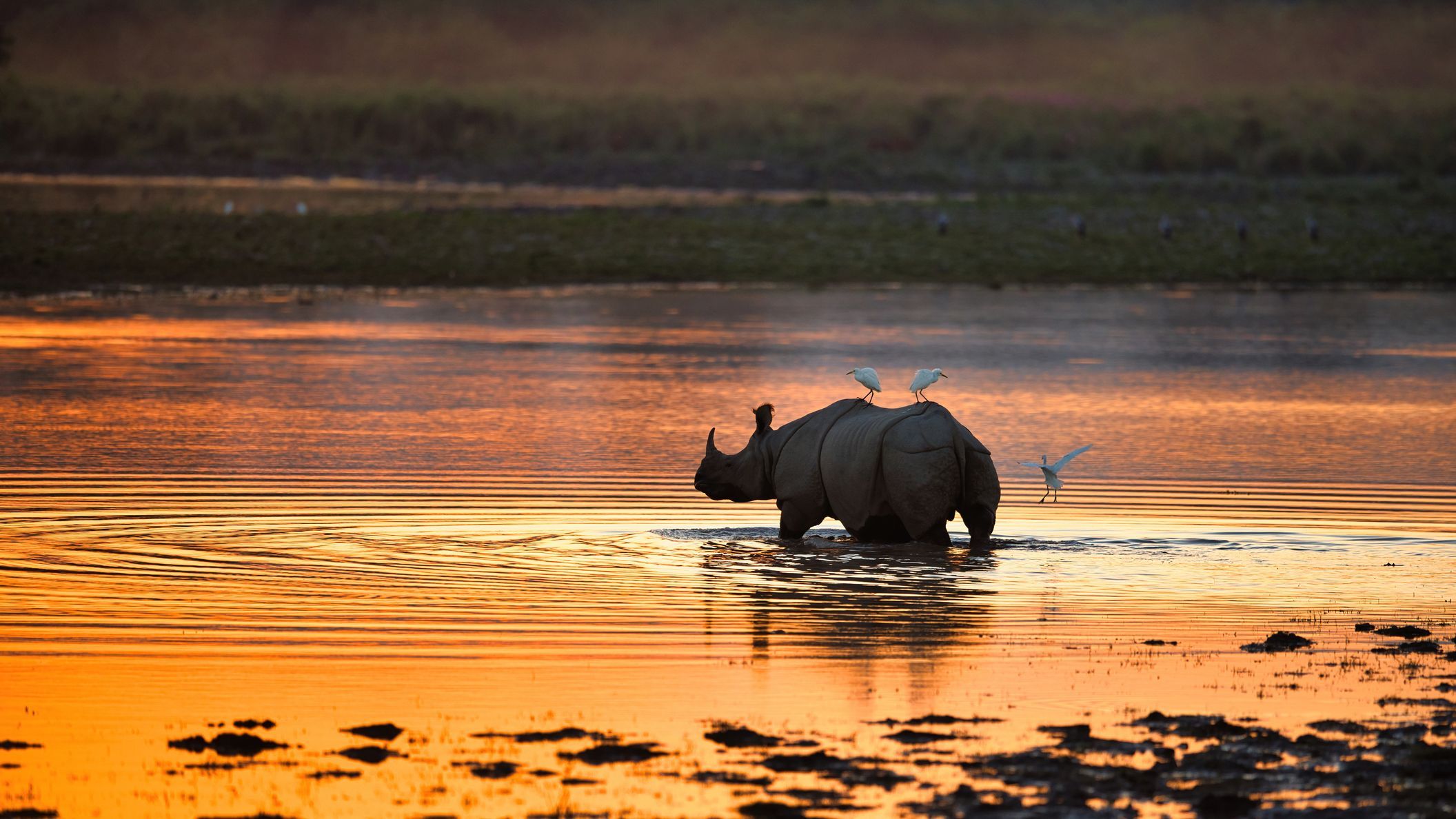
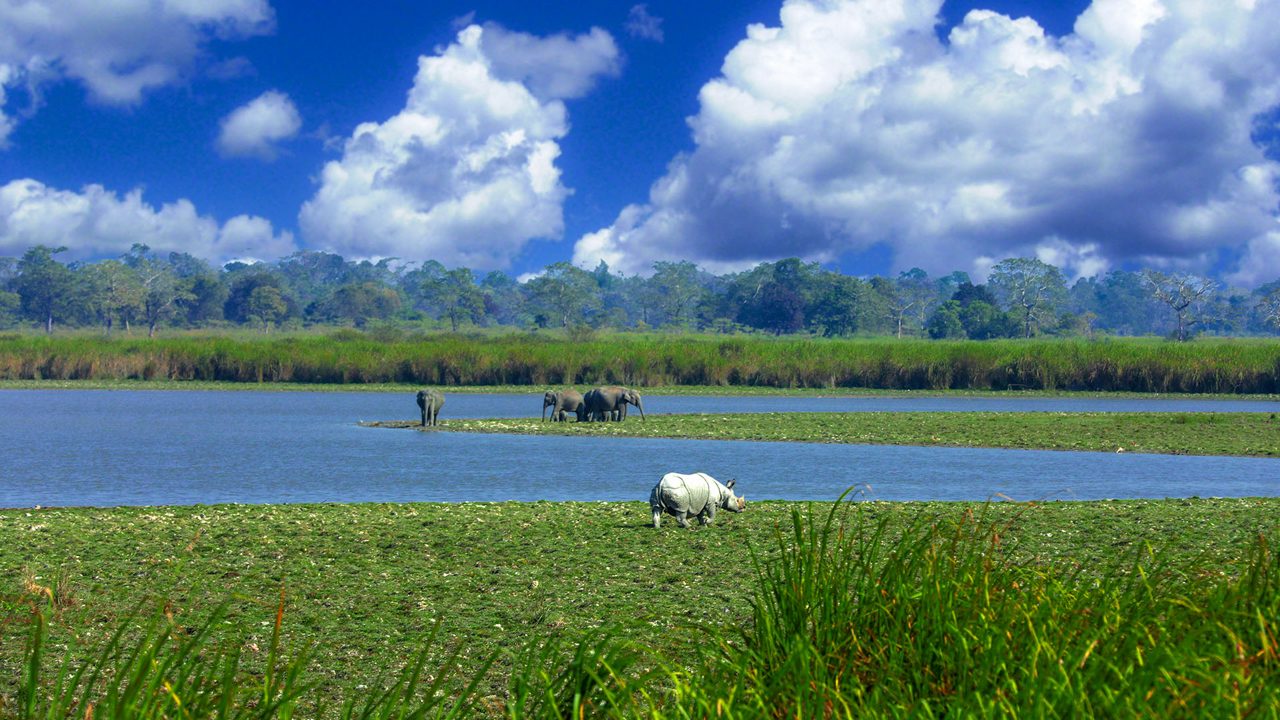
Kaziranga National Park is one of India’s most important protected areas and a major centre of wildlife conservation. Located in the state of Assam, the park is internationally famous for the greater one-horned rhinoceros. It holds the largest population of this species in the world and has played a major role in bringing the animal back from the brink of extinction.
The park is also important for its population of Bengal tigers, Asian elephants, wild water buffaloes and eastern swamp deer. Because of its exceptional biodiversity and successful conservation history, Kaziranga National Park was declared a UNESCO World Heritage Site in 1985.

Location and Geographical Setting
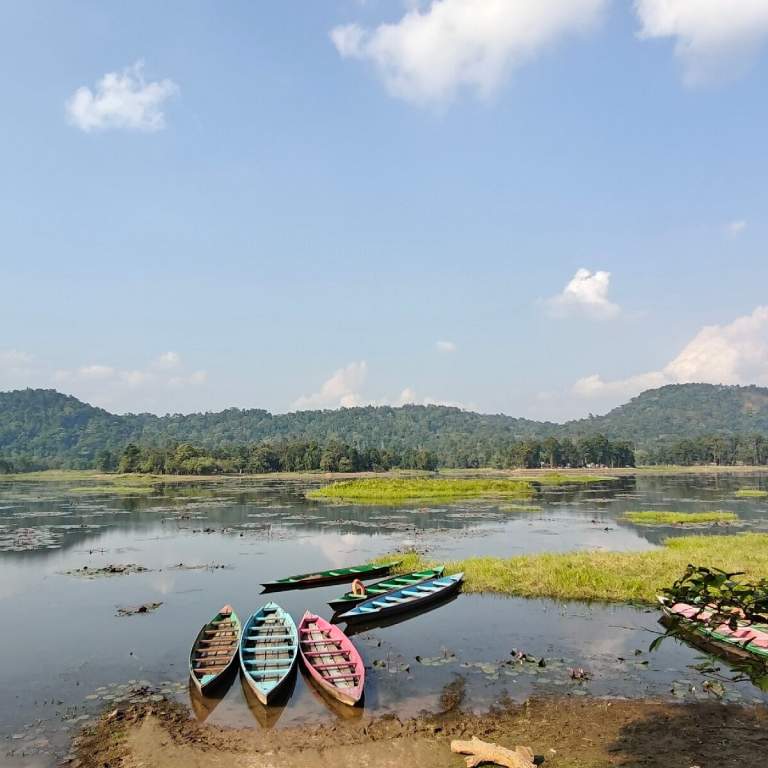
Kaziranga National Park is located in the floodplains of the Brahmaputra River in Assam. The protected landscape mainly extends across the districts of Golaghat and Nagaon, while the larger Kaziranga landscape is also ecologically connected with the Karbi Anglong region.
The park lies between the Brahmaputra River to the north and the Karbi Anglong Hills to the south. This geographical position is extremely important for wildlife conservation. During the annual floods of the Brahmaputra, animals move towards higher ground and nearby forested areas, especially towards the Karbi Anglong Hills.
The landscape of Kaziranga is mainly made up of:
- Tall elephant grass
- Alluvial grasslands
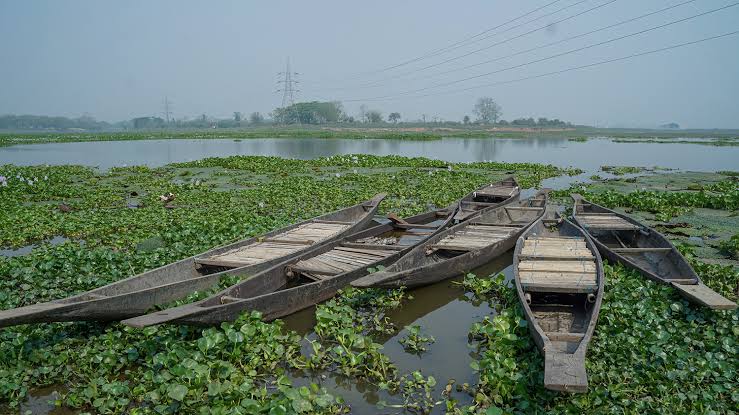
- Marshes and wetlands
- Shallow water bodies
- Rivers and streams
- Tropical forests
- Sandbars and floodplains
The Brahmaputra and its tributaries continuously shape the landscape of Kaziranga. Annual flooding may cause temporary losses, but it also brings fresh fertile soil and maintains the grasslands and wetlands. Therefore, floods are not only a challenge but also an important ecological process in the Kaziranga ecosystem.
History of Kaziranga National Park
The history of Kaziranga’s conservation is closely connected with the protection of the greater one-horned rhinoceros.
At the beginning of the twentieth century, the population of one-horned rhinoceroses in Assam had declined sharply because of hunting and habitat loss. In 1904, Mary Curzon, the wife of Lord Curzon, visited the region but reportedly did not see a rhinoceros. She became concerned about the declining population and supported efforts to protect the area.
In 1905, the area was proposed for protection as the Kaziranga Proposed Reserve Forest. Over time, the protected area received stronger legal protection.
Important milestones include:
- 1905 – Kaziranga Proposed Reserve Forest was established.
- 1916 – The area became the Kaziranga Game Sanctuary.
- 1950 – It was renamed Kaziranga Wildlife Sanctuary.
- 1968 – The Assam National Park Act provided a legal basis for the establishment of a national park.
- 1974 – Kaziranga was officially declared a National Park.
- 1985 – UNESCO declared Kaziranga a World Heritage Site.
- 2006 – Kaziranga was declared a Tiger Reserve.
These developments show the gradual evolution of Kaziranga from a protected forest into one of the world’s most important wildlife conservation landscapes.
Kaziranga and the One-Horned Rhinoceros
The greater one-horned rhinoceros, also called the Indian rhinoceros, is the most famous animal of Kaziranga National Park. Its scientific name is Rhinoceros unicornis.
The species is identified by:
- One prominent horn
- Thick grey-brown skin
- Deep skin folds that give an armour-like appearance
- A large and heavy body
- A diet mainly consisting of grasses, leaves, shrubs and aquatic plants
Kaziranga holds the world’s largest population of greater one-horned rhinoceroses. According to the 2022 rhino census, the park had more than 2,600 rhinoceroses, making it the most important stronghold for the species.
The greater one-horned rhinoceros is listed as Vulnerable on the IUCN Red List. Conservation efforts in Kaziranga, along with protection in other areas of Assam and neighbouring regions, have helped increase the global population of the species.
For examinations, it is important to remember that Kaziranga has the largest population of one-horned rhinoceroses, while Pobitora Wildlife Sanctuary is known for having one of the highest densities of one-horned rhinoceroses.
Important Wildlife of Kaziranga
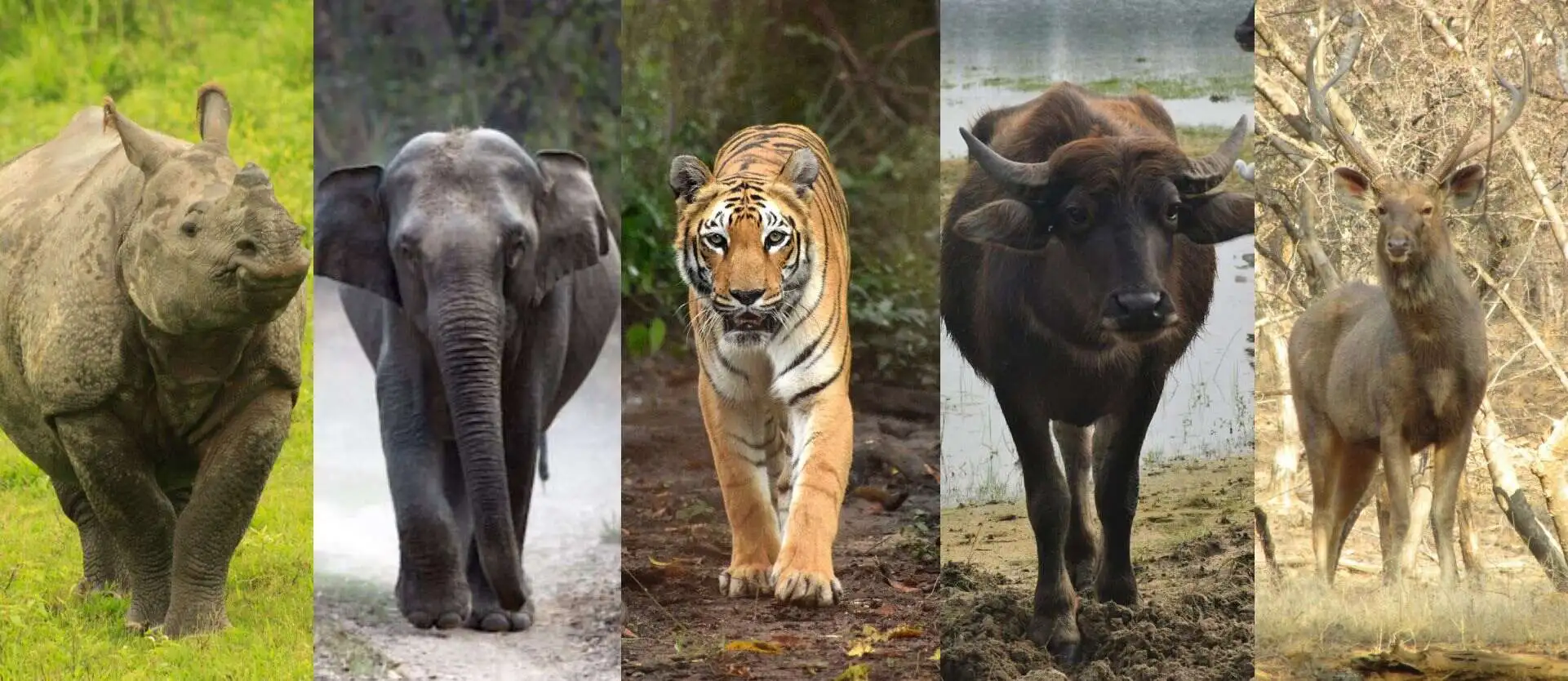
Kaziranga National Park is known for its rich megafauna. The most important large mammals found in the park include:
- Greater one-horned rhinoceros
- Bengal tiger
- Asian elephant
- Wild water buffalo
- Eastern swamp deer
- Leopard
- Sloth bear
The rhinoceros, elephant, tiger and wild water buffalo are among the most important flagship species of the Kaziranga landscape.
Kaziranga is also known for its significant tiger population. The park became a Tiger Reserve in 2006 and is recognised for having a high tiger density. The grasslands, forests, wetlands and large prey populations provide suitable conditions for tigers.
Another important animal is the wild water buffalo, which is one of the largest wild bovines in the world. Kaziranga is one of the major habitats of this species in India.
The park is also home to the eastern swamp deer, an important deer species associated with wet grasslands and floodplain ecosystems.

Bird Diversity and Other Animals
Kaziranga National Park is not limited to large mammals. It has exceptional bird diversity and is recognised as an important bird habitat. The park supports resident as well as migratory birds.
Wetlands and grasslands provide habitats for species such as:
- Bar-headed goose
- Lesser adjutant
- Asian openbill
- Spot-billed pelican
- Various ducks and geese
- Kingfishers
- Eagles and other birds of prey
Kaziranga has also been recognised as an Important Bird and Biodiversity Area because of its significance for bird conservation.
The park supports several species of reptiles, amphibians and fish. Turtles and snakes are also found in the landscape. The river system and wetlands are important for aquatic biodiversity, including the Ganges river dolphin in the wider Brahmaputra river ecosystem.
Kaziranga is also notable for its primate diversity. The larger Assam landscape supports several primate species, including the hoolock gibbon, which is India’s only ape.
Vegetation and Ecosystem
Kaziranga National Park contains a mixture of grassland, woodland, forest and wetland ecosystems. The most characteristic feature of the park is its tall grasslands, particularly areas dominated by elephant grass.
Major vegetation types include:
- Alluvial inundated grasslands
- Savanna woodlands
- Tropical moist deciduous forests
- Tropical semi-evergreen forests
- Wetlands and aquatic vegetation
The grasslands are maintained by a combination of annual floods, grazing by herbivores and natural ecological processes. These grasslands are especially important for rhinoceroses, elephants and swamp deer.
Trees and plant species such as elephant apple, Indian gooseberry and other native vegetation also form part of the ecosystem. The diversity of vegetation supports the enormous variety of wildlife found in Kaziranga.
Importance of Brahmaputra Floods
Floods are one of the most important ecological features of Kaziranga National Park. Every year, the Brahmaputra River floods large parts of the surrounding floodplain.
Floods create serious challenges for wildlife and park management. Animals may move to higher ground and sometimes cross roads, increasing the risk of accidents. However, floods also perform important ecological functions.
They:
- Deposit fresh alluvial soil
- Rejuvenate wetlands
- Maintain grasslands
- Create new water bodies
- Support nutrient cycling
- Prevent the ecosystem from becoming ecologically stagnant
Therefore, the conservation of Kaziranga cannot be separated from the natural flood cycle of the Brahmaputra River.
Conservation Challenges
Despite its success, Kaziranga faces several conservation challenges. One of the major threats has historically been poaching, especially because of the illegal trade in rhinoceros horns.
Other important challenges include:
- Annual floods
- Habitat erosion
- Wildlife movement across roads
- Human-wildlife conflict
- Invasive plant species
- Pressure on wildlife corridors
The movement corridor between Kaziranga and the Karbi Anglong Hills is particularly important. Animals need safe routes to move between floodplains and higher forest areas.
The Assam government, forest authorities, conservation organisations and local communities play an important role in protecting the park. Anti-poaching measures, wildlife monitoring, habitat management and corridor protection are essential for the future of Kaziranga.
Kaziranga National Park: Important Facts
Here are some important facts to remember:
- State: Assam
- Famous for: Greater one-horned rhinoceros
- UNESCO World Heritage Site: Yes
- UNESCO designation year: 1985
- Declared National Park: 1974
- Tiger Reserve: Declared in 2006
- Major river: Brahmaputra
- Important hills nearby: Karbi Anglong Hills
- Important animals: Rhino, tiger, elephant, wild water buffalo and swamp deer
- Rhinoceros scientific name: Rhinoceros unicornis
- Rhino conservation status: Vulnerable on the IUCN Red List
- Ecosystem type: Floodplain grassland, wetland and forest ecosystem
- Major conservation importance: World’s largest population of greater one-horned rhinoceroses
Conclusion
Kaziranga National Park is one of India’s greatest achievements in wildlife conservation. From a region where the one-horned rhinoceros population had drastically declined, it has developed into the world’s most important habitat for the species. Its grasslands, wetlands, forests and rivers support an extraordinary range of animals and plants.
The park is important not only because of its rhinoceroses but also because of its tigers, elephants, wild water buffaloes, swamp deer and rich birdlife. The annual floods of the Brahmaputra, though challenging, are also essential to maintaining the unique ecosystem.
For General Knowledge and competitive examinations, Kaziranga National Park is an important example of biodiversity conservation, floodplain ecology, wildlife protection and UNESCO natural heritage. Understanding its history, location, species and conservation challenges helps in building a strong knowledge base about India’s protected areas and environmental heritage.
FAQs
1. Where is Kaziranga National Park located?
Kaziranga National Park is located in the state of Assam in northeastern India, mainly across the Golaghat and Nagaon regions.
2. What is Kaziranga National Park famous for?
Kaziranga National Park is world-famous for the greater one-horned rhinoceros and holds the largest population of this species.
3. When was Kaziranga declared a National Park?
Kaziranga was officially declared a National Park in 1974.
4. When did Kaziranga become a UNESCO World Heritage Site?
Kaziranga National Park was declared a UNESCO World Heritage Site in 1985.
5. Which river is closely associated with Kaziranga National Park?
The Brahmaputra River is closely associated with Kaziranga and plays a major role in shaping its ecosystem.