


30 kW DEW Advances Drone Defence

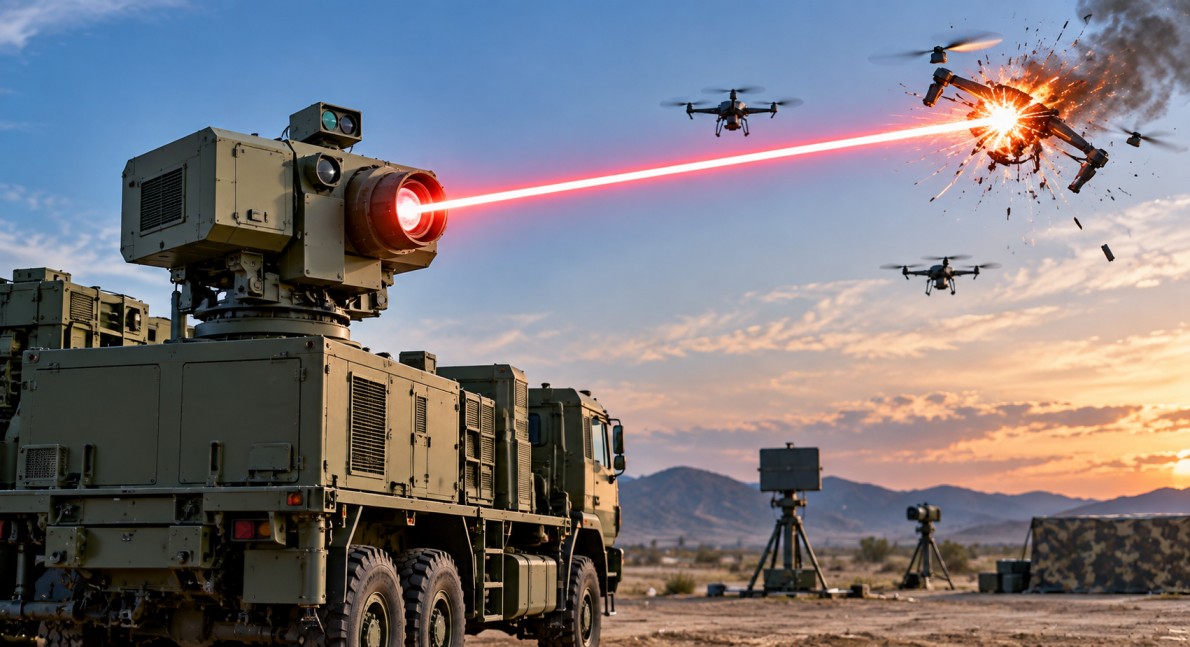
30 kW DEW development by the Defence Research and Development Organisation (DRDO) is adding a new layer to India’s efforts to counter drones and other aerial threats. The laser-based directed-energy weapon is designed to use concentrated energy instead of conventional ammunition to damage or disable targets. The system is being developed as part of India’s wider work on counter-drone and advanced air-defence technologies. DRDO has already demonstrated the Mk-II(A) system during field trials in Kurnool, Andhra Pradesh.
Thank you for reading this post, don't forget to subscribe!30 kW DEW Uses High-Power Laser Technology
A directed-energy weapon, or DEW, uses concentrated energy to affect a target. In the case of the DRDO system, the energy comes from a high-power laser.
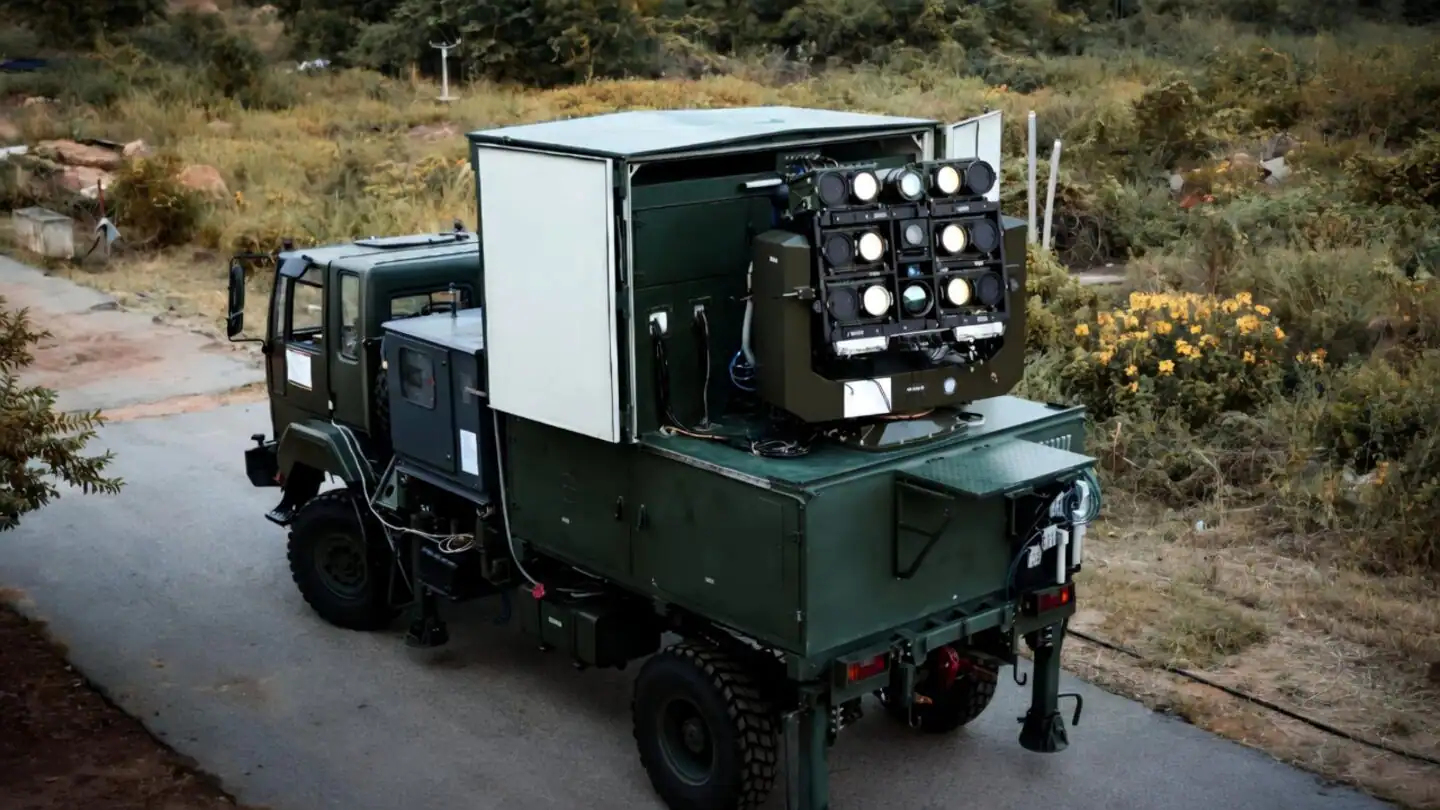
DRDO’s published material describes the Mk-II(A) as a 30 kW high-powered laser system. The system uses six 5 kW laser beams and is mounted on a truck, allowing it to be moved and deployed as a land-based system. The technology is intended for countering aerial threats such as drones and for disabling sensors.
Unlike conventional weapons that use missiles or physical projectiles, a laser DEW directs energy towards the target. This gives the system a different approach to dealing with small unmanned aircraft and other electronic or aerial targets.
Kurnool Trial Demonstrated Counter-Drone Capability
The Mk-II(A) system was demonstrated at the National Open Air Range in Kurnool in April 2025. During the field demonstration, the system engaged a fixed-wing unmanned aerial vehicle and a swarm of drones.
According to DRDO’s description of the trial, the system caused structural damage to the fixed-wing UAV and swarm drones and disabled their surveillance sensors. The demonstration showed how a high-power laser could be used against multiple types of aerial targets.
Reports from the April 2025 trial said the system was tested against targets at ranges of up to about 3.5 km under field conditions. DRDO’s technical material has separately described the Mk-II(A) with a range of about 4 km. The precise effective range can depend on the target, atmosphere and operating conditions.
Growing Need for Counter-Drone Systems
The development of the 30 kW DEW comes as drones have become increasingly important in modern military operations. Small UAVs can be used for surveillance, reconnaissance and other missions, while groups of drones can be operated together as a swarm.
Counter-drone systems therefore need to detect, track and respond to several types of threats. Laser weapons are being explored internationally because they can provide another option alongside guns, electronic warfare and interceptor missiles.
DRDO has said that its electronics and communication systems laboratories work on radar, electro-optical equipment, laser sources and directed-energy weapon systems. These technologies are being developed for use across different defence platforms and programmes.
Integrated Drone Detection and Interdiction System
The laser weapon is associated with DRDO’s Integrated Drone Detection and Interdiction System, or IDD&IS. Such systems combine detection, tracking and response functions rather than depending only on the weapon itself.
A counter-drone system first needs to identify an aerial object and determine whether it represents a threat. Sensors such as radar and electro-optical systems can help track the target. The directed-energy component can then be used against suitable targets.
This combination is important because a laser weapon is only one part of a wider air-defence network. Detection, tracking, identification and engagement all need to work together for effective counter-drone operations.
From 30 kW to Higher-Power Systems
The 30 kW class is also part of DRDO’s broader research into higher-energy directed weapons. DRDO has previously indicated that it is working on systems in the 50–100 kW range and other high-energy technologies.
Higher-power lasers could potentially be developed for dealing with larger or more demanding targets, although their actual capabilities depend on the final design, testing and operating conditions.
DRDO has also identified directed-energy weapons among its wider technology-development areas. Its technology information includes work on high-power lasers for space-based applications, showing that directed-energy research extends beyond land-based counter-drone systems.
India’s Wider Counter-Drone Technology Push
The 30 kW DEW is being developed alongside other Indian technologies aimed at improving protection against unmanned aerial threats. Radar, electro-optical sensors, electronic warfare systems and interceptor technologies can all play different roles in a layered counter-drone network.
The need for such systems has also increased as drones have appeared in recent conflicts and security operations around the world. Their relatively small size and ability to operate in groups can create challenges for traditional air-defence systems.
Laser systems offer a different operating model because the weapon uses electrical energy to generate the beam rather than requiring a separate missile for every engagement. However, lasers also face technical limitations, including weather conditions, atmospheric effects, power supply and the time required to maintain the beam on a target.
Industry Production and Future Development
The next stage for the 30 kW system involves moving from technology demonstration towards wider industrial production. The technology-transfer process is important because large-scale deployment would require Indian companies to manufacture, maintain and support the systems.
DRDO’s broader technology-transfer programme is designed to move developed defence technologies to Indian industry for production. The organisation continues to work with private companies, public-sector organisations, academia and its own laboratories on advanced defence systems.
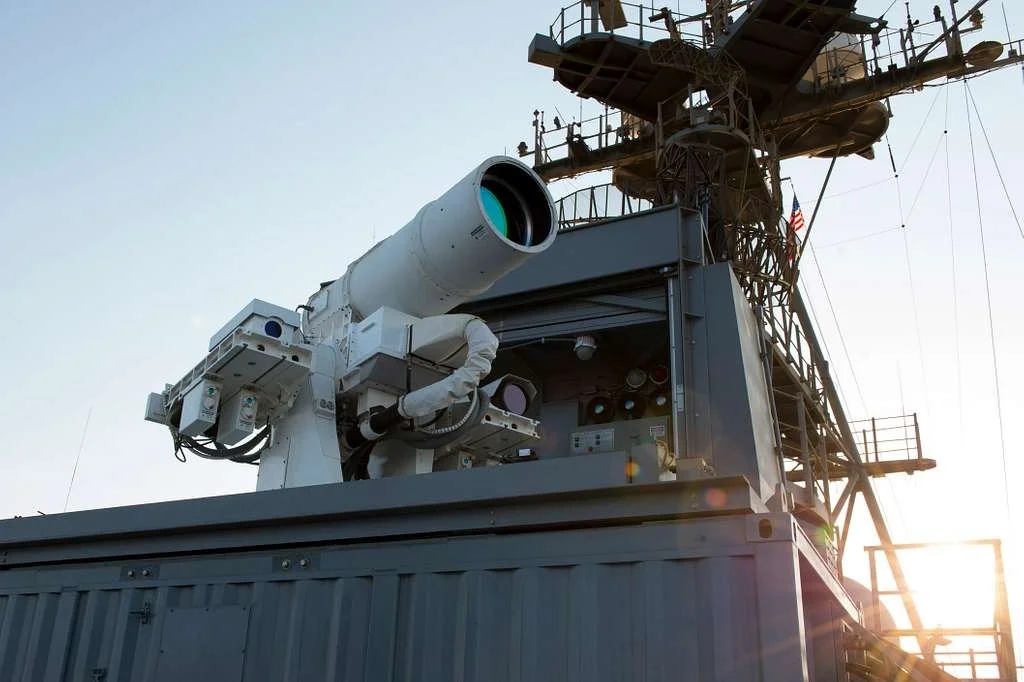
The development of higher-power laser systems is expected to remain part of India’s longer-term directed-energy research. Alongside lasers, DRDO is also working on other high-energy technologies, including high-energy microwave and electromagnetic-pulse systems.
Directed-Energy Weapons and Modern Defence
Directed-energy weapons are being researched by several major military powers as countries look for new ways to respond to drones, sensors and other aerial threats. India demonstrated its 30 kW laser capability at Kurnool in 2025, placing the technology among the advanced systems being developed for future air defence.
For DRDO, the 30 kW Mk-II(A) represents one stage in a wider programme involving lasers, sensors, electronic warfare and counter-drone technologies. The focus is now moving towards improving range, power, mobility and integration with broader defence networks as India continues development of indigenous directed-energy systems.