


Amolops Kamal: New Frog Species Discovered in Nagaland

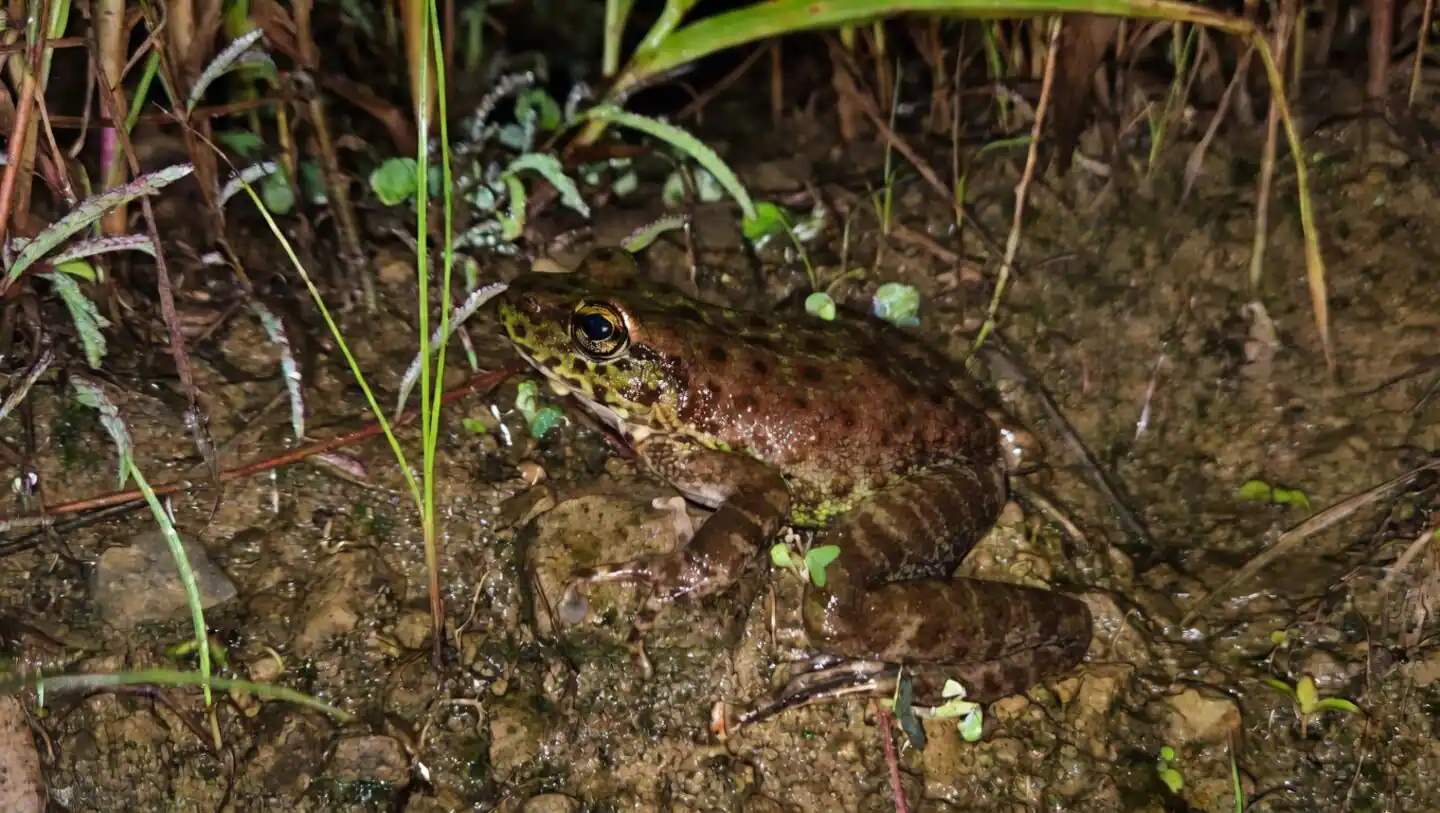
Amolops Kamal has become the latest addition to India’s rich wildlife diversity. Scientists from the Zoological Survey of India (ZSI), Shillong, have discovered a new species of cascade frog in the hill streams of Nagaland. The discovery was officially announced on 29 May 2026 and has attracted attention from wildlife researchers and conservation experts across the country.
The newly identified frog was found near Singrep village in Nagaland’s Kiphire district during a field survey conducted in August 2024. After detailed scientific studies and genetic analysis, researchers confirmed that the frog belongs to a previously unknown species. It has been given the scientific name Amolops kamal.

Discovery in the Hills of Nagaland
Nagaland is known for its beautiful forests, mountains, and streams. These natural habitats support many rare animals and plants. During a biodiversity survey in Kiphire district, scientists noticed a unique frog living near fast-flowing streams and waterfalls.
The team collected samples and carefully examined the frog’s physical features. Further laboratory studies showed that it was different from all known species of the Amolops group. This confirmed the discovery of a completely new species.
The finding highlights the importance of Northeast India as one of the most biologically rich regions of the country.
What Are Cascade Frogs?
Cascade frogs are frogs that live near flowing mountain streams, waterfalls, and rocky water channels. They belong to the genus Amolops, a group known for adapting to strong water currents.
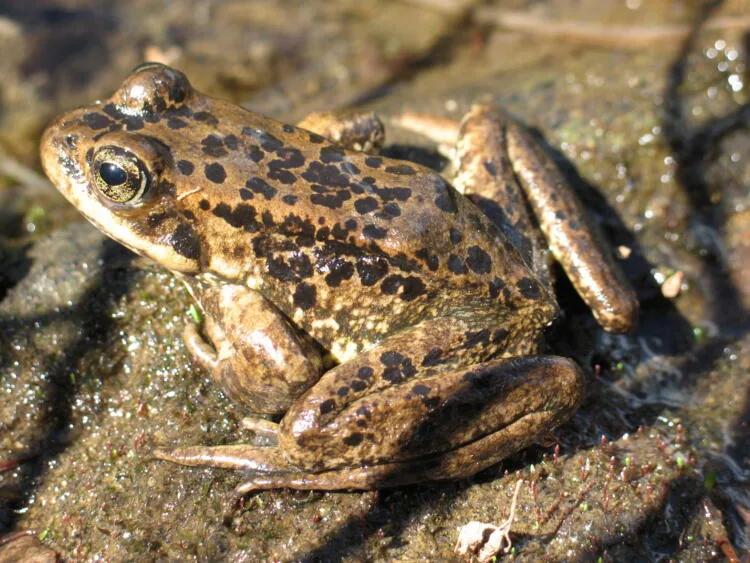
Unlike frogs that live in ponds or wetlands, cascade frogs are specially adapted to life in moving water. Their bodies and limbs help them cling to rocks and survive in stream habitats.
Most species of Amolops are found in forested mountain regions across South and Southeast Asia. Scientists continue to discover new members of this group because many remote habitats remain unexplored.
How Scientists Confirmed the New Species
Researchers used a modern method called integrative taxonomy to identify the frog. This process combines different types of scientific information, including:
- Physical appearance and body structure
- DNA and genetic analysis
- Evolutionary relationships
- Habitat characteristics
Genetic testing showed that Amolops kamal belongs to the Amolops indoburmanensis species complex but forms its own separate evolutionary lineage.
This combination of field observations and molecular studies provided strong evidence that the frog is a distinct species.
Why the Frog Was Named Amolops Kamal
The newly discovered species was named in memory of Dr. Kamal Choudhury, a respected teacher and mentor. Lead researcher Bhaskar Saikia chose the name to honour Dr. Choudhury’s contribution to science education and guidance.
Naming new species after scientists, teachers, and researchers is a long-standing tradition in biology. It helps recognize individuals who have contributed to scientific knowledge and conservation efforts.
Role of the Zoological Survey of India
The research was carried out by scientists from the Zoological Survey of India (ZSI), one of India’s leading wildlife research organizations.
Established in 1916, ZSI works under the Ministry of Environment, Forest and Climate Change. The organization conducts surveys, studies animal diversity, and helps document India’s wildlife resources.
The discovery of Amolops kamal shows the continuing importance of field research in understanding the country’s biodiversity.
Northeast India: A Biodiversity Treasure
Northeast India is recognized as one of the world’s major biodiversity hotspots. The region contains dense forests, mountain ecosystems, rivers, and unique wildlife habitats.
Many amphibians, reptiles, birds, and mammals found here are not seen anywhere else in the world. Scientists believe that several undiscovered species may still exist in remote areas of the region.
Kiphire district, where the new frog was found, is known for its forested hills and clean mountain streams. Such environments provide ideal conditions for amphibians and other stream-dependent animals.
Importance of Frog Discoveries
Frogs play an important role in maintaining ecological balance. They help control insect populations and serve as indicators of environmental health.
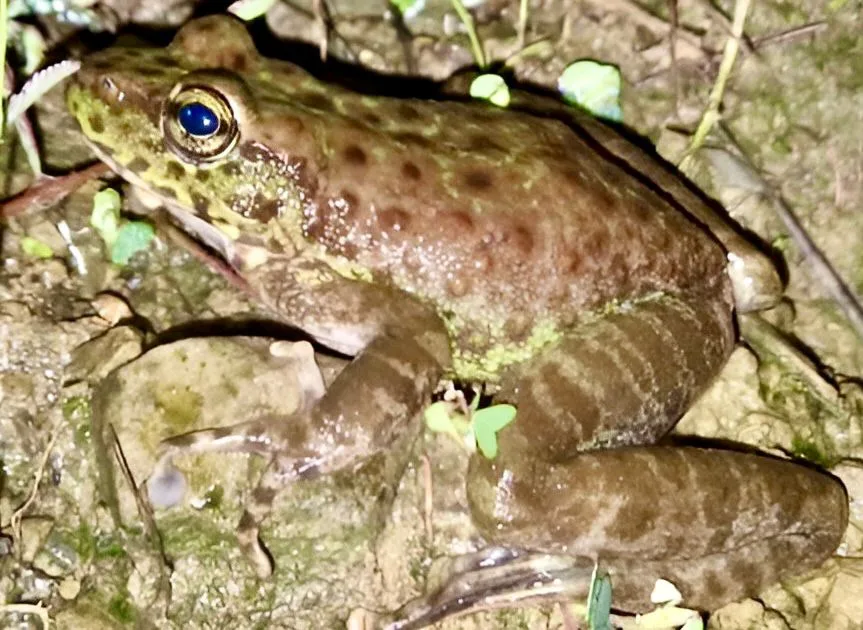
A decline in frog populations often signals problems such as pollution, habitat destruction, or climate change. Therefore, discovering and studying new frog species helps scientists better understand ecosystem health.
The identification of Amolops kamal also strengthens efforts to protect freshwater habitats and forest ecosystems in Northeast India.
Growing Focus on Biodiversity Conservation
The discovery comes at a time when conservation efforts are gaining importance across India. Governments, researchers, and environmental organizations are increasingly focusing on protecting forests, rivers, and wildlife habitats.
Recent biodiversity studies have shown that many species face threats from habitat loss, climate change, and human activities. Discoveries like Amolops kamal remind us that protecting natural ecosystems is essential for preserving unique wildlife.
Researchers believe continued exploration and scientific surveys in remote regions will lead to more discoveries in the coming years.
The research team behind the discovery included Bhaskar Saikia, Bikramjit Sinha, A. Shabnam, Prabir Narayan Konwar, Mridul Kumar Borthakur, and K.P. Dinesh. Their work has added another important species to India’s amphibian records and highlighted the rich biodiversity of Nagaland.