



NMC MBBS Rule 2026: Course Completion Time Extended to 10 Years

NMC MBBS Rule 2026 has become an important topic in India’s medical education sector. The National Medical Commission (NMC) has proposed a major change in the duration allowed for completing the MBBS course. According to a draft notification released on 18 May 2026, medical students may soon get up to 10 years to complete their MBBS degree instead of the current 9-year limit.
The proposal is part of the Draft Graduate Medical Education (Amendment) Regulations, 2026. The move is expected to benefit students who face academic, personal, health-related, or other challenges during their medical studies.

What Is the New Proposal?
The National Medical Commission has suggested extending the maximum period for completing the MBBS course from nine years to ten years. This proposed change will amend Clause 21 of the Graduate Medical Education Regulations, 2023.
If approved, students will have one additional year to complete all academic requirements, examinations, and internship training necessary for earning an MBBS degree.
The proposal aims to provide greater flexibility while maintaining educational standards in medical colleges across the country.
Why Is the Change Important?
Medical education is one of the most demanding academic programs in India. Many students face difficulties due to health issues, family responsibilities, financial problems, or academic setbacks.
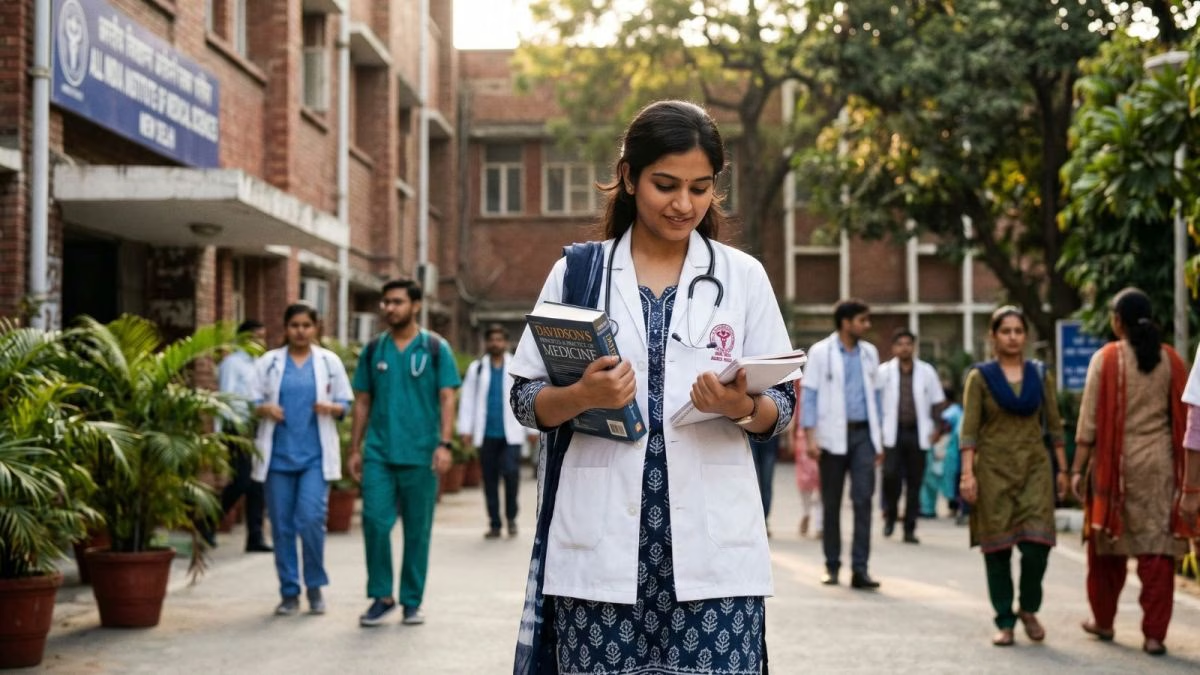
The additional year can help students:
- Complete pending examinations.
- Finish required academic training.
- Manage personal challenges without losing their medical career.
- Continue studies with less pressure.
Experts believe the extension may reduce stress among students while ensuring that future doctors receive proper training before entering the healthcare system.
MBBS Course Structure in India
The MBBS course is regulated by the National Medical Commission and follows a structured training system.
The course includes:
| Component | Details |
|---|---|
| Academic Study | Medical theory and practical training |
| Clinical Training | Hands-on patient care experience |
| University Examinations | Professional MBBS exams |
| Internship | Compulsory Rotatory Medical Internship (CRMI) |
The proposed 10-year limit will include the mandatory internship period, which is an essential part of medical education.
First Professional MBBS Examination Rules Remain Unchanged
While the overall course duration is proposed to be increased, the existing examination rules will continue.
Students will still be allowed a maximum of four attempts to clear the First Professional MBBS Examination.
This examination is generally conducted during the initial stage of the MBBS program and serves as an important academic milestone for medical students.
The NMC has decided not to modify this rule in the current amendment proposal.
Public Feedback Invited
The draft amendment has been released for public consultation. Stakeholders, medical colleges, healthcare professionals, students, and citizens can submit comments and suggestions on the proposal.
The consultation process will remain open for 30 days from the date of notification.
The last date for submitting feedback is 27 June 2026.
After reviewing all responses, the National Medical Commission may make further changes before issuing the final regulations.
About the National Medical Commission
The National Medical Commission is India’s main regulatory body for medical education and medical professionals.

It was established under the National Medical Commission Act, 2019 and replaced the Medical Council of India (MCI).
The commission is responsible for:
- Regulating medical education.
- Maintaining quality standards in medical colleges.
- Approving medical courses.
- Overseeing professional ethics.
- Monitoring medical training across India.
The NMC regularly updates regulations to improve healthcare education and align it with modern requirements.
Impact on Medical Students
The proposed rule is receiving attention from students and educators across the country.
Supporters believe the extension will help students who face unavoidable interruptions in their studies. It may also reduce the risk of students losing years of education due to temporary setbacks.
At the same time, educational institutions will continue to follow strict academic standards, ensuring that only qualified and properly trained graduates enter the medical profession.
The proposal comes at a time when India is expanding its healthcare infrastructure and increasing the number of medical colleges and MBBS seats. Providing flexibility while maintaining quality has become a key focus of medical education reforms in 2026.
With the healthcare sector growing rapidly, such regulatory changes are expected to play an important role in supporting future medical professionals and strengthening the country’s healthcare system.