



Jharkhand GI Tags for Four Traditional Handloom Products

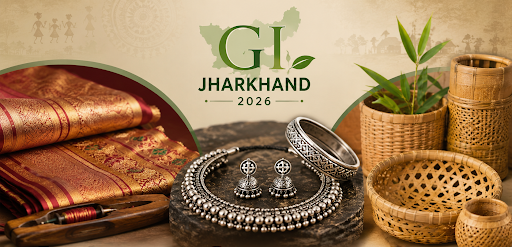
Jharkhand GI Tags have brought national attention to four traditional products from the state. In June 2026, Bhagaiya Silk, Kuchai Silk, Munda Jewellery, and Jharkhand Bamboo Craft were awarded Geographical Indication (GI) tags. This recognition protects these unique products and highlights the rich cultural heritage and traditional skills of Jharkhand’s artisans. The new GI tags are expected to improve market opportunities, increase product value, and help preserve these age-old crafts for future generations.
A Geographical Indication (GI) tag is a type of intellectual property right given to products that come from a specific region and have special qualities, reputation, or characteristics linked to that place. In India, GI tags help protect traditional products from misuse while promoting local industries and cultural identity.

Four Traditional Products Receive GI Recognition
The four newly recognized products represent different parts of Jharkhand’s rich handloom and handicraft traditions.
Bhagaiya Silk
Bhagaiya Silk is a premium variety of wild Tasar silk produced mainly in the Bhagaiya region of Godda district. Godda is widely known as the Silk City of Jharkhand because of its long history of silk production. Tasar silk is produced by silkworms that live in forests and feed on natural trees. Unlike regular silk, Tasar silk has a beautiful natural golden colour, making it highly valued for traditional clothing and luxury fabrics.
Local artisans use traditional weaving methods that have been passed down through generations. The GI tag will help protect the identity of Bhagaiya Silk and encourage more buyers to choose authentic products made by local weavers.
Kuchai Silk Reflects Tribal Heritage
Kuchai Silk comes from the Kuchai region of Seraikela-Kharsawan district. Like Bhagaiya Silk, it is also made from wild Tasar silk, but it has its own distinctive weaving style and traditional production methods.
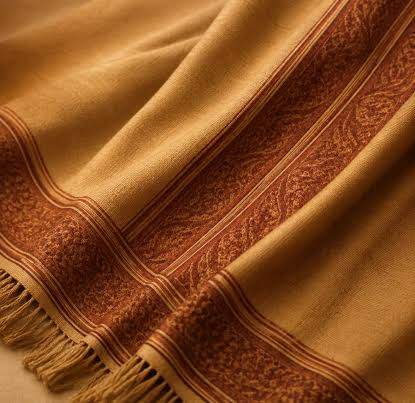
The silk is produced using environmentally friendly practices, and many tribal families depend on this craft for their livelihood. The fabric is known for its natural shine, strength, and smooth texture. The GI recognition is expected to improve the income of local artisans by helping them reach larger markets across India and abroad.
Munda Jewellery Preserves Tribal Culture
Munda Jewellery is handcrafted by the Munda tribal community, one of the oldest indigenous communities of Jharkhand. These ornaments are famous for their simple geometric patterns and cultural importance.
The jewellery is often worn during festivals, traditional dances, weddings, and community celebrations. Every design reflects the customs, beliefs, and artistic skills of the Munda people. The GI tag helps protect these traditional designs from imitation while giving proper recognition to the tribal artisans who continue this centuries-old craft.
With increasing interest in handmade and ethnic fashion, Munda Jewellery has the potential to attract both domestic and international buyers.
Jharkhand Bamboo Craft Gets Recognition
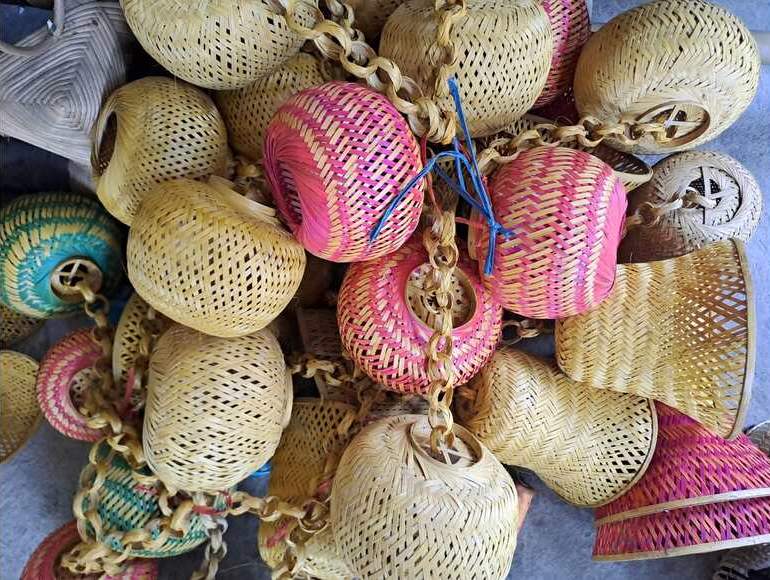
Jharkhand Bamboo Craft is another important traditional product that has received the GI tag. Bamboo is widely available in the forests of the Chhota Nagpur Plateau, making it an important natural resource for local communities.
Skilled artisans create a wide range of products, including baskets, household items, decorative pieces, furniture, and gift articles. Bamboo is also considered an eco-friendly material because it grows quickly and is biodegradable.
As people around the world are becoming more interested in sustainable products, GI recognition may increase demand for bamboo handicrafts made in Jharkhand.
What is a GI Tag?
A Geographical Indication (GI) tag identifies products that have a specific geographical origin and special qualities connected to that location. These qualities may result from local climate, natural resources, traditional knowledge, or skilled craftsmanship.
In India, GI registration is provided under the Geographical Indications of Goods (Registration and Protection) Act, 1999. The registration process is managed by the Department for Promotion of Industry and Internal Trade (DPIIT) through the GI Registry.
A registered GI remains valid for ten years and can be renewed after that period. The protection prevents unauthorized use of the product name and ensures that only genuine producers from the recognised region can use the GI label.
Benefits of GI Recognition
Receiving a GI tag offers many advantages to local producers and artisans.
Some important benefits include:
- Protection against fake or duplicate products.
- Better market recognition for authentic goods.
- Higher value for traditional products.
- Increased opportunities for exports.
- Promotion of cultural tourism.
- Greater awareness of local craftsmanship.
- Improved income for artisans and weavers.
- Preservation of traditional knowledge and skills.
Many successful Indian products such as Darjeeling Tea, Banarasi Saree, Kanchipuram Silk, and Mysore Sandalwood have benefited significantly after receiving GI recognition.
NABARD Supports Local Artisans
The National Bank for Agriculture and Rural Development (NABARD) played an important role in obtaining GI recognition for these products. NABARD helped identify their unique features, documented their history, and supported producer groups during the registration process.
The organisation also works on improving value chains, promoting producer organisations, providing training, and helping artisans connect with better markets. Such support enables rural communities to earn more while continuing their traditional occupations.
Growing Importance of Traditional Crafts
Across India, consumers are increasingly choosing handmade and locally produced goods. Government initiatives promoting “Vocal for Local” and sustainable products have created greater interest in traditional crafts.
Online marketplaces, exhibitions, and handicraft fairs now provide artisans with new opportunities to sell their products directly to customers. Social media has also become an effective platform for showcasing regional craftsmanship to buyers around the world.
GI recognition strengthens consumer confidence because buyers know they are purchasing authentic products created by skilled local artisans.
More GI-Tagged Products from Jharkhand
Jharkhand already has several other traditional products that have received GI recognition. These include:
- Bhoya Saree and Fabric
- Tumka Chadar
- Baroni Paintings
- Tussar Silk and Sarees
- Jadopatia Painting
- Pancho Saree and Fabric
- Kesaria Kalakand
- Dokra Craft
These products represent the state’s rich traditions in weaving, painting, handicrafts, textiles, and food.
During Bharat Tex 2026, held at Bharat Mandapam in July 2026, six GI-tagged handloom products from Jharkhand were showcased. The event helped introduce these traditional crafts to buyers, designers, exporters, and industry experts from different parts of India and overseas.
The latest GI recognition for Bhagaiya Silk, Kuchai Silk, Munda Jewellery, and Jharkhand Bamboo Craft further strengthens Jharkhand’s position as a state rich in traditional craftsmanship, natural resources, and tribal heritage. These products not only represent centuries of cultural knowledge but also create new opportunities for artisans to participate in modern markets while preserving their unique identity.