

Anaemia Challenge India: ICMR Initiative

Anaemia Challenge India has taken a big step forward as the Indian Council of Medical Research (ICMR) and the Gates Foundation launched a new initiative to fight anaemia through better nutrition. This challenge focuses on creating affordable, iron-rich food products that can help improve the health of millions of women and girls across the country. With anaemia still a major health issue in India, this move is seen as an important effort toward long-term change.
Thank you for reading this post, don't forget to subscribe!The initiative was announced in June 2026 in New Delhi and aims to bring together researchers, startups, and food experts to develop practical food solutions. Instead of relying only on supplements, this challenge promotes everyday food products that people can easily include in their diets.
Understanding Anaemia in India
Anaemia is a condition where the body does not have enough healthy red blood cells or haemoglobin. This leads to tiredness, weakness, and reduced immunity. In India, anaemia affects a large number of adolescent girls and women, especially those in their reproductive years.
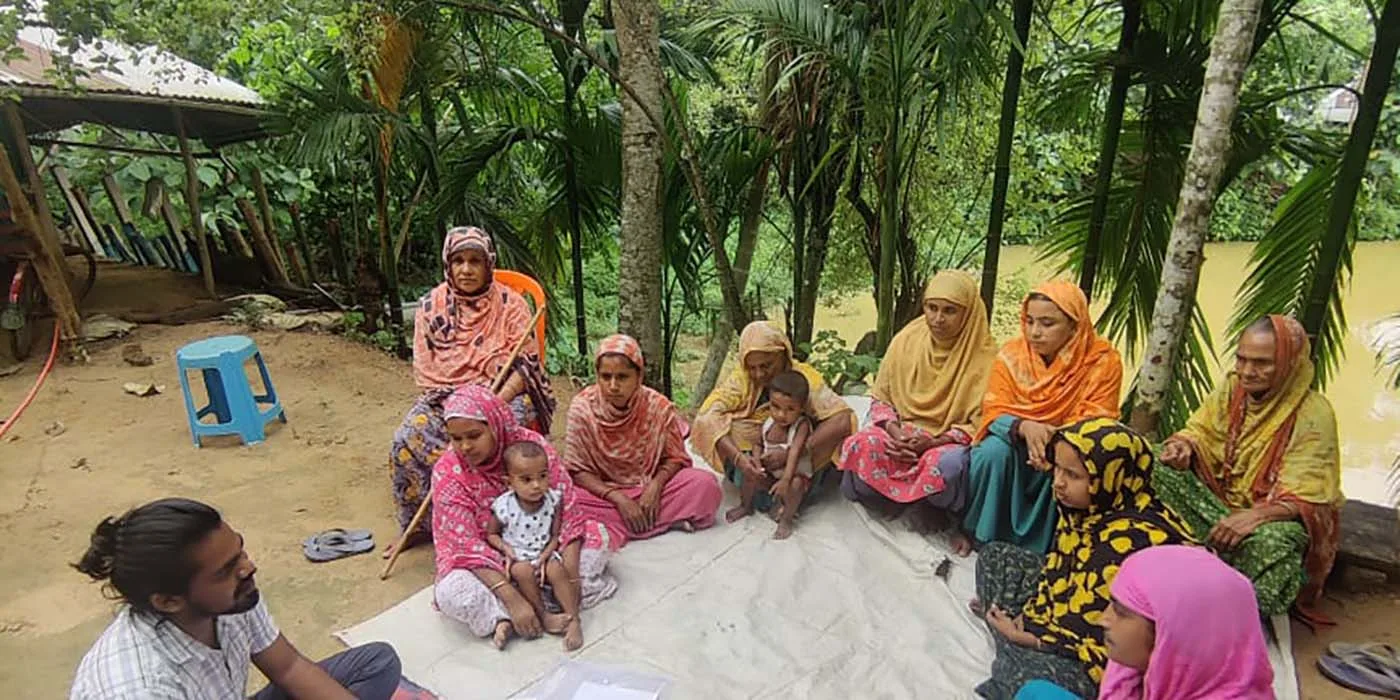
This issue is linked to poor nutrition, lack of iron-rich foods, and limited awareness about balanced diets. In many households, daily meals may not provide enough essential nutrients, making anaemia a common health concern.
Focus on Women and Adolescent Girls
The Anaemia Challenge India is mainly targeting adolescent girls and women because they are the most affected group. Proper nutrition during these stages is very important for overall health, growth, and future well-being.
Improving iron intake can help increase energy levels, support healthy pregnancies, and reduce long-term health risks. By focusing on this group, the initiative aims to create a wider impact on families and communities.
Moving Beyond Traditional Supplements
For many years, anaemia control programmes have relied on iron tablets and supplements. While these are useful, they are not always effective due to irregular use and side effects.
This new challenge encourages food-based solutions, which are easier to include in daily life. People are more likely to consume tasty and convenient food products regularly, making this approach more sustainable.
This shift reflects a growing trend in public health where nutrition is being integrated into everyday food habits rather than treated as a separate medical issue.
What the Challenge Offers
The programme provides financial support of up to ₹1 crore for selected ideas. Participants are given about one year to develop and test their products. This funding helps innovators turn their ideas into real solutions that can be used on a large scale.
The challenge is open to a wide range of participants, including startups, food companies, researchers, and non-profit organisations. This inclusive approach increases the chances of finding creative and effective solutions.
Types of Food Products Expected
Participants are encouraged to develop products that are rich in iron and easy to consume. Some of the suggested formats include snacks, bars, traditional sweets like chikkis, beverages, and chewable items.
These products should provide around 4 to 5 mg of iron per serving. At the same time, they must be affordable and appealing to consumers. Taste, texture, and cultural preferences are important factors, as people are more likely to adopt foods that match their regular diet.
Using local ingredients is also encouraged, as it helps keep costs low and supports regional food habits.
Importance of Affordable Nutrition
One of the key goals of the Anaemia Challenge India is to make nutritious food accessible to everyone. Many people cannot afford expensive health products, so cost-effective solutions are essential.
By focusing on affordability, the initiative ensures that even low-income households can benefit. This is especially important in rural and semi-urban areas where access to healthcare and nutrition is limited.
Affordable nutrition also supports long-term health improvements, reducing the need for medical treatment in the future.
Role of Innovation and Startups
Startups and young innovators play a major role in this challenge. With new ideas and modern technology, they can develop creative food solutions that meet both health and market needs.
India’s startup ecosystem has been growing rapidly, especially in the food and health sectors. This initiative gives them an opportunity to contribute to a major public health issue while building scalable businesses.
Innovation in food processing, packaging, and distribution can help bring these products to a larger audience.
Collaboration for Better Health
The partnership between ICMR and the Gates Foundation highlights the importance of collaboration in solving large-scale health problems. By combining research expertise with global experience, the initiative aims to create effective and practical solutions.
Such collaborations are becoming more common in today’s world, where complex challenges require joint efforts from governments, organisations, and private players.
Growing Focus on Nutrition in India
India has been placing increasing importance on nutrition and public health in recent years. Campaigns promoting healthy eating, fortified foods, and better awareness are gaining momentum.
The Anaemia Challenge India fits into this broader effort by encouraging innovation and practical solutions. It also supports the idea that good health starts with good food.
As more initiatives like this are introduced, the focus on preventive healthcare is expected to grow, helping people lead healthier lives.