


Inclusive Growth in India

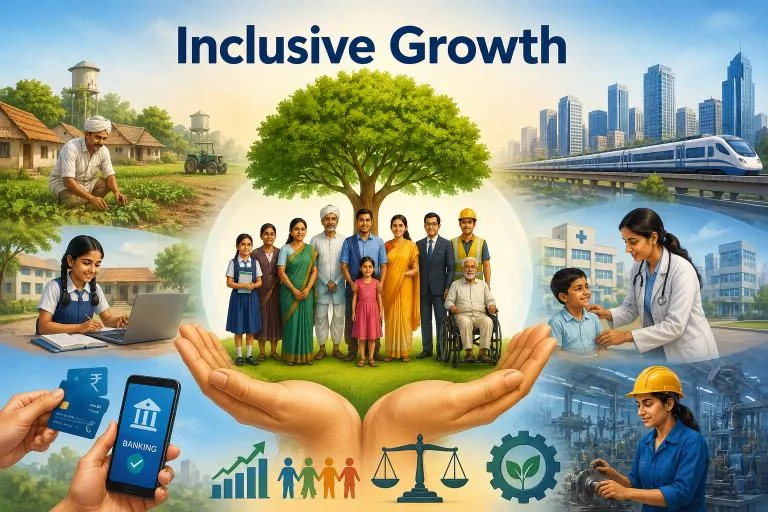
Inclusive Growth means economic growth that benefits every section of society. It is not only about increasing a country’s income or GDP, but also about ensuring that all people get equal opportunities to improve their lives. This includes access to education, healthcare, jobs, financial services, and social security.
Thank you for reading this post, don't forget to subscribe!Inclusive growth helps reduce poverty and inequality. It ensures that poor and vulnerable people, including women, rural populations, minorities, and marginalized communities, also benefit from development. It also promotes environmental protection, good governance, and gender equality.
According to the Organisation for Economic Co-operation and Development, inclusive growth is economic growth that is shared fairly across society and creates opportunities for all.
Main Elements of Inclusive Growth
1. Skill Development
Skill development is one of the most important parts of inclusive growth. A country can grow faster when its people are educated and trained for jobs.
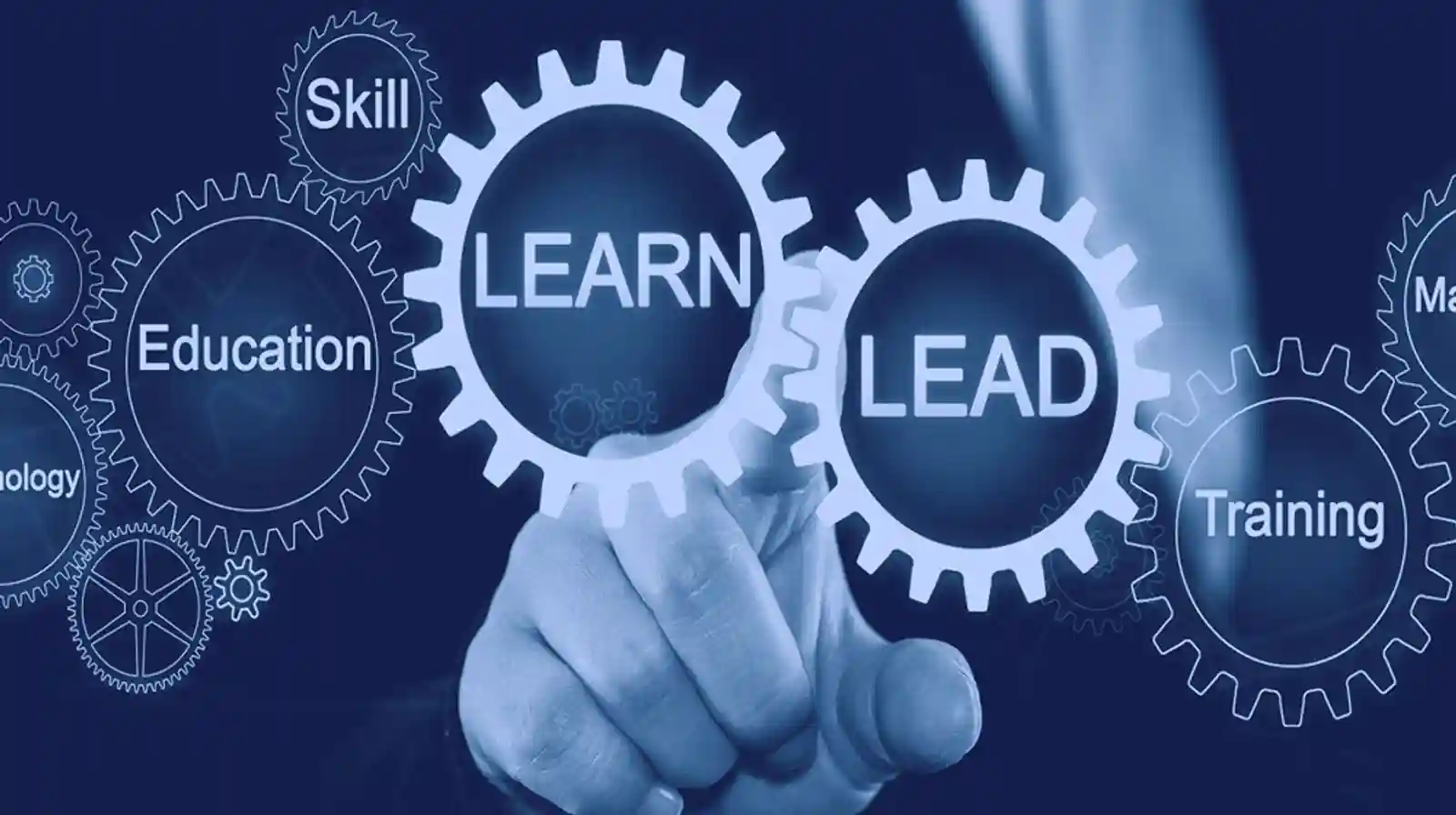
India has a large young population, often called a demographic dividend. But this advantage can only be used properly if young people have the right skills.
India faces two major problems in skill development:
- Lack of highly skilled workers
- Many educated youths remain unemployed
According to India’s Economic Survey, a large number of young people are not studying, not working, and not receiving training. These youths are called NEET (Not in Education, Employment, or Training).
Skill development through vocational training, technical education, and digital learning can improve employment opportunities.
2. Financial Inclusion
Financial inclusion means providing banking and financial services to everyone, especially poor and vulnerable groups, at affordable costs.
Many people in rural areas still do not have easy access to banks or financial services. Financial inclusion helps people:
- Save money safely
- Get loans
- Start businesses
- Handle emergencies
Government schemes like Pradhan Mantri Jan Dhan Yojana have helped millions open bank accounts.
Financial inclusion creates a culture of saving and supports economic growth.
3. Technological Advancement
Technology plays a major role in inclusive growth. We are now moving toward the Fourth Industrial Revolution, where digital technology is changing every sector.
Technology can either reduce inequality or increase it, depending on how it is used.
Programs like Digital India Mission aim to improve digital literacy and internet access.
Technology helps in many sectors:
| Sector | Benefits of Technology |
|---|---|
| Agriculture | Better irrigation, weather updates, smart farming |
| Manufacturing | Faster production and better market access |
| Education | Online learning and digital classrooms |
| Health | Telemedicine and remote healthcare |
| Governance | Faster public services and less corruption |
Technology makes services more accessible, especially in rural and remote areas.
4. Economic Growth
Economic growth means increasing production, income, and business activities in a country.
India is one of the fastest-growing major economies in the world. However, growth alone is not enough. Growth should create jobs and reduce inequality.
When economic growth is inclusive, it can:
- Reduce poverty
- Increase government spending on health and education
- Create employment opportunities
- Improve living standards
A strong economy supports social welfare and development.
5. Social Development
Social development means improving the quality of life of all people.
It focuses on empowering weaker sections such as:
- SC communities
- ST communities
- OBC groups
- Minorities
- Women
- Transgender persons
Better schools, hospitals, and public institutions help build a stronger society.
Investment in social infrastructure creates a healthy and productive population.
Challenges in Achieving Inclusive Growth
Although India has made progress, several challenges still remain.
1. Poverty
Poverty remains one of India’s biggest problems.
Millions of people have moved out of poverty over the years, but many still struggle with poor housing, lack of education, poor health services, and unemployment.
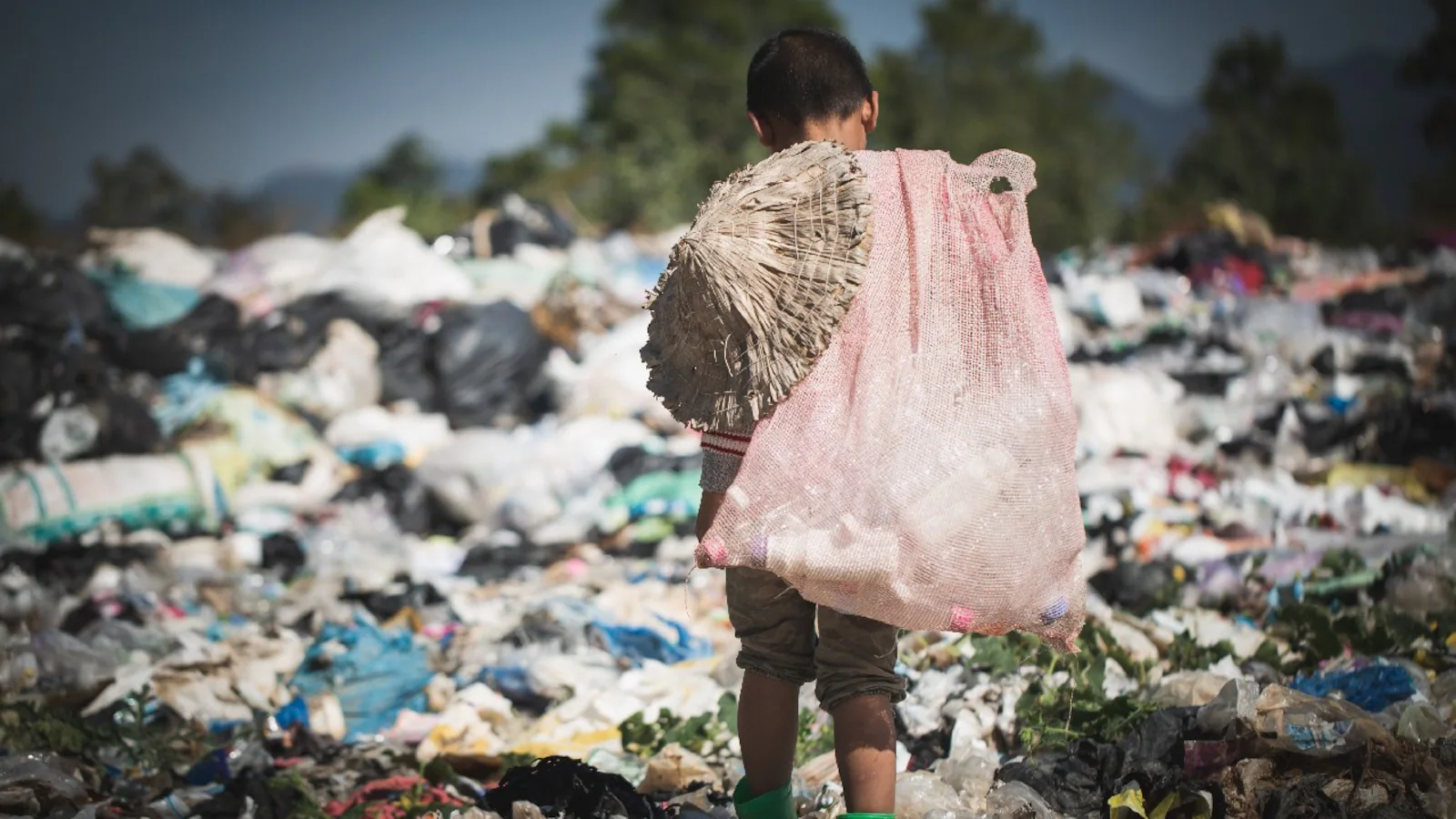
Poor families often face multiple difficulties at the same time, such as:
- Malnutrition
- Poor sanitation
- Limited education
- Lack of healthcare
Reducing poverty is necessary for inclusive growth.
2. Unemployment
Unemployment is another major challenge.
Many people are educated but do not have jobs. At the same time, some jobs pay very low wages and provide no security.
Problems in employment include:
- Low investment in industries
- Slow job creation
- Dependence on agriculture
- Informal sector jobs without benefits
More than 80% of workers in India are employed in the informal sector, where social security is limited.
Inclusive growth requires stable and quality employment.
3. Backwardness in Agriculture
Agriculture still provides employment to a large number of Indians.
However, agriculture contributes much less to GDP compared to the number of people working in it. This creates low income and rural poverty.
Major agricultural problems include:
- Small land holdings
- Low productivity
- Climate change
- Water shortage
- Soil degradation
- Unequal crop growth across regions
Farmers need better support, modern tools, and market access.
4. Problems in Social Development
Social development in India still faces many difficulties.
Major issues include:
- Regional inequality
- Gender inequality
- Poor quality healthcare
- Weak education system
- Malnutrition among children
Some communities continue to have lower access to opportunities.
Public spending on education and healthcare must improve.
5. Regional Disparities
Development is not equal across all states in India.
Some states perform much better than others in education, income, and health.
For example:
| Indicator | High Performing State | Low Performing State |
| Literacy Rate | Kerala – 93.1% | Bihar – 63.82% |
| Per Capita Income | Goa | Bihar |
These differences create unequal opportunities.
Balanced regional development is important for inclusive growth.
Measuring Inclusive Growth
Different indexes are used to measure inclusive growth.
1. Inclusive Development Index (IDI)
The Inclusive Development Index was developed by the World Economic Forum.
It measures growth based on people’s actual living standards, not just GDP.
It uses three major parameters:
- Growth and development
- Inclusion
- Sustainability
This index gives a better understanding of whether growth benefits everyone.
2. Social Progress Index (SPI)
The Social Progress Index measures social and environmental progress.
It focuses on three areas:
| Category | Meaning |
| Basic Human Needs | Food, shelter, safety |
| Foundation of Well-being | Education, health, environment |
| Opportunity | Rights, freedom, equality |
SPI is useful because it measures actual outcomes rather than only money spent.
3. Global Slavery Index
The Global Slavery Index is released by the Walk Free Foundation.
Modern slavery includes:
- Human trafficking
- Forced labor
- Child exploitation
- Child marriage
Causes include:
- Poverty
- Lack of education
- Weak legal protection
- Unsafe migration
Reducing exploitation is important for inclusive growth.
Government Measures for Inclusive Growth
The Indian government has launched many schemes to promote inclusive growth.
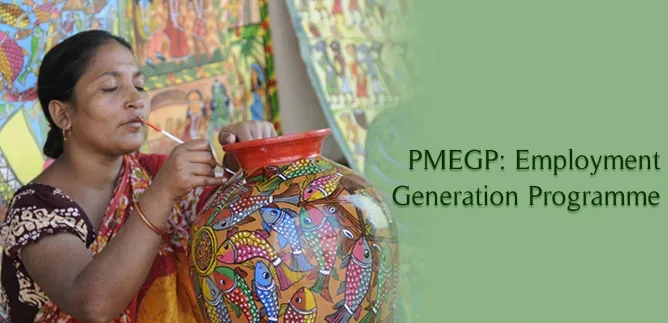
Major schemes include:
| Scheme | Purpose |
| MGNREGA | Rural employment |
| PMEGP | Self-employment |
| MUDRA Yojana | Loans for small businesses |
| DDU-GKY | Skill training |
| Sarva Shiksha Abhiyan | Education for all |
| National Rural Health Mission | Rural healthcare |
| Swachh Bharat Mission | Sanitation |
| Ayushman Bharat | Health coverage |
These schemes improve employment, health, education, and living standards.
NITI Aayog’s Vision for Inclusive Growth
NITI Aayog has suggested several steps for inclusive growth:
- Increase economic growth
- Use technology for development
- Improve urban services for poor people
- Make schools more inclusive
- Improve higher education access
- Provide better healthcare
- Build citizen-centered policies
These goals aim to make development more equal and sustainable.
Ways to Improve Inclusive Growth
Experts suggest three major ways to improve inclusive growth:
Increase Investment in People
Governments should invest more in:
- Education
- Skills
- Health
- Training
A skilled and healthy population boosts productivity.
Improve Labor Policies
Better labor laws can ensure:
- More jobs
- Fair wages
- Worker protection
- Better working conditions
Invest in Labor-Intensive Sectors
Sectors that create many jobs should receive more support:
- Agriculture
- Rural economy
- Education
- Healthcare
- Transport
- Digital infrastructure
These sectors help create wider social benefits.
Final Thoughts
Inclusive growth is necessary for building a fair and strong India. Economic growth becomes meaningful only when every person gets equal opportunities to succeed.
India must continue focusing on poverty reduction, job creation, quality education, healthcare, and social justice. Cooperation between government, private companies, NGOs, and international organizations can help achieve this goal.
When growth reaches every village, every family, and every community, India can move toward true development where no one is left behind.
FAQs on Inclusive Growth
1. What is inclusive growth?
Inclusive growth means economic growth that benefits all sections of society by creating jobs, reducing poverty, and improving access to education and healthcare.
2. Why is inclusive growth important in India?
Inclusive growth is important because it helps reduce poverty, unemployment, and inequality while ensuring equal opportunities for all citizens.
3. What are the main elements of inclusive growth?
The main elements are skill development, financial inclusion, technological advancement, economic growth, and social development.
4. What are the major challenges to inclusive growth?
Major challenges include poverty, unemployment, agricultural backwardness, regional disparities, and weak social development.
5. How does technology support inclusive growth?
Technology improves education, healthcare, agriculture, governance, and business opportunities, especially in rural areas.
6. Which government schemes support inclusive growth in India?
Important schemes include MGNREGA, Jan Dhan Yojana, Ayushman Bharat, MUDRA Yojana, and Swachh Bharat Mission.
7. How does financial inclusion help economic growth?
Financial inclusion allows people to access banking, savings, loans, and insurance, which improves economic security and growth.
8. How can India achieve inclusive growth?
India can achieve inclusive growth by improving education, healthcare, employment, infrastructure, and equal access to opportunities.