



Zoonotic Diseases: Causes, Types, Spread and Challenges in India

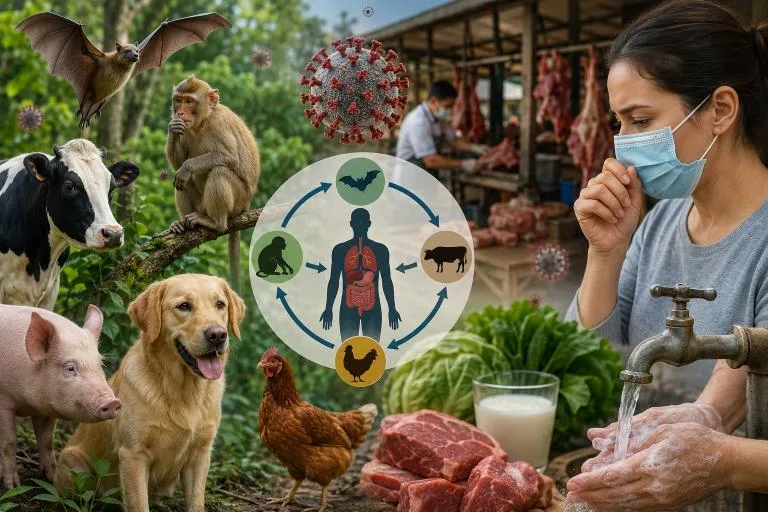
Zoonotic Diseases are diseases that spread between animals and humans. These diseases can be caused by bacteria, viruses, parasites, fungi, or other harmful germs. The word Zoonosis was first introduced by Rudolf Virchow in 1880. Later, in 1959, the World Health Organization (WHO) defined zoonotic diseases as infections that naturally spread between vertebrate animals and humans.
Thank you for reading this post, don't forget to subscribe!Zoonotic diseases are a major public health concern across the world. They not only affect human health but also create problems in animal farming, food production, and international trade of animal products. In recent years, diseases like COVID-19, Nipah Virus Infection, and Severe Acute Respiratory Syndrome have shown how dangerous zoonotic diseases can be.
What Are Zoonotic Diseases?
Zoonotic diseases are infections that can move from animals to humans or sometimes from humans to animals. These diseases may spread through direct contact, contaminated food, insect bites, or environmental exposure.
Animals such as dogs, cats, bats, pigs, birds, cattle, and monkeys can carry harmful germs. Sometimes these animals may look healthy but still carry dangerous pathogens.
How Do Zoonotic Diseases Spread?
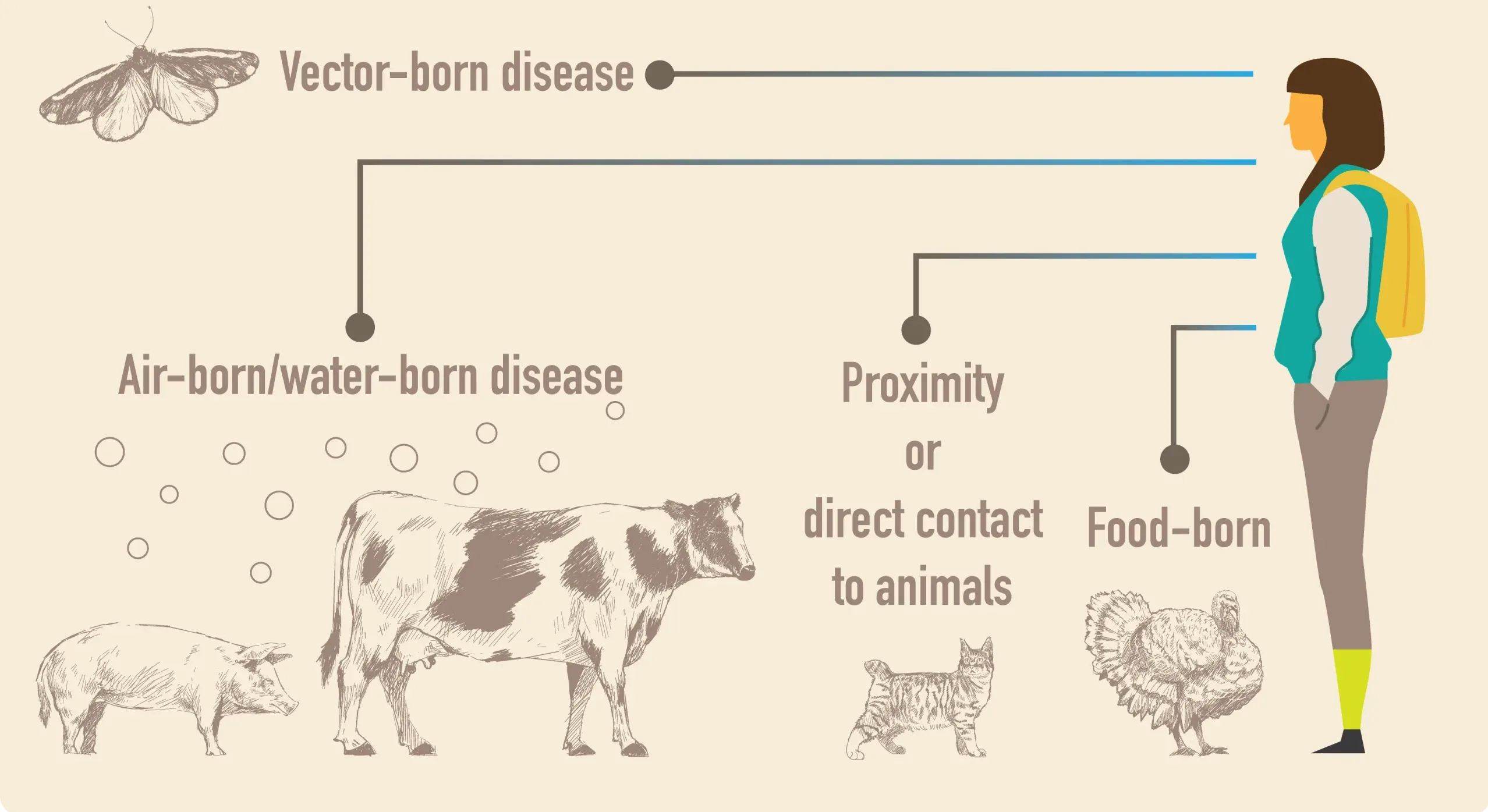
There are many ways zoonotic diseases spread from animals to humans.
1. Direct Contact
Direct contact happens when a person touches an infected animal or gets bitten or scratched.
Examples:
- Dog bites causing rabies
- Scratches from infected cats
- Handling sick farm animals
2. Indirect Contact
Indirect spread happens when people touch places where infected animals live.
Examples:
- Animal shelters
- Farms
- Bird cages
- Soil contaminated with animal waste
3. Contaminated Food or Water
Eating or drinking contaminated food can cause infection.
Examples:
- Raw or undercooked meat
- Unpasteurized milk
- Contaminated water
4. Vector-Borne Transmission
Some insects carry germs from animals to humans.
Examples:
- Mosquitoes
- Fleas
- Ticks
Diseases like dengue, plague, and Kyasanur Forest Disease often spread this way.
Influenza in Animals
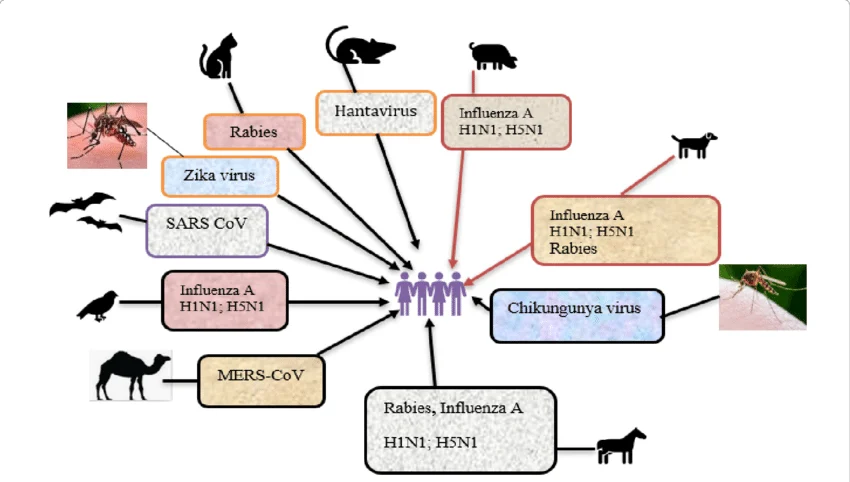
Influenza viruses can infect both humans and animals. Some animal flu viruses can change and infect humans.
Bird Flu
Bird flu mainly affects birds but can sometimes infect humans. Wild aquatic birds are natural carriers.
Swine Flu
Swine flu affects pigs and can spread to humans under certain conditions.
Bat Flu
Influenza A viruses have also been found in bats. Scientists discovered bat flu in yellow-shouldered bats in Guatemala.
Cat Flu
Cats can catch influenza viruses, including bird flu. It spreads through direct contact.
Dog Flu
Dog flu, also called canine influenza, is a respiratory disease in dogs caused by H3N8 and H3N2 viruses. No human infection has been reported so far.
Types of Zoonotic Diseases
Zoonotic diseases can be classified in different ways.
Classification by Cause
Bacterial Zoonoses
These are caused by bacteria.
Examples:
- Anthrax
- Brucellosis
- Leptospirosis
- Plague
Viral Zoonoses
These are caused by viruses.
Examples:
- Rabies
- Yellow Fever
- Influenza
- Kyasanur Forest Disease
Protozoal Zoonoses
These are caused by protozoa.
Examples:
- Toxoplasmosis
- Leishmaniasis
Fungal Zoonoses
These are caused by fungi.
Examples:
- Histoplasmosis
- Cryptococcosis
Parasitic Zoonoses
These are caused by parasites or worms.
Examples:
- Taeniasis
- Echinococcosis
Classification by Transmission
Direct Zoonoses
These spread directly from animals to humans.
Examples:
- Rabies
- Anthrax
Cyclozoonoses
These need more than one vertebrate host to complete their life cycle.
Examples:
- Taeniasis
- Echinococcosis
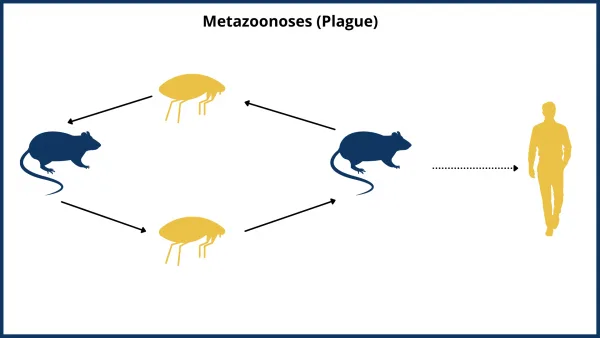
Metazoonoses
These spread through insect vectors.
Example:
- Plague
Saprozoonoses
These require both animals and environmental sources like soil.
Example:
- Aspergillosis
Factors That Increase Zoonotic Diseases
Many factors increase the spread of zoonotic diseases.
Ecological Changes
Human activities like cutting forests, building roads, and creating dams disturb natural habitats. This increases contact between humans and wild animals.
Deforestation pushes animals closer to human settlements, increasing disease transmission.
Agricultural Expansion
Large-scale farming and irrigation projects can increase mosquito and tick populations.
Occupational Risk
People working closely with animals are at higher risk.
Examples:
- Farmers
- Veterinarians
- Butchers
- Wool workers
- Meat processing workers
Increased Travel
Tourism, migration, and business travel help diseases spread quickly across regions and countries.
Trade in Animal Products
Animal products like meat, wool, and bone meal can carry infections from one area to another.
Transportation of Infected Insects
Mosquitoes and other insects can travel through ships, trains, and airplanes.
Cultural Practices
Some cultural habits may increase infection risk when they involve close contact with infected animals or contaminated materials.
Major Examples of Zoonotic Diseases
Kyasanur Forest Disease (Monkey Fever)
Kyasanur Forest Disease is caused by the Kyasanur Forest Disease Virus (KFDV), which belongs to the Flaviviridae family.
This disease was first found in 1957 in the Kyasanur Forest of Karnataka. It spreads mainly through infected ticks.
Monkeys, rodents, and shrews are common hosts.
Around 400–500 human cases are reported yearly in affected areas.
COVID-19
COVID-19 is one of the most well-known zoonotic diseases in recent history.
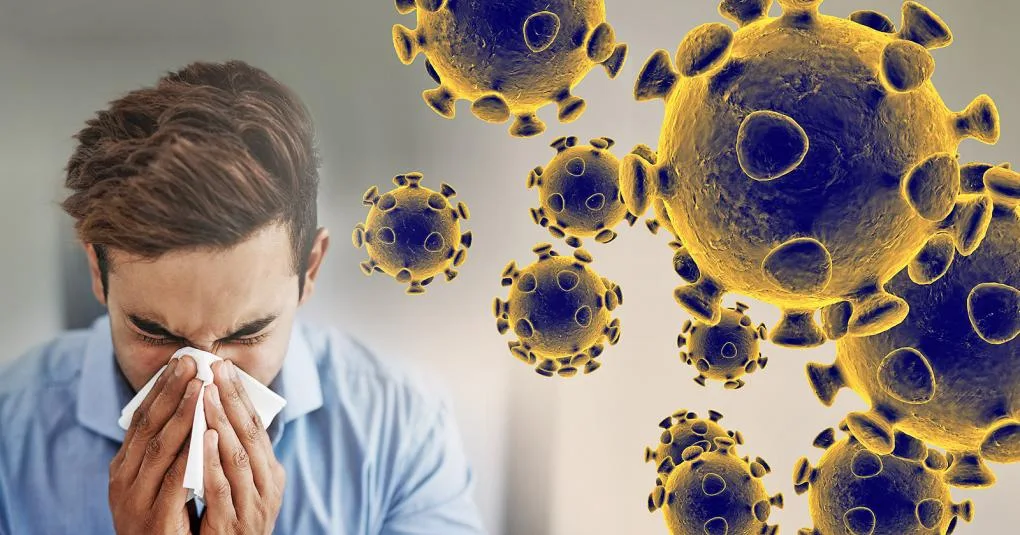
It was first identified in Wuhan in late 2019. The disease is caused by the SARS-CoV-2 virus.
In 2020, WHO declared it a global pandemic. It affected millions of people worldwide and changed public health systems forever.
SARS
Severe Acute Respiratory Syndrome emerged in southern China in 2002.
Scientists believe bats were the original source, and civet cats may have acted as intermediate hosts.
The disease spread to 26 countries and caused more than 8,000 cases.
MERS
Middle East Respiratory Syndrome was first identified in Saudi Arabia in 2012.
Camels are considered the main animal source of infection in humans.
MERS mainly affects the respiratory system and can become severe.
Nipah Virus
Nipah Virus Infection became widely known after outbreaks in Kerala.
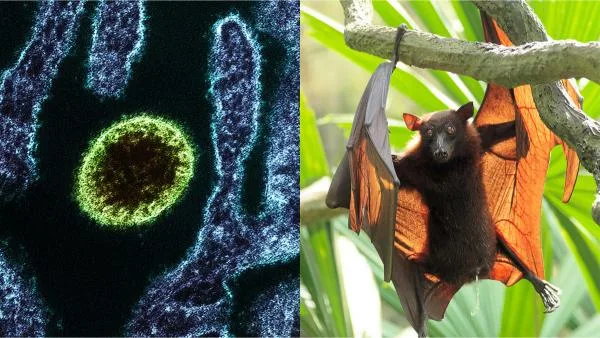
Fruit bats are the natural hosts of the Nipah virus. The virus can spread:
- From bats to humans
- From pigs to humans
- From humans to humans
Nipah infection can be deadly and requires strict monitoring.
Zoonotic Diseases in India
India is considered one of the major hotspots for zoonotic diseases.
Several reasons make India vulnerable:
- Large human population
- High livestock population
- Frequent human-animal interaction
- Rapid urbanization
- Climate change
Major zoonotic diseases in India include:
- Rabies
- Brucellosis
- Toxoplasmosis
- Leptospirosis
- Japanese Encephalitis
- Nipah
- Plague
- Scrub Typhus
- Kyasanur Forest Disease
- Crimean-Congo Hemorrhagic Fever
According to the National Centre for Disease Control, nearly 75% of emerging and re-emerging infectious diseases are zoonotic.
Challenges in Controlling Zoonotic Diseases in India
Large Population
India has a huge population, increasing human-animal interactions.
Poverty
Many rural families depend on animal farming for income. Close contact with animals raises infection risk.
Lack of Awareness
Many people still do not follow proper hygiene and safety practices.
Poor Vaccination Coverage
Vaccination for animals and humans is not always available in remote areas.
Limited Diagnostic Facilities
Rural healthcare systems often lack proper testing and surveillance tools.
Measures Taken to Control Zoonotic Diseases
The government has launched several programs to reduce zoonotic diseases.
Integrated Disease Surveillance Programme (IDSP)
This program monitors disease outbreaks and improves early warning systems.
National Programme for Containment of Antimicrobial Resistance
This helps control drug-resistant infections.
National Viral Hepatitis Surveillance Programme
This tracks viral infections across India.
National Rabies Control Programme
This focuses on preventing rabies through vaccination and awareness.
Leptospirosis Control Programme
This helps identify and reduce leptospirosis in vulnerable areas.
Better Coordination
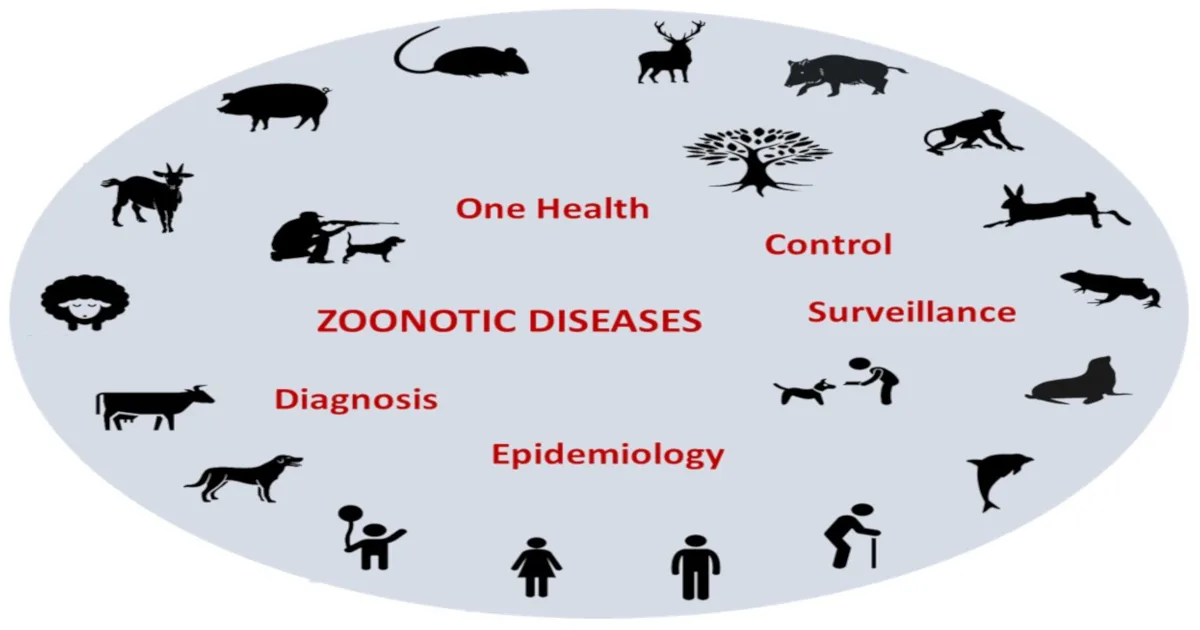
Doctors, veterinarians, researchers, and public health officials must work together under the One Health approach.
Why Prevention Matters
Preventing zoonotic diseases is better than treating outbreaks later. Simple steps can reduce risk:
- Wash hands after touching animals
- Vaccinate pets and livestock
- Cook meat properly
- Drink clean water
- Avoid contact with sick animals
- Use mosquito and tick protection
- Maintain clean surroundings
Zoonotic diseases are responsible for many emerging infections worldwide. As human populations grow and natural habitats shrink, contact with animals increases. This raises the chances of future outbreaks.
Strong cooperation between governments, health experts, veterinarians, and international organizations such as the World Health Organization, Food and Agriculture Organization, and World Organisation for Animal Health is necessary to prevent future pandemics. Better technology, disease surveillance, and public awareness will play a key role in protecting both human and animal health.
FAQs
Q1. What are zoonotic diseases?
Zoonotic diseases are infections that spread between animals and humans.
Q2. What causes zoonotic diseases?
They are caused by bacteria, viruses, parasites, fungi, and other harmful germs.
Q3. Is COVID-19 a zoonotic disease?
Yes, COVID-19 is considered a zoonotic disease because it likely originated from animals.
Q4. Which animals spread zoonotic diseases?
Dogs, cats, bats, pigs, birds, cattle, and monkeys can spread zoonotic diseases.
Q5. How can zoonotic diseases be prevented?
Good hygiene, vaccination, clean food, safe water, and avoiding sick animals help prevent them.