


Ancient Dinosaur Eggs Portugal Found in 150-Million-Year-Old Nest

The Ancient Dinosaur Eggs Portugal discovery has revealed a rare prehistoric nest containing ten fossilised dinosaur eggs dating back nearly 150 million years. The remarkable find was made on the cliffs of Santa Cruz Beach in Torres Vedras, Portugal, offering scientists new clues about dinosaur reproduction and the environment of the Upper Jurassic period. The nest was identified by researcher Carlos Natário from the Centre for Research in Paleobiology and Paleoecology (Ci2Paleo), part of the Torres Vedras Natural History Society.
Thank you for reading this post, don't forget to subscribe!Rare Jurassic Nest Discovered on Santa Cruz Beach
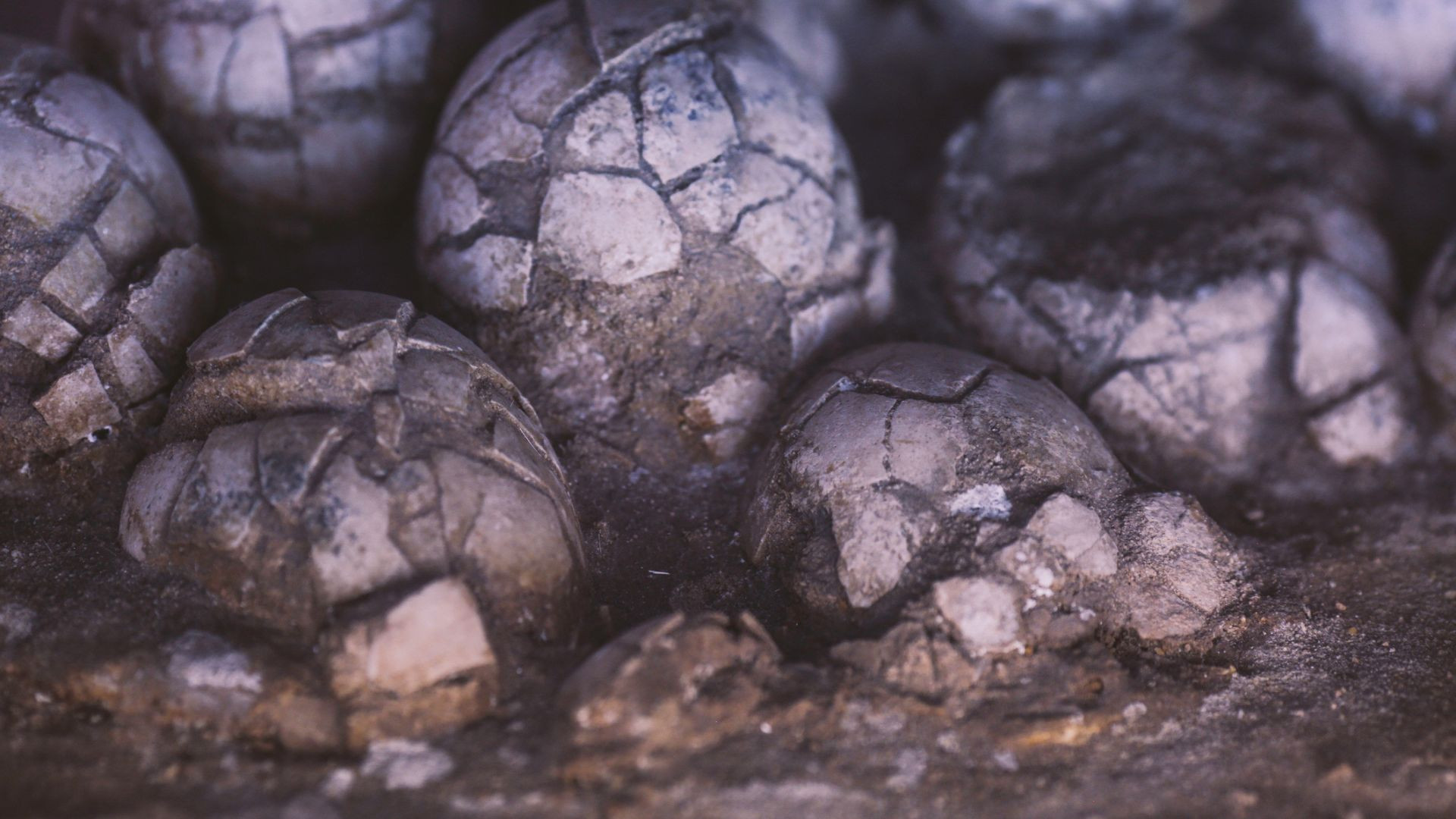
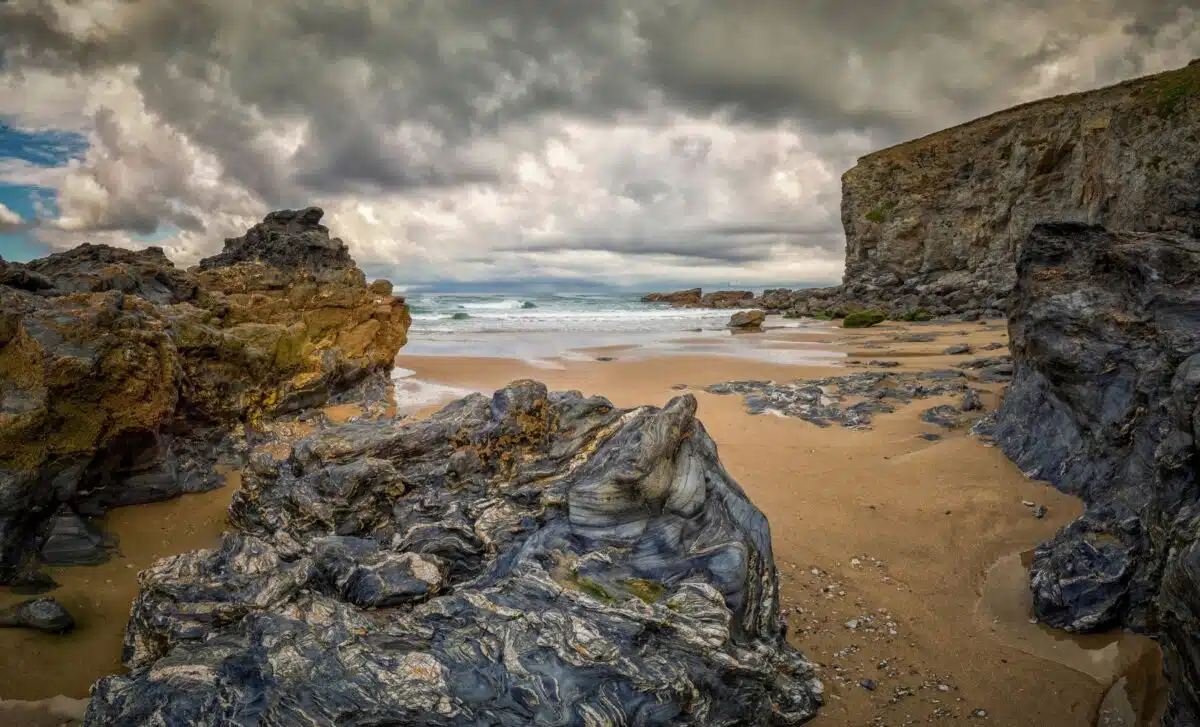
The fossilised nest was discovered within sandstone cliffs along Santa Cruz Beach in the Lisbon district. Researchers identified ten small eggs preserved together in their original nesting formation. This makes the discovery particularly rare because many fossil eggs are usually scattered due to floods, landslides, or other geological events.
In this case, the eggs remained intact exactly where they were laid millions of years ago. The sandstone surrounding the nest suggests the eggs were deposited on a sandy riverbank environment. Over time, natural sediment covered the nest, protecting it and allowing it to fossilise without major disturbance.
Evidence of Prehistoric Nesting Behaviour
The preserved structure of the nest indicates that the dinosaur intentionally chose this location for laying eggs. The granular sandstone around the fossils points to a soft sandy surface that allowed the eggs to be gently buried soon after they were laid.
Because there was little water movement in the area, the eggs were not displaced or broken apart. This exceptional preservation helps scientists understand how dinosaurs nested and protected their eggs during the Jurassic period. Discoveries like the Ancient Dinosaur Eggs Portugal nest provide valuable clues about prehistoric reproductive behaviour.
CT Scan Technology Used for Virtual Study
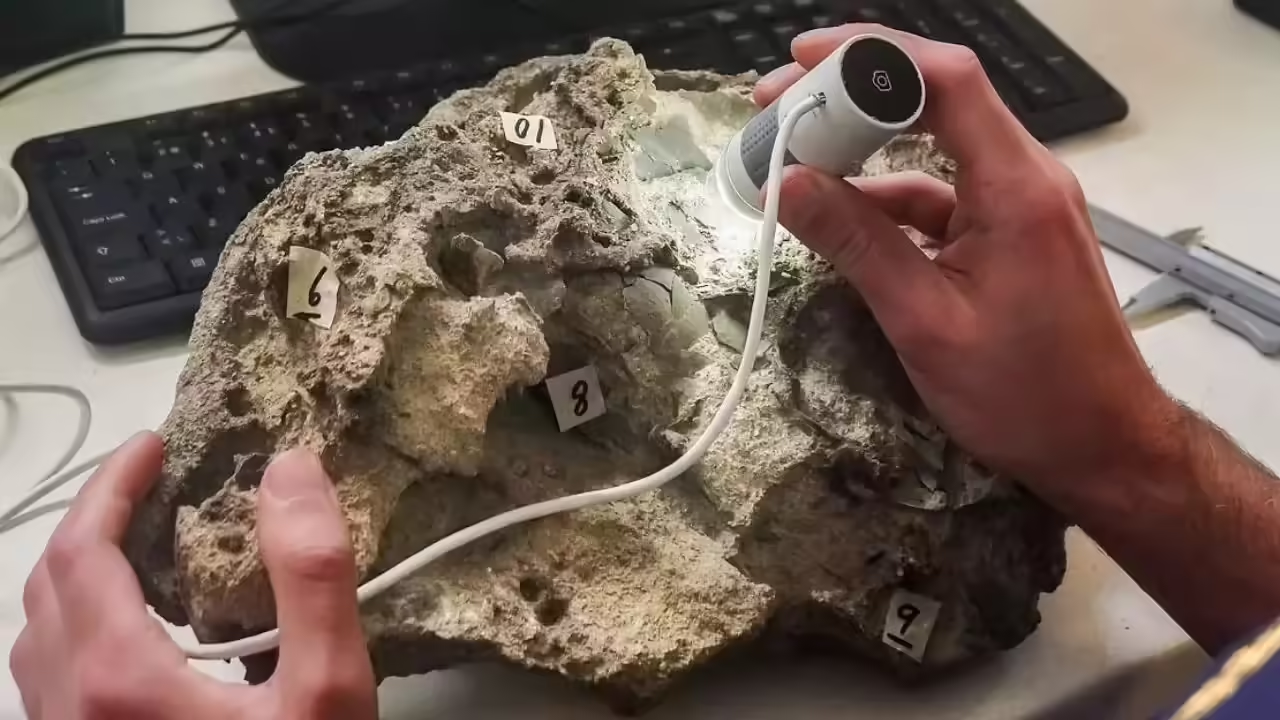
After the discovery, scientists carefully transported the sandstone block containing the eggs to the laboratory of the Torres Vedras Natural History Society. Instead of physically breaking the rock, researchers are using advanced CT scanning technology to examine the fossils.
This process allows scientists to perform a “virtual excavation.” CT scans create detailed three-dimensional images of the eggs’ interiors without damaging them. Researchers hope the scans may reveal traces of embryonic bones or details of the eggshell structure that could help identify the species of dinosaur.
Clues About the Dinosaur Species
Scientists are still studying the fossils to determine exactly which dinosaur laid the eggs. Early analysis of the eggshell structure suggests that they may belong to a carnivorous theropod dinosaur. Theropods were two-legged meat-eating dinosaurs that lived during the Jurassic and Cretaceous periods.
The eggs are relatively small, measuring about five centimetres in diameter. Their arrangement within a three-dimensional nest closely matches nesting patterns associated with theropod dinosaurs. As research continues, the Ancient Dinosaur Eggs Portugal discovery could provide new insights into dinosaur parenting behaviour and the ecosystems that existed in prehistoric Portugal nearly 150 million years ago.