




Andaman SMR Plan

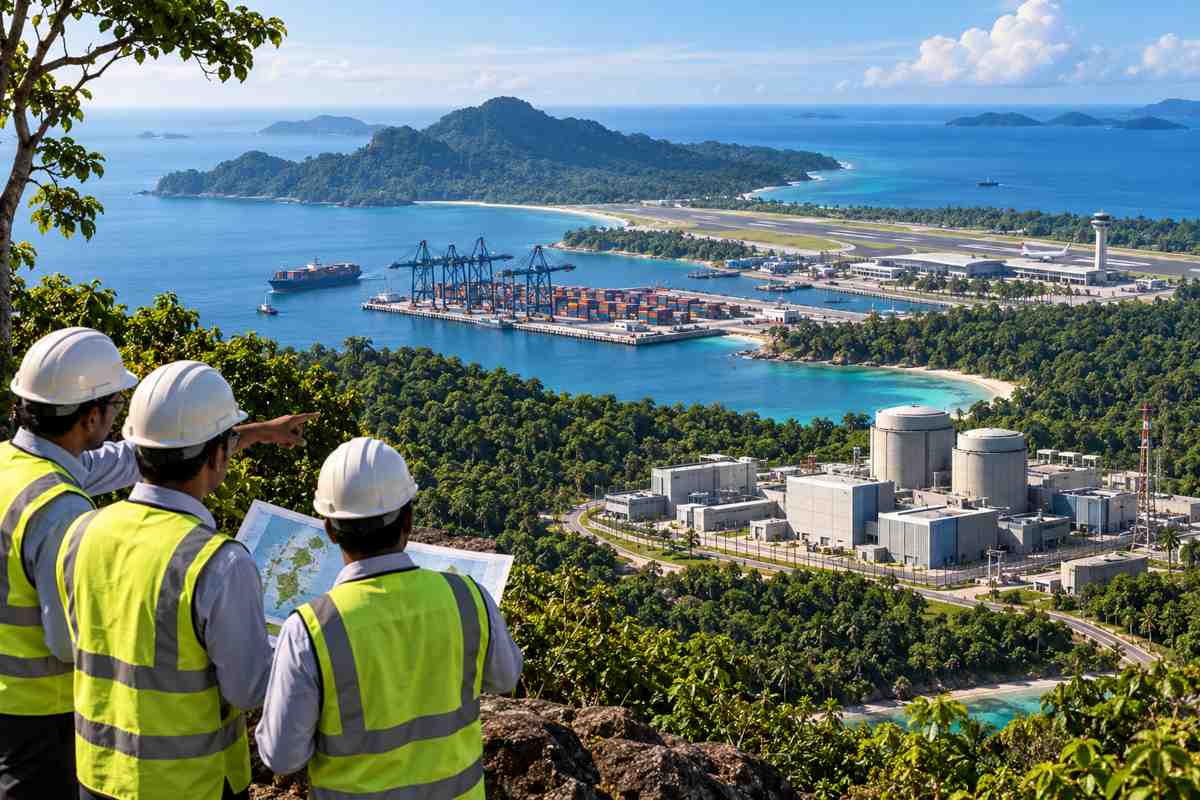
Andaman SMR plans are being examined by India as a possible way to improve electricity supply in the Andaman and Nicobar Islands. The Bhabha Atomic Research Centre (BARC), under the Department of Atomic Energy, carried out a five-day site assessment in the islands from September 4 to 8, 2026 to study locations where Small Modular Reactors (SMRs) could potentially be deployed.
The assessment covered locations across all three districts of the Union Territory. The study comes at a time when the islands are looking at new and more reliable sources of electricity to support growing development and infrastructure needs.

BARC Studies Possible Nuclear Power Sites
The site assessment by BARC focused on the possibility of using small nuclear reactors in the Andaman and Nicobar Islands. Scientists and technical teams examined possible locations across the archipelago as part of the initial assessment process.
The proposal does not mean that a nuclear reactor has already been approved or will immediately be built. Site studies are an important early stage in determining whether a location is suitable for a particular energy project.
Factors such as land conditions, infrastructure, electricity demand, logistics, safety requirements and environmental considerations would need to be studied before any major decision is taken.
What Are Small Modular Reactors?
Small Modular Reactors, commonly known as SMRs, are nuclear reactors designed to produce less power than many conventional large nuclear power plants. They are also designed using modular construction methods, which can make them suitable for certain locations where building a large conventional plant may be difficult.
SMRs are being considered in several countries for different uses, including electricity generation in remote locations and support for industrial facilities.
For island territories, smaller energy systems can be particularly relevant because transporting fuel and building large infrastructure can be challenging. India’s interest in SMRs is linked to long-term energy planning as well as the need to provide reliable power to remote and strategically important areas.
Andaman and Nicobar’s Current Electricity System
The Andaman and Nicobar Islands currently depend heavily on diesel-based electricity generation. Fuel used by these generators has to be transported from mainland India to the islands.
This dependence creates logistical and cost challenges. Fuel transportation over long distances can also make electricity generation more expensive and vulnerable to supply disruptions.
The islands do not currently operate conventional large power plants. Earlier ideas, including an offshore LNG re-gasification facility and geothermal energy projects, have not reached operational viability.
The assessment of SMRs is therefore part of a wider search for reliable and long-term energy solutions for the archipelago.
Growing Power Demand from Great Nicobar Development
The proposed Andaman SMR initiative is also linked to the growing electricity requirements expected from major development projects in Great Nicobar.
The Great Nicobar Project includes large infrastructure plans, including a greenfield international airport and an International Container Transhipment Terminal at Galathea Bay.
Such infrastructure can significantly increase demand for electricity, especially as transportation, logistics, commercial activity and supporting facilities develop.
A reliable power source would be important for supporting these projects over the long term. Nuclear power through SMRs is being examined as one possible option for meeting part of this future demand.
Strategic Importance of Andaman and Nicobar Islands
The Andaman and Nicobar Islands have considerable strategic importance because of their location in the Indian Ocean region. The island chain lies close to important international maritime routes, including the Strait of Malacca.
The Strait of Malacca connects the Indian Ocean with the South China Sea and is one of the world’s major shipping routes. A large amount of international trade and energy movement passes through the wider region.
Reliable electricity is therefore important not only for civilian development but also for infrastructure and strategic facilities located across the islands.
The development of modern energy infrastructure could support the broader expansion of transportation, communications and other facilities in the strategically important archipelago.
India’s Growing Interest in SMR Technology
India has been exploring SMRs as part of its future nuclear energy plans. The technology is being considered for applications where traditional large nuclear power plants may not be practical.
In the Union Budget speech of July 23, 2024, Finance Minister Nirmala Sitharaman announced a policy direction to encourage private-sector participation and international collaboration in the development of SMRs.
The policy approach is aimed at expanding India’s nuclear energy capabilities and supporting the development of new reactor technologies.
International cooperation is also part of the broader nuclear technology discussion, with countries such as Russia having been mentioned in the context of possible cooperation.
Role of BARC in India’s Nuclear Programme
The Bhabha Atomic Research Centre is one of India’s leading nuclear research institutions. It operates under the Department of Atomic Energy and works on nuclear science, reactor technology and other areas related to atomic energy.
BARC’s involvement in the Andaman site assessment reflects the technical importance of evaluating the suitability of potential locations before considering any nuclear energy project.
A detailed assessment is necessary because nuclear facilities require strict safety standards and carefully planned infrastructure. Technical studies would also need to consider transportation, cooling requirements, emergency systems and other operational factors.
Energy Security for the Islands
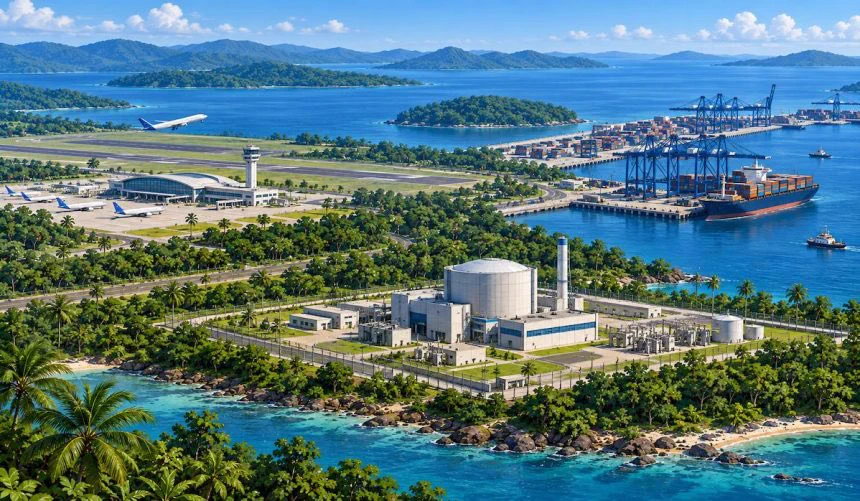
The possible use of Andaman SMR technology is being considered against the background of the islands’ dependence on transported diesel fuel. A nuclear-based power system could potentially provide a steady electricity source if the technology is found suitable and receives all necessary approvals.
However, moving from a site assessment to an operational nuclear facility would require several stages of technical, regulatory and environmental evaluation.
The current BARC study is therefore an important step in understanding whether SMRs can meet the specific energy requirements of the Andaman and Nicobar Islands.
Future Infrastructure and Energy Needs
The development of airports, ports, transport facilities and other infrastructure in the islands is expected to increase future electricity requirements. Projects such as the Galathea Bay transhipment terminal are intended to strengthen the islands’ role in regional connectivity and maritime activity.
The proposed Andaman SMR assessment comes as India looks at energy options that can support these long-term requirements while reducing dependence on diesel-based generation.
The findings from the site assessment will be important for determining the technical feasibility of using SMRs in the islands and for guiding future decisions on their energy infrastructure.