


Aravalli Engine Contract Signed

Aravalli Engine has become an important new development in India’s aerospace and defence sector after Hindustan Aeronautics Limited (HAL) and Safran Helicopter Engines signed a final contract to develop and manufacture a new generation helicopter engine. The agreement was signed in Bengaluru on August 26, 2026, and marks a major step towards strengthening India’s domestic helicopter manufacturing capabilities.
The project will be carried out through SAFHAL Helicopter Engines Pvt. Ltd., a joint venture between HAL and Safran Helicopter Engines. The new engine is expected to support some of India’s future military helicopter programmes while also creating opportunities for wider aerospace and civil aviation applications.

Aravalli Engine Programme
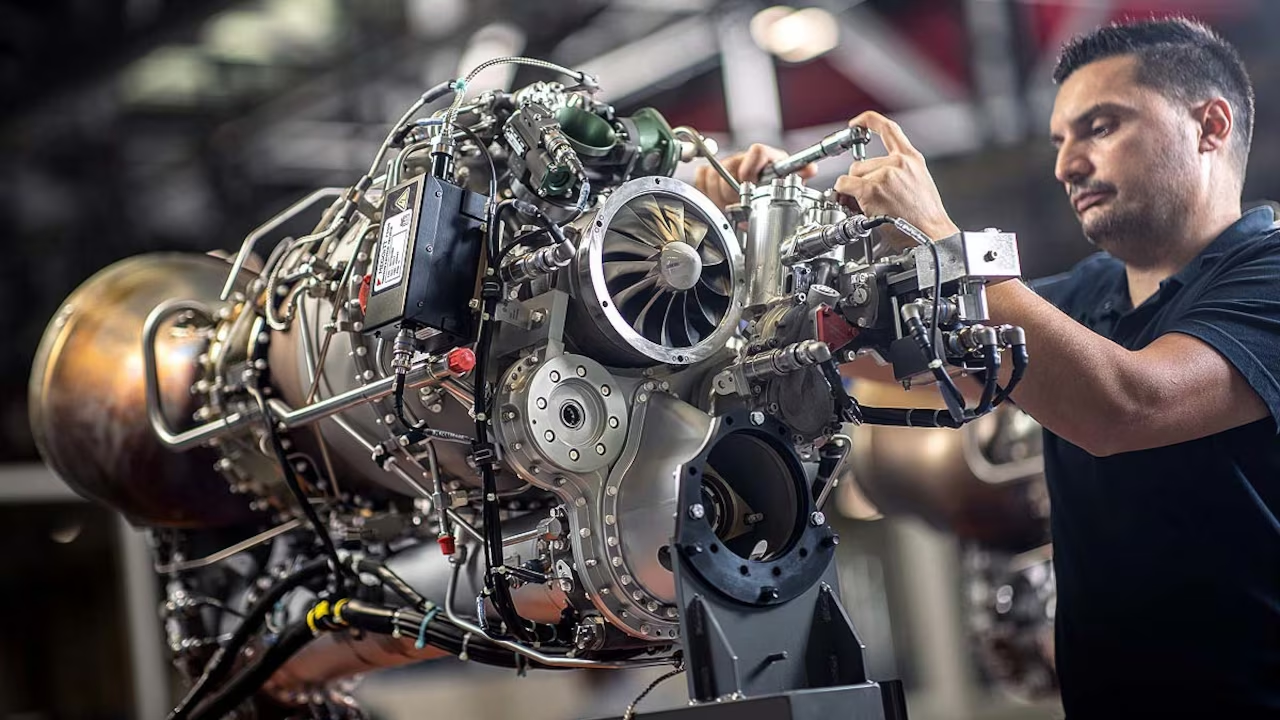
The Aravalli Engine is named after the ancient Aravalli mountain range in India. It is being developed as a high-power turboshaft engine in the 3,500 to 4,000 shaft horsepower category. This level of power is suitable for medium and multi-role helicopters that need to carry personnel, equipment, supplies and other heavy loads.
The agreement covers the complete development process, including the design, development, manufacturing, supply and long-term support of the engine. This is important because modern aircraft and helicopter programmes require reliable maintenance and technical support throughout their operational life.
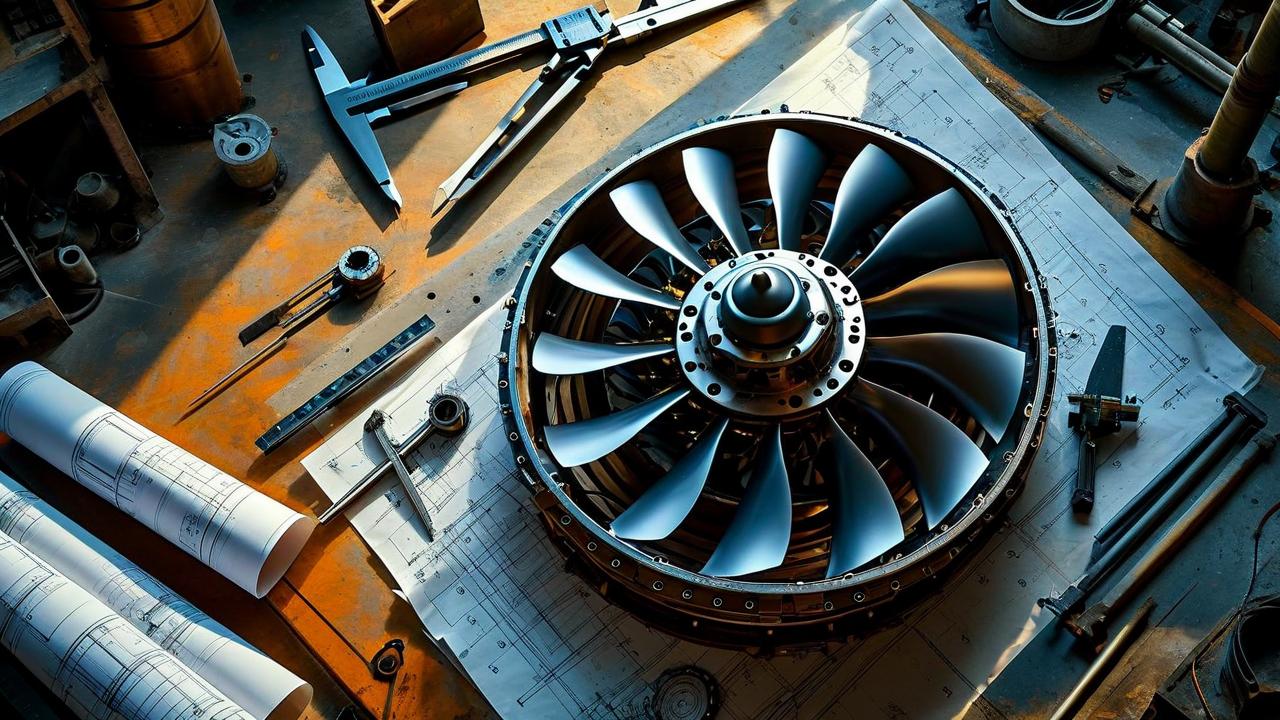
The project is also expected to help India develop greater expertise in advanced aero-engine technology. Aircraft engines are among the most complex systems in the aerospace industry, requiring specialised knowledge in materials, high-temperature systems, turbine technology and precision manufacturing.
Engine for Future Indian Helicopters
The Aravalli engine has been selected for HAL’s planned Indian Multi-Role Helicopter, or IMRH. The IMRH is being developed as a 13-tonne class helicopter and is expected to play an important role in India’s future military aviation plans.
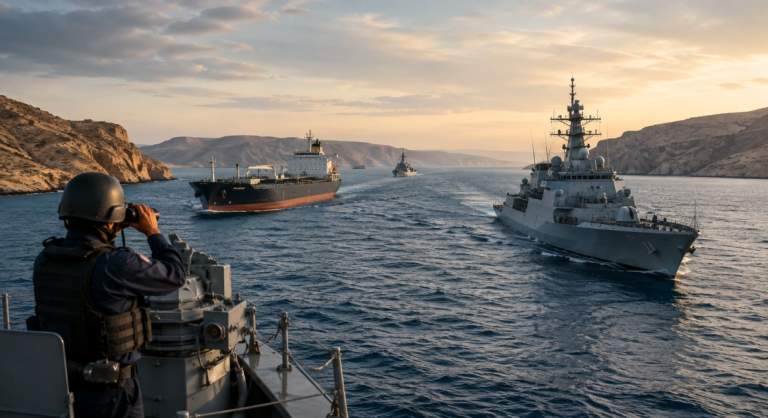
A naval version known as the Deck-Based Multi-Role Helicopter, or DBMRH, is also planned. This version is expected to operate from naval ships and other maritime platforms. Ship-based helicopters need specialised capabilities because they operate in challenging conditions, including strong winds, limited landing spaces and the effects of the marine environment.
The IMRH programme is expected to gradually support the replacement of some older medium-lift helicopters used by the Indian Armed Forces, including Russian-origin Mi-17 helicopters. A new indigenous helicopter programme could give India greater flexibility in future procurement, maintenance and upgrades.
HAL and Safran Partnership
The agreement brings together HAL’s experience in aircraft and helicopter manufacturing with Safran’s expertise in helicopter propulsion systems. HAL is one of India’s leading aerospace and defence companies, while Safran Helicopter Engines is a major international manufacturer of helicopter engines.
The contract was signed by Ajay Kumar Shrivastava, Director of Engineering and Research & Development at HAL, and Olivier Savin, Director of SAFHAL and Executive Vice-President at Safran. HAL Chairman and Managing Director Ravi K and Safran Chief Executive Officer Cédric Goubet were also present during the signing.
The partnership reflects the growing importance of international technology collaboration in India’s aerospace sector. India has been expanding its focus on domestic defence production, local manufacturing and the development of advanced technologies through partnerships with Indian and global companies.
Support for India’s Aerospace Industry
The Aravalli Engine programme could provide opportunities for Indian aerospace companies, suppliers and engineering firms. Large engine programmes require a wide network of manufacturers that can produce specialised components, electronic systems and precision-engineered parts.
The programme also includes plans for domestic Maintenance, Repair and Overhaul, commonly known as MRO, capabilities. Local MRO facilities can help reduce dependence on overseas maintenance support and improve the availability of helicopters during operations.
Apart from military use, the engine family could also support future civil helicopter applications. Possible areas include offshore transport, utility services, emergency operations and VVIP transport. As India’s aviation and aerospace sector continues to expand, new indigenous technologies such as the Aravalli Engine could play an important role in future helicopter development and manufacturing.