


Assam GI Tagged Products Boost

Assam GI Tagged Products are gaining attention as Assam adds four new items to its list of officially recognised traditional goods. This development highlights the rich cultural identity of the region and supports local artisans who have preserved these crafts for generations.
Thank you for reading this post, don't forget to subscribe!The announcement was welcomed as a proud moment for the state, showing how traditional knowledge and creativity continue to thrive in modern times. With global markets increasingly valuing authenticity, such recognition helps bring local heritage into the spotlight.
Four New Products Receive GI Tag
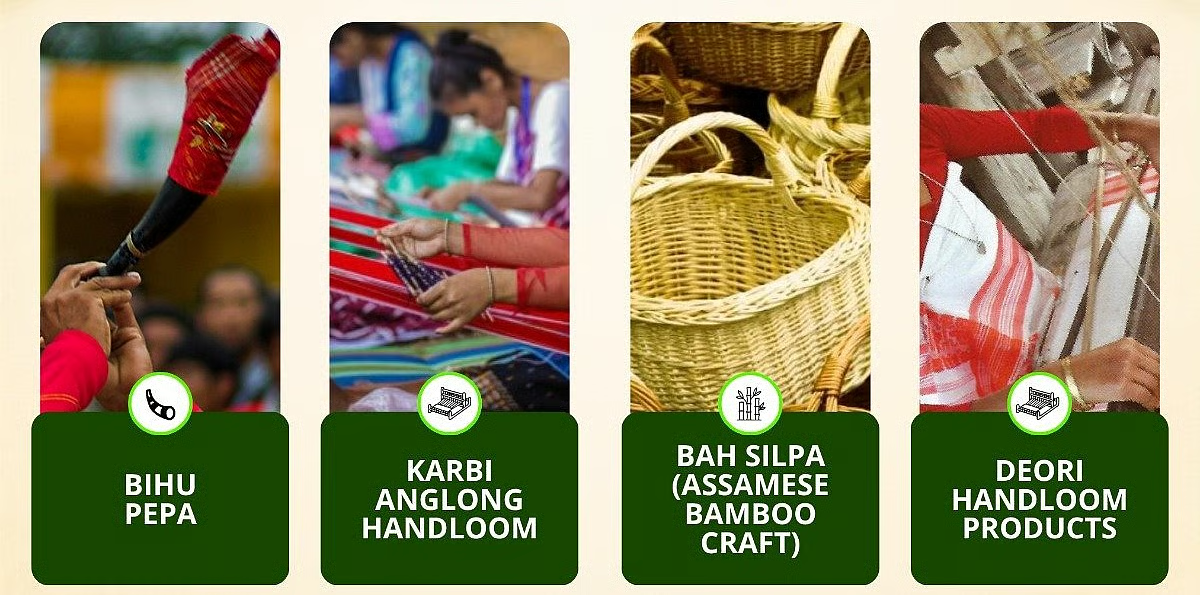
The latest additions to Assam GI Tagged Products include Bihu Pepa, Karbi Anglong Handloom, Bah Silpa (Assamese Bamboo Craft), and Deori Handloom Products. These items represent different aspects of Assam’s cultural and artistic traditions.
Each product carries a unique identity linked to its region and community. The GI tag ensures that these products are officially recognised for their originality and cultural value.
This step also prevents misuse of their names by ensuring only genuine products can be sold under these labels.
Cultural Importance of Bihu Pepa
Bihu Pepa is a traditional wind instrument made from buffalo horn. It is closely connected with Bihu, one of Assam’s most celebrated festivals.
The sound of the pepa is a key part of festive performances and reflects the spirit of Assamese culture. By receiving a GI tag, this instrument gains recognition not just as a musical tool but as a symbol of cultural heritage.
Traditional Handloom Craftsmanship
The inclusion of Karbi Anglong Handloom and Deori Handloom Products highlights the importance of weaving traditions in Assam.
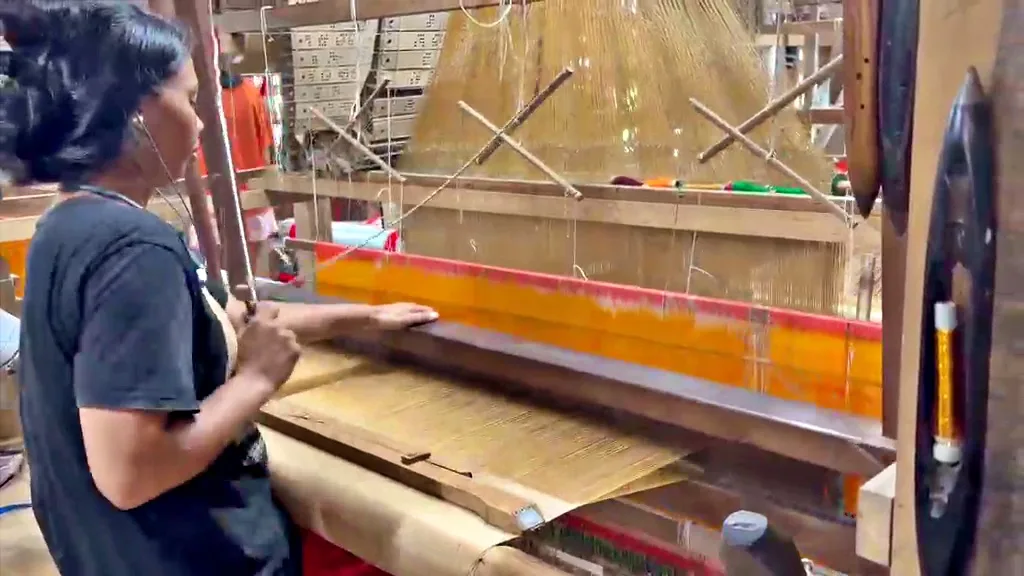
These handloom products are created using techniques passed down through generations. They reflect the identity, lifestyle, and artistic expression of local communities.
Handloom weaving is not just a craft but a source of livelihood for many families. GI recognition helps protect these traditions and encourages younger generations to continue them.
Bamboo Craft and Everyday Life
Bah Silpa represents Assam’s long tradition of bamboo craftsmanship. Bamboo is widely used in daily life across the state, from household items to decorative pieces.
The skill involved in creating bamboo products shows the creativity and resourcefulness of local artisans. With a GI tag, these crafts gain better market visibility and value.
This also supports sustainable practices, as bamboo is an eco-friendly material that aligns with current environmental trends.
Benefits for Artisans and Local Economy
The recognition of Assam GI Tagged Products brings direct benefits to artisans and producers. It helps them get fair prices for their work and protects them from imitation products.
With better branding and market access, these products can reach national and international buyers. This increases income opportunities for rural communities.
Organisations like National Bank for Agriculture and Rural Development have been supporting efforts to promote such traditional products and improve livelihoods.
Growing Demand for Authentic Products
In today’s market, there is a growing demand for authentic and handmade products. Consumers are becoming more interested in items that have a story and cultural value.
GI tags play an important role in building trust among buyers. They assure customers that the product they are purchasing is genuine and linked to a specific region.
This trend is helping traditional crafts compete in global markets and attract more attention.
Role of Government and Policy Support
The state government, led by Himanta Biswa Sarma, has been actively promoting Assam’s cultural heritage.
Efforts are being made to identify more products that can receive GI recognition. This includes working with artisans, researchers, and organisations to document and protect traditional knowledge.
Such initiatives are part of a larger vision to combine cultural preservation with economic growth.
Expanding Market Opportunities
With GI certification, Assam GI Tagged Products can access new markets and export opportunities. This helps increase their visibility beyond local boundaries.
Online platforms and digital marketing are also playing a key role in promoting these products. Artisans can now reach customers directly, improving their earnings and reducing dependency on middlemen.
This shift is especially important in the current digital age, where global reach is easier than ever.

Preserving Heritage Through Recognition
The addition of new GI tags shows how Assam is working to preserve its heritage while adapting to modern trends. Traditional crafts are not just part of the past but continue to play a role in today’s economy.
By protecting these products, the state is ensuring that its cultural identity remains strong and relevant.