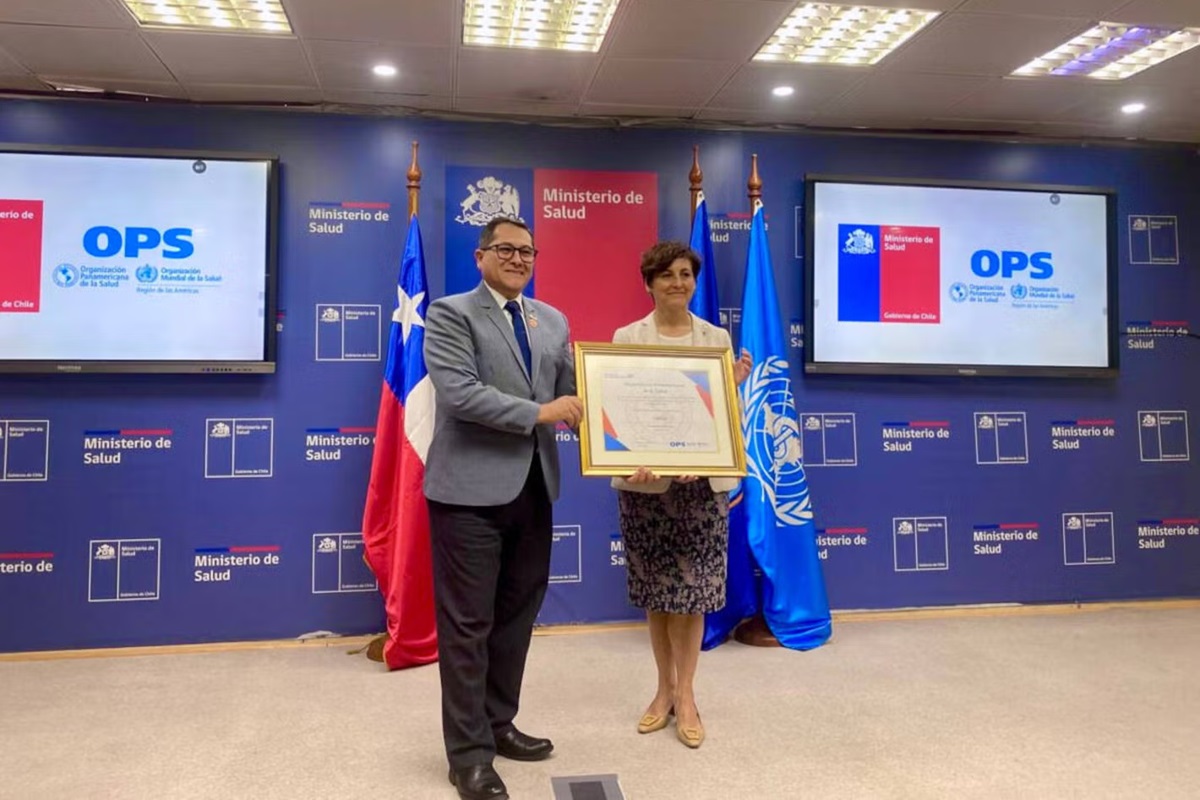
Chile Eliminates Leprosy WHO Verification: A Historic Public Health Achievement

Chile Eliminates Leprosy WHO verification marks a historic milestone in global public health. Chile has become the first country in the Americas to be officially verified by the World Health Organization (WHO) for eliminating leprosy as a public health problem. The recognition follows more than three decades without any locally transmitted cases of the disease.
Thank you for reading this post, don't forget to subscribe!Chile’s last locally acquired case of leprosy was reported in 1993. Since then, the country has maintained strict health monitoring systems to ensure the disease does not return.
WHO Verification and Global Recognition
The Chile Eliminates Leprosy WHO certification came after a detailed evaluation conducted by experts from the World Health Organization and the Pan American Health Organization (PAHO). At the request of Chile’s Ministry of Health, an independent panel reviewed epidemiological data, disease surveillance systems and case management protocols.
The evaluation confirmed that Chile had successfully stopped local transmission while maintaining the ability to detect and treat imported cases. With this achievement, Chile becomes the second country in the world to receive WHO verification for eliminating leprosy, after Jordan achieved the milestone in 2024.

Understanding Leprosy and Its Health Effects
Leprosy, also called Hansen’s disease, is a chronic infectious disease caused by the bacterium Mycobacterium leprae. The disease mainly affects the skin, peripheral nerves, eyes and respiratory tract.
Leprosy develops slowly and often has a long incubation period of about five years, although symptoms may sometimes appear decades later. Common symptoms include skin lesions, numbness, nerve damage, muscle weakness and eye complications. If untreated, the disease can lead to permanent disability.
However, leprosy is completely curable through multidrug therapy (MDT), which uses antibiotics such as rifampicin, dapsone and clofazimine. Since its introduction in the 1980s, MDT has helped significantly reduce global leprosy cases.
Global Progress Against a Neglected Tropical Disease
Leprosy is classified as one of the Neglected Tropical Diseases (NTDs) by the World Health Organization. These diseases mostly affect vulnerable communities in developing regions.
Despite major progress, leprosy still exists in several countries. According to WHO data, around 172,717 new leprosy cases were reported worldwide in 2024. Challenges such as delayed diagnosis, social stigma and weak health systems continue to slow elimination efforts in some areas.

Key Factors Behind Chile’s Success
Chile’s success in eliminating leprosy is the result of decades of consistent public health efforts. The country maintained strong surveillance systems even when cases became extremely rare.
Early diagnosis, universal access to treatment and an integrated healthcare system played a major role in preventing transmission. Continuous collaboration with international organizations like WHO and PAHO also strengthened monitoring and response mechanisms.
The Chile Eliminates Leprosy WHO milestone demonstrates how sustained public health commitment, strong healthcare infrastructure and global cooperation can successfully eliminate long-standing infectious diseases.