Darjeeling Tribal Heritage Festival Showcases India’s Indigenous Culture

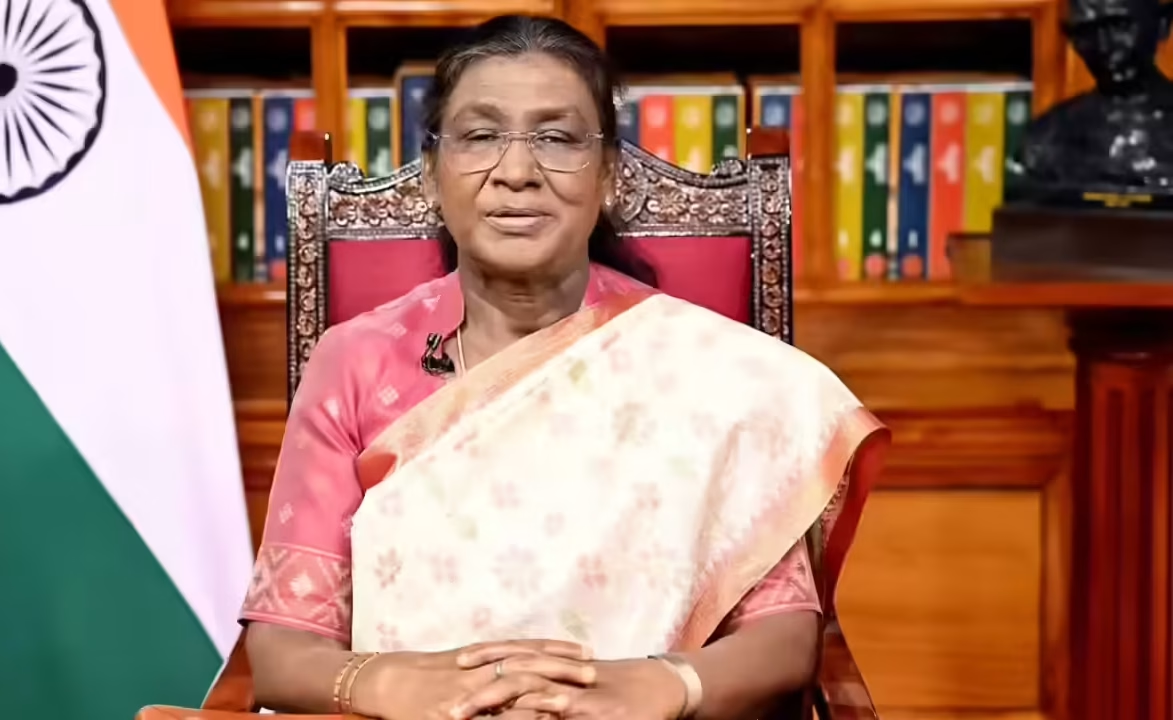
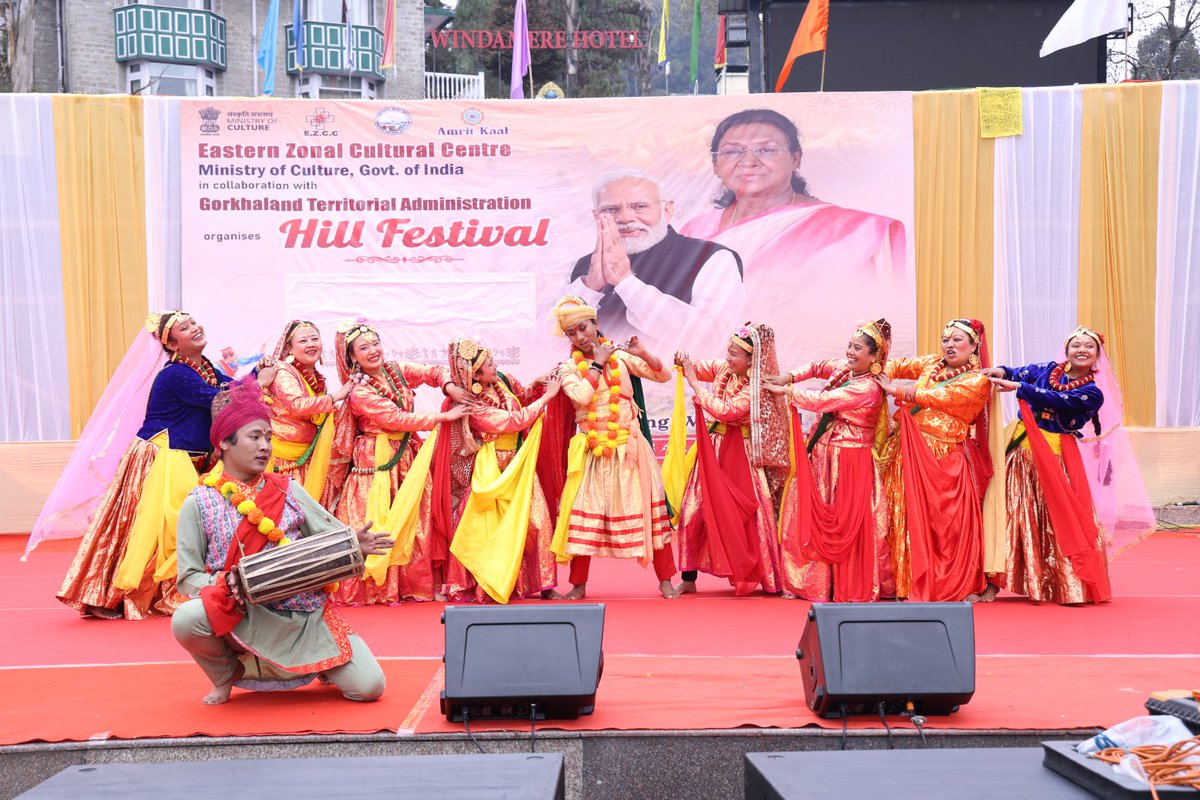
Darjeeling Tribal Heritage Festival will be inaugurated by Droupadi Murmu, the President of India, at the Durbar Hall of Raj Bhavan in Darjeeling, recently renamed Lok Bhavan. The festival is envisioned as a major cultural platform celebrating the rich and diverse traditions of India’s tribal communities. The initiative has been conceived by C. V. Ananda Bose, the Governor of West Bengal and Chairman of the Board of Trustees of the Indian Museum.
Thank you for reading this post, don't forget to subscribe!The event aims to bring together prominent cultural institutions, museums, universities, and non-governmental organisations to highlight the artistic and cultural contributions of indigenous communities across the country.
Festival Concept and Institutional Collaboration
The Darjeeling Tribal Heritage Festival has been curated by experts from the Indian Museum in Kolkata. The festival will involve collaboration among several renowned institutions such as the Eastern Zonal Cultural Centre, Victoria Memorial Hall, Maulana Abul Kalam Institute of Asian Studies, and the Asiatic Society.
Through exhibitions, cultural displays, and educational programmes, the festival seeks to create awareness and appreciation for tribal traditions, heritage, and knowledge systems that have shaped India’s cultural identity.
‘Roots and Rhythm’ Exhibition on Tribal Cultures
One of the major attractions of the Darjeeling Tribal Heritage Festival is the special exhibition titled “Roots and Rhythm.” This exhibition will showcase rare ethnographic artefacts from the collections of the Indian Museum.
The exhibition will feature objects representing tribal communities from the North-East, Central India, Eastern India, southern highlands, and the Andaman and Nicobar Islands. Among the displayed artefacts are Adi cane helmets, Naga warrior sculptures, Santhal jewellery, Kondh Dokra metal effigies, Toda embroidered textiles, and traditional Onge wooden vessels.
These artefacts reflect the close relationship between tribal communities and nature, highlighting themes of spirituality, ecology, and artistic expression.
Educational Outreach and Cultural Engagement
As part of the Darjeeling Tribal Heritage Festival, the Indian Museum will also organise a Tribal Art Camp for school students from Darjeeling. The programme aims to introduce young learners to indigenous art forms and encourage creative engagement with tribal heritage.
Experts and traditional artists will guide students in understanding craft techniques, symbolism, and cultural narratives embedded in tribal artworks. This initiative seeks to inspire a deeper appreciation of India’s indigenous traditions among younger generations.
Tribal Knowledge and Sustainable Living
India’s tribal communities possess unique knowledge systems developed through centuries of interaction with nature. Their traditions emphasise ecological balance, community cooperation, and sustainable use of natural resources.
By highlighting these practices, the Darjeeling Tribal Heritage Festival underlines the relevance of indigenous wisdom in addressing modern environmental and social challenges. The festival also reinforces the idea of unity in diversity, celebrating the cultural richness that tribal communities bring to the Indian cultural landscape.