Vijender Singh Asian Boxing Council: From Olympic Glory to Shaping Asian Boxing’s Future

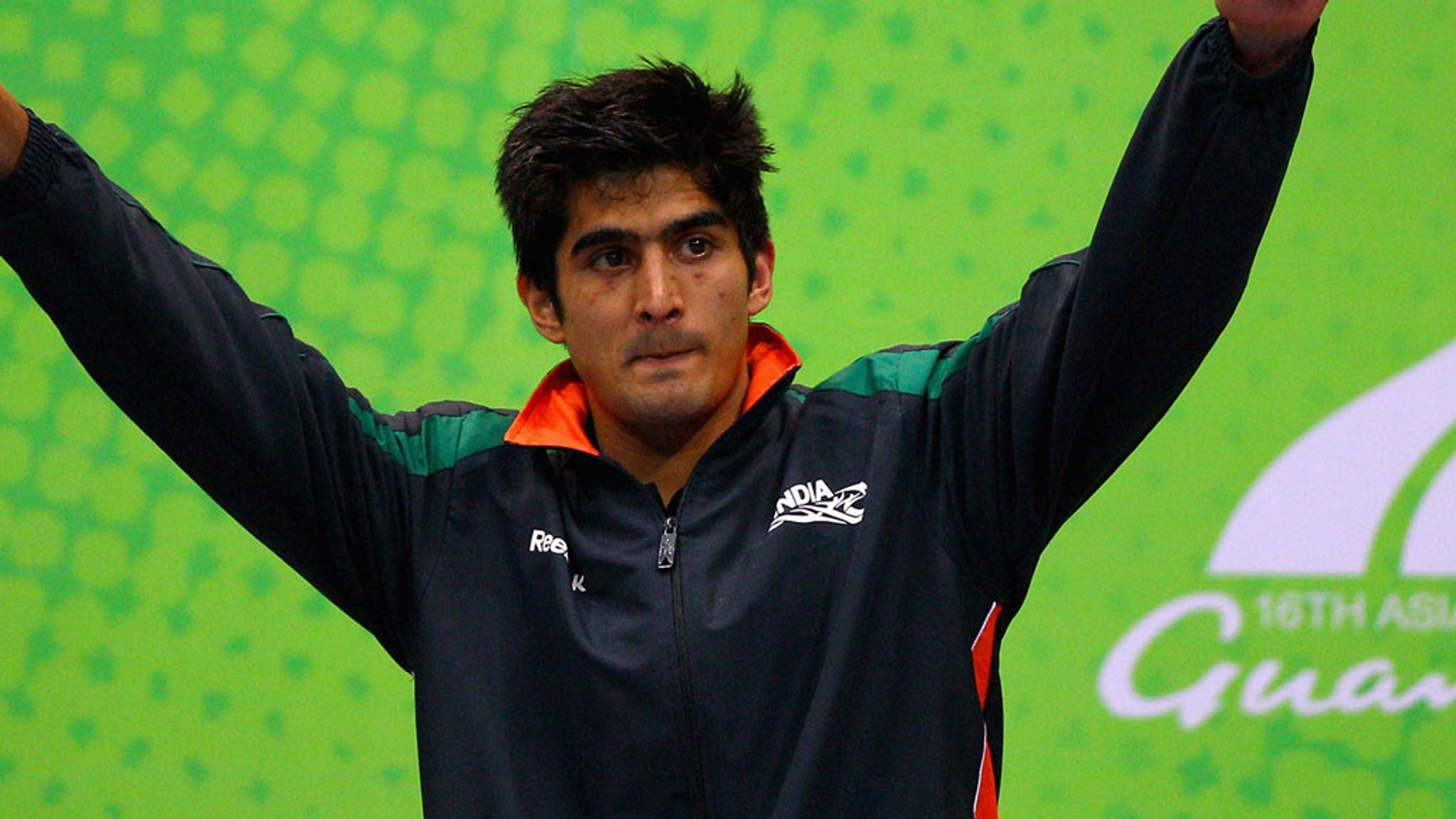
Vijender Singh Asian Boxing Council marks a significant new chapter in Indian sports history. Indian boxing icon Vijender Singh has been appointed as a member of the Asian Boxing Council, moving from the ring to the world of continental sports administration. This appointment not only recognises his outstanding contribution to boxing but also reflects India’s growing influence in global and Asian sports governance.
Thank you for reading this post, don't forget to subscribe!Vijender Singh’s journey has always been about breaking barriers. From becoming India’s first Olympic medallist in boxing to now taking up an important administrative role, his story mirrors the evolution of Indian boxing itself. His induction into the Asian Boxing Council comes at a time when the sport in Asia is seeking stronger leadership, better governance, and a more athlete-focused approach.
From Olympic Podium to Administrative Leadership
Vijender Singh rose to national fame after winning a bronze medal at the 2008 Beijing Olympics. That historic achievement changed the way boxing was viewed in India. Before him, boxing largely remained on the fringes of mainstream sports attention. His Olympic success inspired thousands of young athletes to take up boxing seriously and helped bring more institutional support to the sport.
Over the years, Vijender represented India at the Asian Games, Commonwealth Games, and several world-level tournaments. Competing against the best boxers from around the world gave him first-hand experience of international standards, judging systems, training methods, and organisational structures. These experiences are now expected to guide his work at the Asian Boxing Council.
The transition from athlete to administrator is not easy, but Vijender’s long association with the sport gives him a strong foundation. His understanding of the challenges faced by boxers, especially those from developing sporting systems, makes his role even more relevant.
Understanding the Role of the Asian Boxing Council
The Asian Boxing Council is a key body responsible for the development and regulation of boxing across Asia. It plays an important role in setting technical standards, framing policies, planning competitions, and supporting member nations in building strong boxing ecosystems.
Asia is home to both traditional boxing powerhouses and emerging nations. Managing this diversity requires leadership that understands different levels of development. Vijender Singh’s appointment is seen as a step towards making the council more inclusive and balanced in its decision-making.
As a council member, he will be involved in discussions related to athlete development, competition formats, training standards, and long-term growth strategies. His experience as a competitor gives him a practical perspective that can help shape realistic and effective policies.
Strengthening India’s Presence in Asian Boxing
The Vijender Singh Asian Boxing Council appointment is also significant for India’s position in international sports governance. In recent years, India has been steadily increasing its representation in global and continental sports bodies. This reflects the country’s rising sporting profile and administrative capability.
Vijender has expressed gratitude to the Boxing Federation of India for trusting him with this responsibility. He has also shared his commitment to working for the overall development of Asian boxing while ensuring that Indian boxers get better exposure and opportunities at the international level.
His presence in the council is expected to amplify India’s voice in important policy discussions. It may also help align domestic boxing programmes with international standards, benefiting young Indian athletes aiming to compete at the highest level.
A Career Spanning Amateur and Professional Boxing
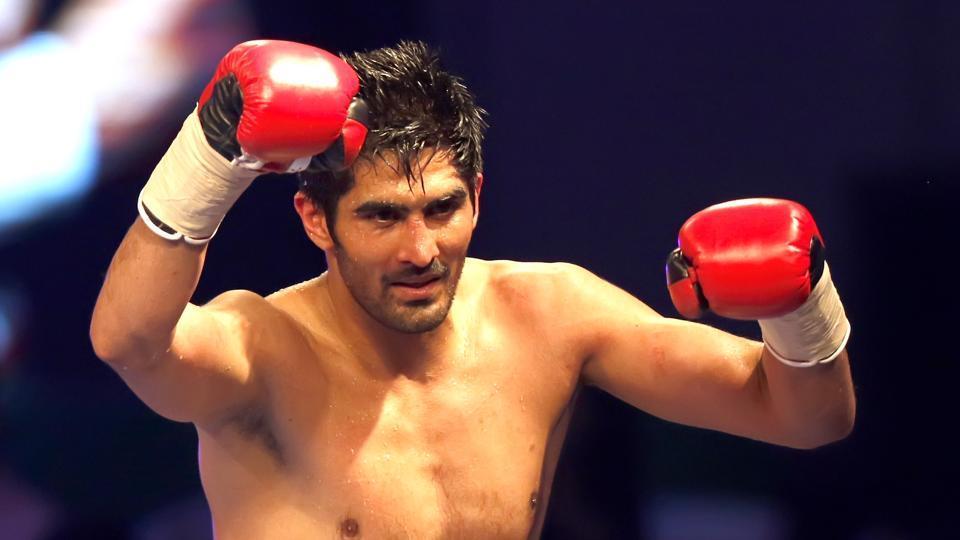
One of Vijender Singh’s unique strengths is his experience in both amateur and professional boxing. After completing a successful amateur career, he transitioned into professional boxing, where he built an impressive record and gained global recognition.
This dual experience allows him to understand the differences and connections between the two systems. Amateur boxing focuses heavily on international tournaments and Olympic pathways, while professional boxing involves commercial interests, promotions, and long-term career management.
As a member of the Asian Boxing Council, Vijender can help bridge gaps between these two worlds. His insights can support policies that protect athletes’ welfare while also allowing them to explore professional opportunities without compromising their long-term development.
Athlete-Centric Approach to Governance
A major expectation from the Vijender Singh Asian Boxing Council role is his athlete-first perspective. Having spent years inside the ring, he understands issues such as training quality, fair judging, injury management, mental pressure, and career uncertainty.
This perspective is crucial at a time when sports governance is increasingly focusing on transparency, fairness, and athlete well-being. Vijender’s involvement may encourage reforms that prioritise boxers’ interests, improve support systems, and ensure equal opportunities across nations.
His journey from a small town in Haryana to the Olympic podium and now to a continental decision-making body serves as a powerful example of how athletes can contribute beyond competition.
What This Means for Asian Boxing
Vijender Singh’s appointment is being welcomed across the boxing community. Many see it as a positive sign that experienced athletes are being included in governance roles. This can lead to more practical policies and better communication between administrators and players.
For Asian boxing, his inclusion represents a blend of experience, credibility, and regional representation. It also highlights the growing maturity of Indian boxing, which is now contributing not just athletes but leaders to the international stage.
As Vijender begins this new role, expectations are high that he will work towards strengthening boxing structures, promoting fair play, and supporting young talent across Asia. His journey continues, not just as a champion boxer, but as a shaping force in the future of the sport.