



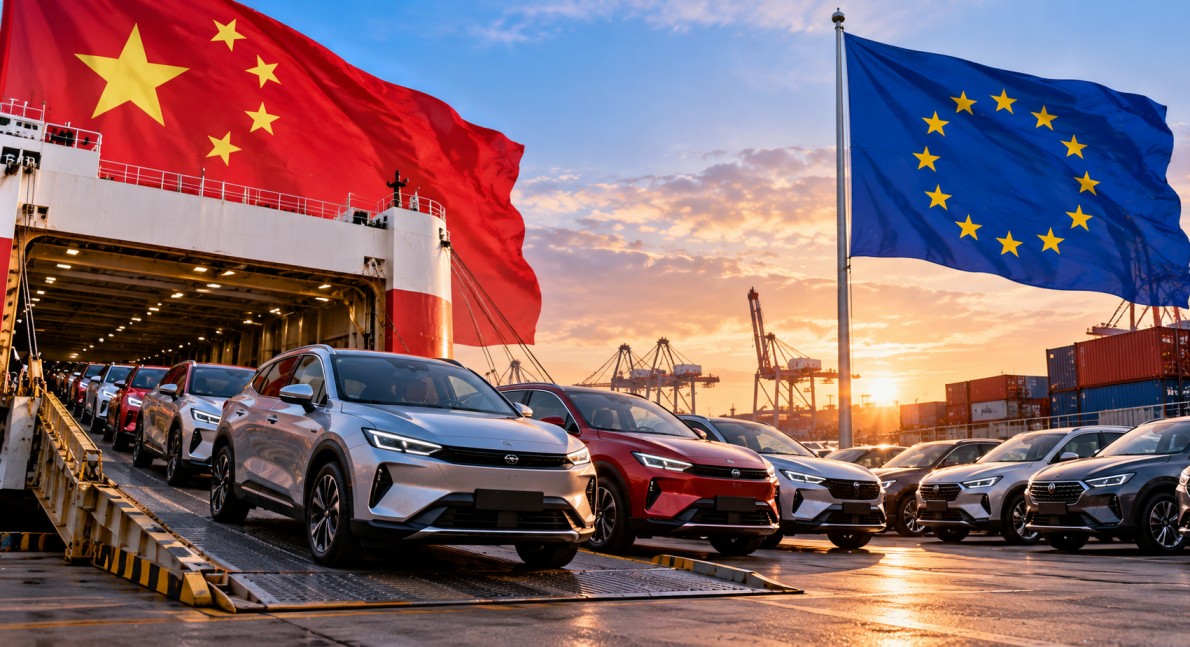
China Hybrid Curbs Rejected

China Hybrid Curbs proposed by the European Union have been rejected by Beijing as trade talks between China and the EU begin in Beijing on October 8, 2026. The EU had asked China to voluntarily limit exports of hybrid vehicles to the European market as Brussels looks for ways to reduce its growing trade deficit with China. The issue has become a major part of the latest discussions between European Trade Commissioner Maroš Šefčovič and Chinese Commerce Minister Wang Wentao.
Thank you for reading this post, don't forget to subscribe!EU-China Trade Talks Begin in Beijing
Šefčovič and Wang Wentao are holding two days of talks on October 8 and 9. The discussions cover the EU’s large trade deficit with China, access to each other’s markets, Chinese exports to Europe and restrictions on critical minerals and rare earth materials.
The EU’s goods trade deficit with China reached about €360.6 billion in 2025. European officials have also said the daily trade gap is now more than €1 billion. Brussels wants concrete steps from China to improve the balance of trade and increase access for European businesses in the Chinese market.
Why Hybrid Cars Are a Major Issue
Hybrid vehicles have become an important part of China’s growing presence in the European car market. The EU is particularly concerned about plug-in hybrid vehicles, which combine an internal-combustion engine with an electric motor and can also be charged from an external power source.
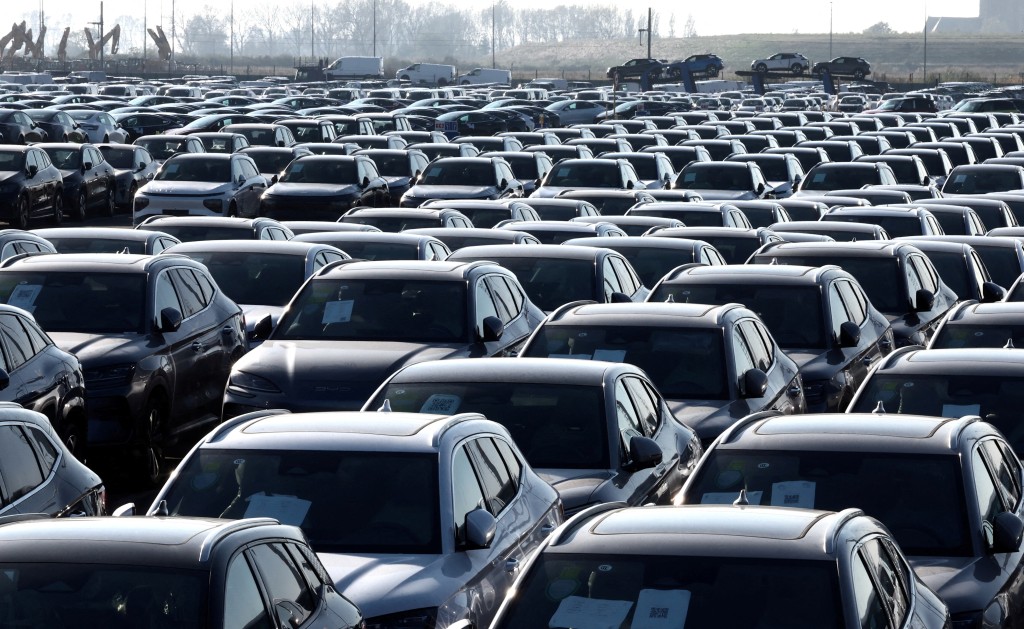
Chinese carmakers held close to 12% of Europe’s new-car market in August 2026 and accounted for roughly one in three plug-in hybrid sales in the region, according to reports. The rapid increase in Chinese hybrid exports has made the sector a new focus of the EU-China trade dispute.
China Rejects Voluntary Export Limits
China has rejected the EU request for voluntary limits on hybrid-car exports. Reports said Brussels wanted Chinese hybrid vehicles to account for around 15% of the EU market, compared with a much larger share of current sales.
Beijing has opposed the idea of voluntary export restrictions and has argued that trade differences should be handled according to market principles and international trade rules. Chinese authorities have also criticised what they describe as protectionist measures against Chinese companies.
The rejection has increased pressure on the European Commission to consider other options if negotiations do not produce an agreement.
EU Considers Safeguard Measures
Following China’s refusal, the European Commission is considering possible safeguard measures for Chinese hybrid vehicles. One option is a tariff-rate quota.
Under a tariff-rate quota, imports up to a certain volume can enter under one tariff rate. Imports above the agreed limit can face a higher tariff. Such a system could allow the EU to control the volume of Chinese hybrid vehicles entering its market without immediately applying the same tariff to every imported vehicle.
Reports say the possible measures would be time-limited and could still change depending on the outcome of the talks.
Earlier EU Duties Targeted Electric Cars
The dispute over hybrids follows an earlier EU trade action against Chinese battery-electric vehicles. The European Union imposed definitive countervailing duties on Chinese-made battery-electric vehicles in October 2024 following an anti-subsidy investigation.
Those measures covered battery-electric vehicles and did not cover hybrid vehicles. The European Commission confirmed in April 2026 that the 2024 investigation did not include hybrids, meaning those vehicles were outside the scope of those countervailing duties.
This difference has made hybrid vehicles an increasingly important issue in the current negotiations.
Trade Dispute Goes Beyond Cars
The China Hybrid Curbs dispute is part of a wider disagreement between Beijing and Brussels. The EU is also concerned about China’s export controls on rare earths and other critical materials that are important for industries such as automobiles, batteries and clean-energy technology.
At the same time, China wants better access to the European market and has criticised restrictions placed on Chinese companies and products. Both sides are therefore discussing several connected trade issues rather than focusing only on vehicles.
Germany and France Push for Stronger EU Tools
The latest dispute has also led Germany and France to call for stronger tools that could allow the EU to respond more quickly to trade practices it considers harmful.
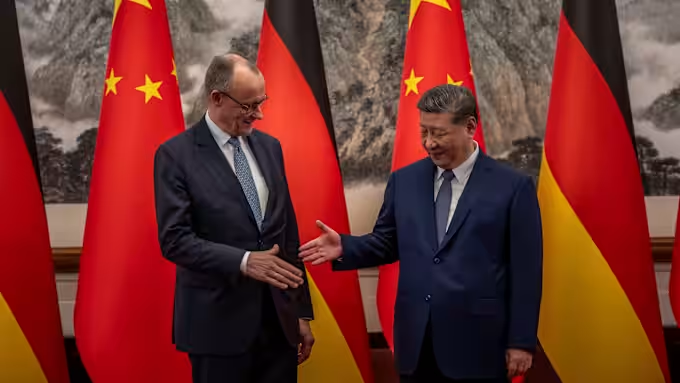
French President Emmanuel Macron and German Chancellor Friedrich Merz have urged the EU to develop a mechanism that could be activated when economic measures by another country create serious pressure on European industries. The proposal is part of a broader discussion about how the EU should respond to changing global trade conditions.
What Happens Next
The outcome of the October talks could influence the European Commission’s next steps on Chinese hybrid vehicles. Brussels wants measurable progress on the trade imbalance, while Beijing has rejected the voluntary export limits requested by the EU.
European leaders are expected to discuss relations with China at their October 15–16 meeting in Brussels. The decisions taken during the current Beijing talks could therefore shape the next stage of EU-China trade policy, particularly for the automotive sector and other industries facing growing competition from Chinese imports.