


Paschim Banga Name Change Proposal

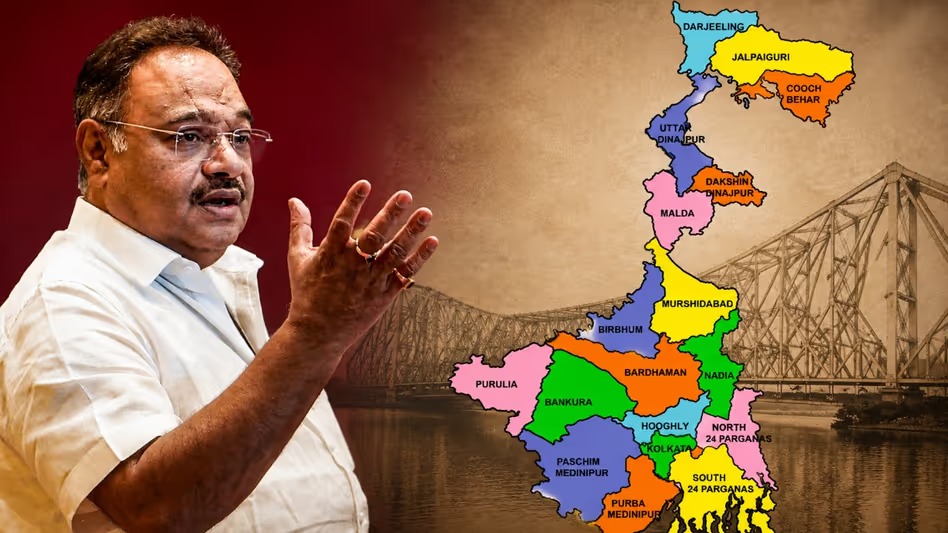
Paschim Banga may become the new official name of West Bengal if the proposed legislation completes the required constitutional process. West Bengal BJP president Samik Bhattacharya has announced that a Bill to rename the state is expected to be introduced in the Assembly. He has said that the proposed name is connected with the history and identity of the state.
Thank you for reading this post, don't forget to subscribe!The proposal is still at the legislative stage. A statement about introducing a Bill does not by itself change the official name of a state. The proposal will have to go through the constitutional process involving the state legislature, Parliament and the President.
Why Paschim Banga Is Being Proposed
According to Samik Bhattacharya, the proposed name Paschim Banga is intended to connect the state with its historical identity. He has said that the government wants to use Paschim Banga instead of names such as West Bengal, Bangla or Banga.
The proposal is part of a debate that has continued for several decades. Different state governments have considered different names in the past, but none of those proposals resulted in an official change.
The latest proposal therefore brings the issue back into public discussion and could begin another legislative process for changing the state’s name.
Constitutional Process for Changing a State Name
The Constitution provides a specific procedure for changing the name of an Indian state. Article 3 gives Parliament the power to alter the name, area or boundaries of existing states.
A Bill for changing the name of a state cannot be introduced in Parliament without the recommendation of the President. If the proposal affects the name of a state, the President must refer the Bill to the legislature of that state so that it can express its views within the period specified by the President.
The views of the state legislature are part of the process, but Parliament is not constitutionally required to accept those views. The final change in the state’s official name therefore requires parliamentary legislation.
The Role of the West Bengal Assembly
The state government is expected to first introduce the proposed renaming Bill in the West Bengal Assembly. Recent reports indicate that the Bill could be introduced during the current or upcoming Assembly session.
If the state legislature takes up the proposal, it would become an important step in the process. However, even if the Assembly supports the proposal, the name would not automatically change.
The proposal would still need to proceed through the Union government and Parliament in accordance with Article 3 of the Constitution.
Earlier Attempts to Change the Name
The question of changing West Bengal’s name has been discussed since the late 1990s. The Left Front government considered alternatives including Paschim Banga and Bangla.
The issue returned during the Trinamool Congress government. In 2016, the state proposed using different names in different languages, including Bangla in Bengali, Bengal in English and Bangal in Hindi. That proposal did not receive approval from the Centre.
In 2018, the West Bengal Assembly again backed the name Bangla, but the proposal did not lead to a final change in the state’s official name.
The latest proposal is different because Paschim Banga is being proposed as the name to be used across languages.
Paschim Banga Bhavan in Varanasi
The latest name-change announcement has also been linked with a proposed Paschim Banga Bhavan in Varanasi. The planned facility is expected to serve as a cultural centre and accommodation facility for people from West Bengal visiting the city.
The project is being planned through cooperation involving the state’s culture and tourism department, the Centre and descendants of the former Cooch Behar royal family, according to reports.
Varanasi has long-standing cultural links with Bengal, and the proposed Bhavan is intended to provide a place where Bengali cultural activities can also be represented.
Examples of State Name Changes in India
India has previously changed the names of several states through parliamentary legislation. Madras State was renamed Tamil Nadu in 1969, Uttaranchal became Uttarakhand in 2007, and Orissa was renamed Odisha in 2011.
These examples show that changing a state’s name requires a formal legal process rather than a decision by the state government alone.
The proposed change from West Bengal to Paschim Banga would similarly require legislation at the national level after the prescribed constitutional steps are completed.
What Happens Next
The immediate step is the introduction of the proposed renaming Bill in the West Bengal Assembly. The timing and exact legislative route will depend on the government’s formal action.
If the proposal moves forward, the process will eventually involve Parliament under Article 3. Until the required legislation is passed and comes into effect, the state will continue to officially be known as West Bengal.
The Paschim Banga proposal has therefore reopened a long-standing discussion about the state’s name, its historical identity and the constitutional procedure required for an official change.