Venezuelan Oil Reserves Deal

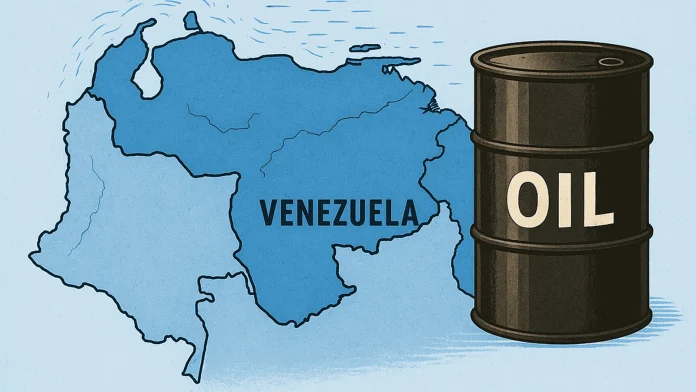
Venezuelan Oil Reserves have become the centre of a major energy agreement announced by the United States and Venezuela on 28 August 2026. The agreement reportedly involves more than 65 billion barrels of Venezuela’s proven oil reserves and includes plans for a private joint venture, a long-term concession and significant US participation. The development could have an impact on Venezuela’s oil industry, international energy markets and wider US energy policy.
Venezuelan Oil Reserves Deal Major US-Venezuela Oil Agreement
The reported agreement involves a long-term arrangement for developing and producing Venezuelan crude oil. Under the proposed structure, a private joint venture would manage important parts of the oil operation.

Reports indicate that the arrangement includes a 100-year concession and a US majority stake of about 55% through equity participation and access to oil at cost. Such a structure could bring major foreign investment into Venezuela’s petroleum sector while giving US-linked interests a significant role in the production and supply of crude oil.
The agreement comes at a time when energy security remains an important issue for major economies. Global oil prices, supply disruptions, geopolitical tensions and changes in energy policy continue to influence international markets.
Venezuela Holds the World’s Largest Proven Oil Reserves
Venezuela is known for having the world’s largest proven oil reserves. Standard estimates put the country’s proven reserves at more than 300 billion barrels, with a large share located in the Orinoco Belt.
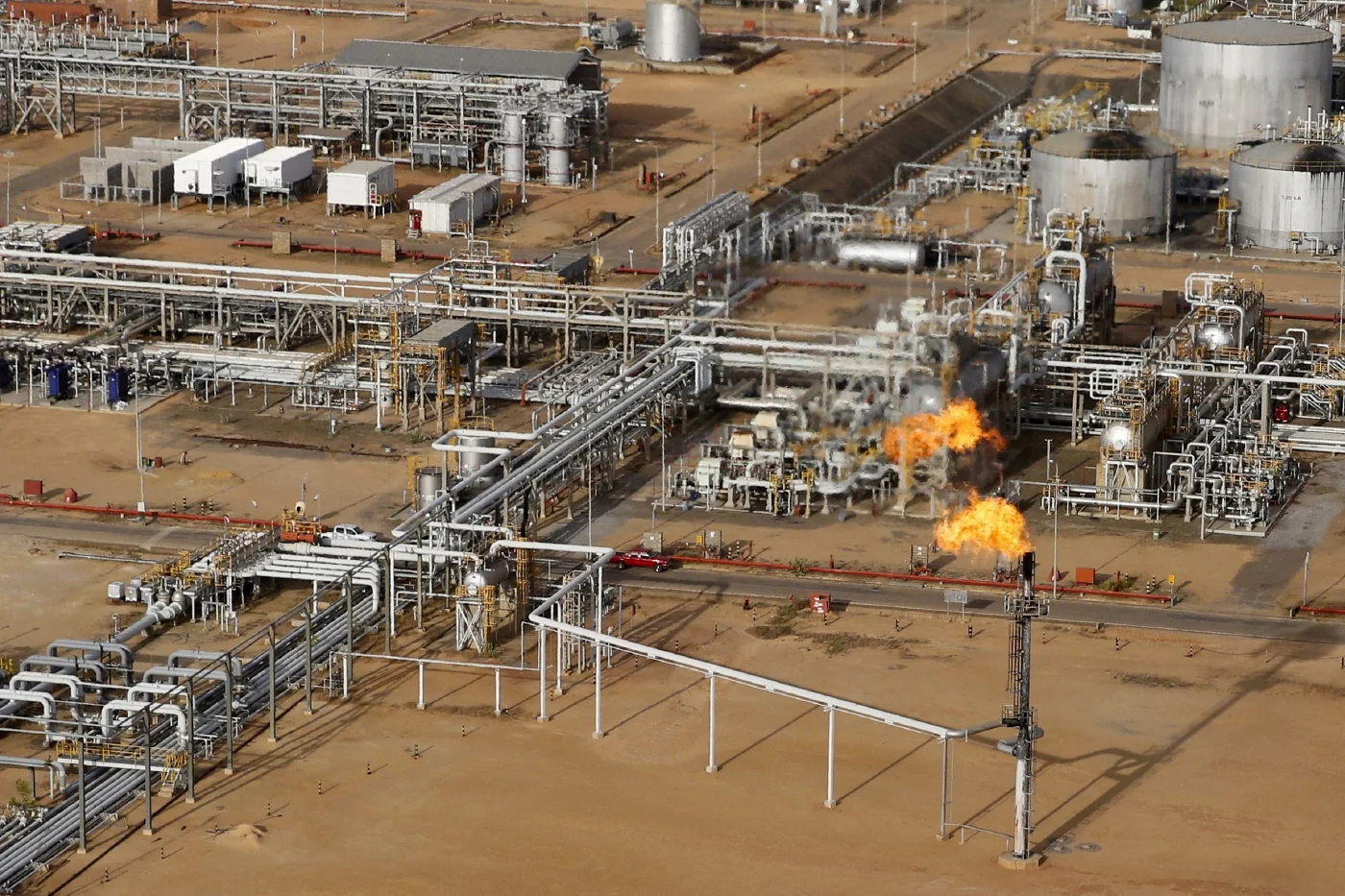
The Orinoco Belt is a huge oil-producing region in eastern Venezuela. Much of its crude is heavy and requires specialised technology and processing facilities.
Proven oil reserves refer to petroleum resources that geological and engineering information shows can be recovered under existing economic and operating conditions. This category is different from probable and possible reserves, which have a lower level of certainty.
The large size of Venezuela’s oil resources makes the country strategically important to the global petroleum market.
What Is an Oil Concession?
An oil concession is a legal agreement that gives a company or group the right to explore, produce and sometimes market petroleum in a particular area for a specified period.
A long-term concession can provide companies with greater certainty when making large investments in oil exploration, production facilities, pipelines and refining infrastructure.
The reported 100-year concession in the new arrangement is therefore significant because of its unusually long duration. The agreement would potentially influence the development and management of Venezuelan oil resources for several decades.
Role of Joint Ventures in the Oil Sector
Joint ventures are commonly used in the international petroleum industry. In a joint venture, two or more parties combine their money, technology, expertise or other resources for a common business project.
In oil-producing countries, joint ventures can bring together government-owned companies, private businesses and foreign investors.
For Venezuela, such partnerships could provide access to international capital and technology needed to develop its large oil resources. For US-linked companies, participation could provide greater access to one of the world’s largest petroleum reserves.
The reported US majority participation could therefore become an important part of the future structure of Venezuela’s oil industry.
Impact on Global Energy Security
The agreement also comes against the background of growing global attention to energy security. Countries are trying to maintain reliable supplies of crude oil and natural gas while also investing in renewable energy and cleaner technologies.
Venezuela’s huge oil reserves give it the potential to remain an important supplier of crude oil for many years. Increased production could add more oil to international markets if infrastructure, investment and political conditions allow it.
For the United States, greater access to Venezuelan crude could also have strategic importance. Venezuela is geographically close to the United States and has extensive petroleum resources.
US Strategic Petroleum Reserve
The United States also maintains the Strategic Petroleum Reserve, which is the world’s largest emergency stockpile of crude oil.
The reserve is stored mainly in underground salt caverns along the Gulf Coast. It was created in 1975 following the global oil crisis of the early 1970s.
The Strategic Petroleum Reserve is different from overseas oil investments. Its main purpose is to provide an emergency supply of crude oil during serious disruptions in the petroleum market.
The United States can use the reserve during major supply problems, although long-term energy security also depends on domestic production, imports, infrastructure and international partnerships.
Venezuela and OPEC
Venezuela is one of the founding members of the Organisation of the Petroleum Exporting Countries, or OPEC. OPEC was established in 1960 to coordinate petroleum policies among its member countries.
Venezuela’s large oil reserves have made it an important country within the global oil industry. However, its oil sector has faced years of production challenges, economic difficulties, sanctions and political uncertainty.
Any major increase in foreign investment and production capacity could therefore have wider consequences for Venezuela’s economy and its position in global energy markets.
Political and Legal Issues
Venezuela’s oil industry has long been connected with the country’s domestic politics and international relations. Questions involving sanctions, foreign ownership, oil concessions and investment agreements can involve both national and international legal issues.
Nicolás Maduro has been Venezuela’s president since 2013, while Delcy Rodríguez has held senior positions within the Venezuelan government.
The reported agreement could therefore be closely watched by governments, energy companies and investors because future oil projects may depend on regulatory approvals, legal arrangements and changes in international policy.
Why the Agreement Matters
The reported US-Venezuela oil arrangement places Venezuela’s enormous petroleum resources at the centre of a new phase of energy diplomacy. The combination of foreign investment, a long-term concession and increased access to Venezuelan crude could reshape parts of the country’s oil industry.
At the same time, the development highlights the continuing importance of petroleum in global energy security, even as countries accelerate investments in renewable energy, electric vehicles and other low-carbon technologies.