



China Rare Earth Exports To Japan See Limited Approval Under New Controls

China Rare Earth Exports To Japan have resumed in a limited manner after Beijing approved a small number of export licences under its newly tightened dual use export control system. The move has brought short term relief to Japanese manufacturers who depend heavily on Chinese supplies, but it also shows how China is carefully managing its control over critical minerals. The approvals are selective and do not signal a complete easing of restrictions.
Thank you for reading this post, don't forget to subscribe!Selective Approvals Under Stricter Monitoring
Chinese authorities have started clearing selected shipments of rare earth elements to Japan after introducing new rules that require exporters to seek official government permission. Under this updated system, companies must provide detailed information about how and where the materials will be used.
Japanese firms have confirmed that some licences have been granted, especially for civilian industrial use. However, businesses also report that the approval process is slower than before and involves more paperwork and checks. Export volumes remain lower than past averages, which indicates that China is still acting with caution.
Beijing has clearly stated that materials which could have military use will remain under tight control. This means that while some exports are allowed, sensitive items are still restricted. The approach reflects a balanced strategy rather than a full reopening of trade flows.
Understanding The Dual Use Export Control System
The new dual use export regime focuses on goods that can serve both civilian and military purposes. Rare earth elements fall into this category because they are used in everyday technology as well as advanced defence systems.
Under the updated framework, exporters must explain the final end use of the materials and provide documents about the companies involved. Chinese commerce officials have said that compliant civilian applications will be processed, but defence related uses will not be approved.
This distinction is important. It allows China to show that it is not imposing a total ban, while still keeping strategic control over supplies that are important for national security. By approving limited shipments to Japan, Beijing appears to be avoiding the image of a complete embargo like the one seen during the 2010 Senkaku Islands dispute.

Why Rare Earths Matter So Much
Rare earth elements are a group of minerals that are essential for modern technology. They are used in smartphones, wind turbines, electric vehicles, computer chips, medical equipment, and defence systems. Heavy rare earths such as dysprosium and terbium are especially valuable because they are needed to produce high performance magnets.
These magnets are used in electric vehicle motors and advanced weapons systems. Because of their importance, control over rare earth supply has become a major geopolitical issue.
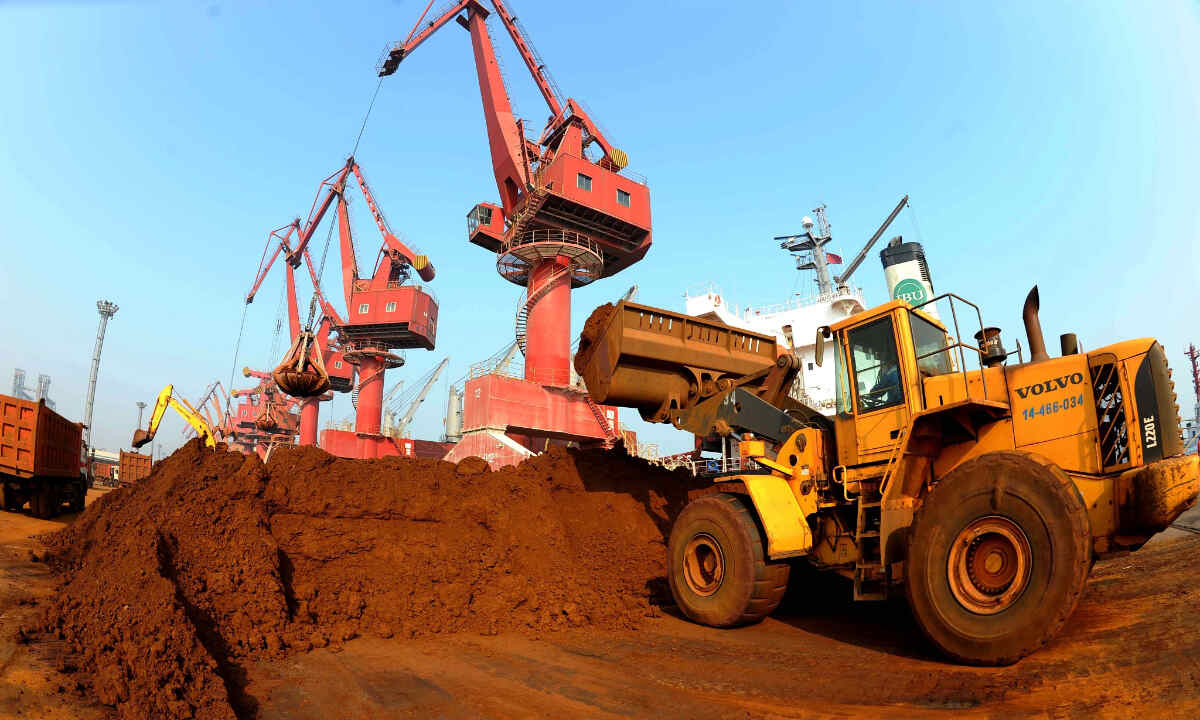
China dominates global rare earth mining, processing, and refining capacity. Even when raw materials are mined in other countries, they are often sent to China for processing. This gives Beijing strong influence over global supply chains.
Japan is one of the world’s largest importers of rare earth materials. Around 72 per cent of Japan’s rare earth supply comes from China. This high level of dependence makes Japanese industries vulnerable to policy changes in Beijing.
Impact On Japanese Industry And Economy
The limited approval of China Rare Earth Exports To Japan has eased immediate pressure on Japanese manufacturers. However, uncertainty remains. Companies now have to submit detailed documents about downstream users and possible re export destinations. This adds time and cost to the process.
Heavy rare earths face the strictest checks. These materials are critical for Japan’s automotive and electronics sectors. If delays continue, industries such as electric vehicle production and semiconductor manufacturing could face serious disruptions.
Analysts at the Nomura Research Institute have warned that prolonged supply restrictions could lead to annual production losses exceeding ¥2.6 trillion. Such losses could reduce Japan’s GDP by about 0.43 per cent. This shows how closely connected rare earth supplies are to the broader economy.
Japanese manufacturers are therefore watching the situation carefully. While the recent approvals provide temporary relief, the slower and less transparent system creates uncertainty about long term stability.
Japan’s Efforts To Reduce Dependence
The situation has pushed Japan to speed up its efforts to diversify supply sources. One major development is the work near Minamitorishima Island, where the deep sea drilling vessel Chikyu has retrieved rare earth rich mud. This marks an important step in Japan’s attempt to develop its own resources.
However, commercial production from these deposits is not expected before 2027. Extracting rare earths from deep sea mud is technically complex and expensive. Still, it represents a strategic move toward greater independence.
Japan is also strengthening partnerships with the United States and the European Union. These partnerships aim to build more resilient and diversified supply chains for critical minerals. Joint investments and shared research projects are part of this strategy.
At the same time, Japanese companies are exploring recycling technologies to recover rare earth elements from used electronics and industrial waste. Recycling could reduce reliance on imported materials over time.
A Carefully Balanced Situation
China Rare Earth Exports To Japan now operate under a controlled and selective system. The limited approvals suggest that Beijing wants to maintain economic ties while preserving strategic leverage. For Japan, the current situation offers short term relief but also highlights long term vulnerability.
The developments underline how critical minerals have become central to global economic and political competition. As industries move toward clean energy and advanced technology, rare earth elements will remain at the heart of supply chain discussions. Both China and Japan are likely to continue adjusting their strategies as the global landscape evolves.