Ahom Dynasty: Rise and Fall of an Empire

The Ahom Dynasty was one of the longest-ruling dynasties in Indian history. The Ahom Dynasty ruled Assam for nearly 600 years, from 1228 to 1826. During this long period, the Ahoms built a strong kingdom, protected Assam from foreign invasions, developed a unique administrative system, and created a rich cultural heritage. The story of the Ahom Dynasty is not just about kings and battles; it is about bravery, unity, administration, culture, and finally decline.
Thank you for reading this post, don't forget to subscribe!Unraveling the Origins
The Ahom Dynasty traces its lineage back to the Tai-Ahom people who migrated from present-day Yunnan province in China to the fertile plains of Assam in northeastern India. Led by their legendary founder, Sukaphaa, the Ahoms embarked on a journey fraught with challenges, ultimately establishing their capital at Charaideo in 1253 AD.
The Ascendancy of Power

Under the leadership of successive Ahom kings, the dynasty gradually expanded its territory, consolidating its hold over the region. The reign of Swargadeo Rudra Singha marked a golden age for the Ahoms, characterized by remarkable administrative reforms and military prowess. It was during this period that the Ahom Dynasty reached its zenith, with its influence extending far beyond the borders of Assam.
Governance and Administrative Brilliance
Central to the success of the Ahom Dynasty was its sophisticated administrative machinery. The kingdom was divided into autonomous regions known as “sadiyakhowa gohains” or “seven divisions,” each governed by a hereditary chief. This decentralized structure not only ensured efficient governance but also fostered a sense of local autonomy among the populace.
Cultural Renaissance and Architectural Marvels
The Ahom Dynasty was not only a powerhouse in terms of military and political might but also a patron of art, literature, and architecture. Their contributions to Assamese culture are evident in the majestic temples, palaces, and monuments dotting the landscape of modern-day Assam. The exquisite craftsmanship of the Ahom artisans continues to mesmerize visitors to this day.
The Golden Age of the Ahoms
The 17th century is often considered the golden age of the Ahom Empire. During this period:
- The kingdom was politically stable.
- Trade and agriculture were strong.
- Culture and architecture flourished.
- The military was powerful.
Kings like Rudra Singha (1696–1714) expanded the kingdom and strengthened administration. He planned military campaigns and improved infrastructure.
The capital was shifted to Rangpur (present-day Sivasagar), which became a center of power and culture.
The Tumultuous Decline
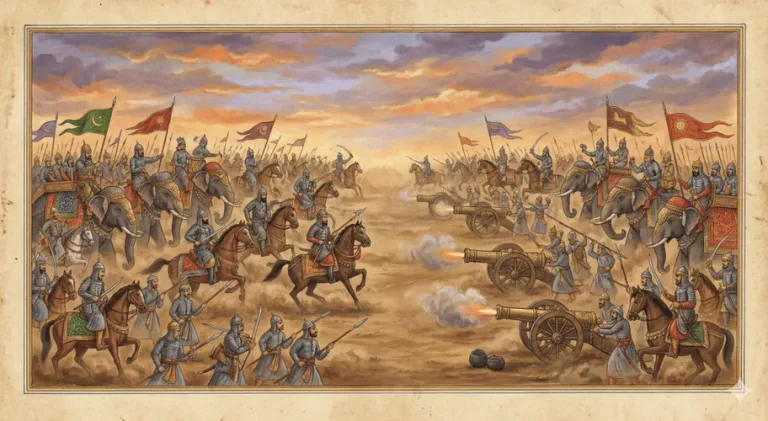
However, like all great empires, the Ahom Dynasty faced its share of challenges. External threats from the Mughals and internal strife hastened the decline of the once-mighty kingdom. The Battle of Saraighat, led by the valiant Lachit Borphukan, stands as a poignant chapter in Ahom history, symbolizing the last stand of a proud dynasty against overwhelming odds.
Legacy and Enduring Influence
Despite their eventual downfall, the Ahom Dynasty’s legacy lives on in the hearts and minds of the Assamese people. Their resilience in the face of adversity, their commitment to justice and fairness, and their cultural vibrancy continue to inspire successive generations. Today, monuments such as the Rang Ghar and Kareng Ghar serve as tangible reminders of the Ahom Dynasty’s enduring influence.
Ahom Dynasty: A Lachit Borphukan Perspective
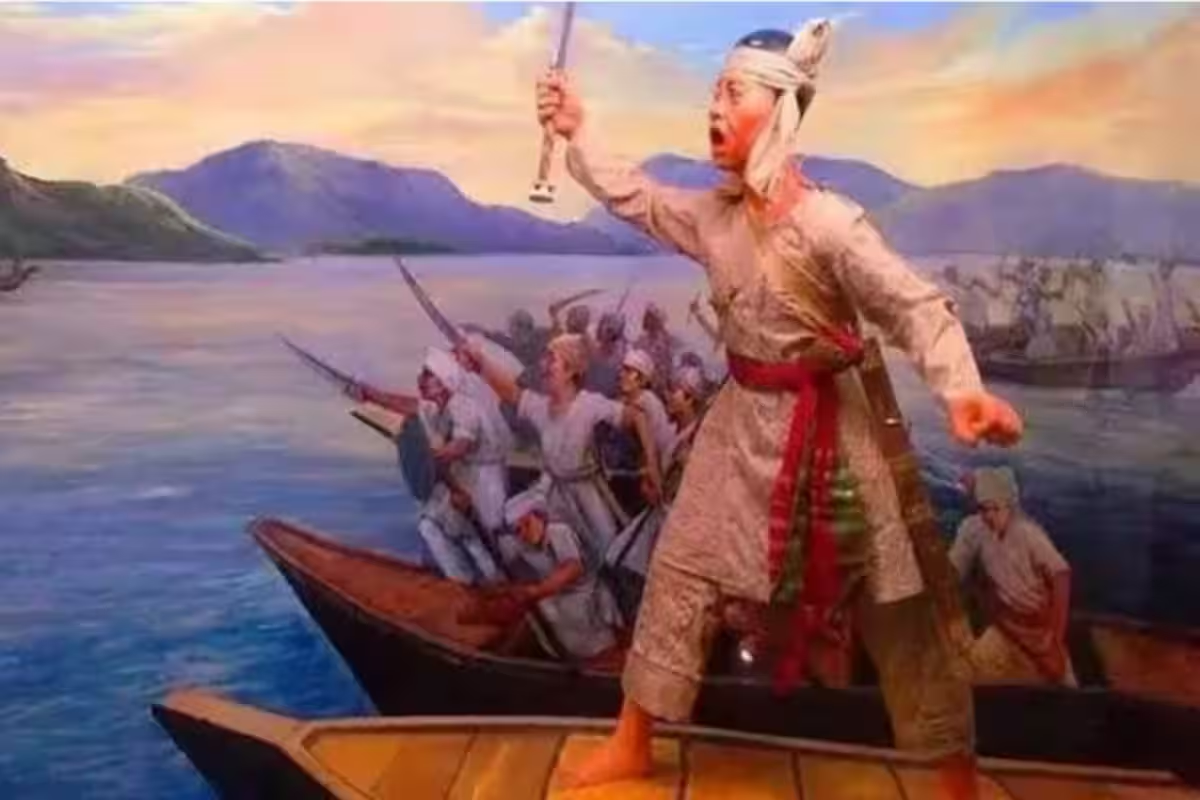
No discussion of the Ahom Dynasty would be complete without paying homage to one of its greatest heroes, Lachit Borphukan. Renowned for his indomitable spirit and unwavering courage, Lachit Borphukan epitomizes the ethos of the Ahom Dynasty. His leadership during the Battle of Saraighat remains a shining example of bravery and sacrifice, immortalizing him in the annals of Indian history.
End of the Ahom Rule
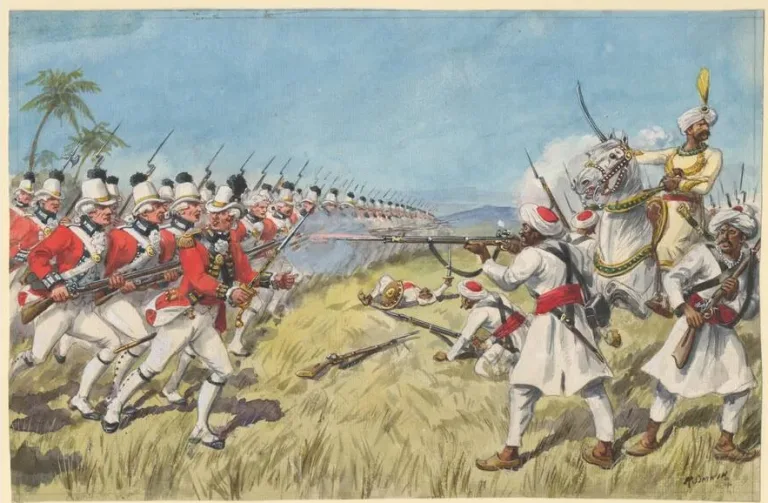
The Burmese invasions finally led to British involvement. The British fought against the Burmese in the First Anglo-Burmese War (1824–1826).
The war ended with the Treaty of Yandabo in 1826. According to this treaty:
- The Burmese left Assam.
- Assam came under British control.
This marked the end of nearly 600 years of Ahom rule.
Legacy of the Ahom Dynasty
Even though the Ahom Empire fell, its legacy remains strong in Assam.
1. Unity and Integration
The Ahoms united different tribes and communities. They created a strong Assamese identity.
2. Military Bravery
The victory at Saraighat is still remembered with pride.
3. Cultural Heritage
Monuments like Rang Ghar and Talatal Ghar are symbols of Assam’s rich history.
4. Administrative System
The Paik system showed advanced planning and organization.
5. Historical Records
The Buranjis help historians understand medieval Assam.
Important Ahom Kings at a Glance

- Sukaphaa – Founder of the Ahom Kingdom (1228)
- Suhungmung – Expanded the kingdom
- Pratap Singha – Strengthened administration
- Rudra Singha – Golden age ruler
- Gadadhar Singha – Restored stability after internal issues
Why the Ahom Dynasty is Important in Indian History
The Ahom Dynasty is important because:
- It ruled for almost six centuries.
- It successfully resisted the powerful Mughal Empire.
- It developed a unique system of governance.
- It preserved regional culture and identity.
Few dynasties in India have ruled for such a long time with stability and strength.
FAQs
Q: What led to the decline of the Ahom Dynasty?
A: Several factors contributed to the decline of the Ahom Dynasty, including external invasions, internal conflicts, and changing geopolitical dynamics.
Q: What is the significance of Lachit Borphukan in Ahom history?
A: Lachit Borphukan played a pivotal role in defending the Ahom kingdom from Mughal incursions during the Battle of Saraighat, showcasing unparalleled valor and leadership.
Q: How can I learn more about the Ahom Dynasty?
A: Explore the rich history of the Ahom Dynasty through historical texts, museum exhibits, and guided tours of Assam’s heritage sites.
Conclusion
The story of the Ahom Dynasty: Rise and Fall of an Empire is a powerful chapter in Indian history. From the arrival of Sukaphaa in 1228 to the fall of the kingdom in 1826, the Ahoms shaped the history, culture, and identity of Assam.
Their rise was built on unity, smart administration, military strength, and cultural development. Their fall was caused by internal conflicts, rebellions, and foreign invasions.
Even today, the people of Assam remember the Ahoms with pride. Their monuments stand tall as symbols of a glorious past. The Ahom Dynasty may have ended, but its legacy continues to live in the heart of Assam.